Arkansas Roofing Guidance
Roofing in Greenwood, AR
Explore practical Greenwood, AR roofing guidance on leaks, aging shingles, storm damage, repair or replacement, materials, and comparing written estimates.
Arkansas Roofing Guidance
Explore practical Greenwood, AR roofing guidance on leaks, aging shingles, storm damage, repair or replacement, materials, and comparing written estimates.
A roof problem in Greenwood may first show up as a damp ceiling, a displaced shingle, or water returning after a storm. Before choosing a repair or replacement, note when the leak appears, where it becomes visible, and whether earlier work seemed to solve it. Water can travel beneath roofing layers, so an indoor stain may not sit directly below the opening.
A useful assessment considers the roof as a system: covering, flashing, penetrations, drainage, decking, and ventilation. The right scope depends on the damage, surrounding materials, and the owner’s priorities. These points can help prepare questions and compare written proposals for a Greenwood property.
Describe what has changed rather than guessing at the cause. Note whether water appears during steady or wind-driven rain, whether it returns at the same spot, and whether stains are spreading. Safe photos from indoors or ground level can document changes. Do not climb onto a wet, steep, or damaged roof.
An assessment should consider the roof’s age and overall wear along with the reported symptom. Relevant details include valleys, wall intersections, flashing, chimneys, vents, and other penetrations. A sound diagnosis explains how the observed condition connects to the proposed work.
Water may enter where flashing has loosened, a roof boot has deteriorated, shingles have cracked or lifted, or drainage concentrates at a transition. In an attic that is safe to enter, damp insulation or darkened wood may offer clues. Keep notes on recurring leaks, which can mean the original entry point was missed or another detail is involved.
After wind or hail, visible changes may include displaced shingles, creased tabs, dents to exposed components, or granules in gutters. Not every mark proves storm damage or means replacement is needed. Widespread curling, cracking, missing shingle sections, exposed underlayment, or leaks across separate areas can prompt a broader condition review. The extent of wear and repair history matter.
A targeted repair may be appropriate when a problem is localized, nearby roofing remains serviceable, and the cause can be corrected without leaving vulnerable transitions. A useful scope identifies the affected area, explains how the leak path or damage will be addressed, and notes how new material will integrate with existing roofing. Ask whether related flashing or penetration details also need work.
Replacement deserves consideration when deterioration is broad, separate areas keep developing leaks, or repeated repairs no longer address the roof’s overall condition. Compare continued repair with a full-system proposal, not just the visible symptom. Ask what was inspected and why the recommendation suits this roof.
Asphalt shingles and metal roofing differ in appearance and installation details. Compare them in relation to roof shape and slope, underlayment, flashing, valleys, ventilation, drainage, and edge details. The preferred system should suit the building and the owner’s goals.
For a property inside Greenwood city limits, the City’s Planning & Development department provides a permit portal and lists permit categories, including additions and remodeling. Its list does not say every roof project requires the same approval. Confirm whether the specific work needs a permit; a Greenwood mailing address alone does not establish city jurisdiction. See the City of Greenwood Planning & Development guidance for current information.
Property-specific access can also affect inspection, delivery, and debris handling. Trees, sloped approaches, nearby structures, or limited staging space may matter at some properties. Mention relevant conditions when requesting proposals.
Ask each proposal to identify inspected areas, recommended work, materials, and installation details. For repair, compare the stated cause, affected components, and how adjoining details will be addressed. For replacement, check tear-off and disposal, decking assumptions, ventilation, flashing, and the proposed system components.
Compare site protection, debris removal, cleanup, exclusions, and how concealed conditions or scope changes will be documented and approved. Make sure proposals describe comparable work. If wording is broad, request the missing details in writing.
Keep clear of unsafe areas, protect belongings if practical, and note when and where water appears. Document changes from a safe location. An assessment should trace the water path rather than assume the ceiling stain marks the opening.
Consider the extent of wear, the condition of surrounding details, and leak and repair history. A localized issue may support a defined repair; widespread deterioration calls for broader evaluation. Ask what observations support the recommendation.
No. The affected area, type of damage, and condition of the rest of the roof determine the scope to consider. Ask that storm-related concerns be distinguished from pre-existing wear.
It should identify work areas, materials, methods, flashing and ventilation details, decking assumptions, site protection, cleanup, exclusions, and how changes will be handled.
Share the property location, symptoms, any recurring leak history, and whether repair or replacement is being considered. Mention access or staging constraints and include safe photos if available. A specific description helps clarify the proposed scope and compare written options.
[CITY_MAP_GREENWOOD]
Roofing Options
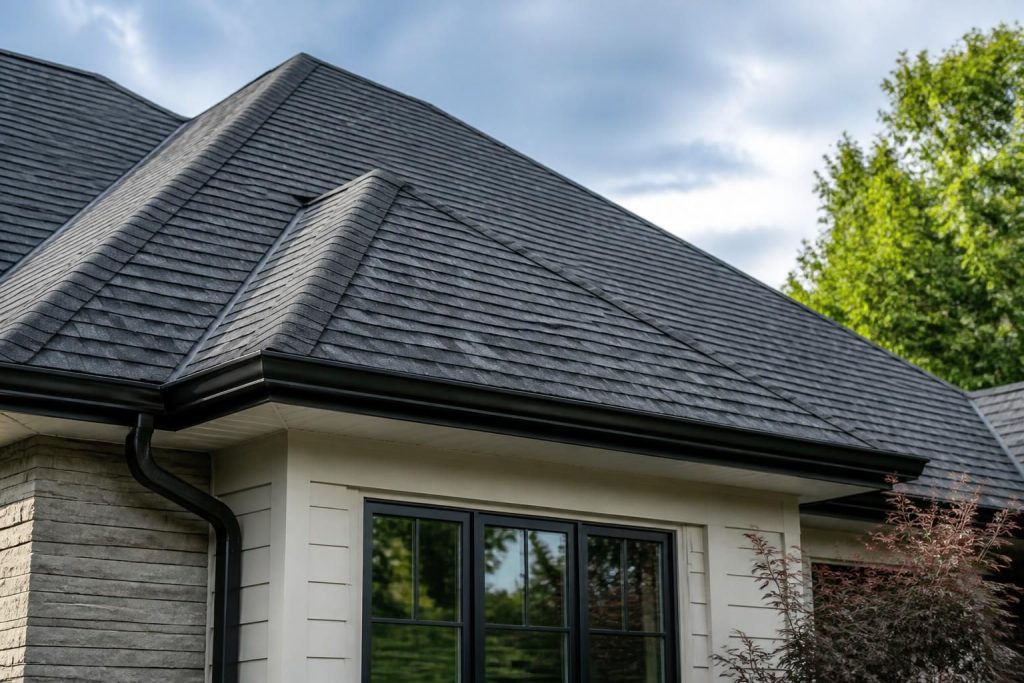
Roof replacement for roofs with recurring leaks, widespread wear, or damage that may no longer be suited to repair. An independent contractor can assess the roof, discuss repair versus replacement, and provide an estimate where available.
Learn More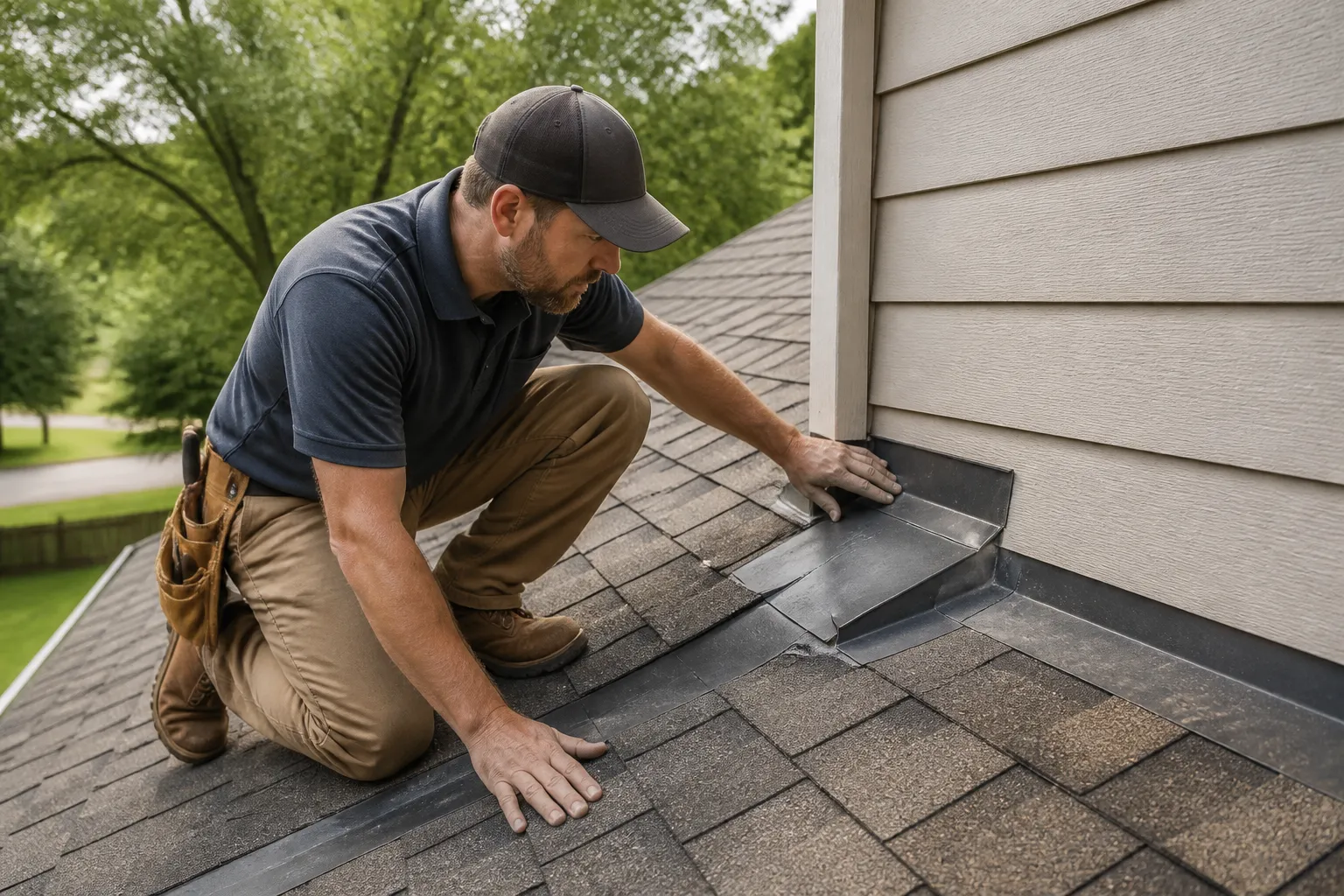
Learn about roof leaks, damaged shingles, flashing and pipe boot concerns, contractor inspection steps, and repair-versus-replacement considerations.
Learn More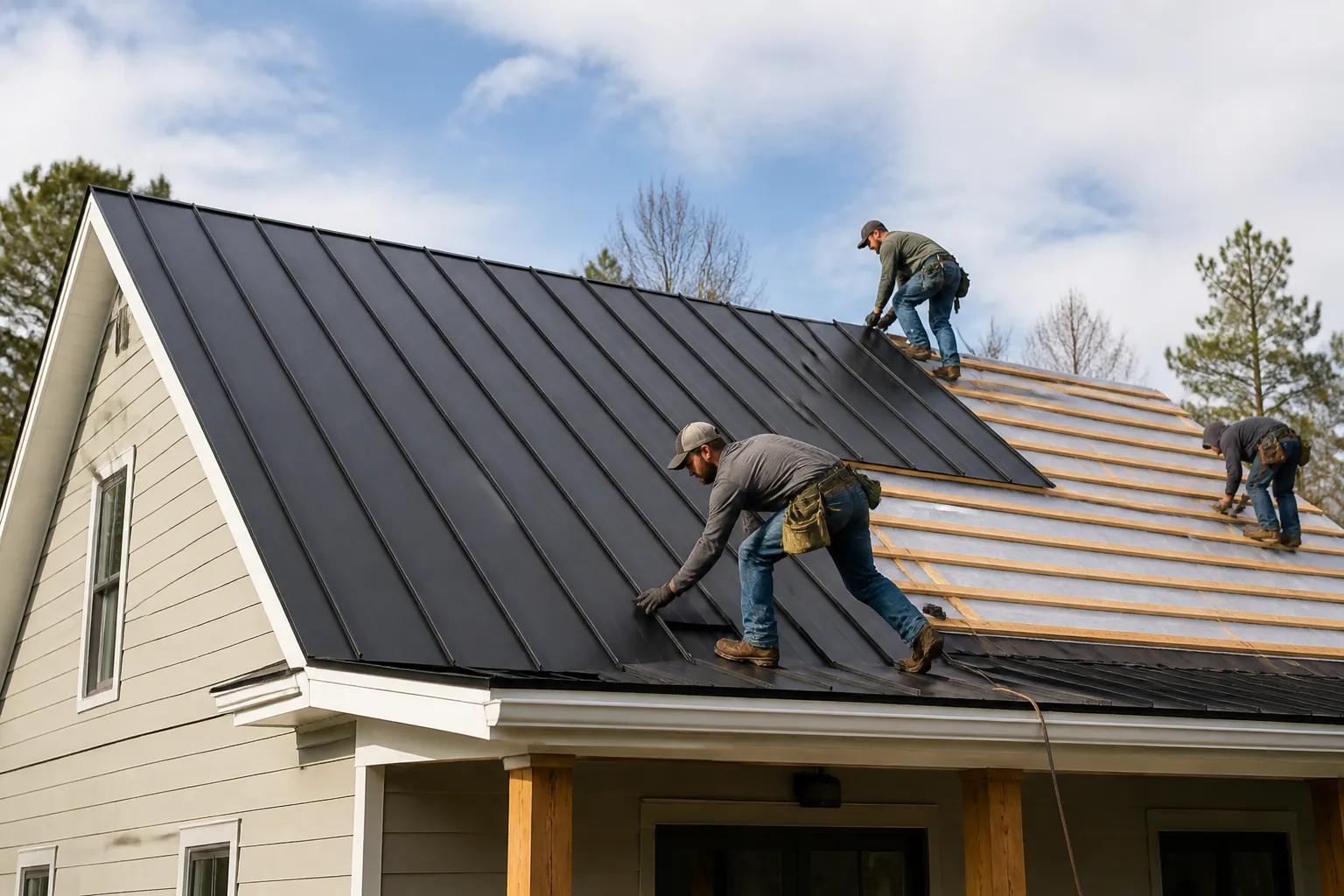
Compare metal roof installation and replacement options, standing-seam and exposed-fastener systems, repair considerations, ventilation, and estimate details.
Learn More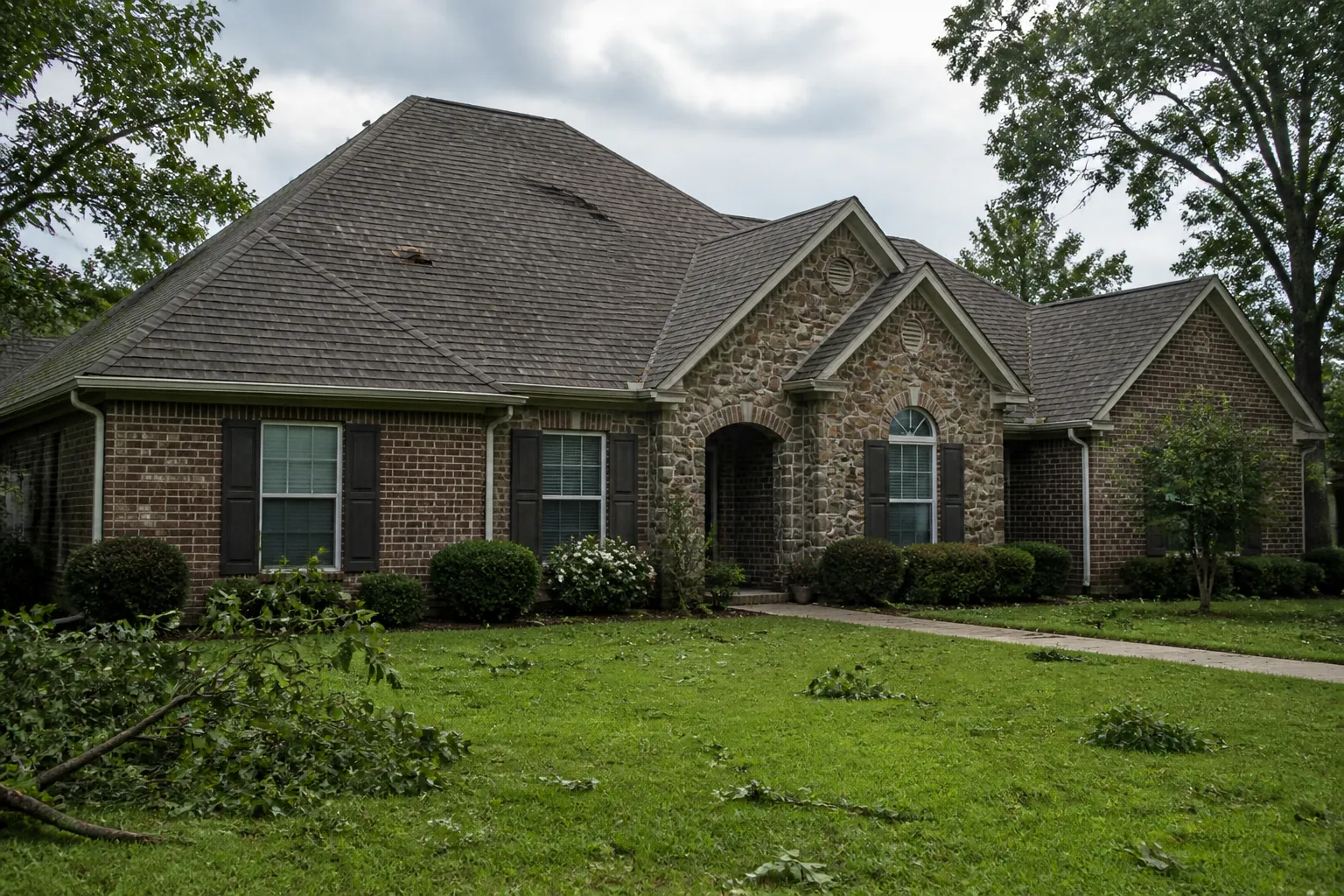
Get help assessing missing shingles, fallen debris, storm-related leaks, and other roof concerns after wind or hail.
Learn More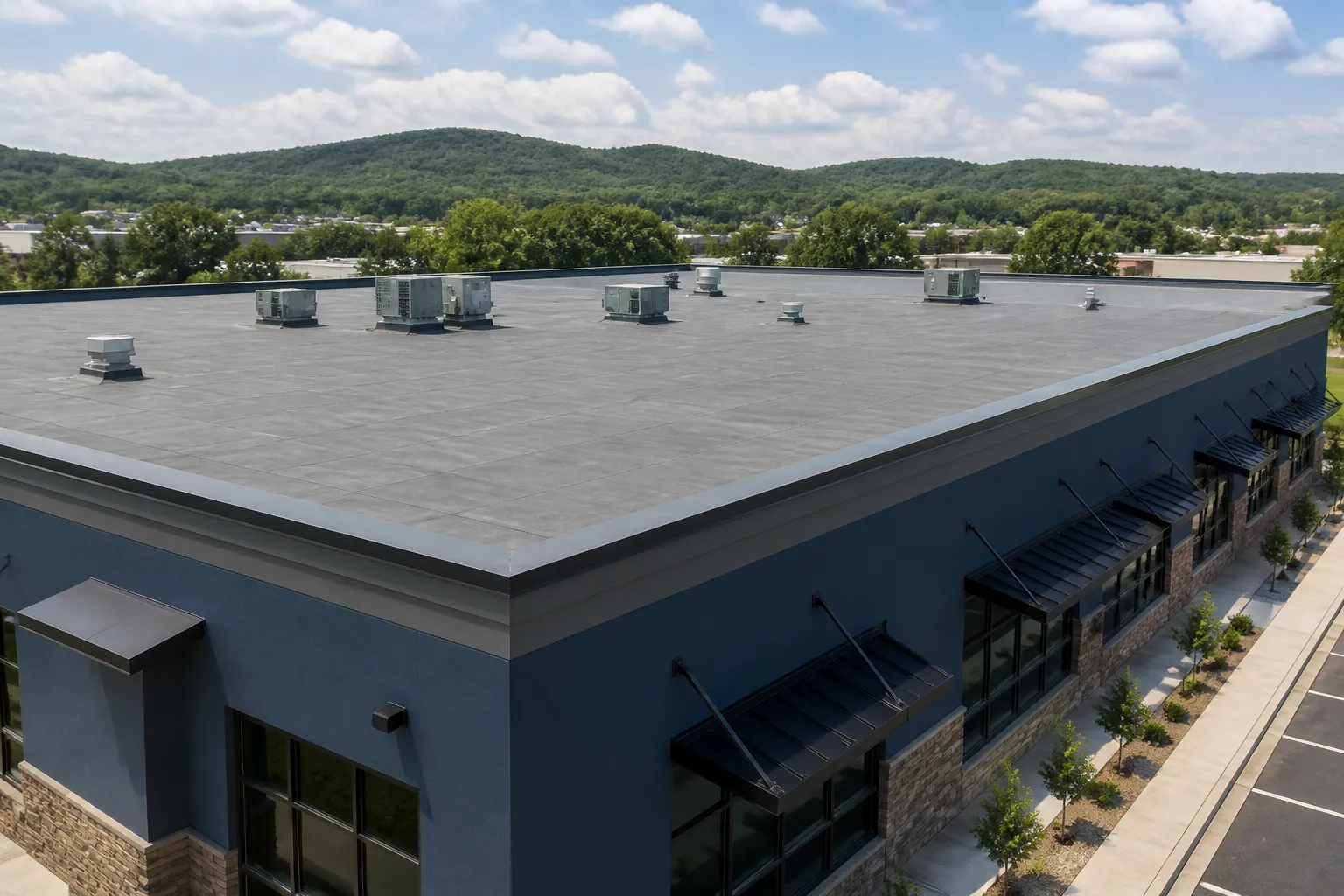
Discuss commercial roof leaks, repairs, replacement planning, drainage, penetrations, and access with an independent roofing contractor.
Learn More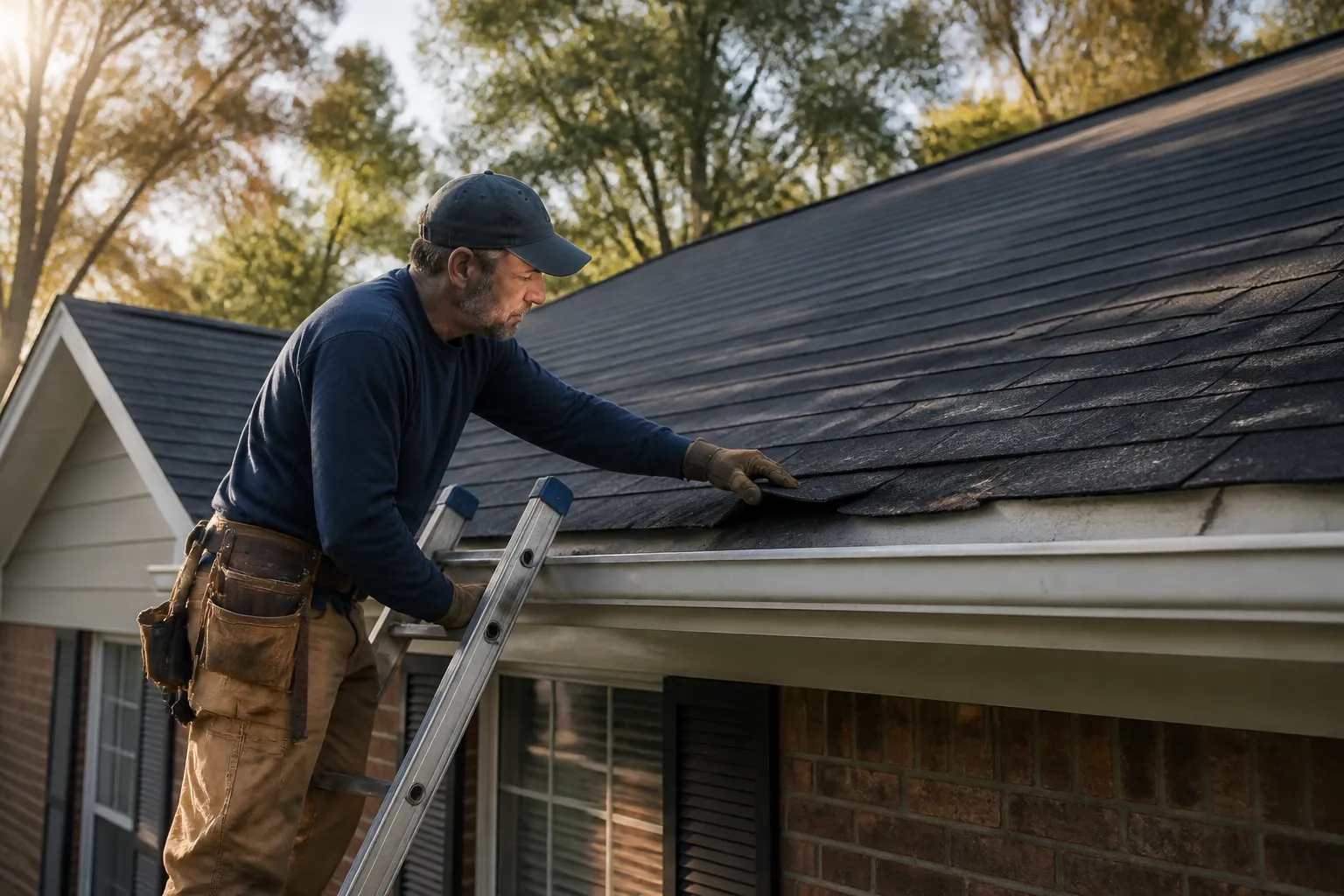
Compare roof replacement options for an El Dorado property, from removal and deck assessment to material selection and a written project estimate.
Learn More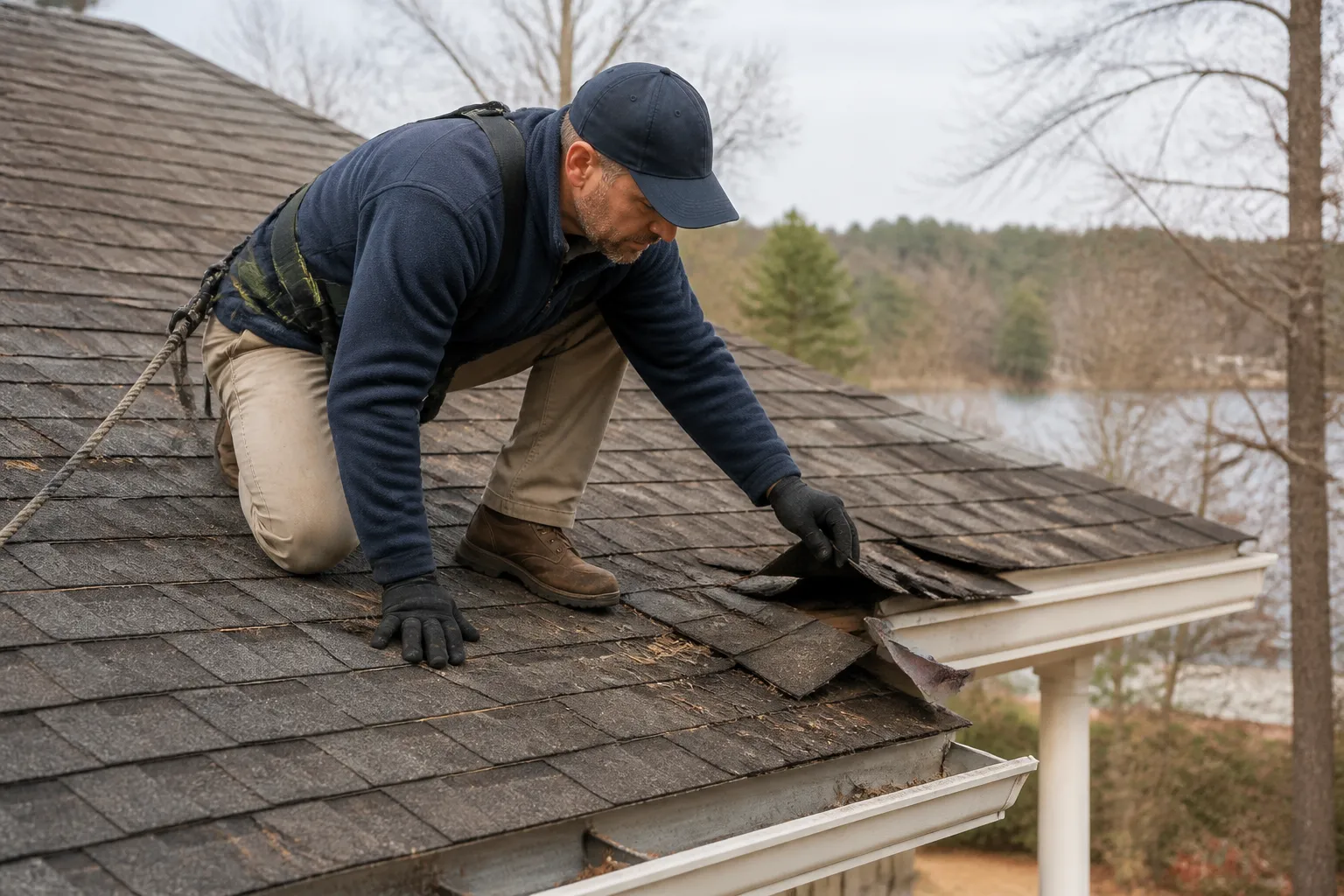
Request an assessment for leaks, shingles, flashing, or pipe-boot concerns at an El Dorado property and learn when broader work may be worth discussing.
Learn More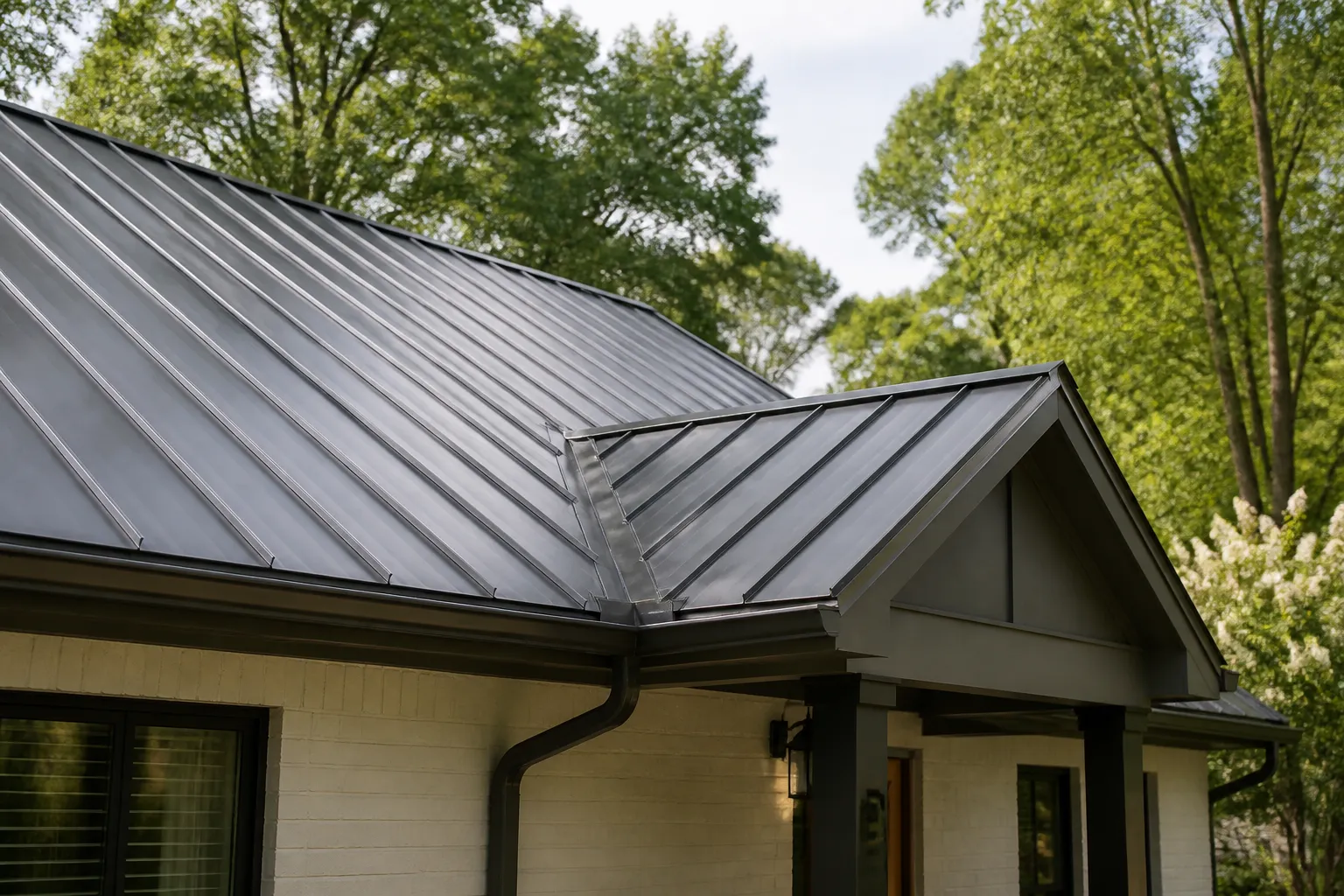
Explore standing-seam and exposed-fastener metal roofing, repair and replacement considerations, ventilation, and estimate details for El Dorado properties.
Learn More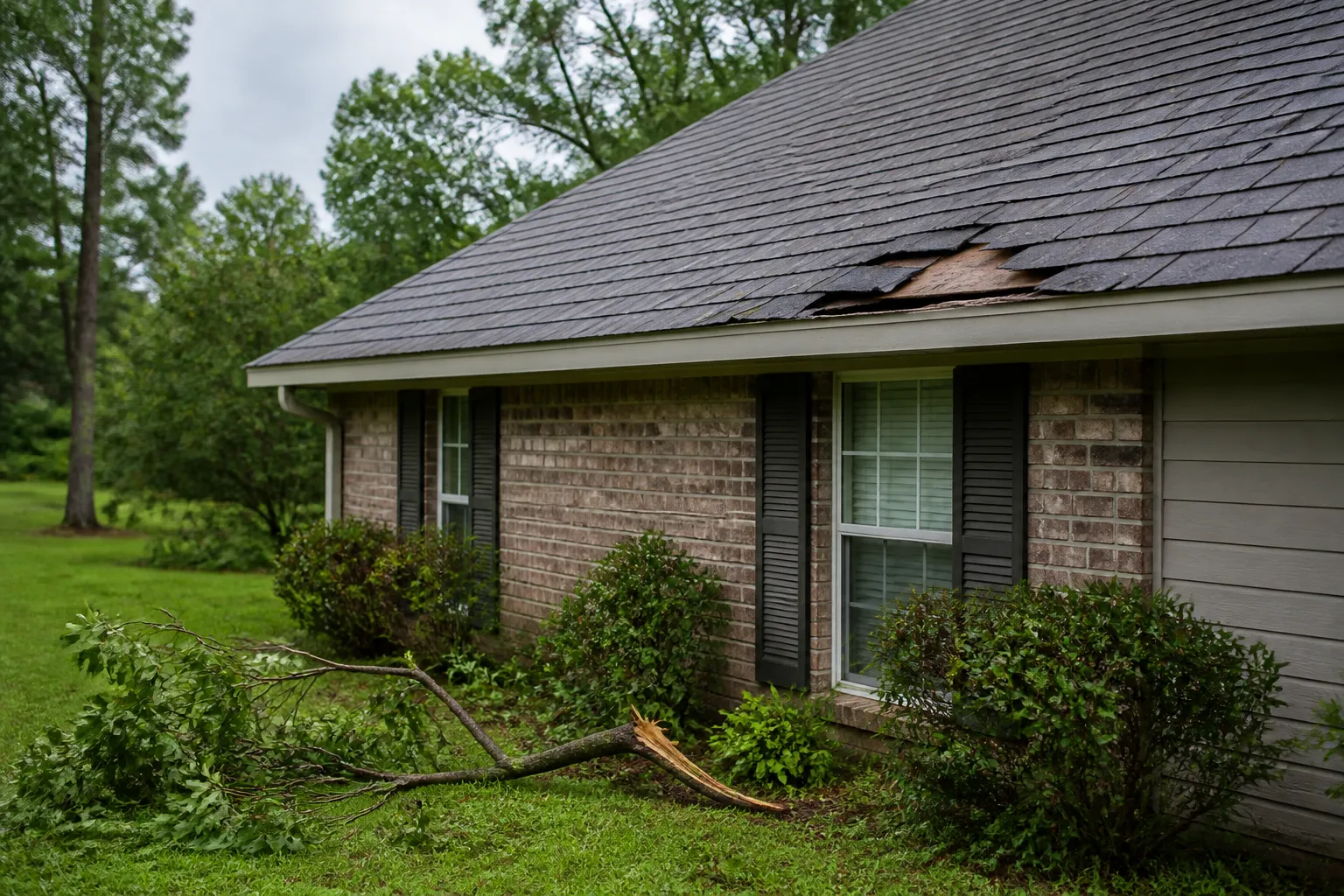
Request an assessment for wind or hail concerns, missing shingles, debris impacts, and leaks at an El Dorado property.
Learn More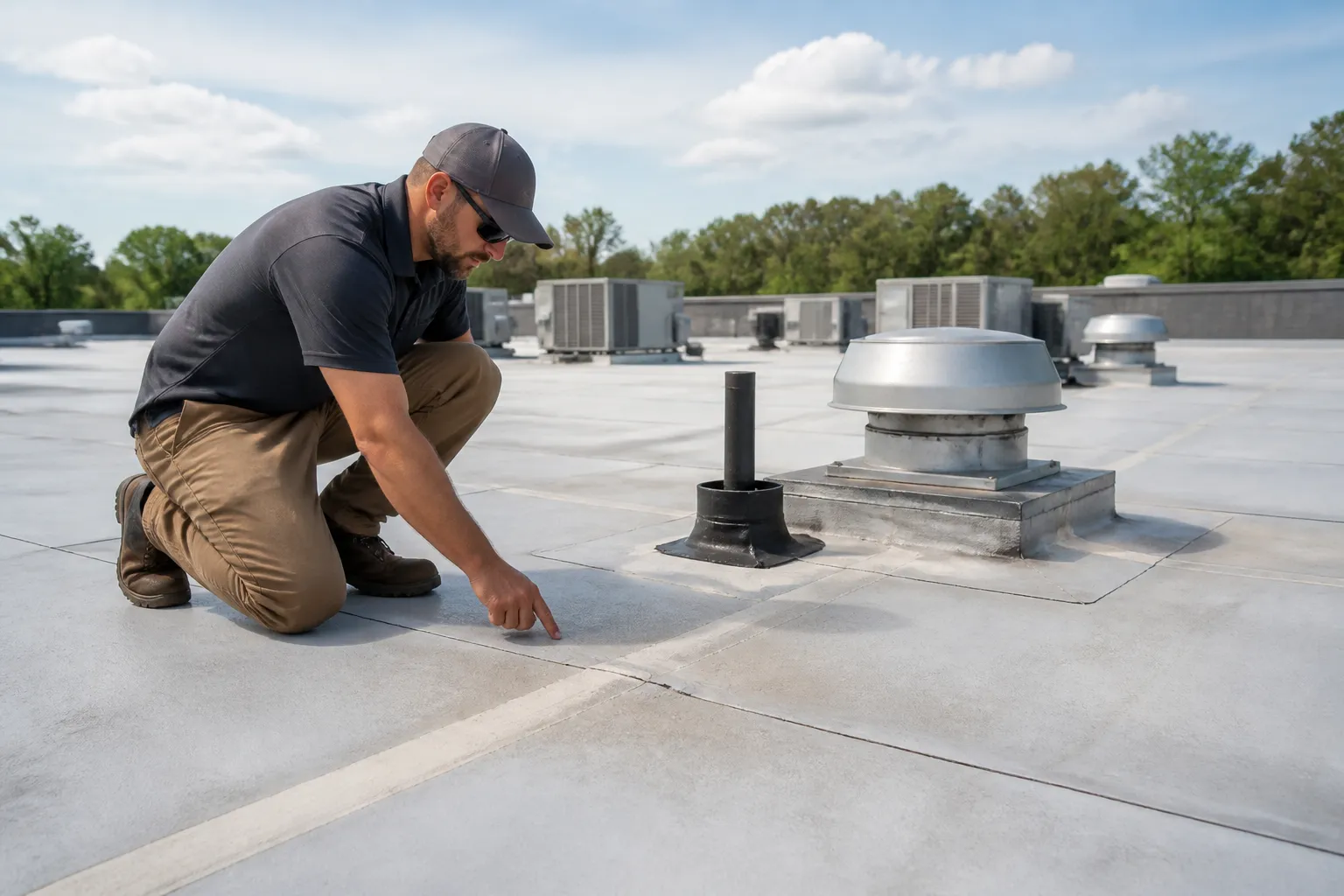
Commercial roofing leak investigation, repair, and replacement planning for El Dorado building owners and property managers.
Learn More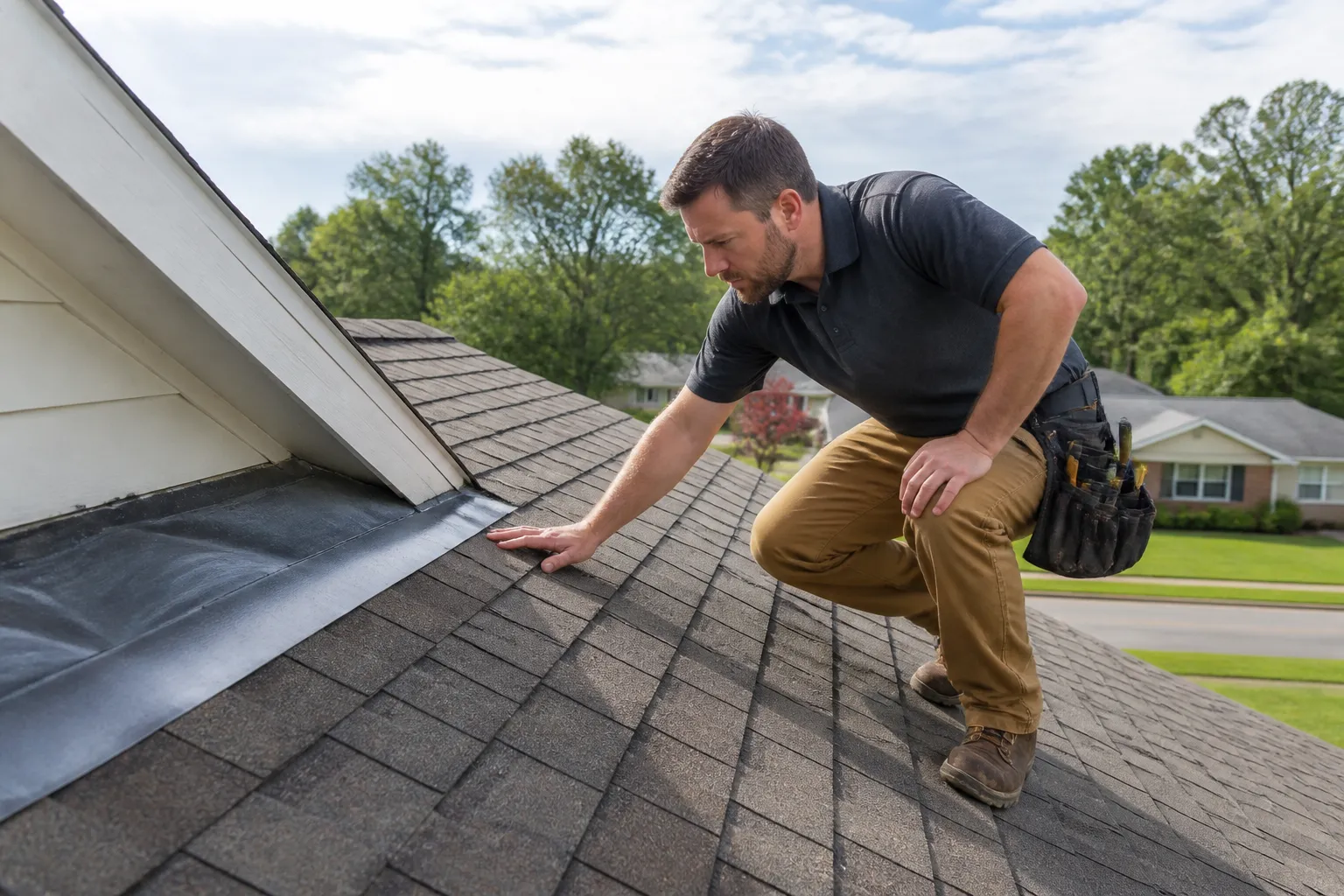
Explore roof replacement in Camden, including roof-condition assessments, material choices, tear-off, and what to review in a written estimate.
Learn More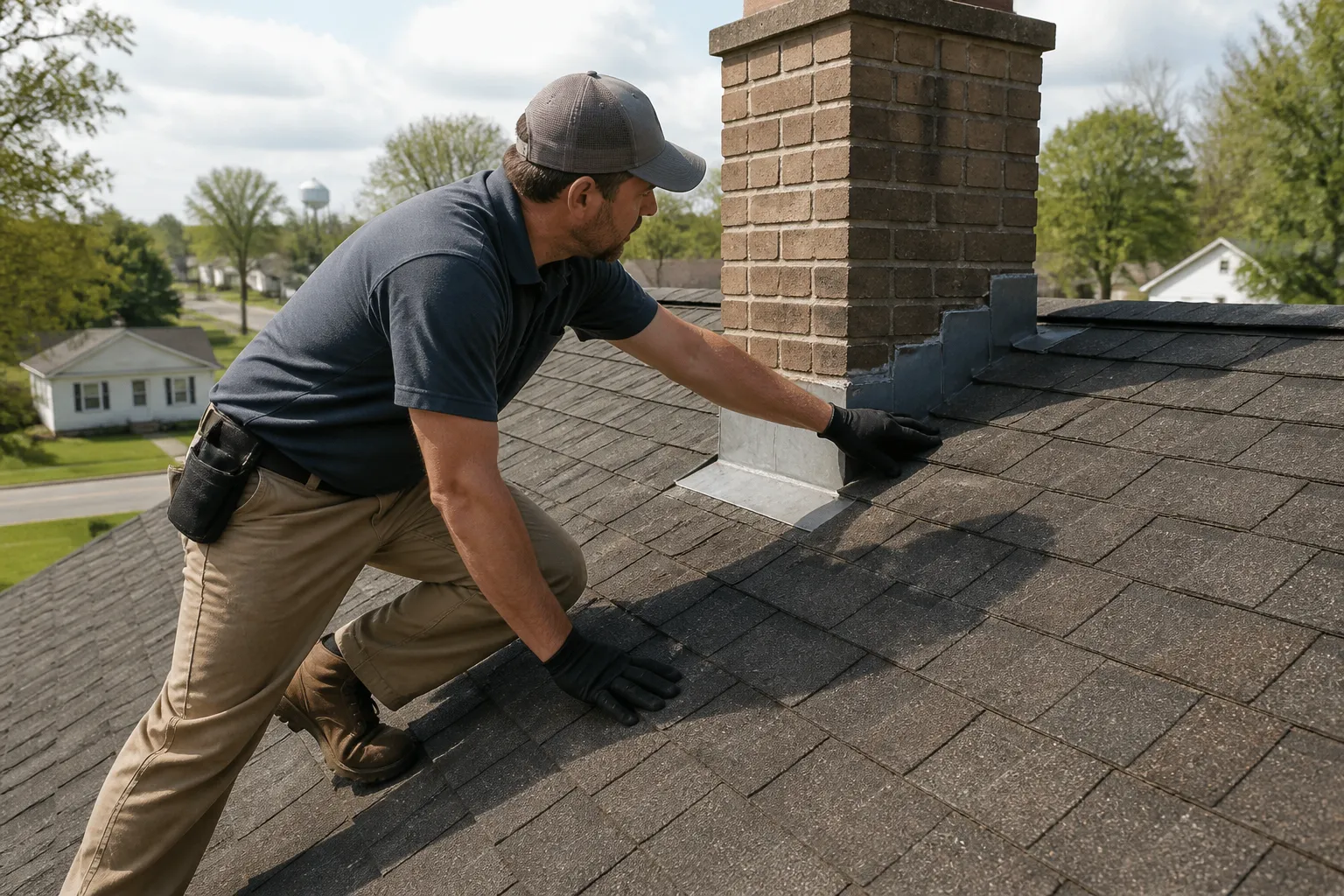
Understand roof repair in Camden, from tracing leaks and checking shingles, flashing, and pipe boots to comparing repair with replacement.
Learn More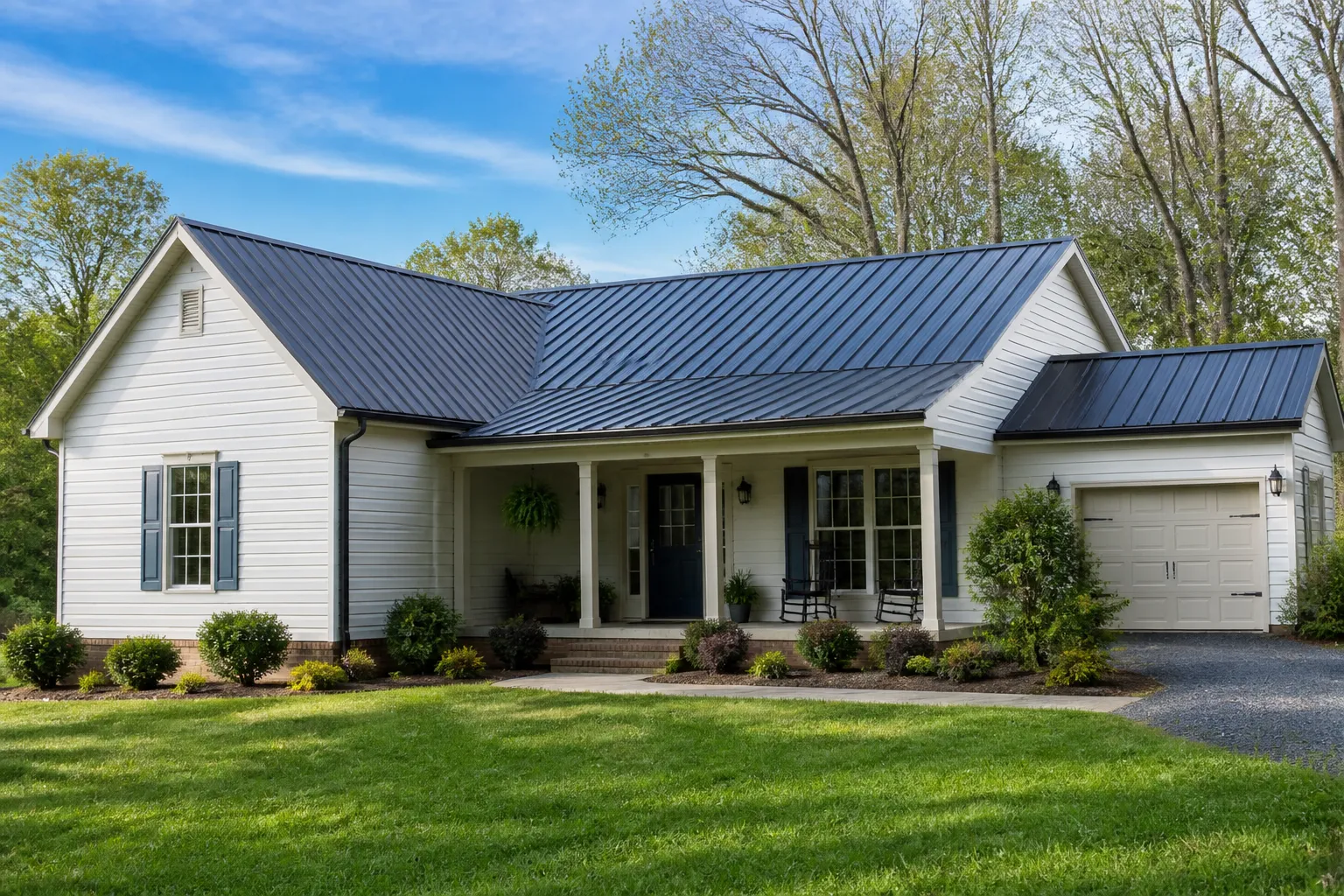
Compare standing-seam and exposed-fastener systems, repairs, roof details, ventilation, and written estimate scopes for Camden properties.
Learn More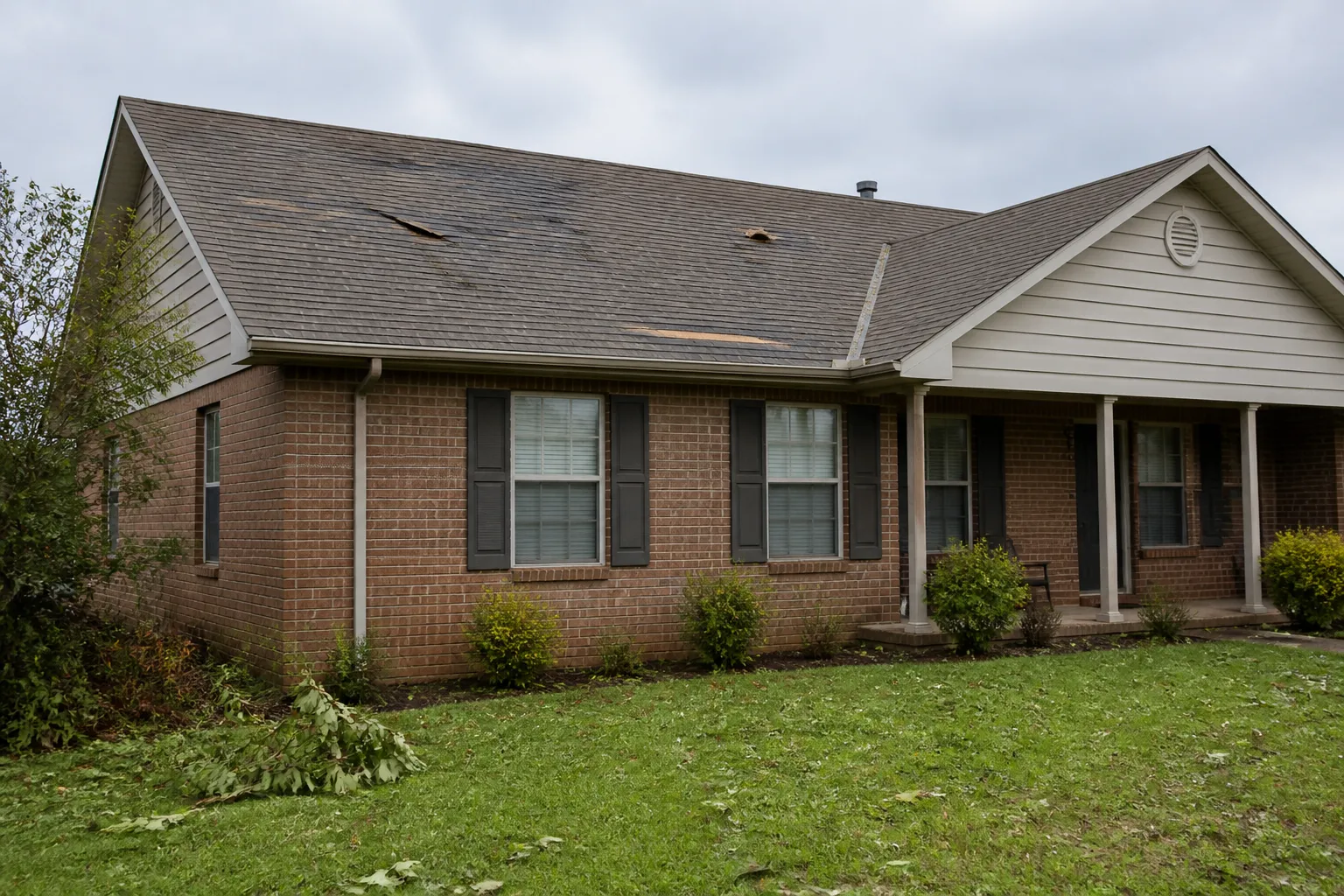
Learn how to document missing shingles, wind or hail concerns, debris impacts, and leaks safely before requesting a Camden roof assessment.
Learn More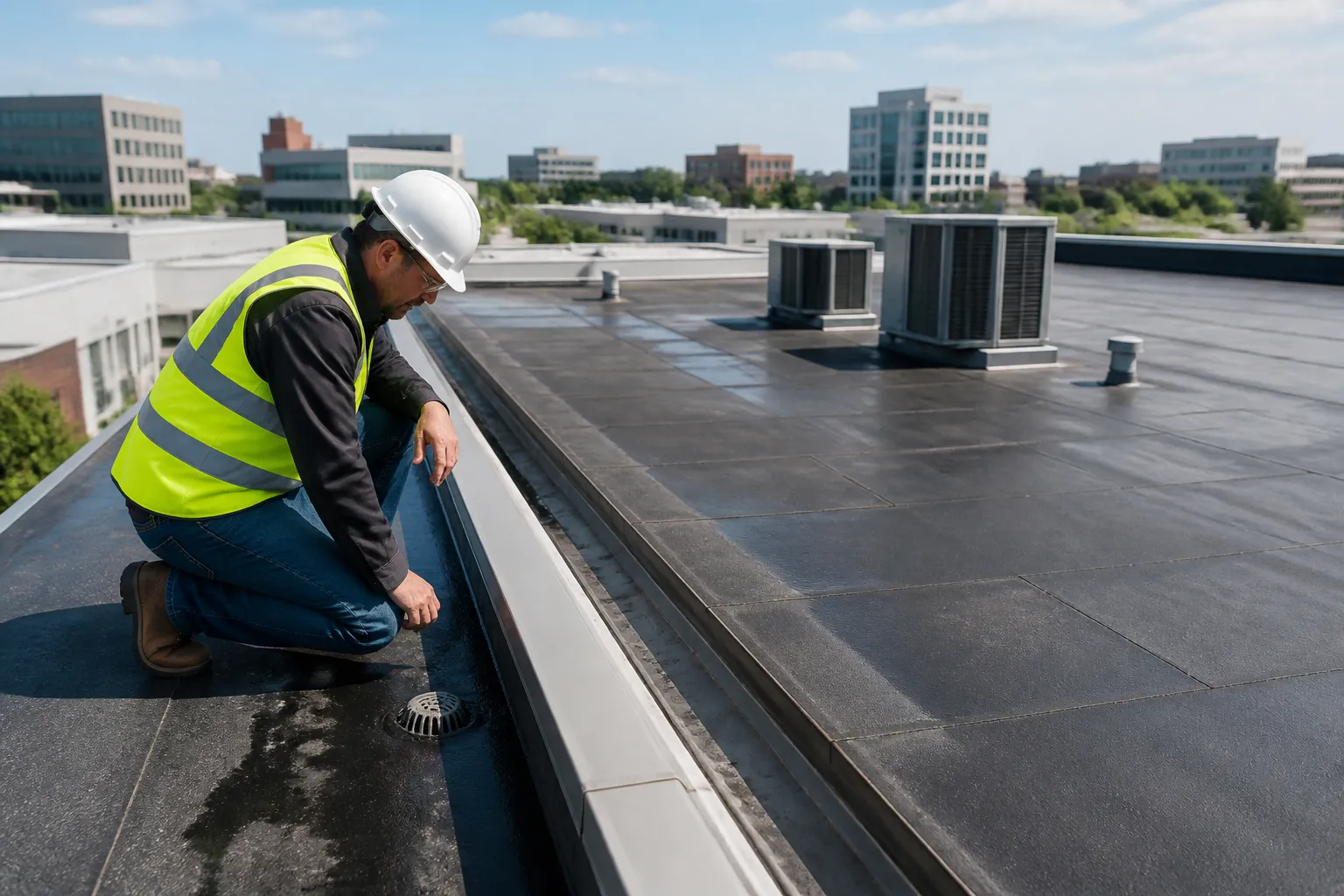
Commercial roof assessments, leak investigation, repair and replacement planning, metal and low-slope systems, drainage, and maintenance considerations for Camden property owners and managers.
Learn More
Understand roof condition, repair-versus-replacement options, materials, tear-off, and estimate scope for a Magnolia property.
Learn More
Understand leak investigation, common roof repair points, earlier patches, repair limitations, and when replacement may be worth discussing in Magnolia.
Learn More
Learn how to document storm-related roof concerns safely, understand assessment findings, and compare repair and replacement scopes in Magnolia.
Learn More
Compare metal roofing systems, repairs, ventilation, condensation considerations, and written estimate details for a Magnolia property.
Learn More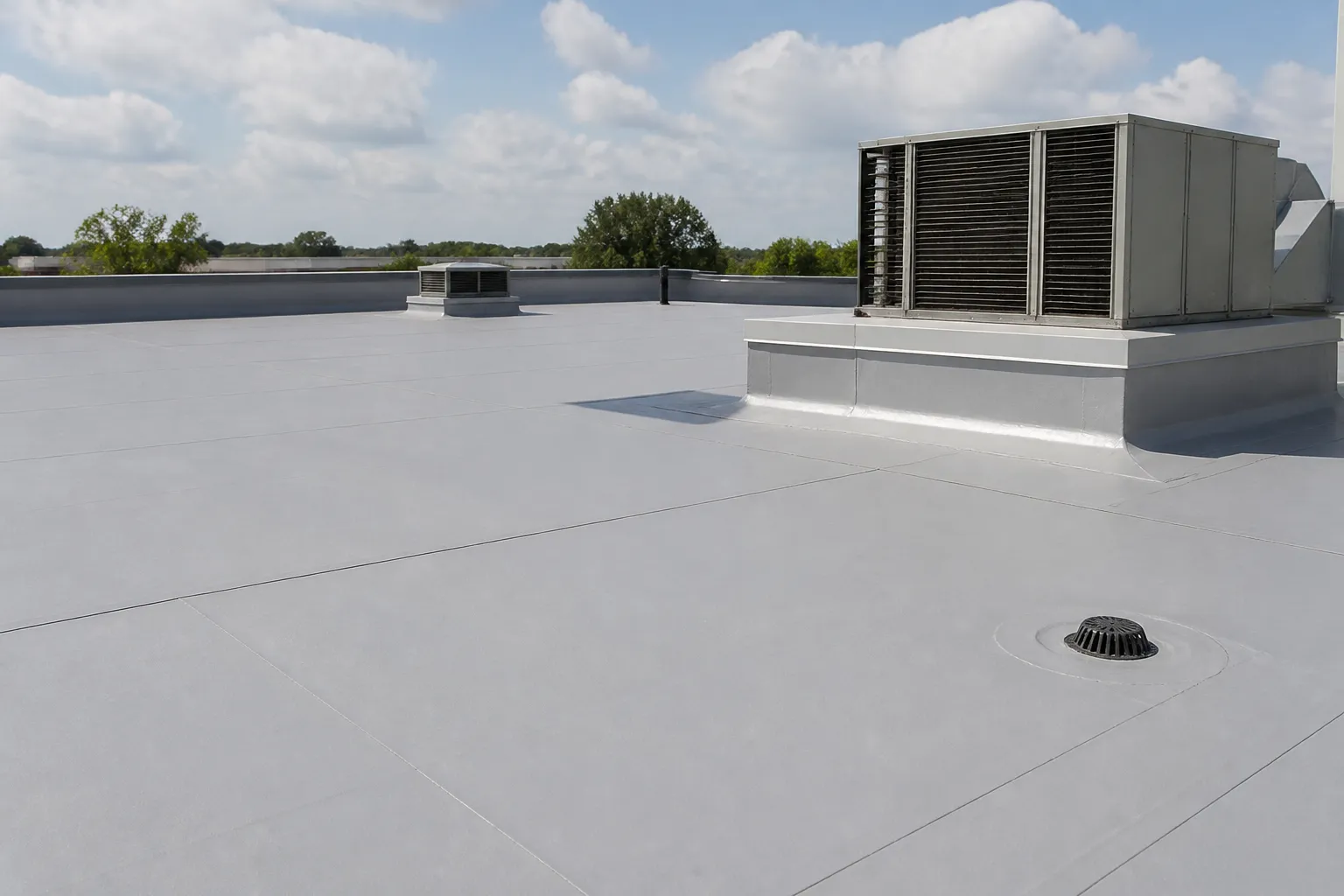
Commercial roof assessments, leak investigation, repair and replacement options, and project planning for Magnolia building owners and property managers.
Learn More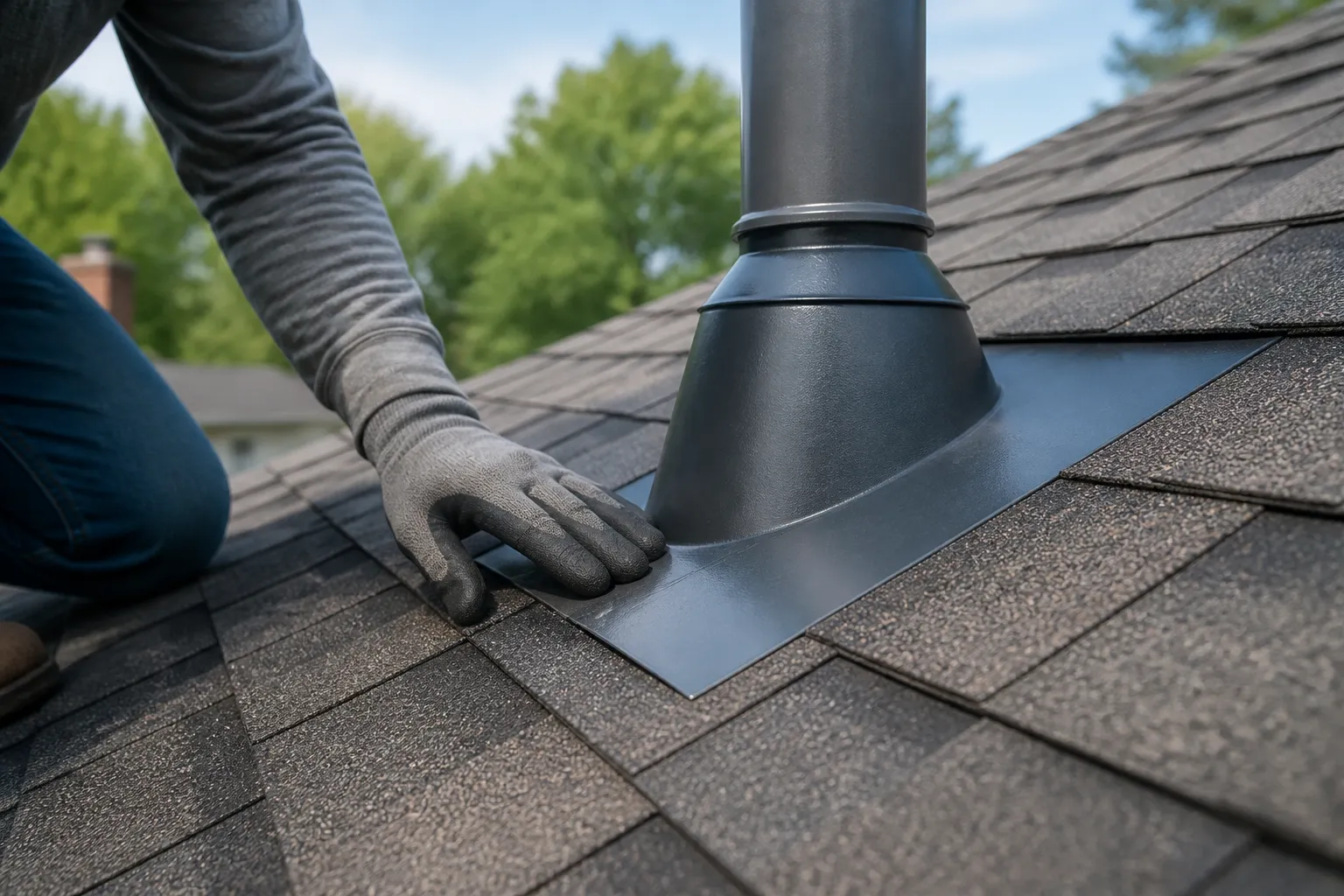
Explore roof leak diagnosis, shingle, flashing, and pipe-boot repairs in Hope, AR, and how to compare repair with replacement.
Learn More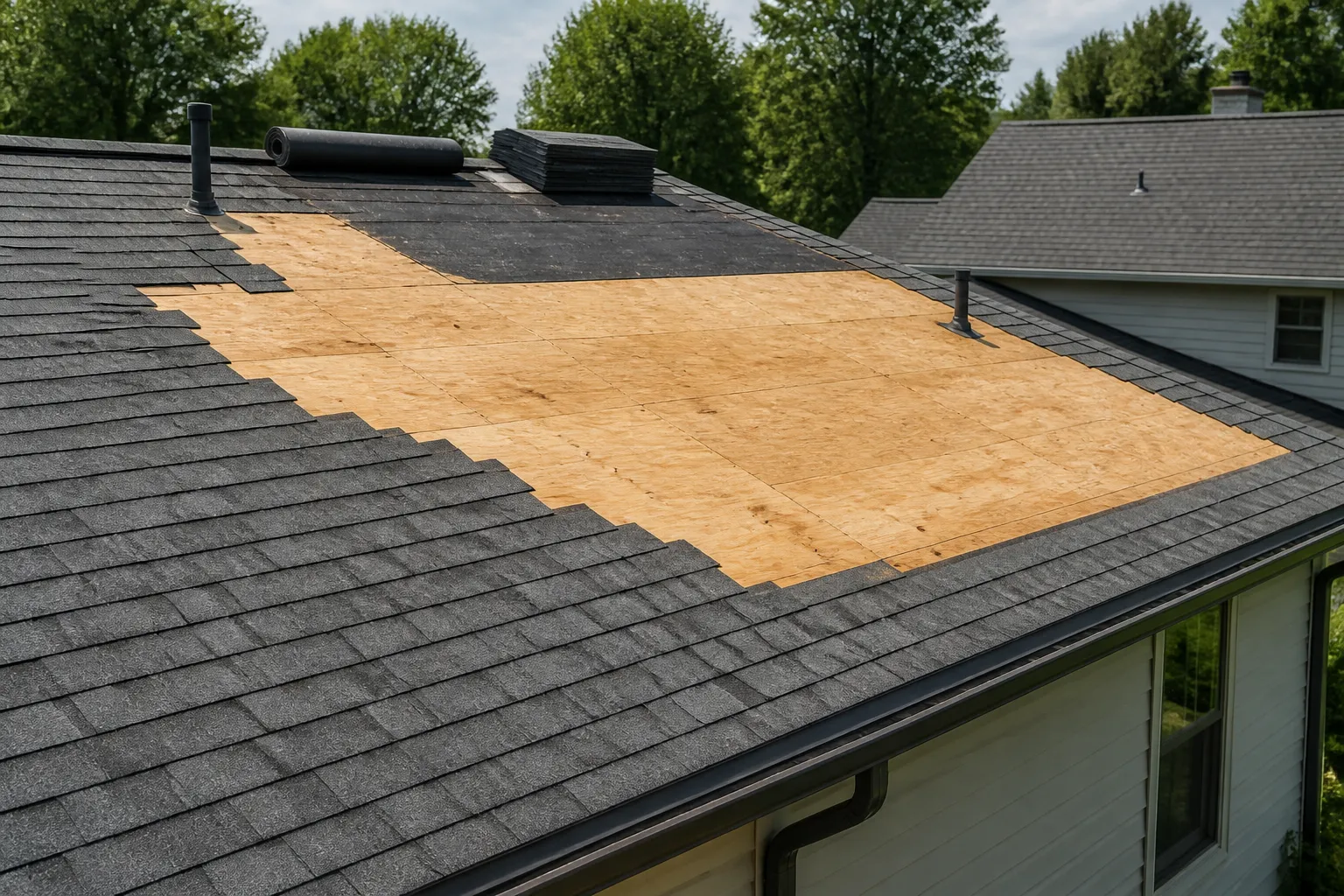
Review roof-condition assessments, repair-versus-replacement choices, materials, decking, flashing, ventilation, cleanup, and estimates for Hope properties.
Learn More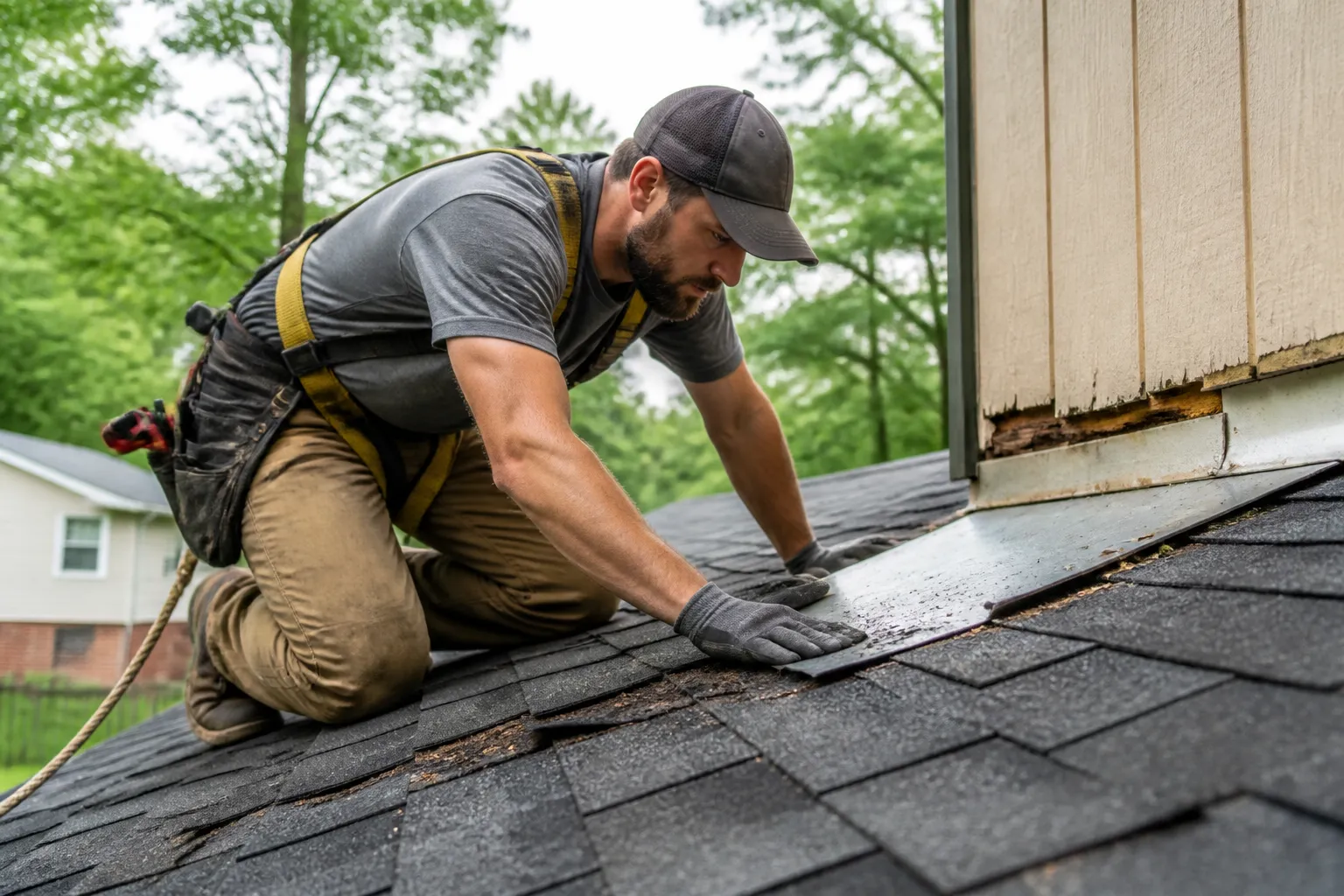
Get a roof concern assessed and discuss repair options for your Arkadelphia property with an independent roofing contractor.
Learn More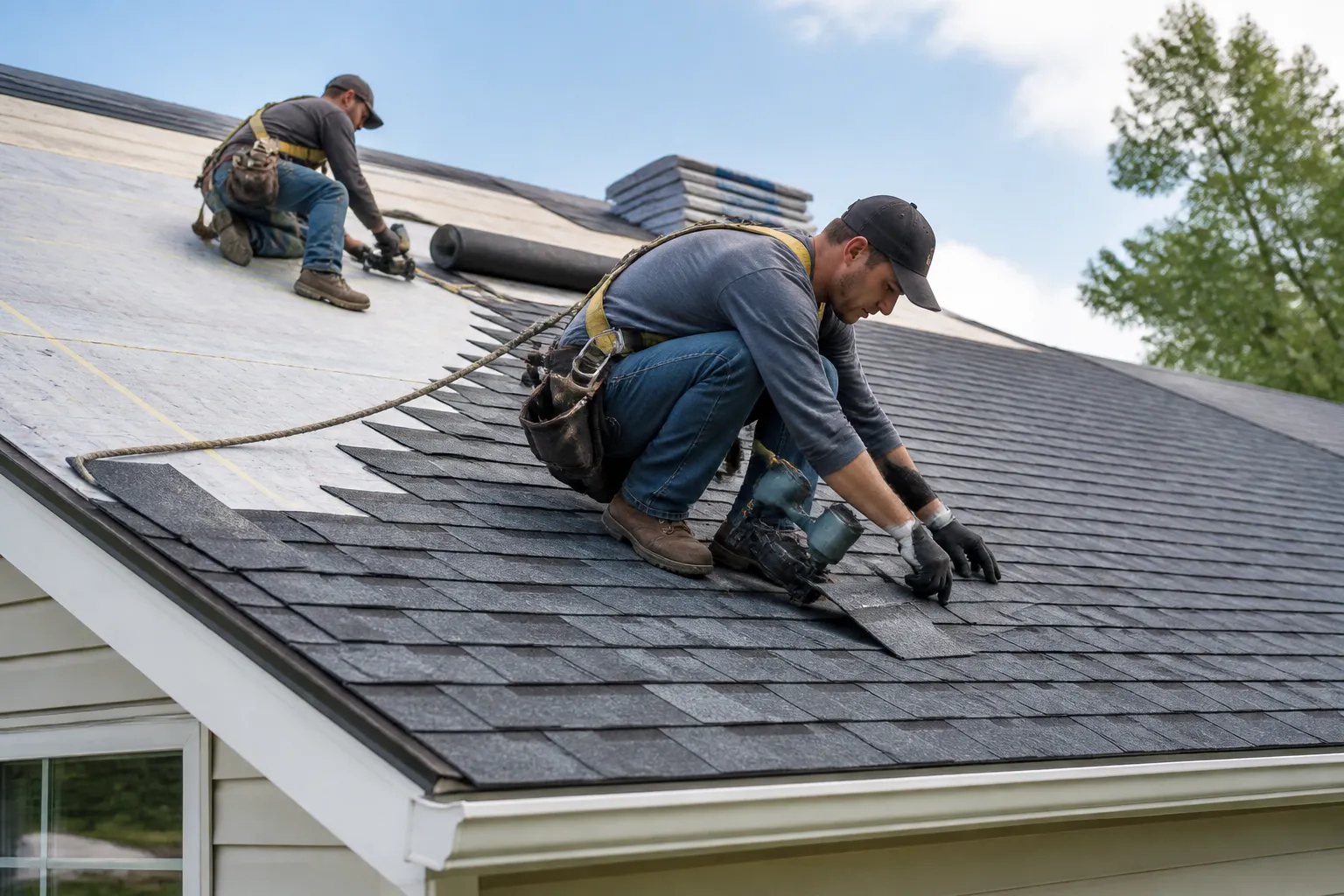
Compare roof repair and replacement options, materials, removal, decking, and installation scope for your Arkadelphia property.
Learn More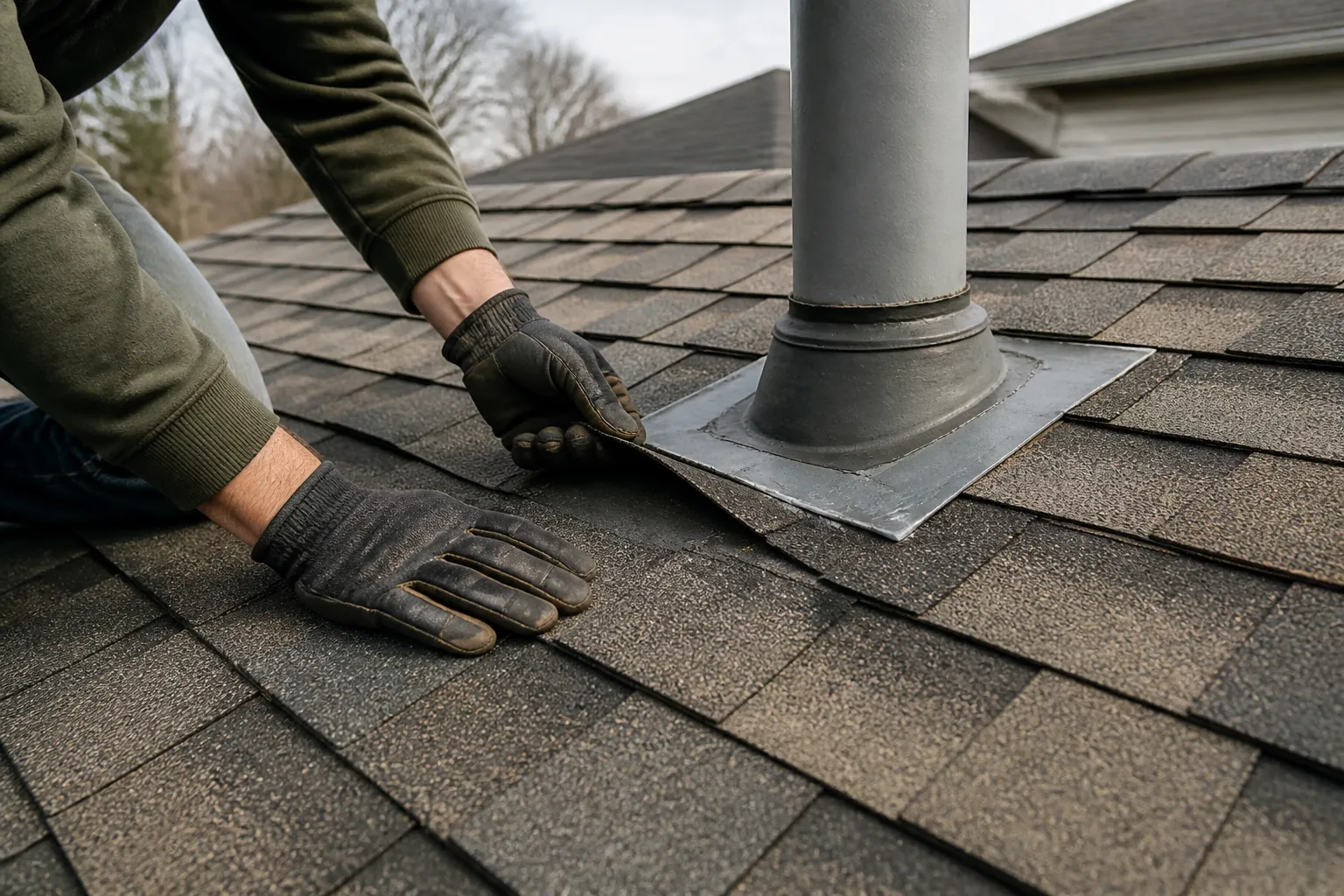
Understand roof leak assessment, shingles, flashing, pipe boots, prior patches, and when to compare repair with replacement for a Malvern property.
Learn More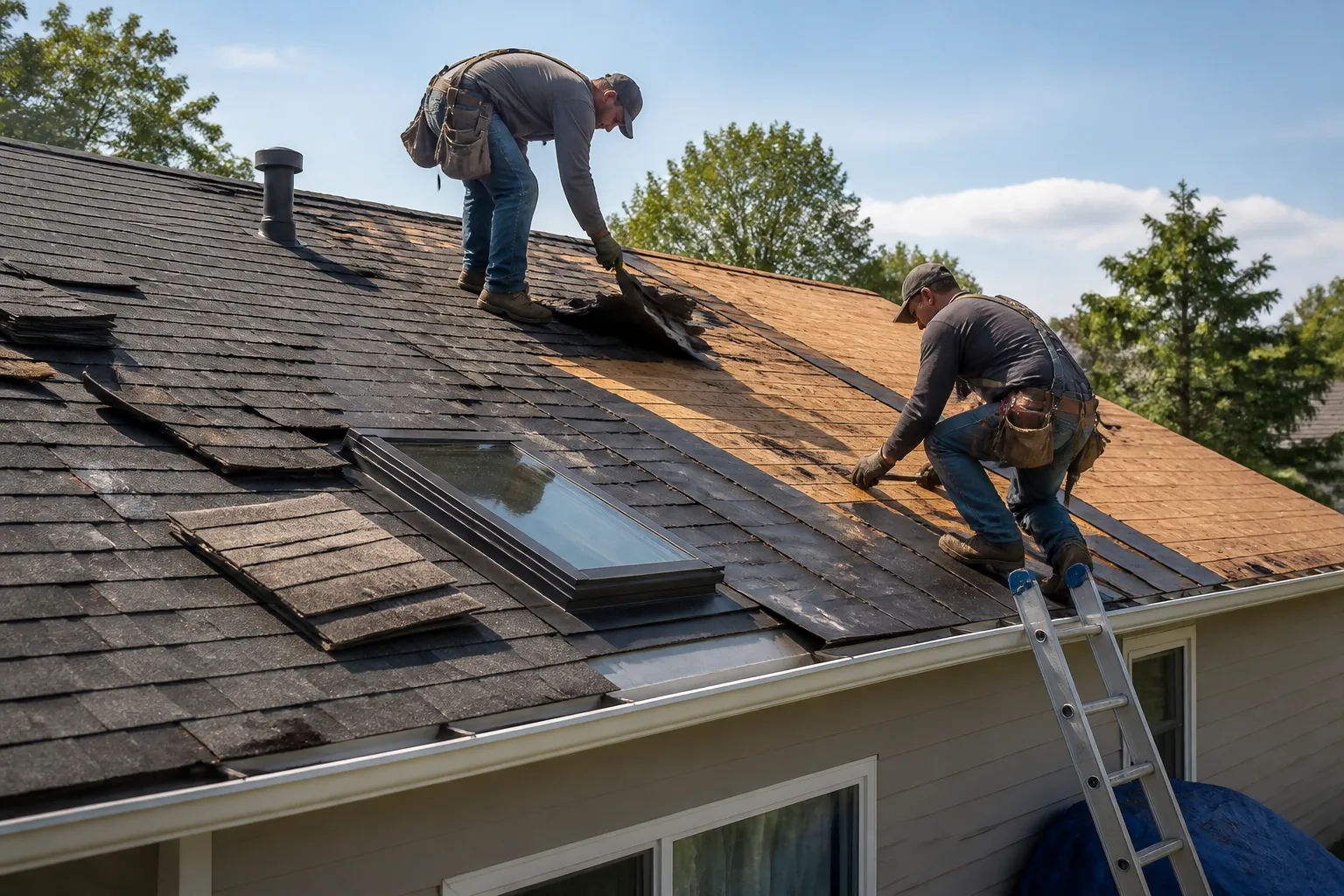
Review roof-condition findings, repair-versus-replacement options, materials, tear-off, decking, flashing, ventilation, and written estimates for a Malvern property.
Learn More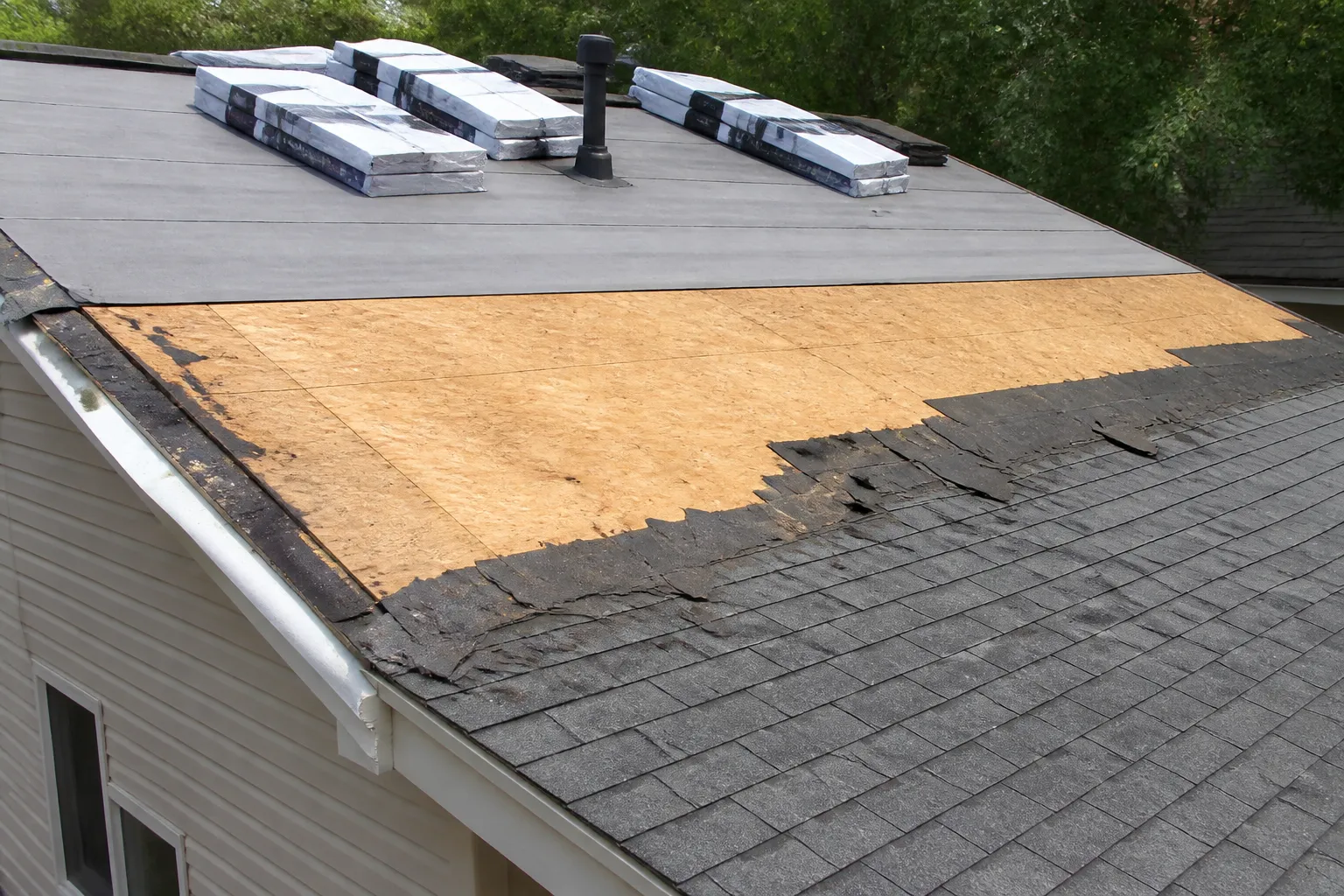
Review roof-condition assessments, repair-versus-replacement choices, materials, tear-off, decking, flashing, ventilation, disposal, cleanup, and written estimates for a Stuttgart property.
Learn More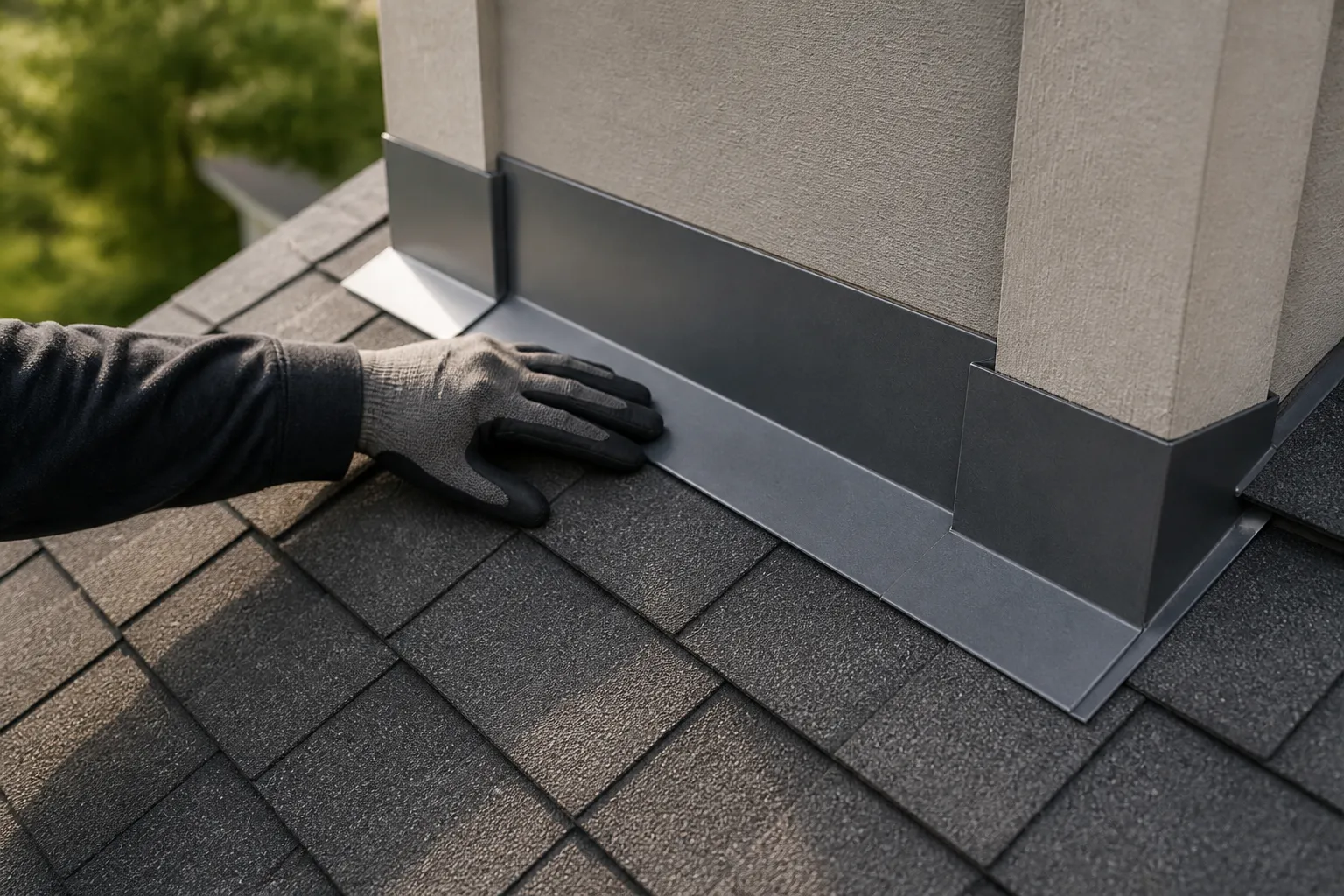
Understand leak investigation, damaged shingles, flashing, pipe boots, previous patches, safe documentation, and when to compare repair with replacement for a Stuttgart property.
Learn More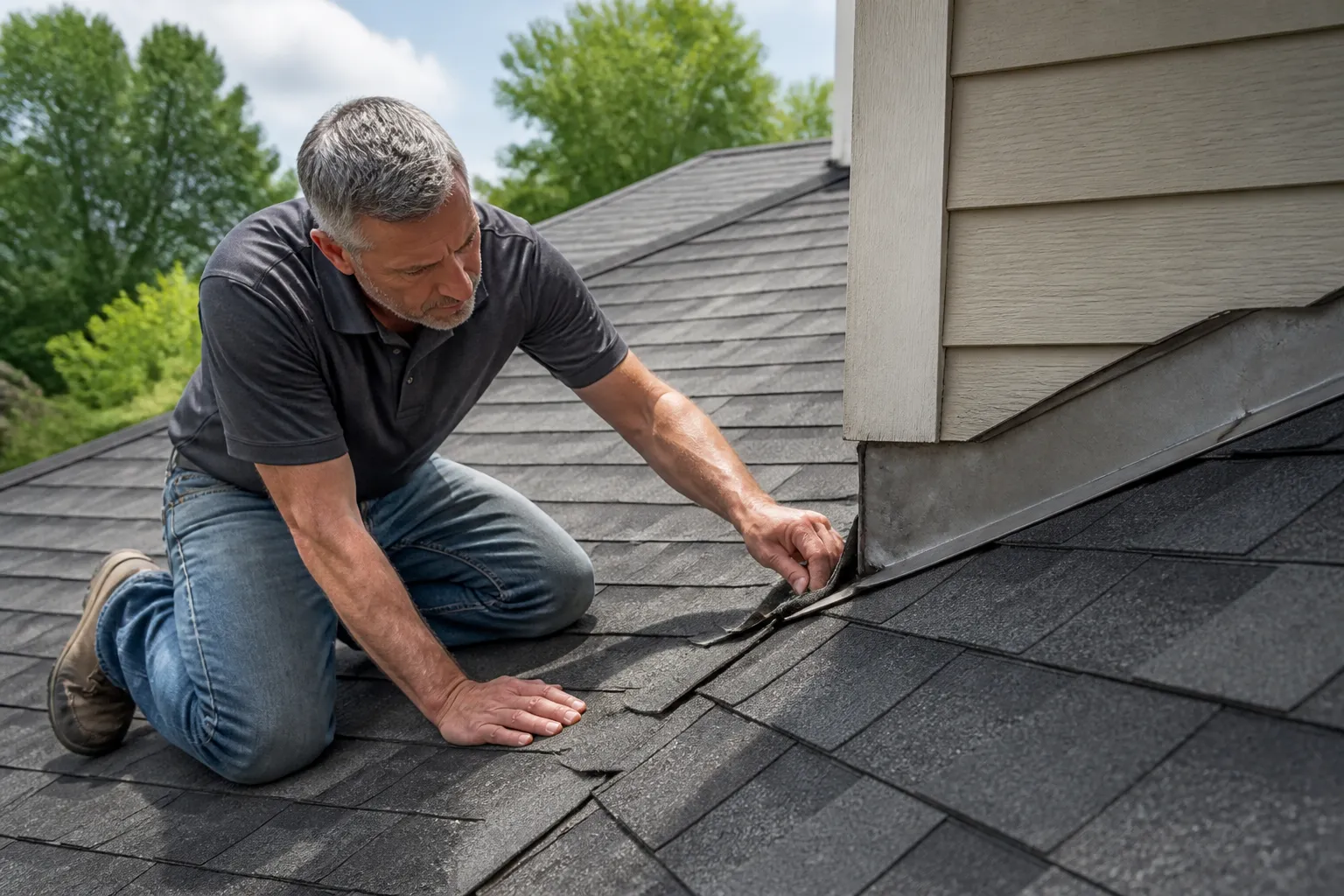
Practical guidance for assessing roof leaks, damaged shingles, flashing, pipe boots, recurring patches, and whether repair or replacement deserves closer review.
Learn More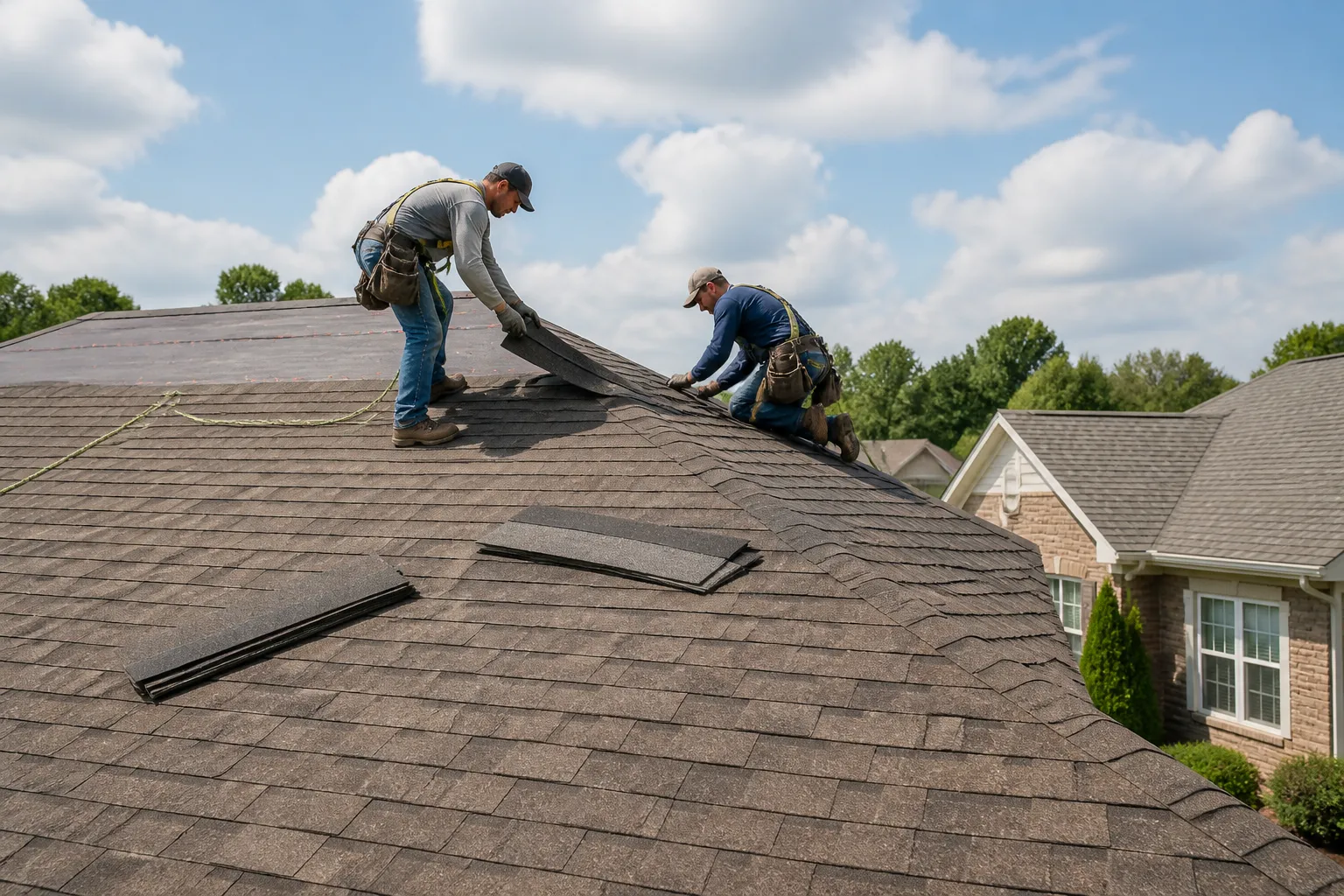
Learn how roof condition, tear-off, decking, materials, flashing, ventilation, cleanup, and approval of added work fit into a replacement proposal.
Learn More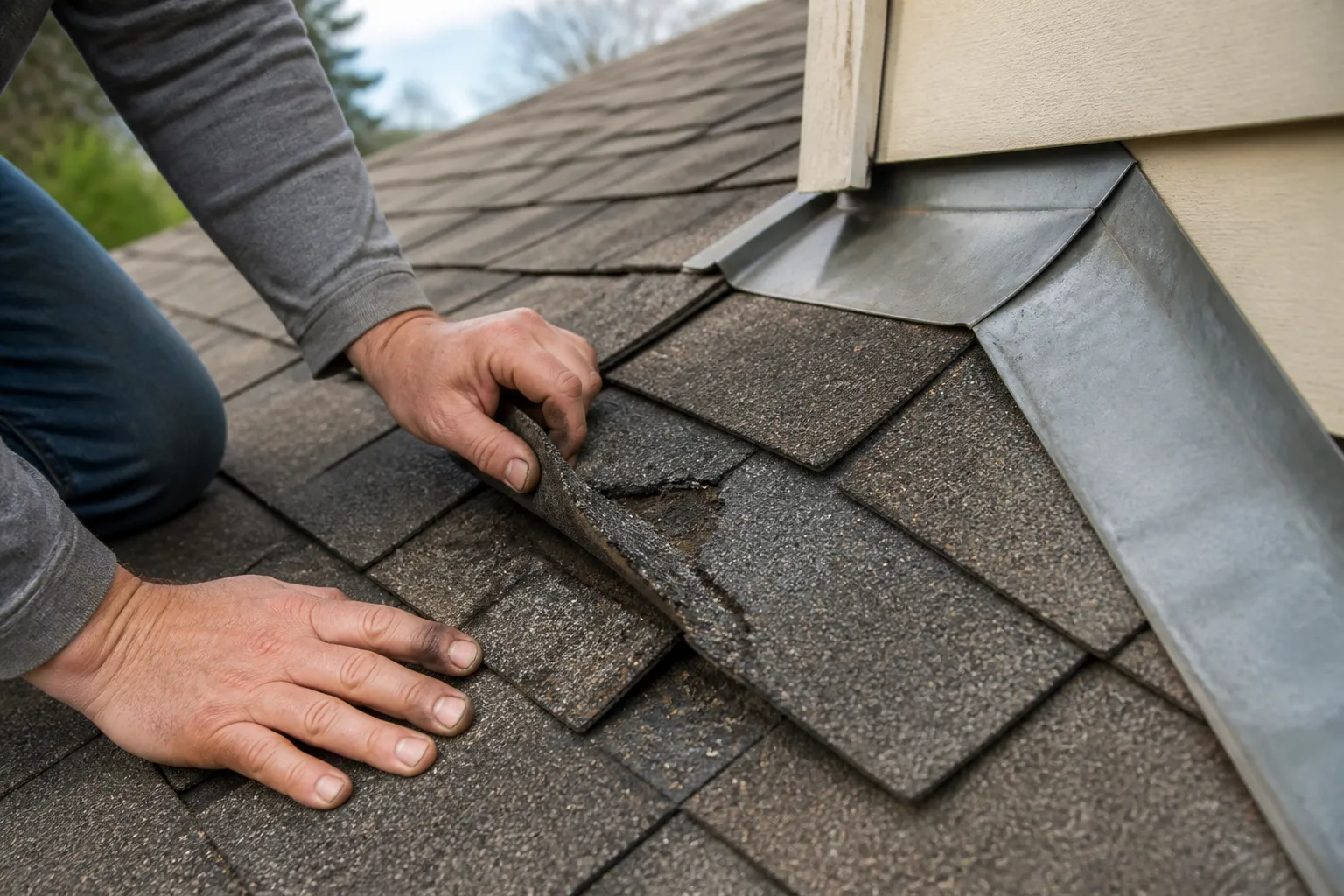
Clear guidance on leak diagnosis, shingle and flashing damage, pipe boots, recurring patches, and when a repair may no longer address the roof’s condition.
Learn More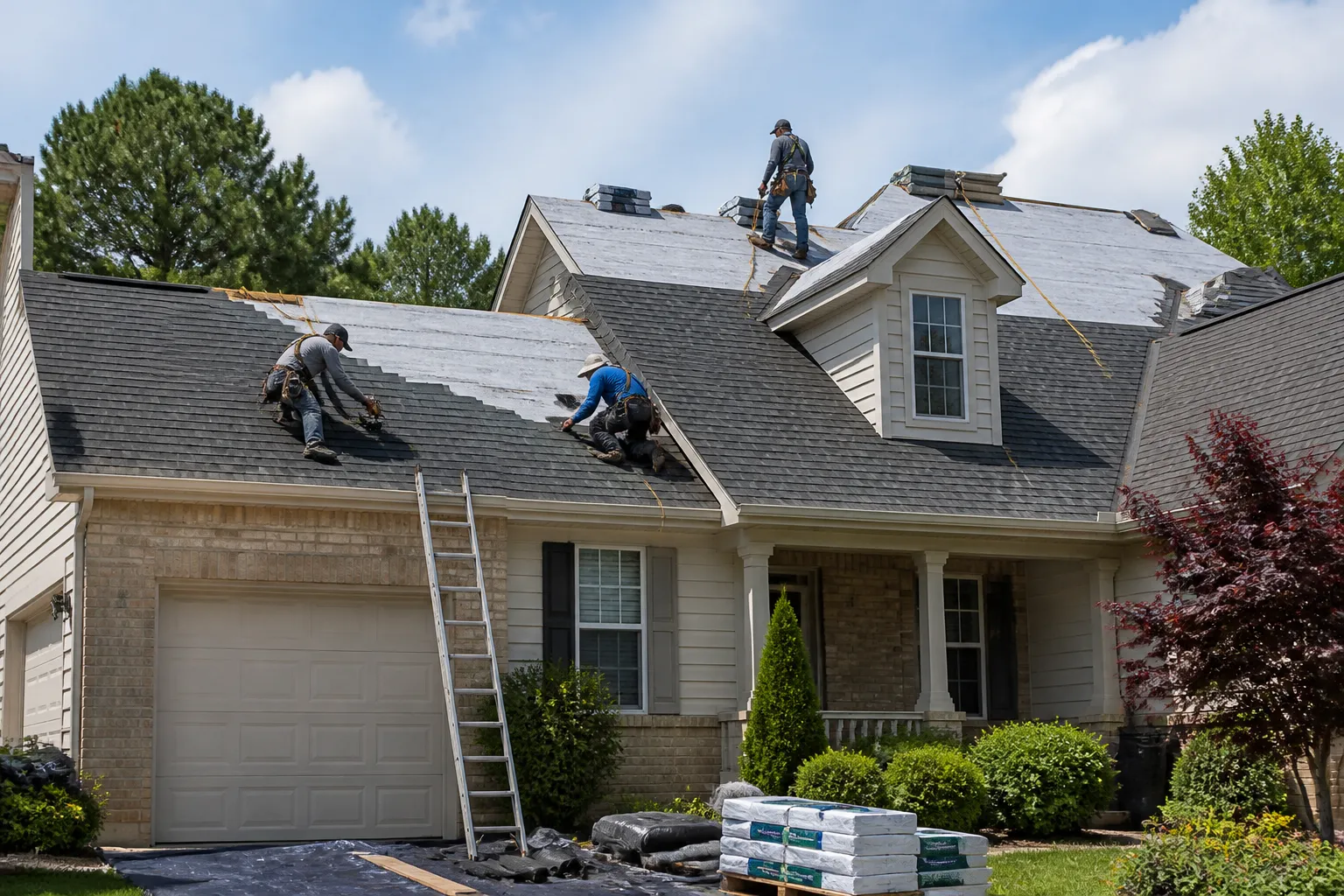
Understand roof condition, repair-versus-replacement options, tear-off, decking, materials, flashing, ventilation, cleanup, and estimate comparisons.
Learn More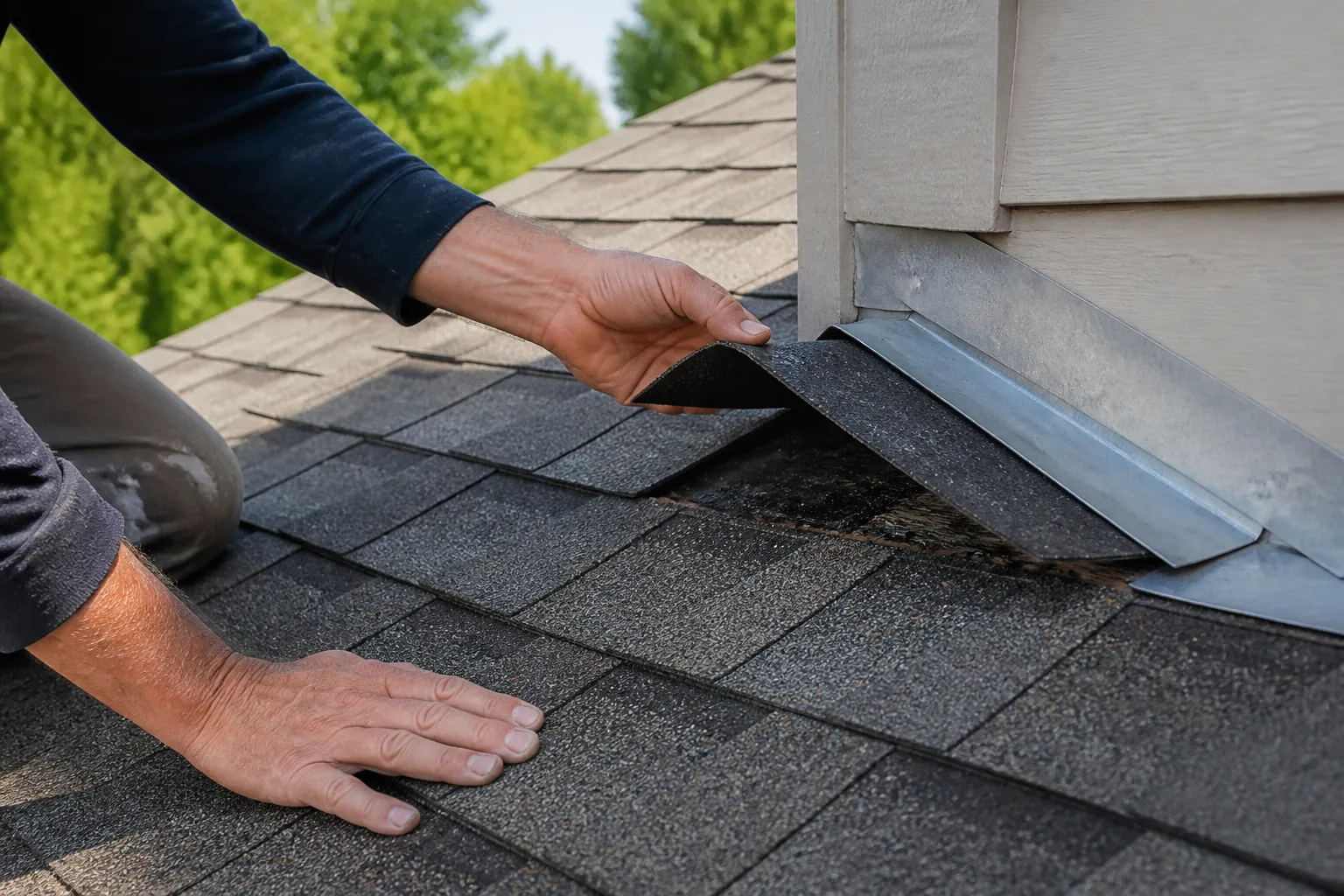
Understand leak sources, shingle and flashing damage, pipe boots, earlier patches, repair limits, safe documentation, and when replacement may be worth comparing for a Harrison property.
Learn More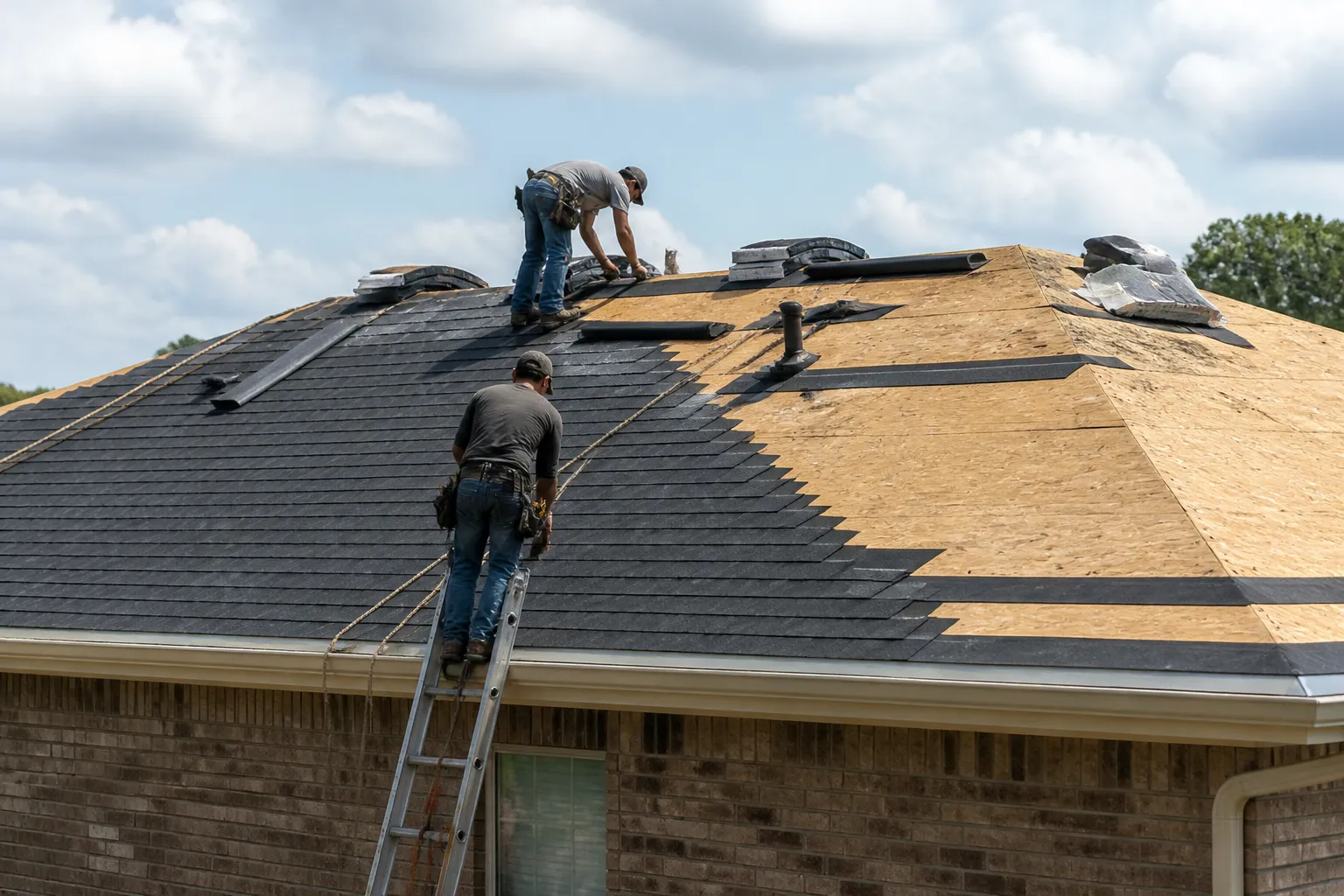
Review roof condition, repair versus replacement, removal, decking, materials, flashing, ventilation, written estimates, and approval of added work for a Harrison property.
Learn More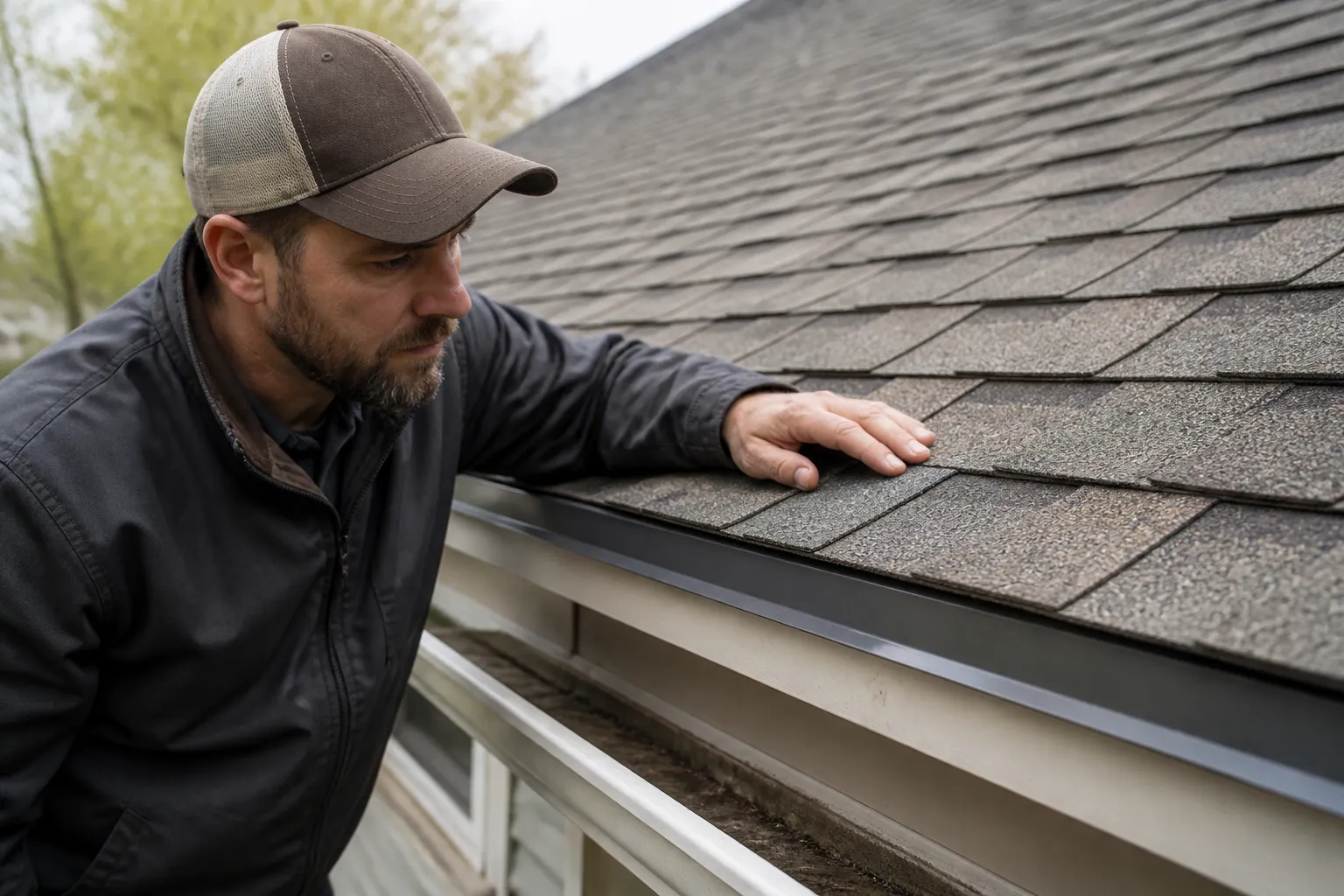
Get clear guidance for leaks, damaged shingles, flashing concerns, and recurring roof problems in Mountain Home, Arkansas.
Learn More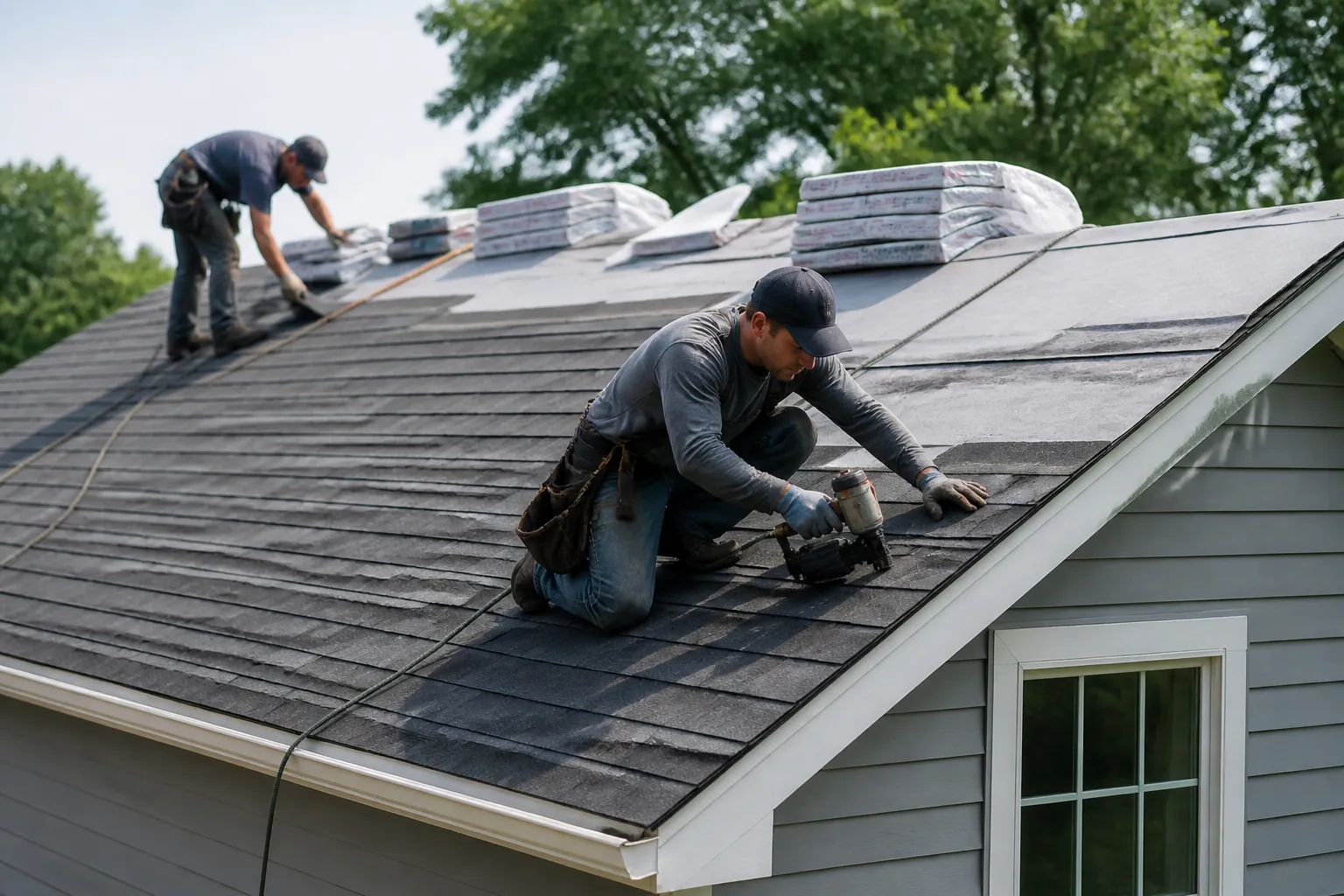
Compare roof replacement scopes, materials, decking, flashing, ventilation, and cleanup for a Mountain Home property.
Learn More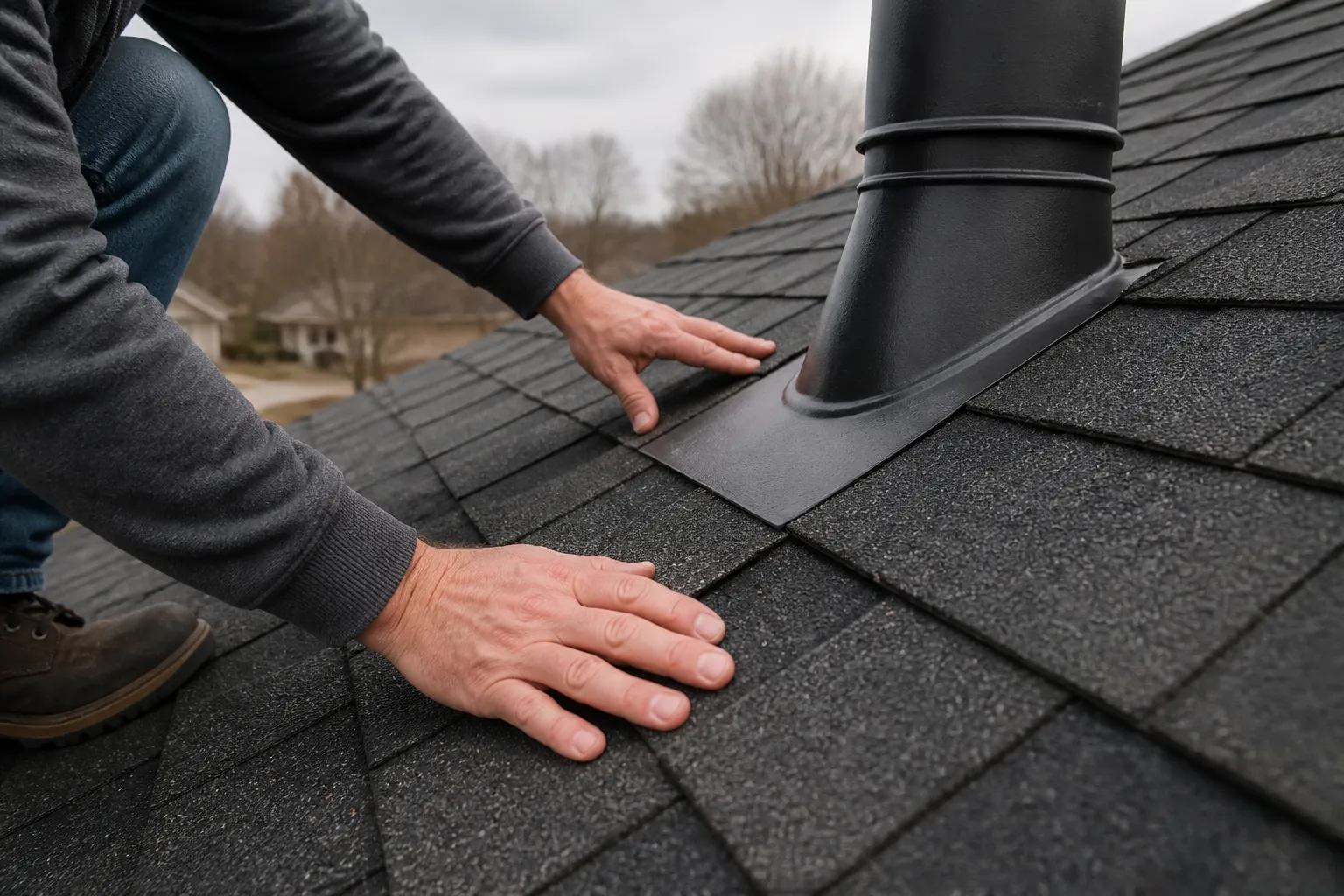
Understand how roof leaks, shingles, flashing, pipe boots, and recurring damage are assessed, and when repair may be preferable to replacement in Paragould.
Learn More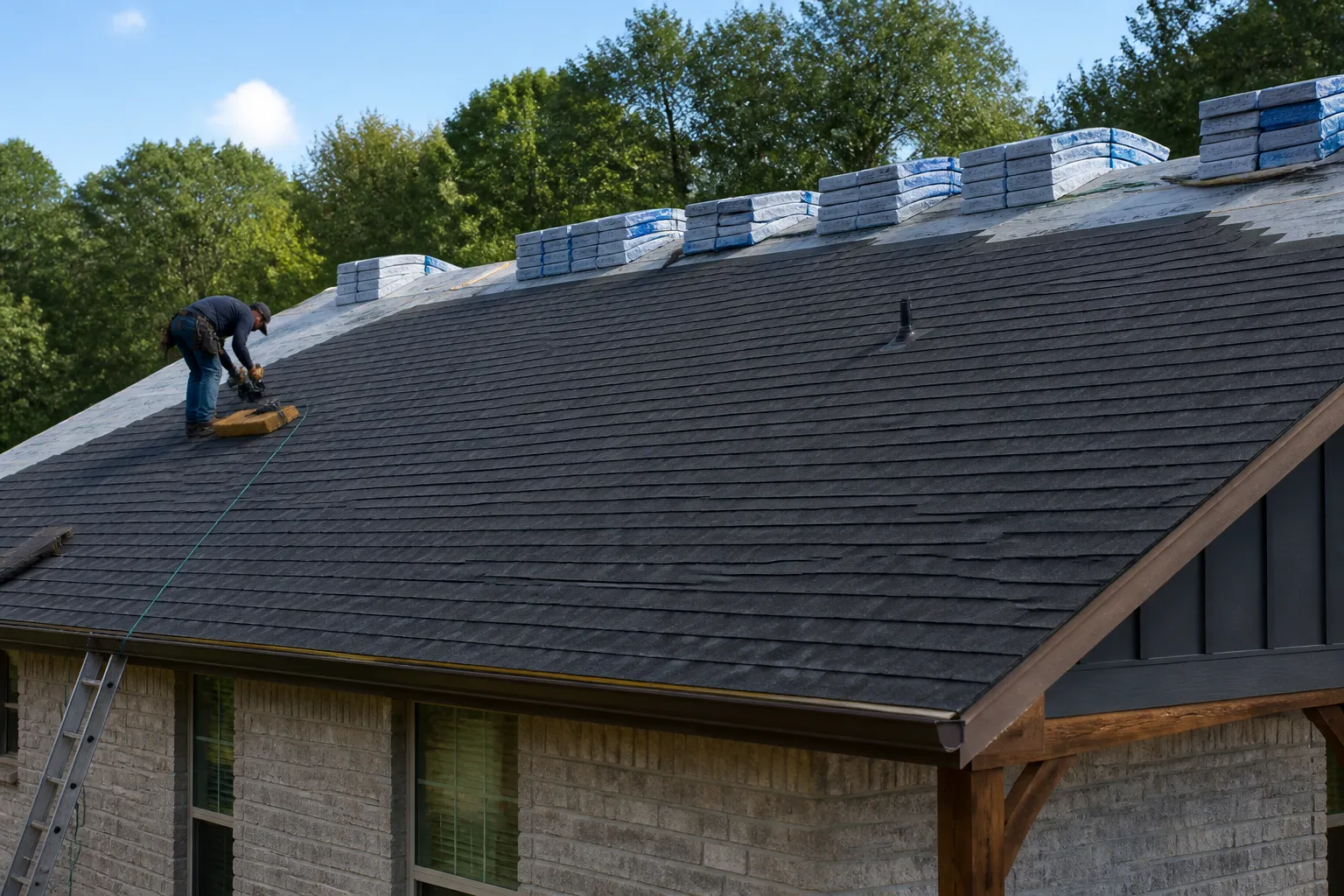
Compare roof replacement options in Paragould, including roof condition, removal, decking, flashing, ventilation, materials, installation, cleanup, and written scope.
Learn More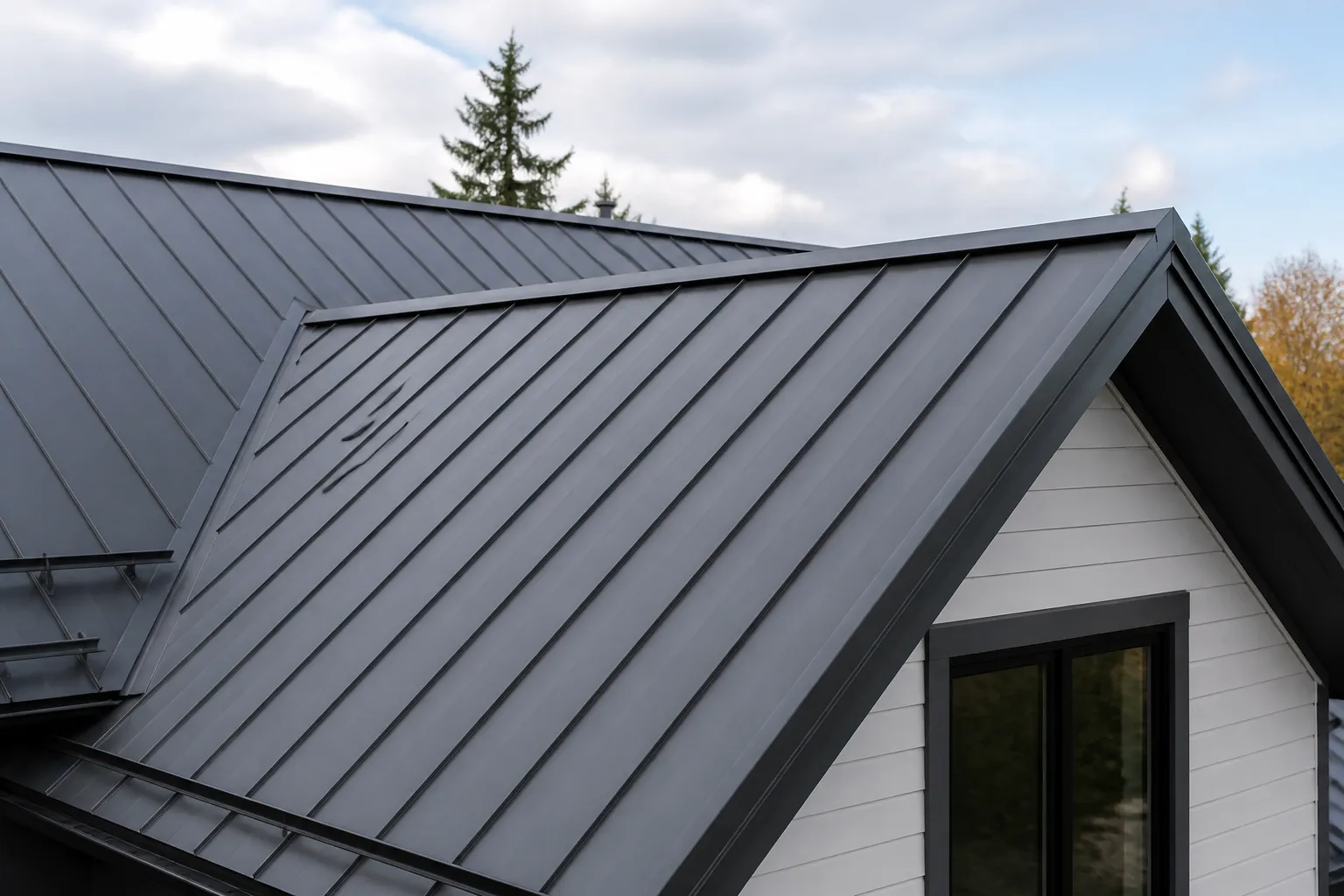
Compare metal roof panel systems, fastening, flashing, ventilation, and repair considerations for a Paragould property.
Learn More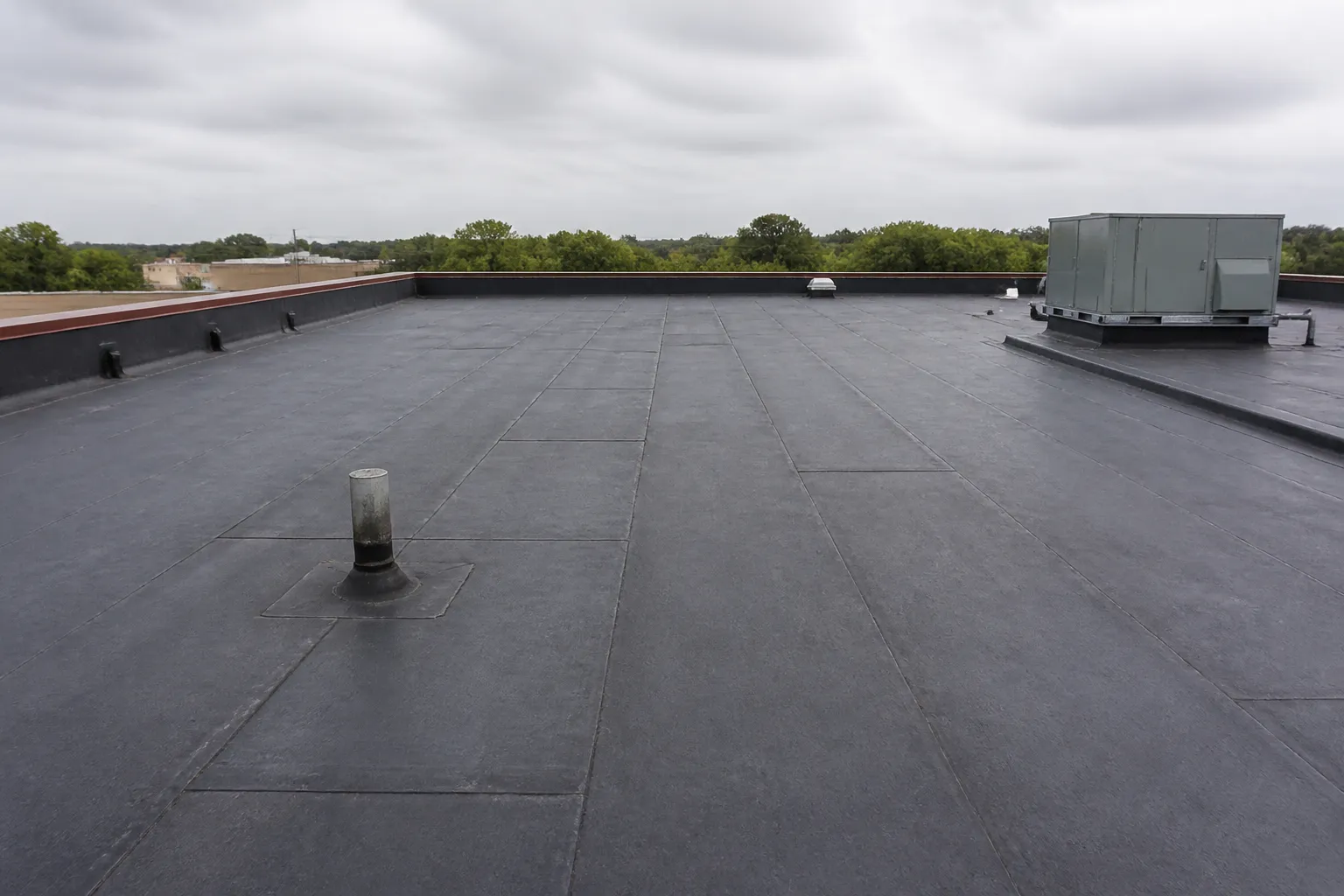
Review commercial roof leaks, system condition, drainage, access, and repair or replacement planning for a Paragould property.
Learn More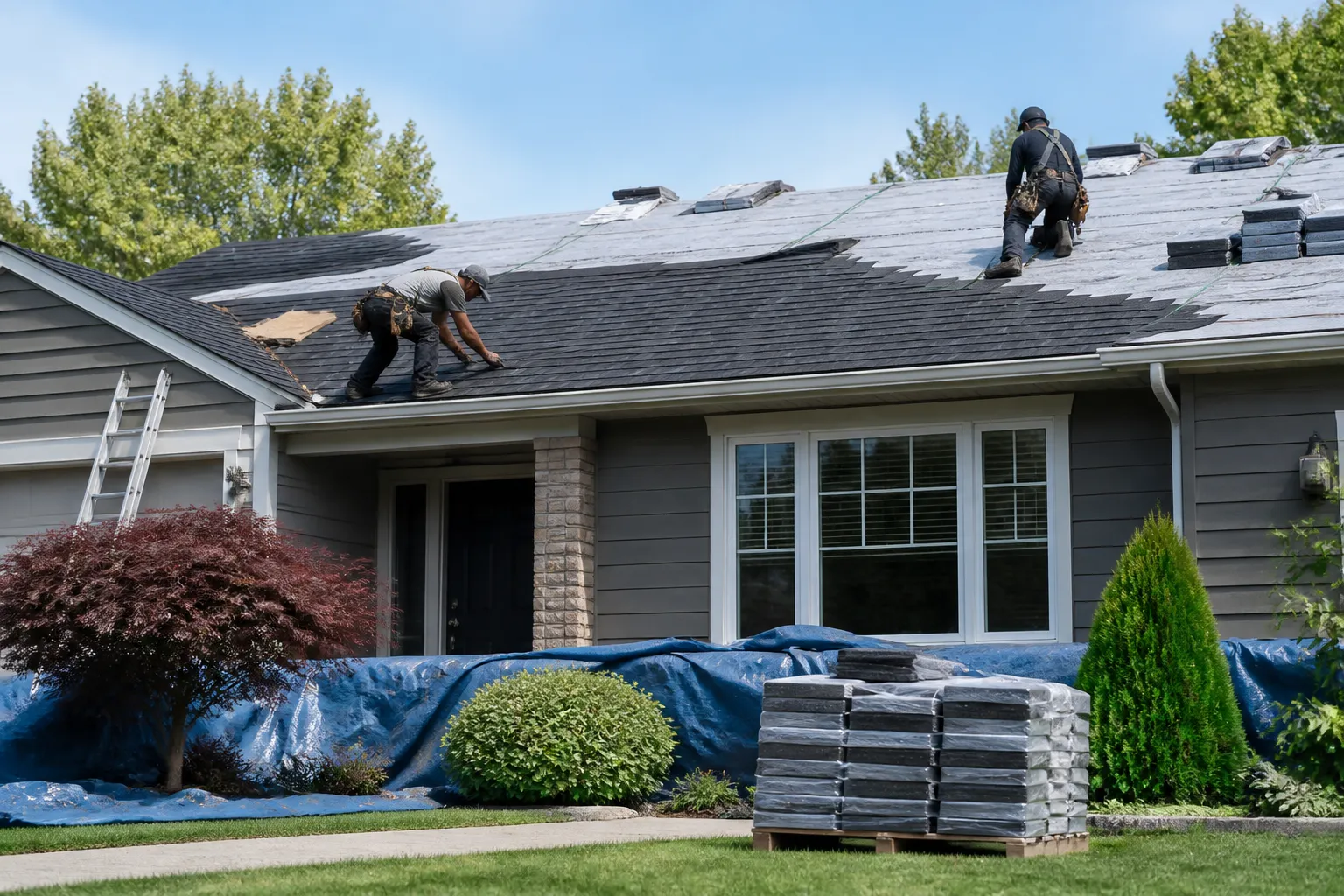
Review roof condition, removal, materials, decking, and proposal details when comparing roof replacement options in Russellville.
Learn More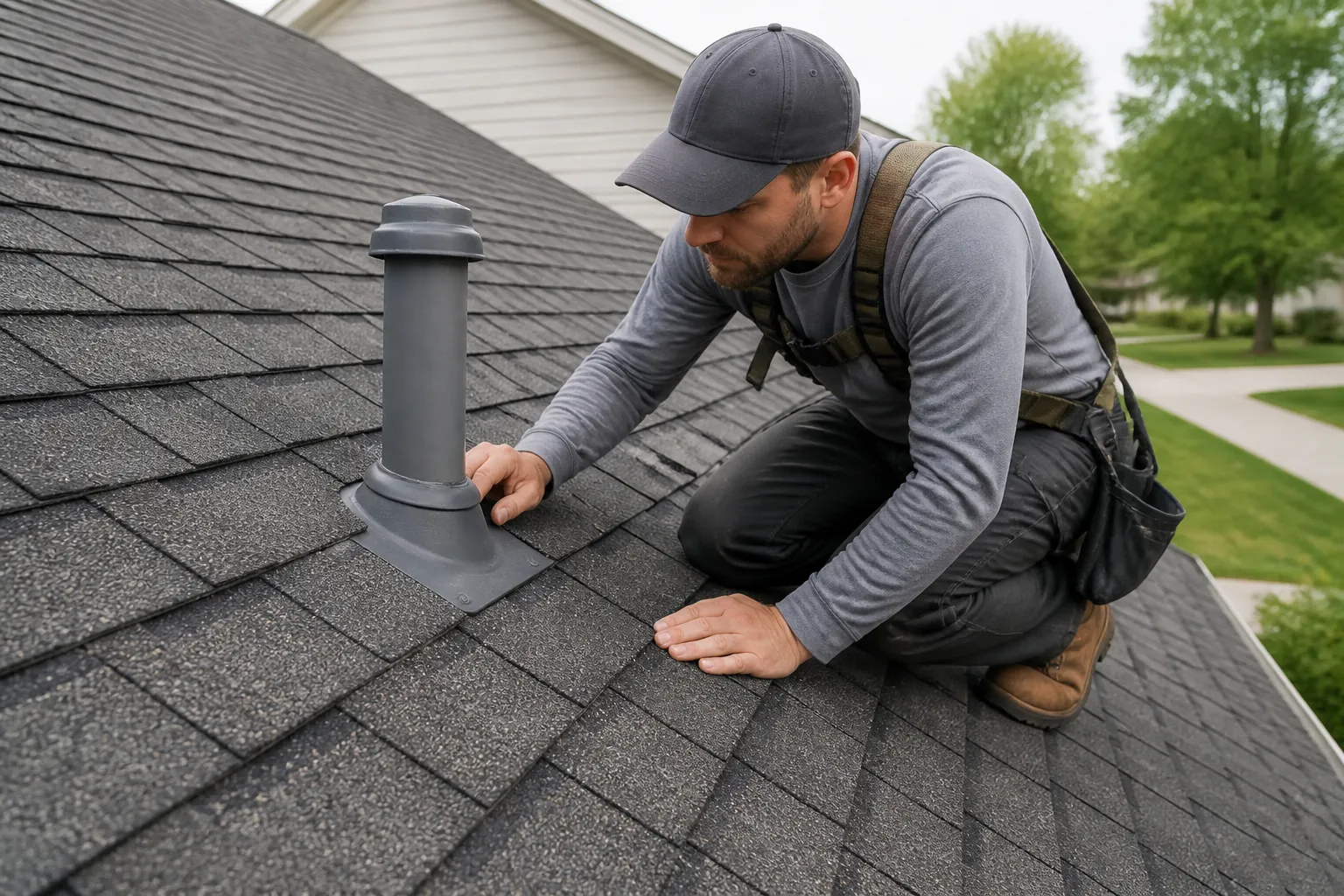
Understand roof leak investigation, common repair areas, and when broader roof work may be worth comparing in Russellville.
Learn More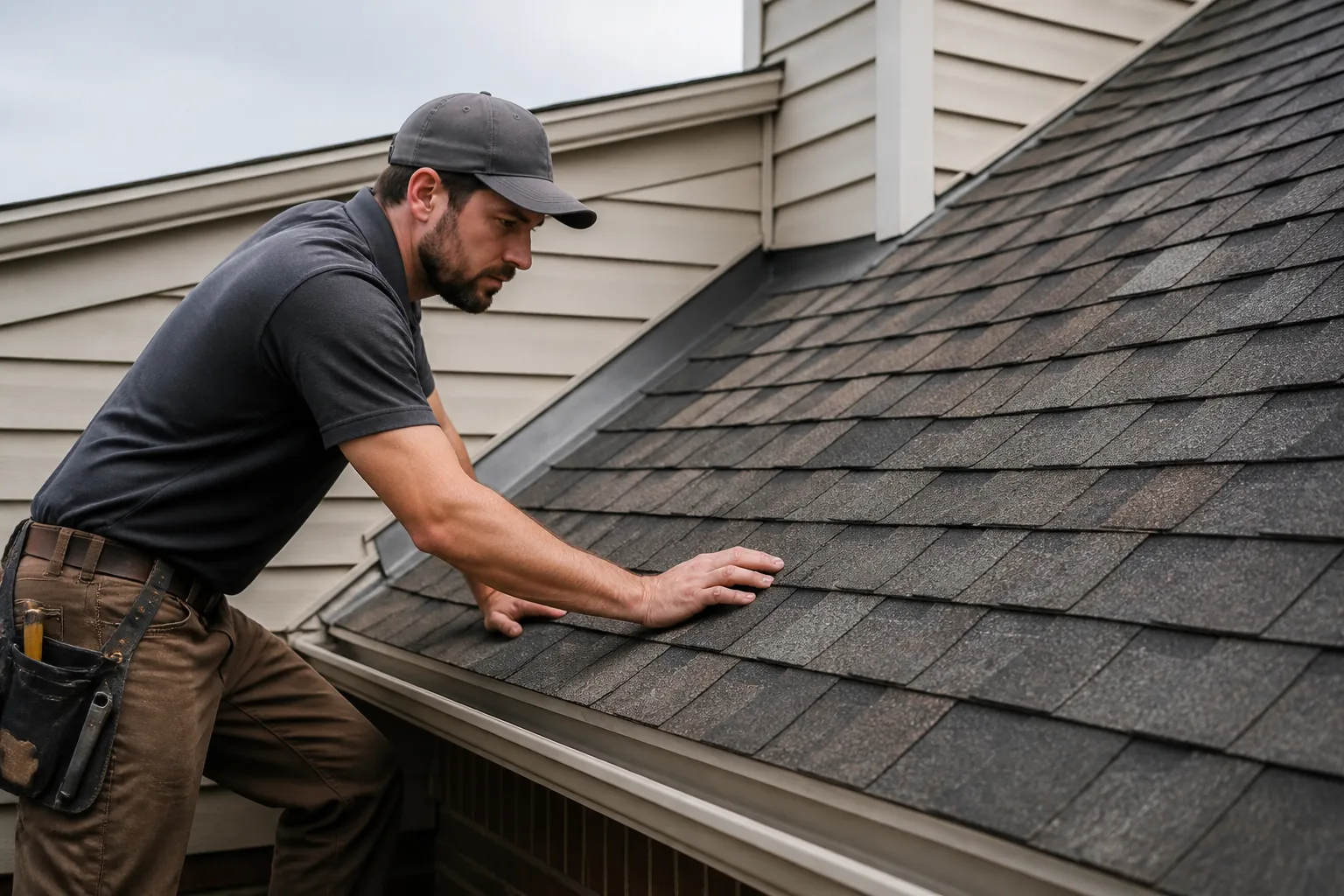
Roof repair guidance for leaks, damaged shingles, flashing, pipe boots, and recurring patches, with practical questions to help compare the proposed work.
Learn More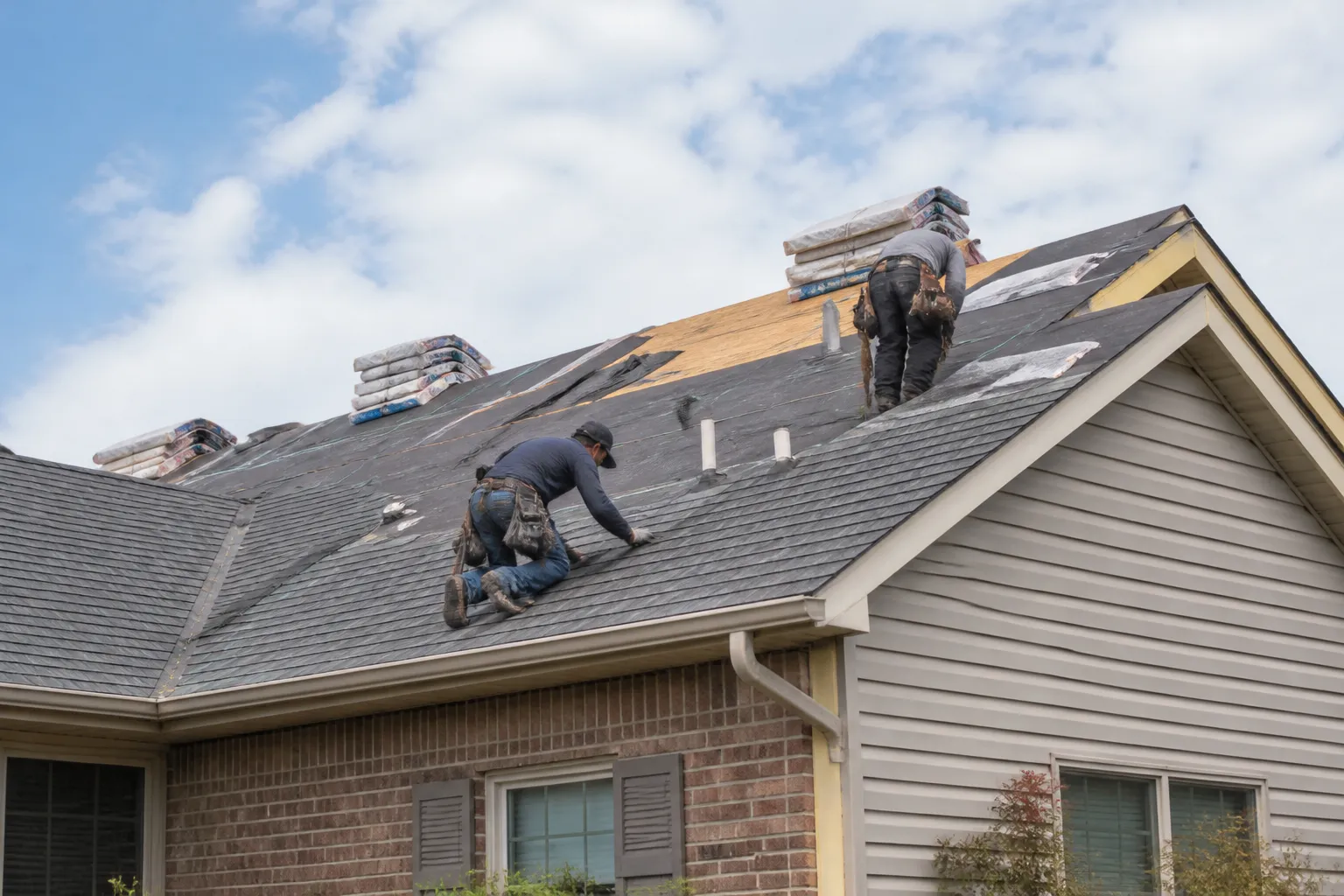
Roof replacement guidance covering roof condition, material choices, removal, decking, flashing, ventilation, scheduling, and written estimates.
Learn More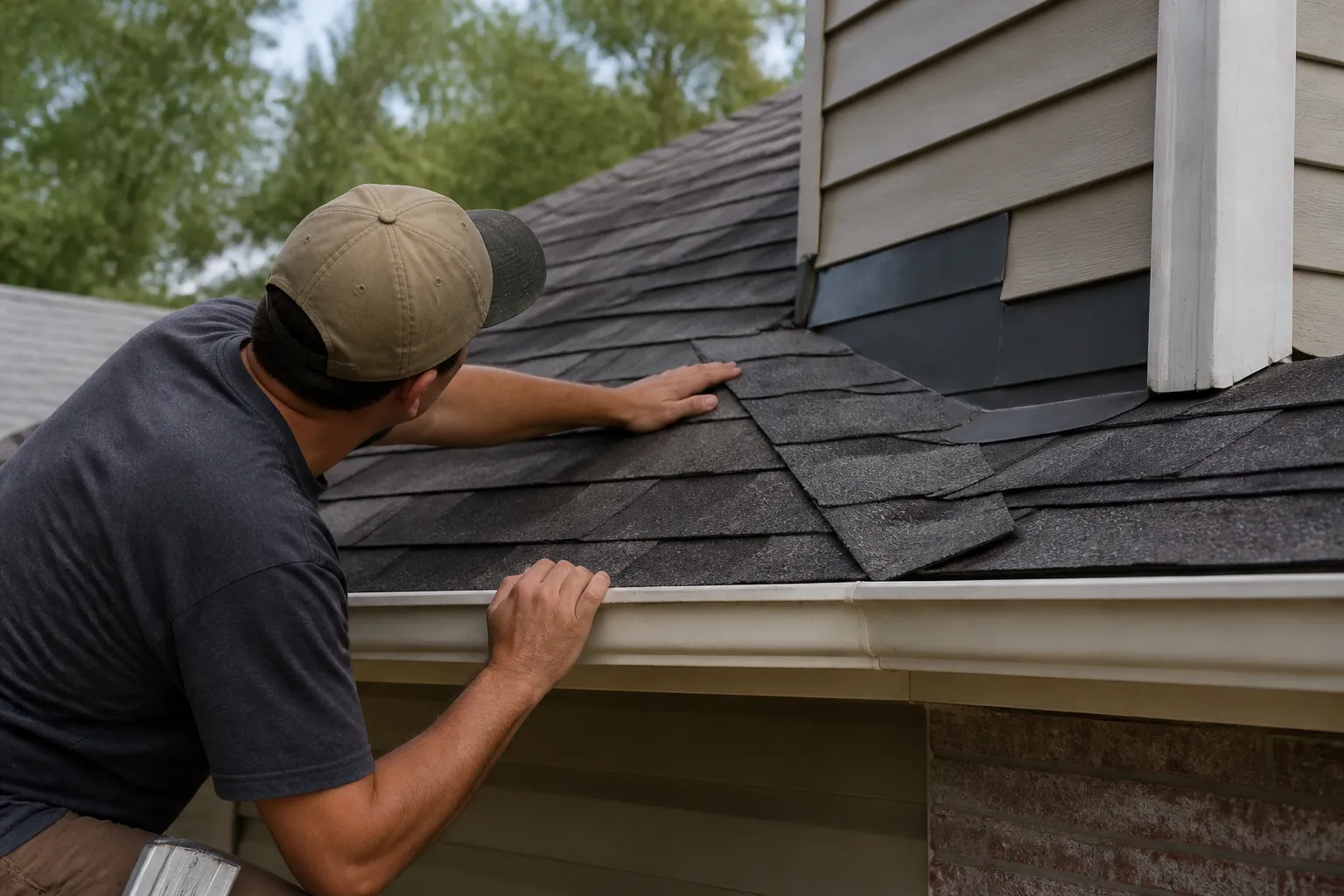
Understand leak investigation, shingle and flashing repairs, recurring patches, and when replacement may be worth comparing for your Van Buren property.
Learn More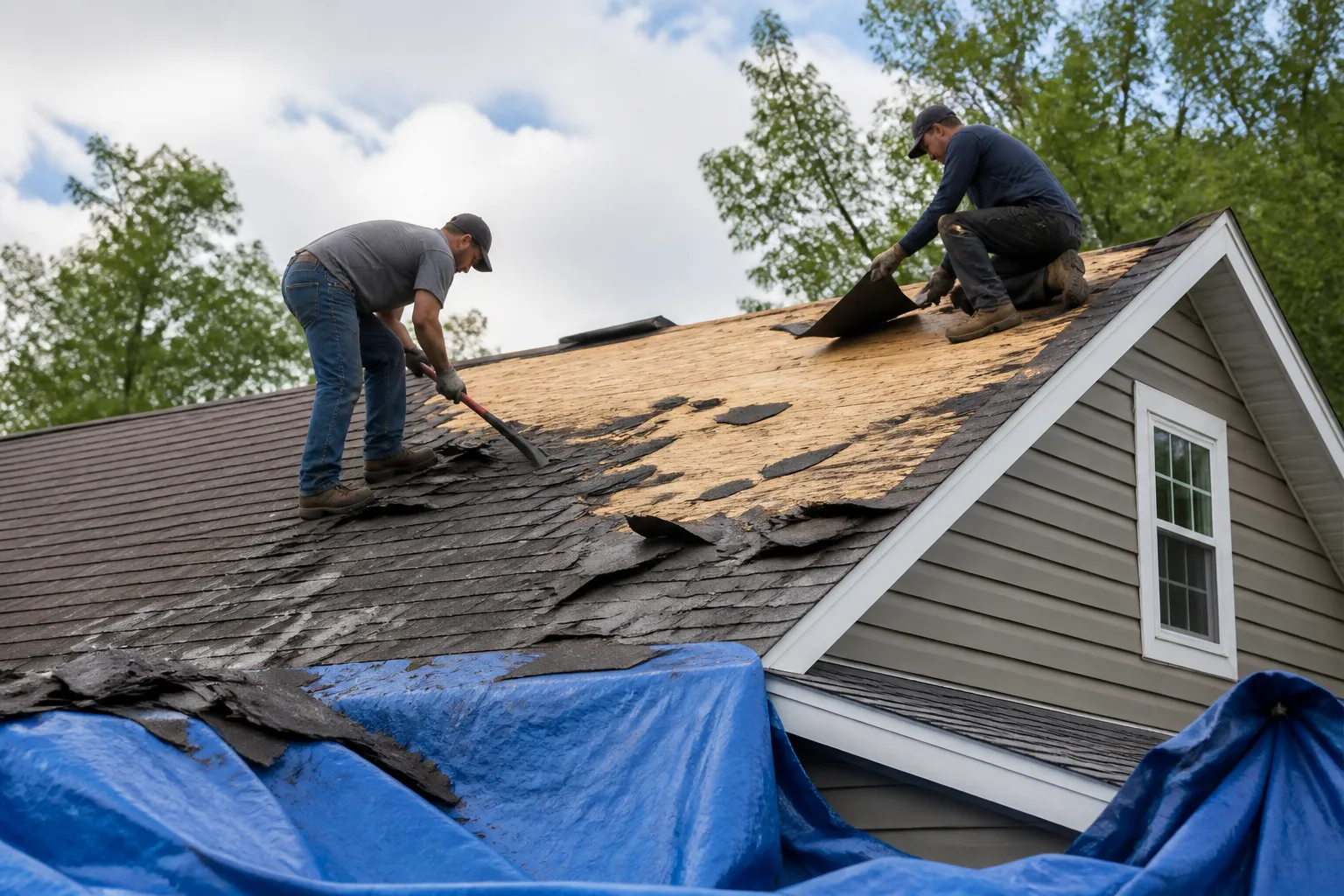
Compare replacement with repair and review removal, decking, flashing, ventilation, material selection, scheduling, and written scope details for a Van Buren roof.
Learn More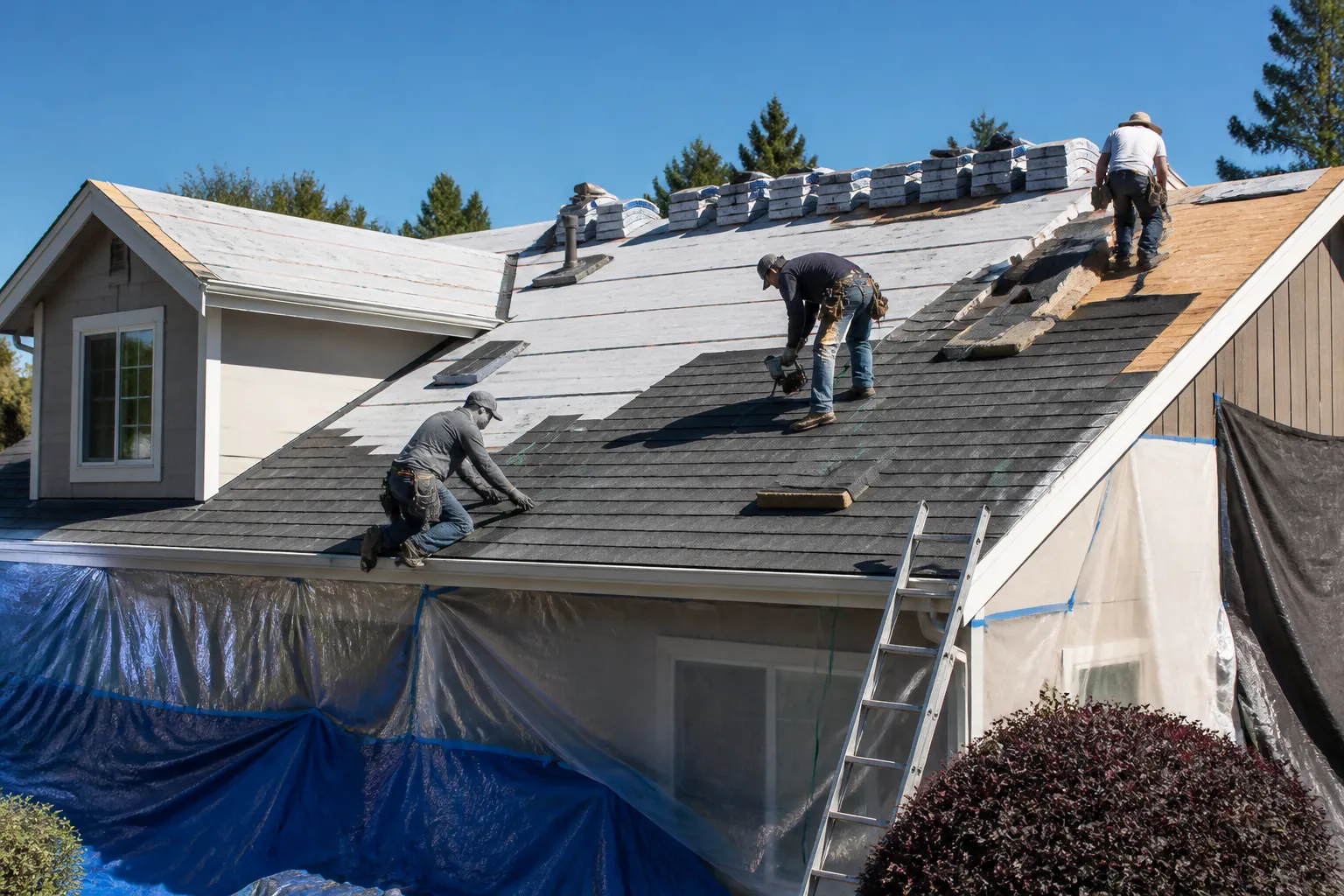
Review roof condition, repair-versus-replacement decisions, materials, removal, decking, flashing, ventilation, property protection, and written estimates.
Learn More
Understand leak diagnosis, shingle and flashing repairs, pipe boot concerns, recurring patches, and when replacement may be worth comparing.
Learn More
Compare roof condition, materials, removal, decking, flashing, ventilation, and written project scope for replacement in Benton.
Learn More
Guidance for tracing leaks and assessing damaged shingles, flashing, pipe boots, and repair limitations in Benton.
Learn More
Learn how roof leak symptoms, damaged shingles, flashing, pipe boots, and recurring patches are assessed, and how to compare repair with replacement in Bryant, AR.
Learn More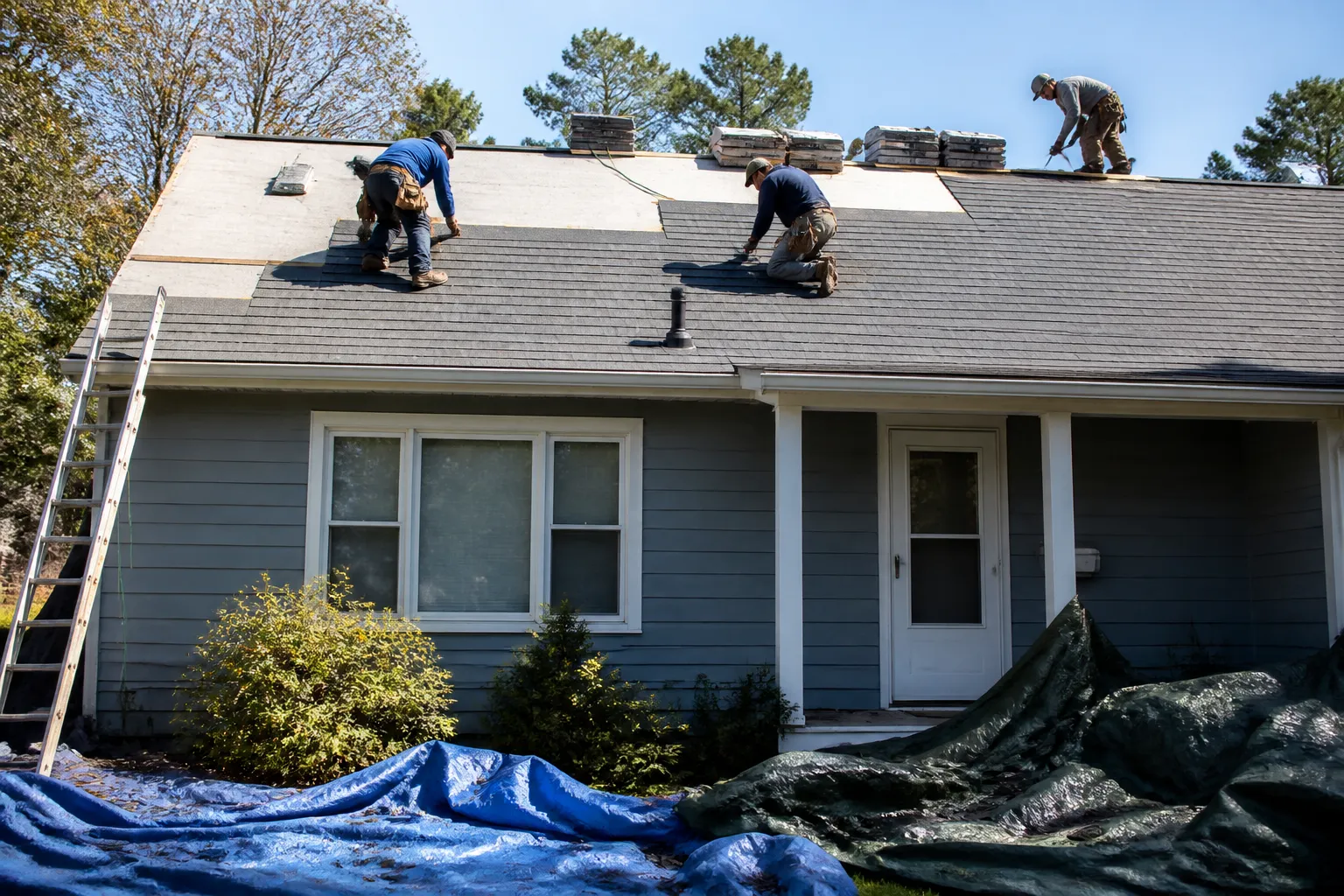
Compare roof repair and replacement in Bryant, AR, with guidance on materials, tear-off, decking, flashing, ventilation, property protection, cleanup, and written estimates.
Learn More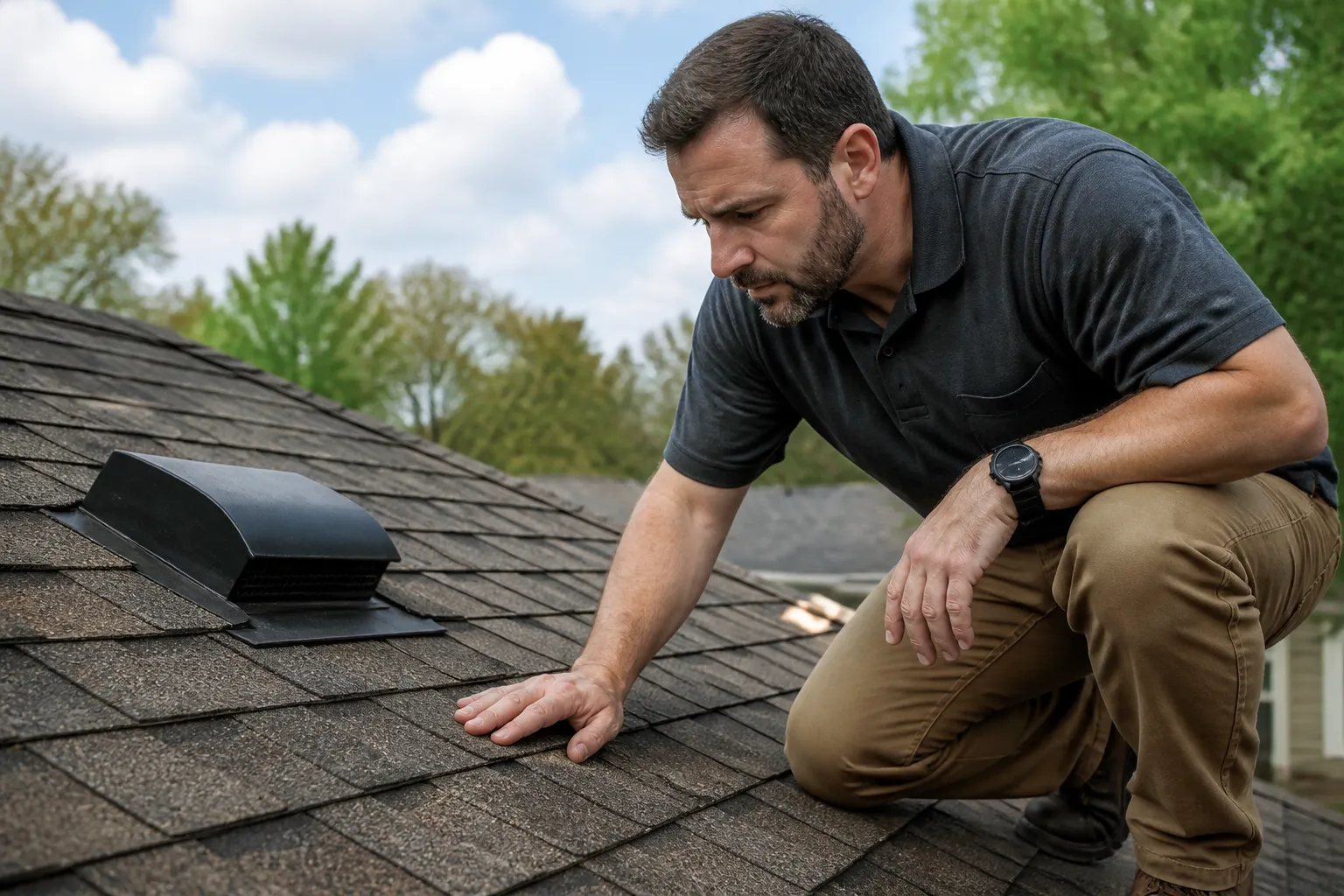
Get guidance on tracing roof leaks, repairing damaged shingles and flashing, and deciding whether a focused repair fits the roof’s condition.
Learn More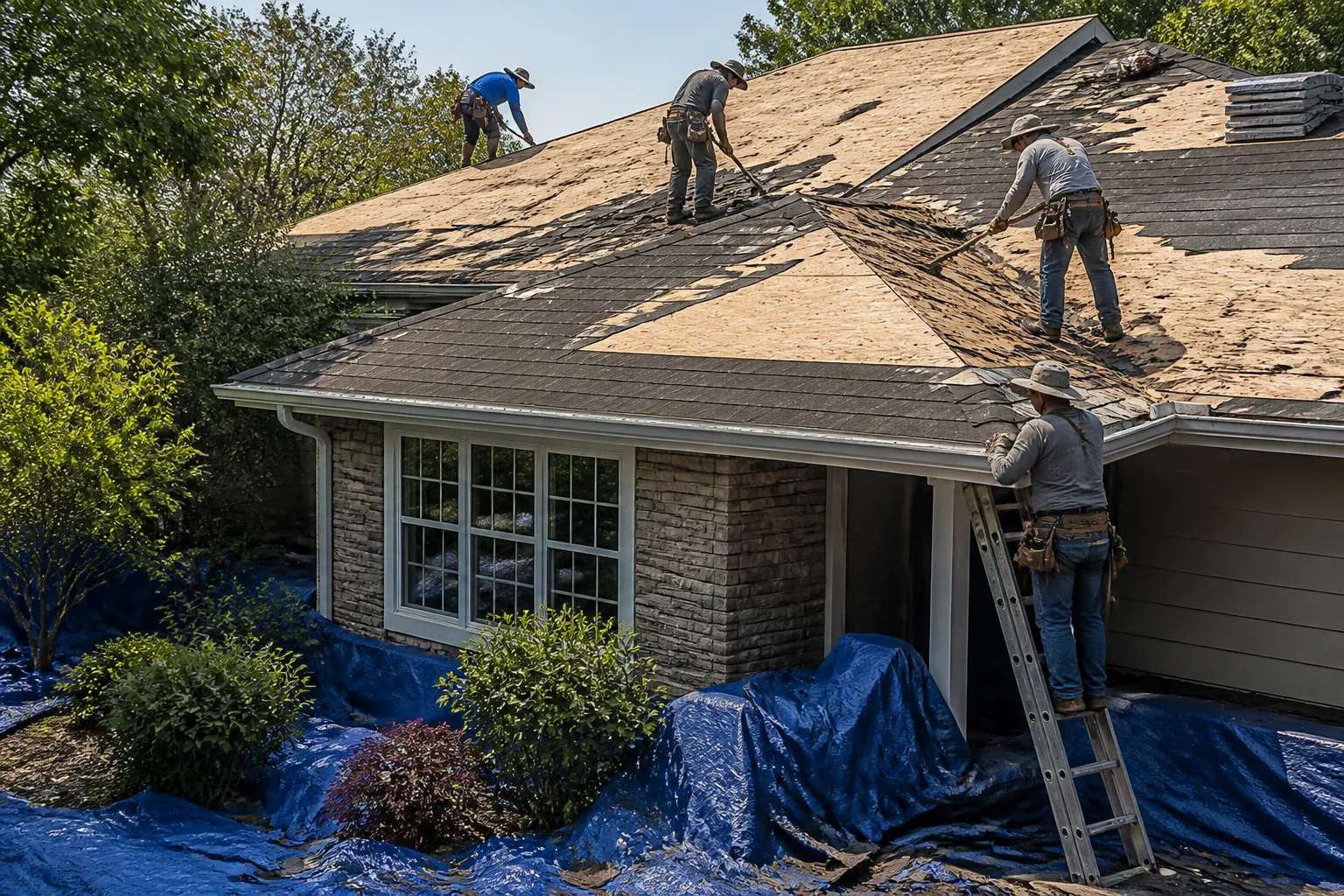
Compare roof condition, repair and replacement options, roofing materials, and the details to review in a written replacement estimate.
Learn More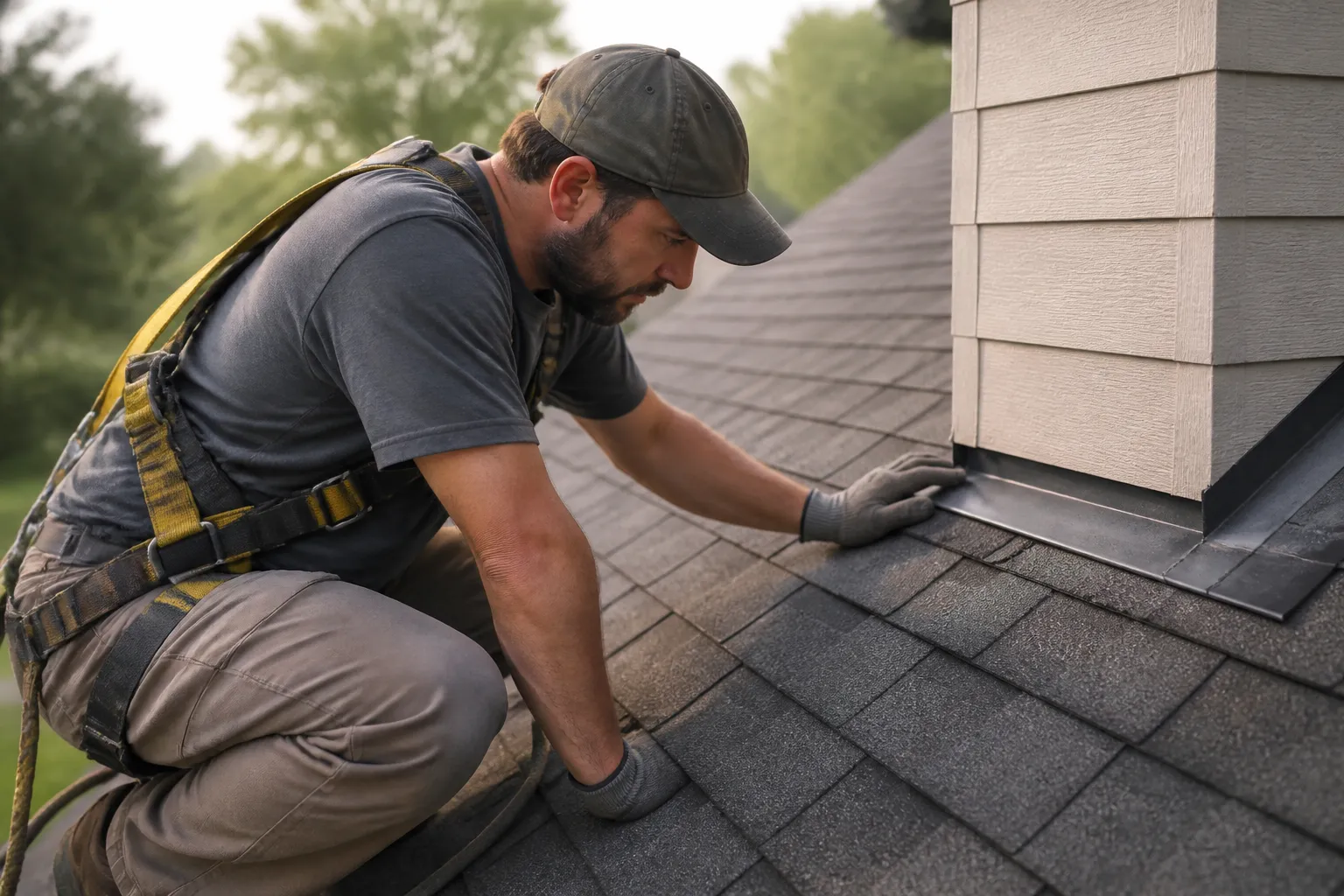
Practical guidance for tracing roof leaks, evaluating damaged shingles and flashing, and deciding whether a focused repair or broader assessment is appropriate in Jacksonville.
Learn More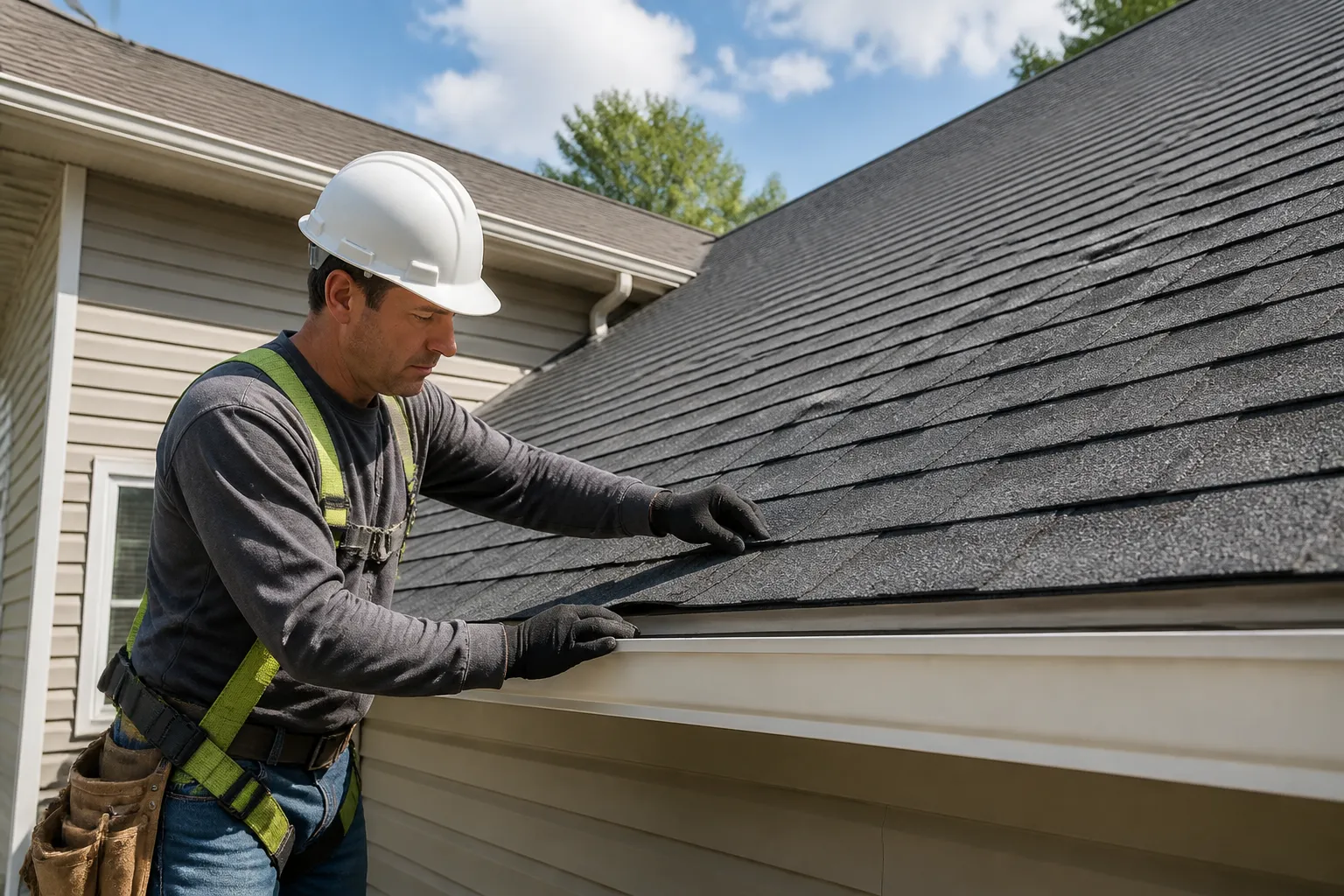
Understand roof condition, repair-versus-replacement choices, material options, tear-off, decking, ventilation, and written proposal details for Jacksonville properties.
Learn More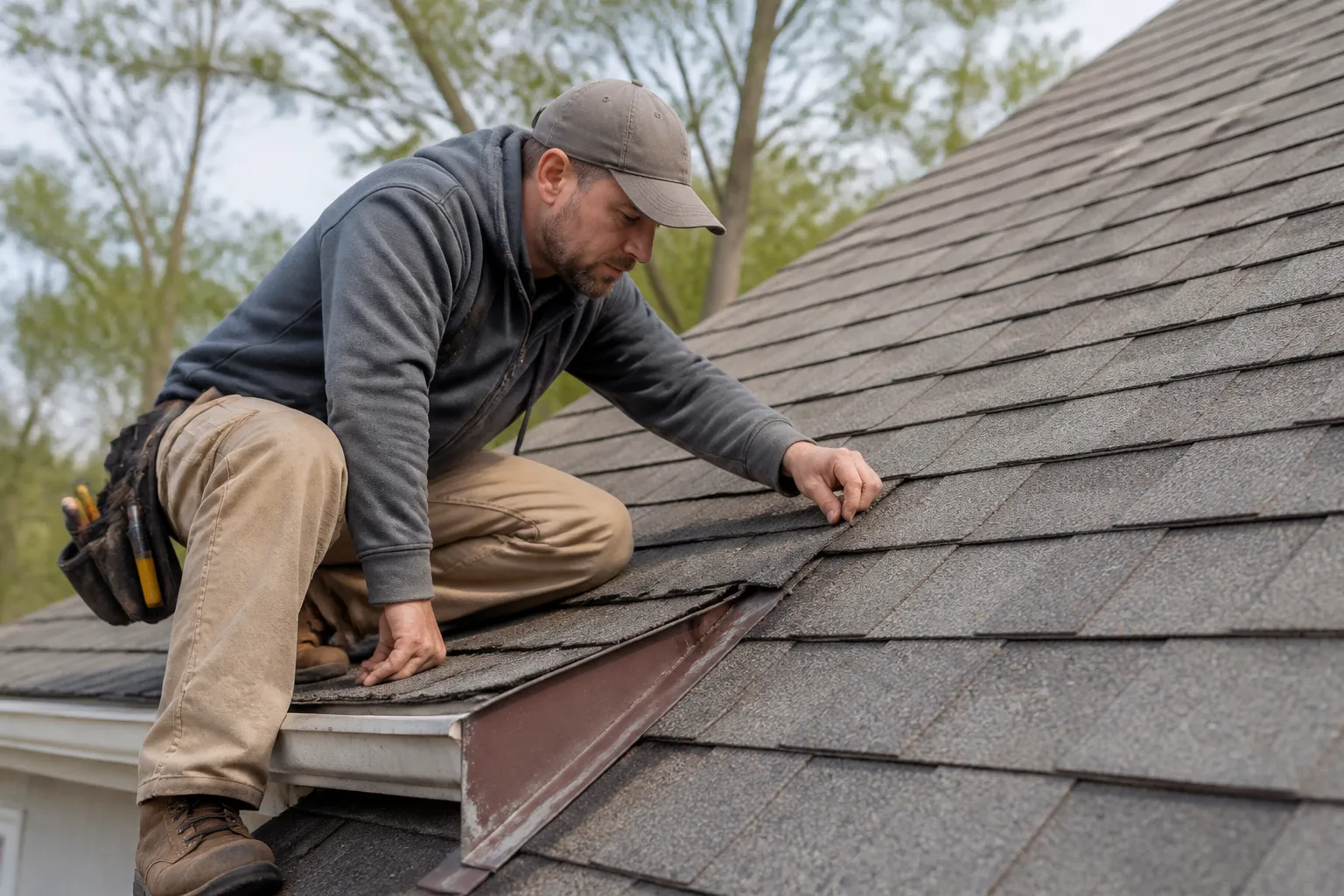
Roof repair guidance for leaks, damaged shingles, flashing, and recurring water intrusion in Hot Springs, with practical ways to compare a focused repair against broader work.
Learn More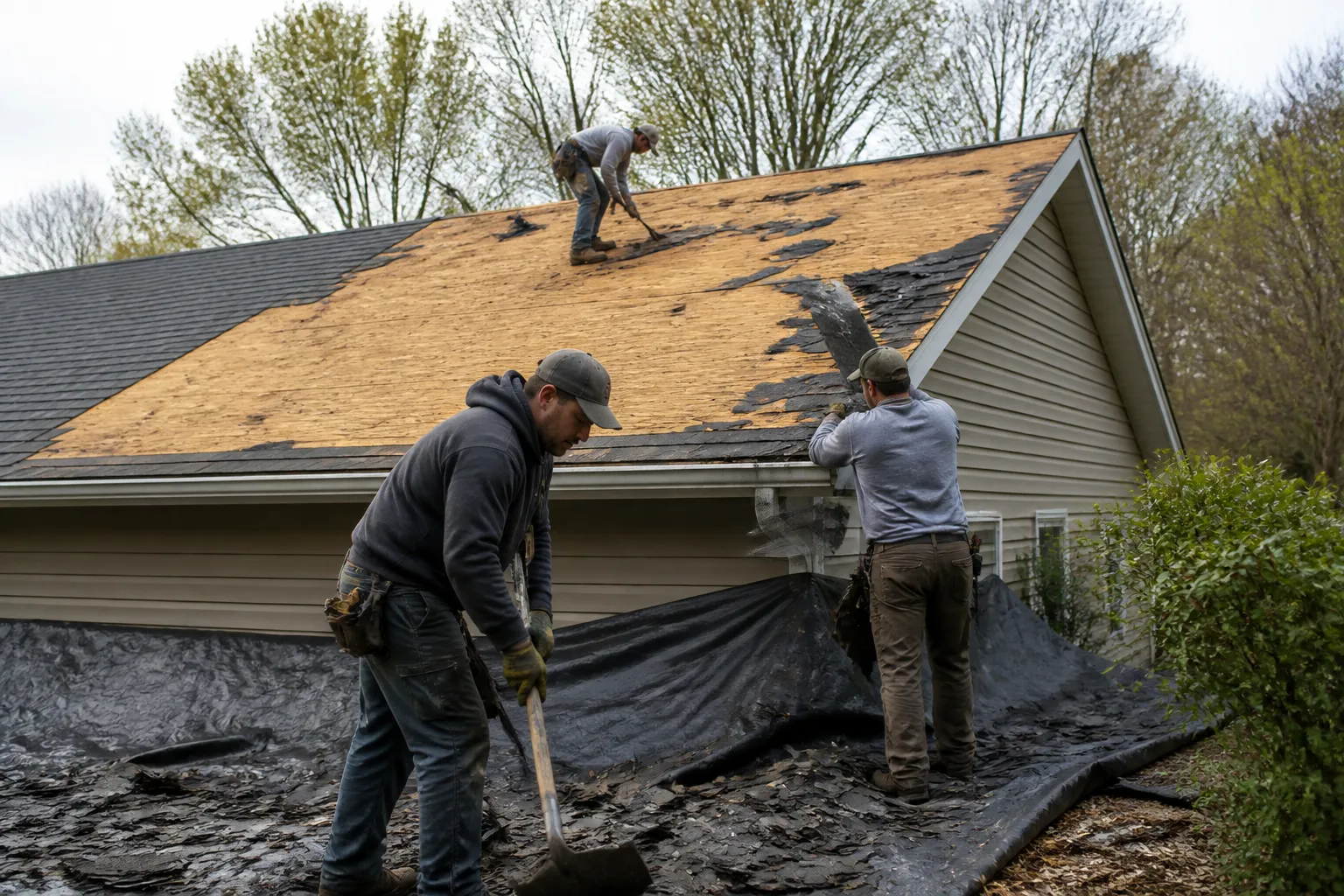
Roof replacement guidance for Hot Springs property owners comparing roof condition, materials, tear-off, decking, ventilation, property protection, and written proposals.
Learn More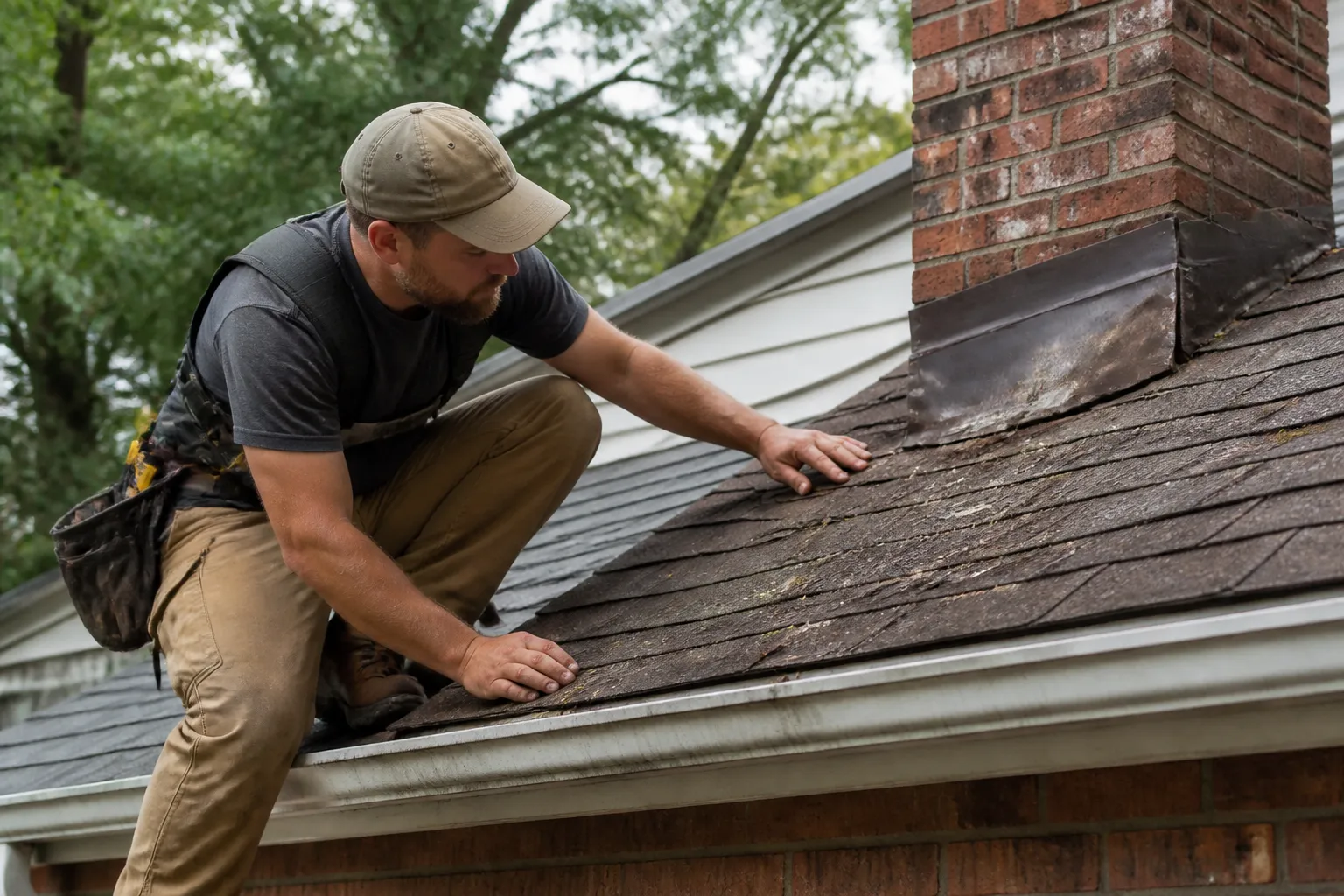
Guidance for tracing roof leaks, assessing shingle, flashing, and penetration damage, and deciding when a focused repair may be appropriate in Pine Bluff.
Learn More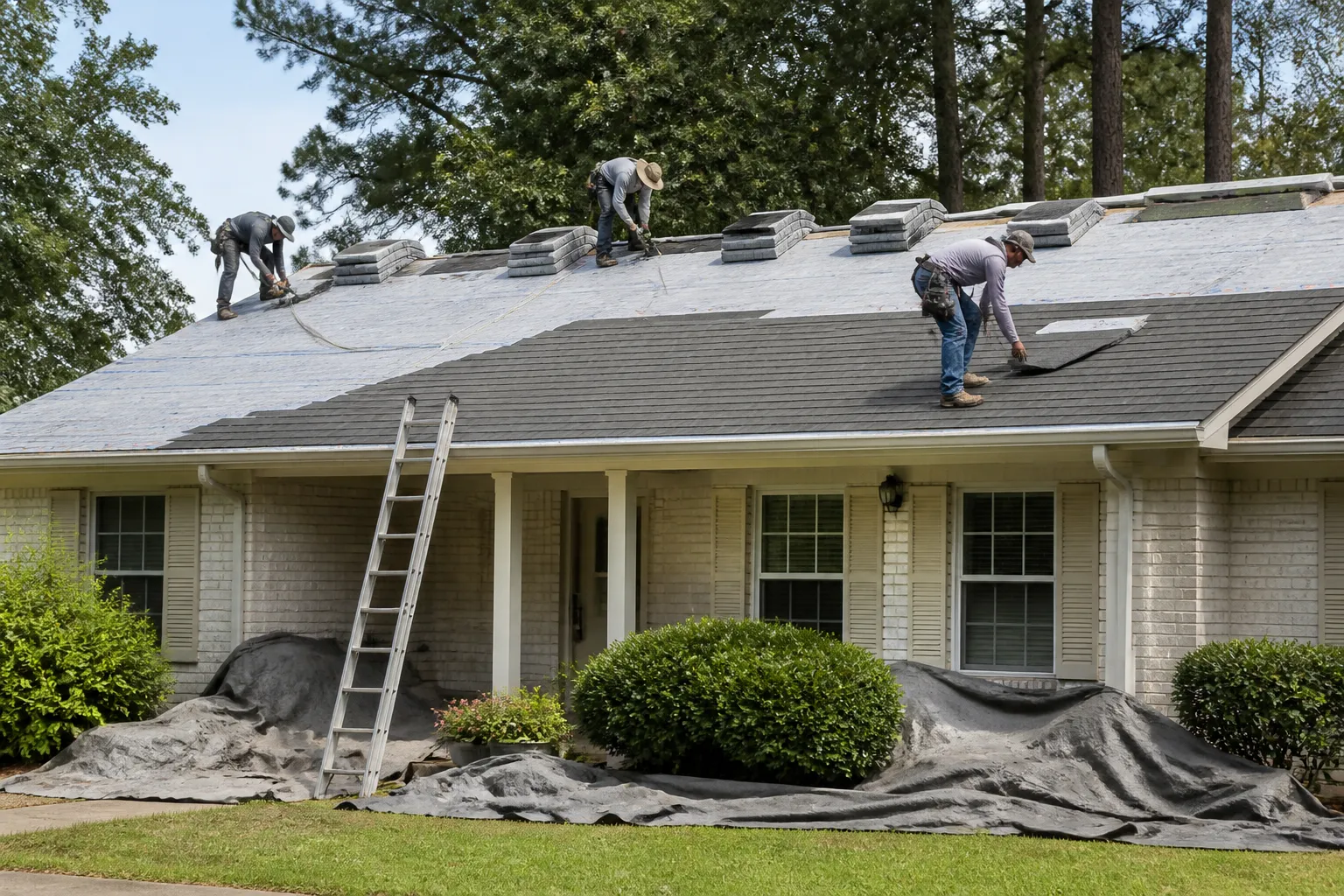
Compare roof condition, materials, tear-off, decking, ventilation, property protection, cleanup, and written replacement scopes for Pine Bluff properties.
Learn More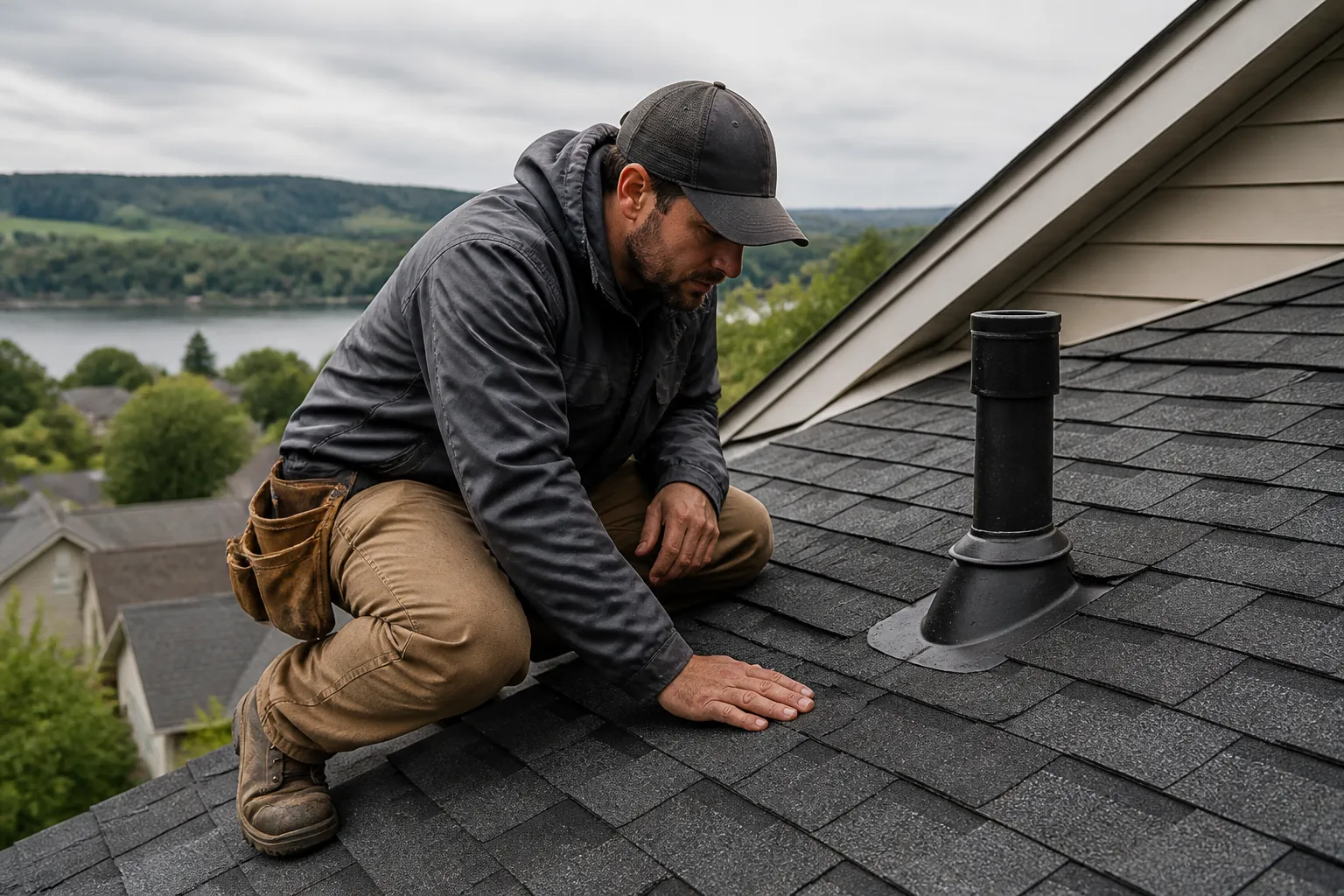
Practical guidance for tracking down roof leaks, evaluating damaged shingles and flashing, and deciding whether a focused repair fits the roof’s condition.
Learn More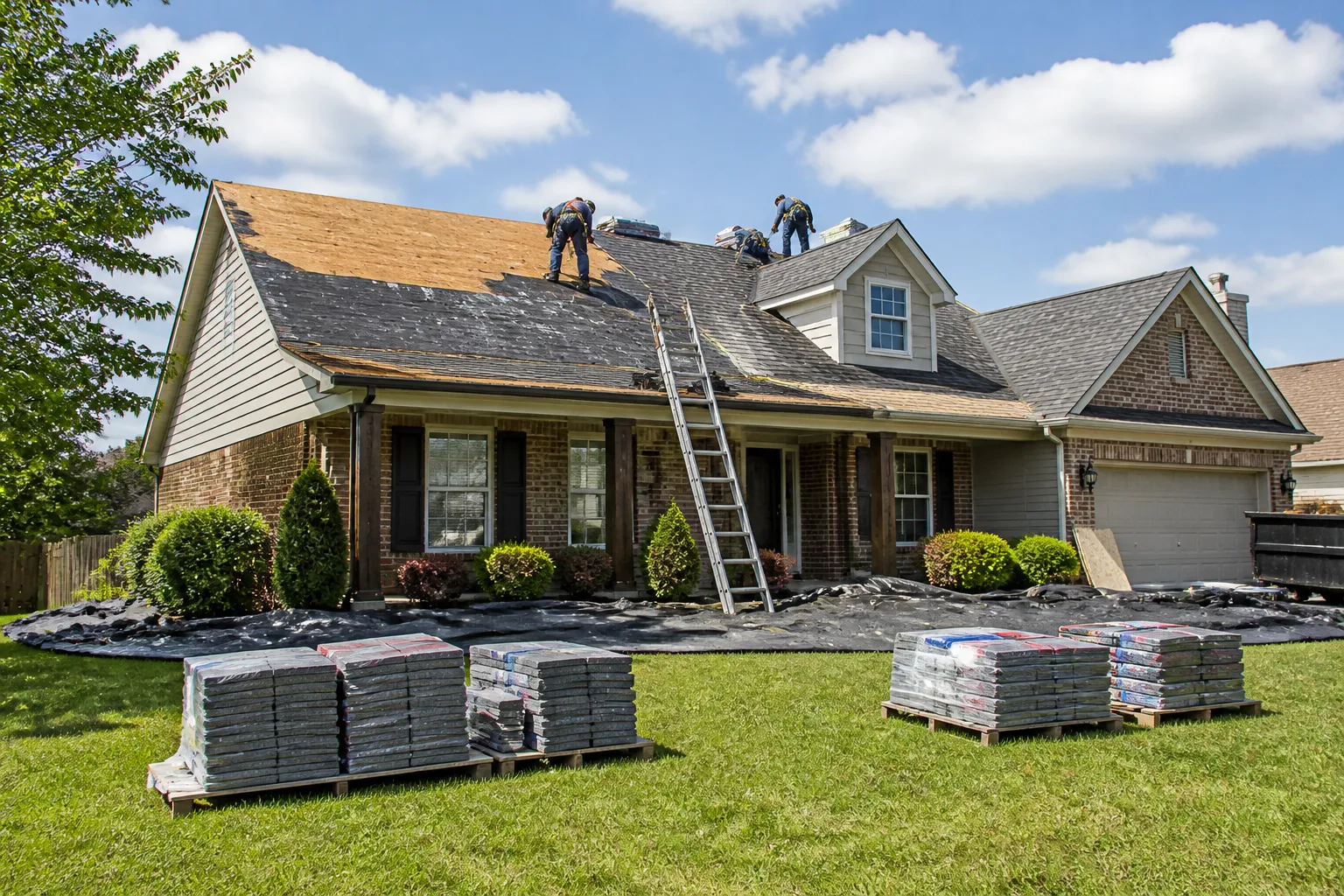
Understand when a roof’s widespread wear may call for replacement, how material and installation details fit together, and what to compare in written proposals.
Learn More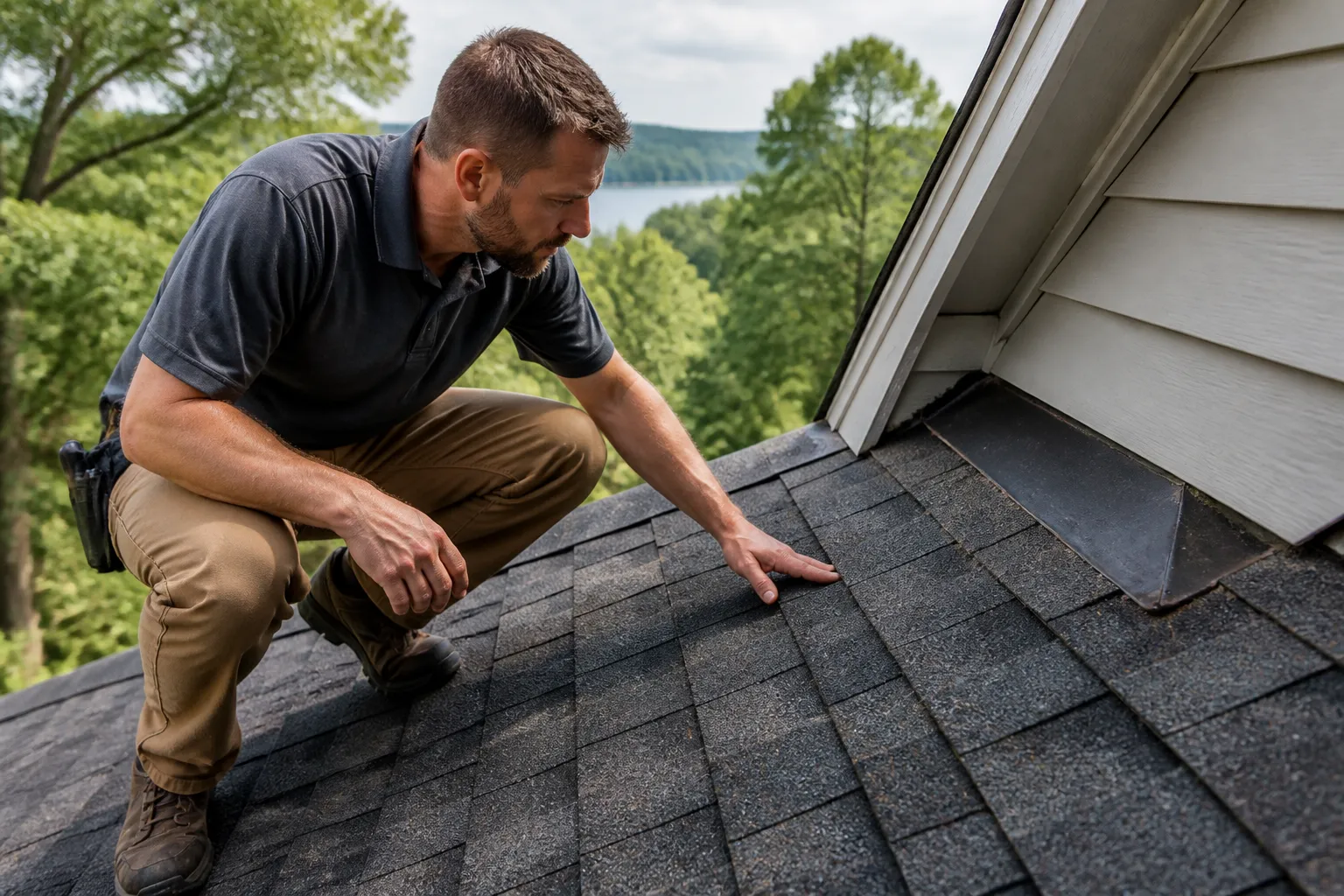
Guidance for Bella Vista roof leaks, shingle damage, flashing, valleys, and recurring water intrusion, with practical ways to compare a targeted repair and broader work.
Learn More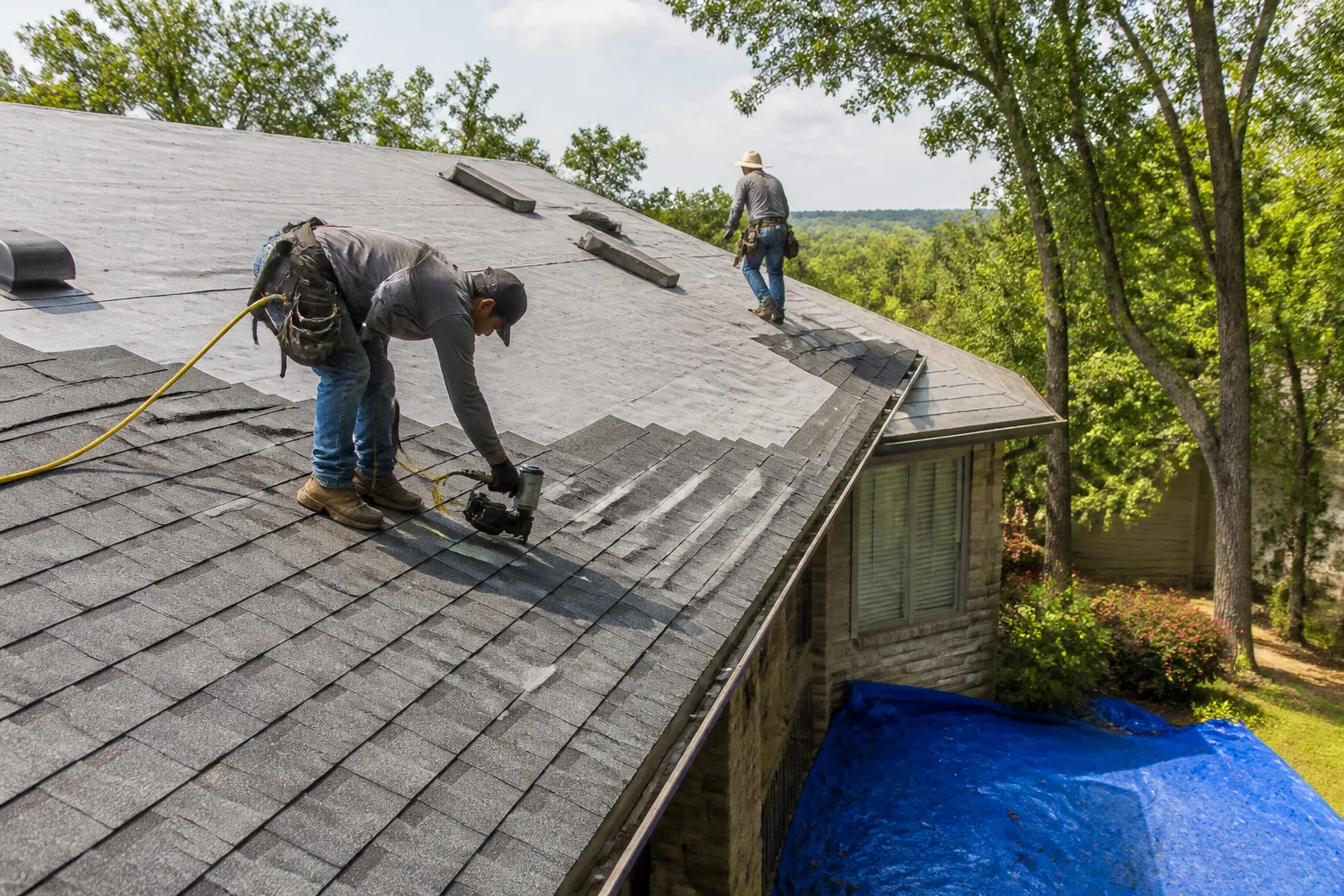
Review roof condition, material options, tear-off, decking, ventilation, property protection, and written proposal details for a Bella Vista roof replacement.
Learn More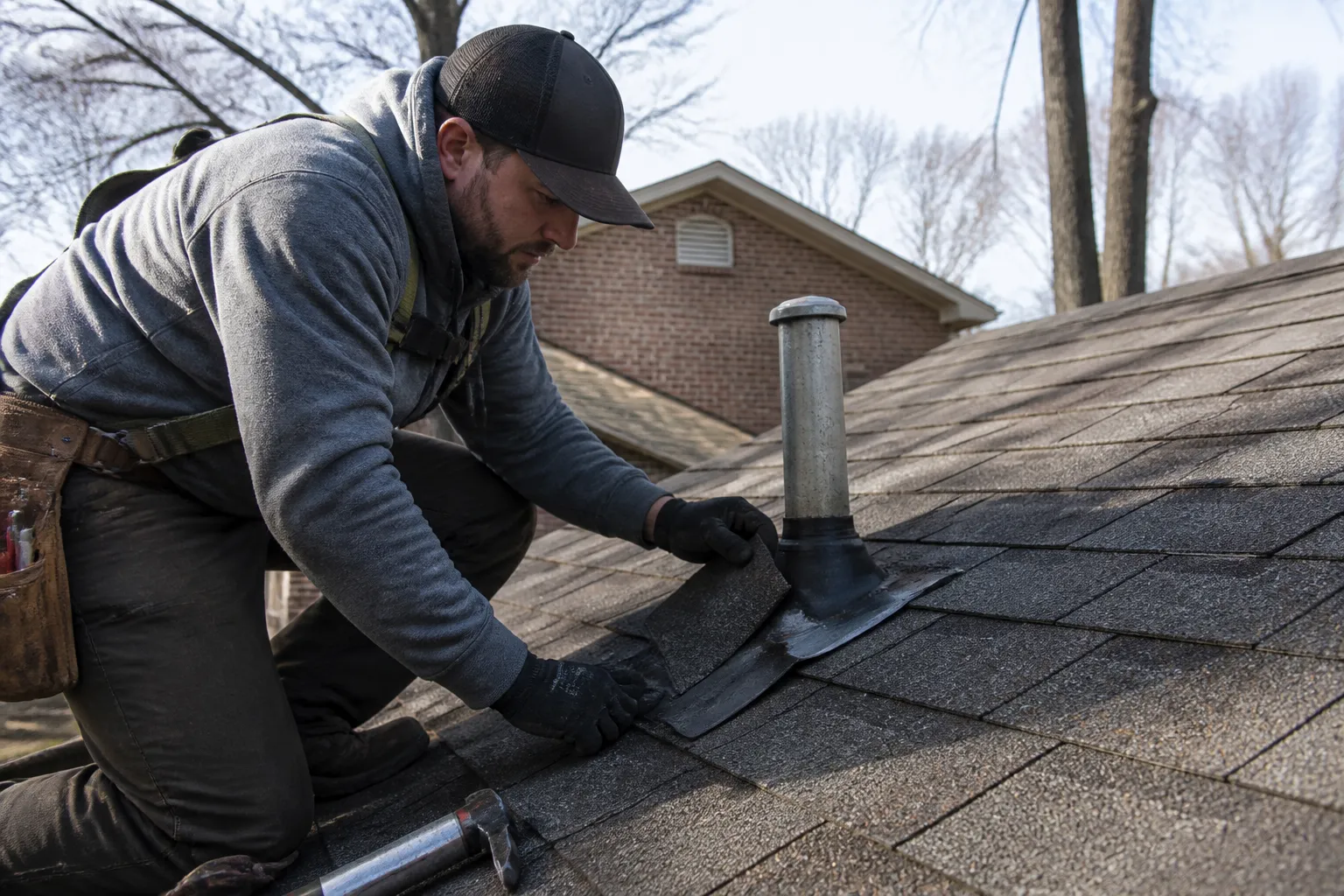
Sherwood roof repair guidance for tracing leaks, inspecting shingles and flashing, and comparing a targeted repair with broader work.
Learn More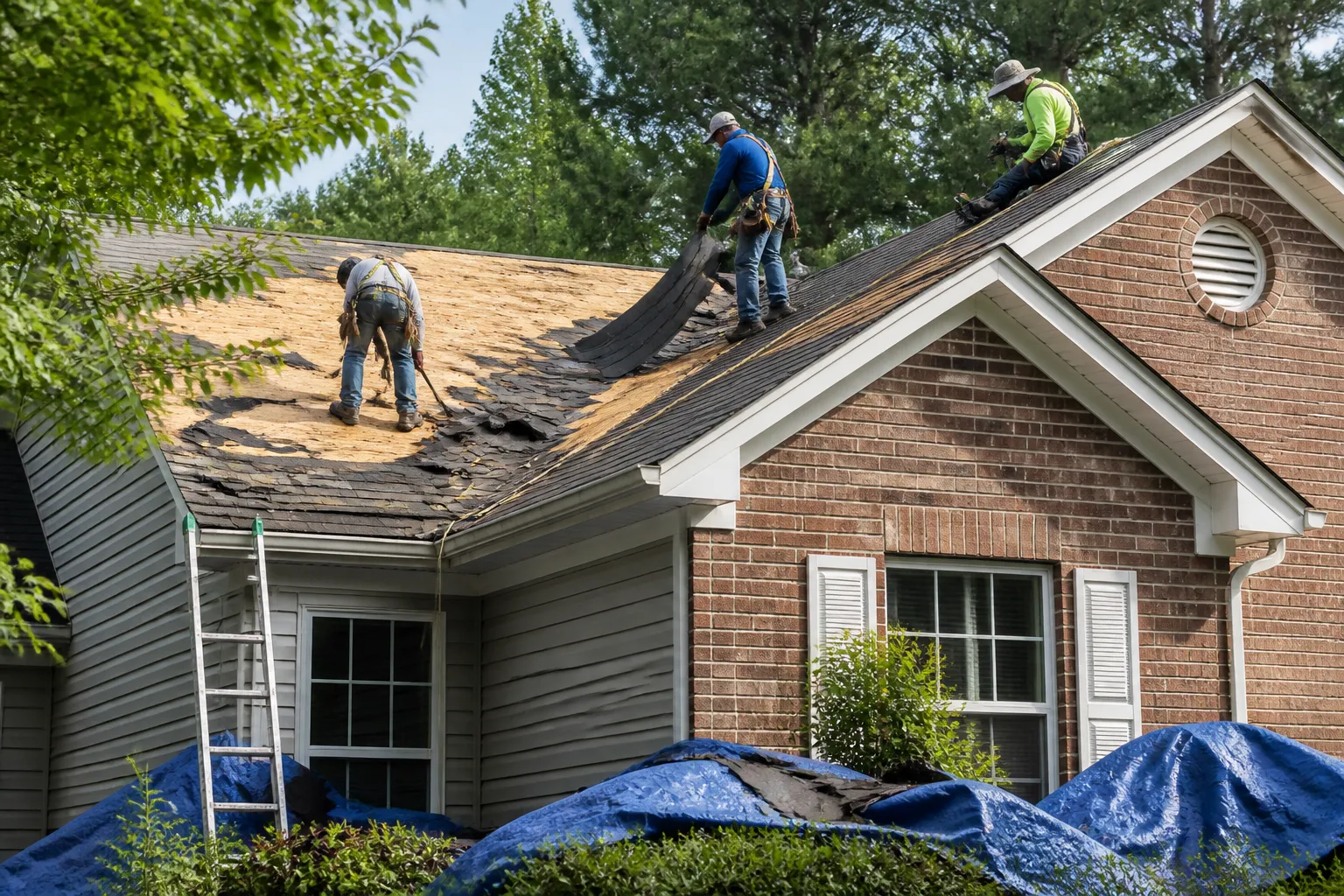
Sherwood roof replacement guidance on assessing roof condition, comparing materials, understanding tear-off and decking, and reviewing written proposals.
Learn More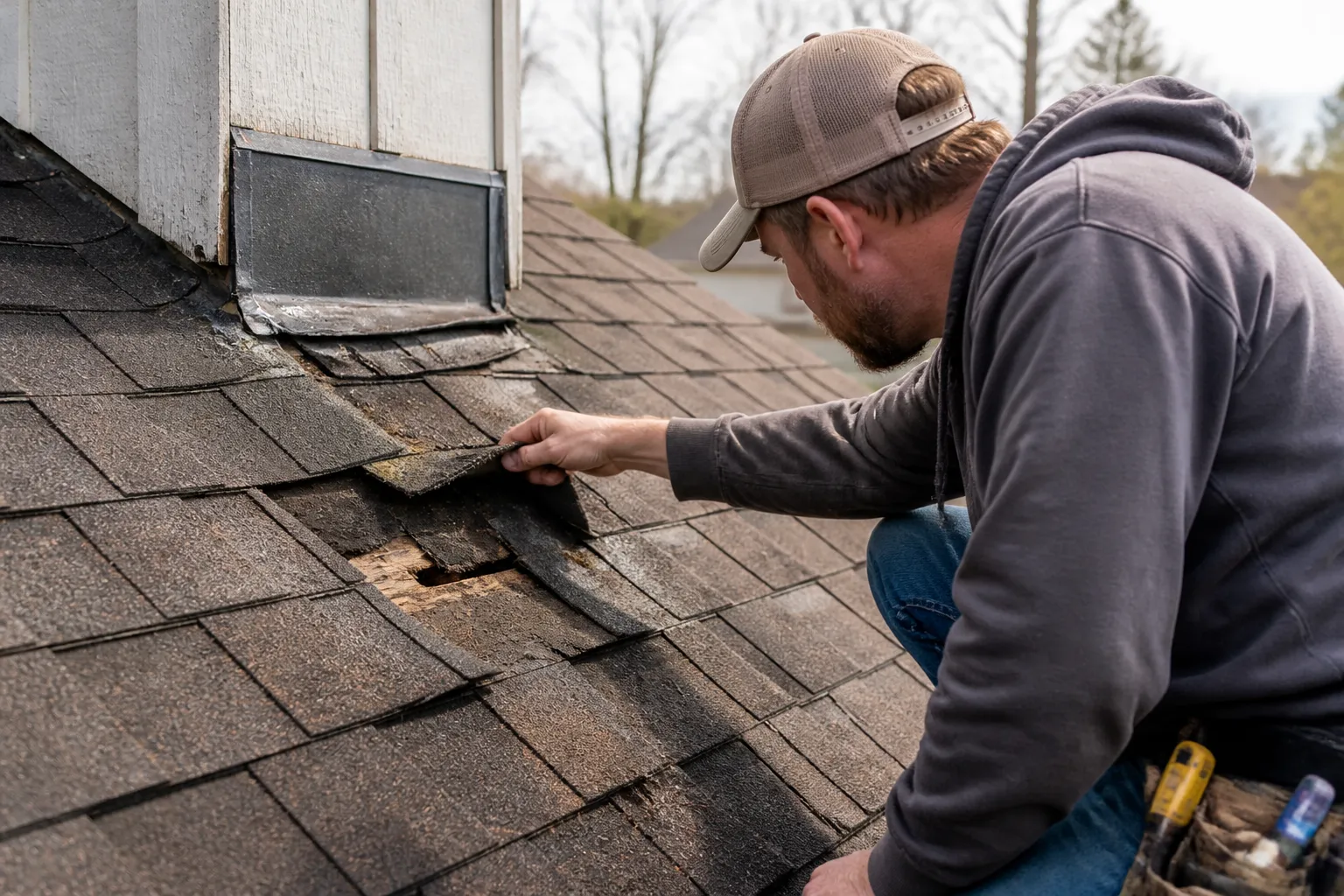
Get practical guidance on leak diagnosis, damaged shingles, flashing, recurring water intrusion, and deciding whether a targeted repair fits the roof’s condition.
Learn More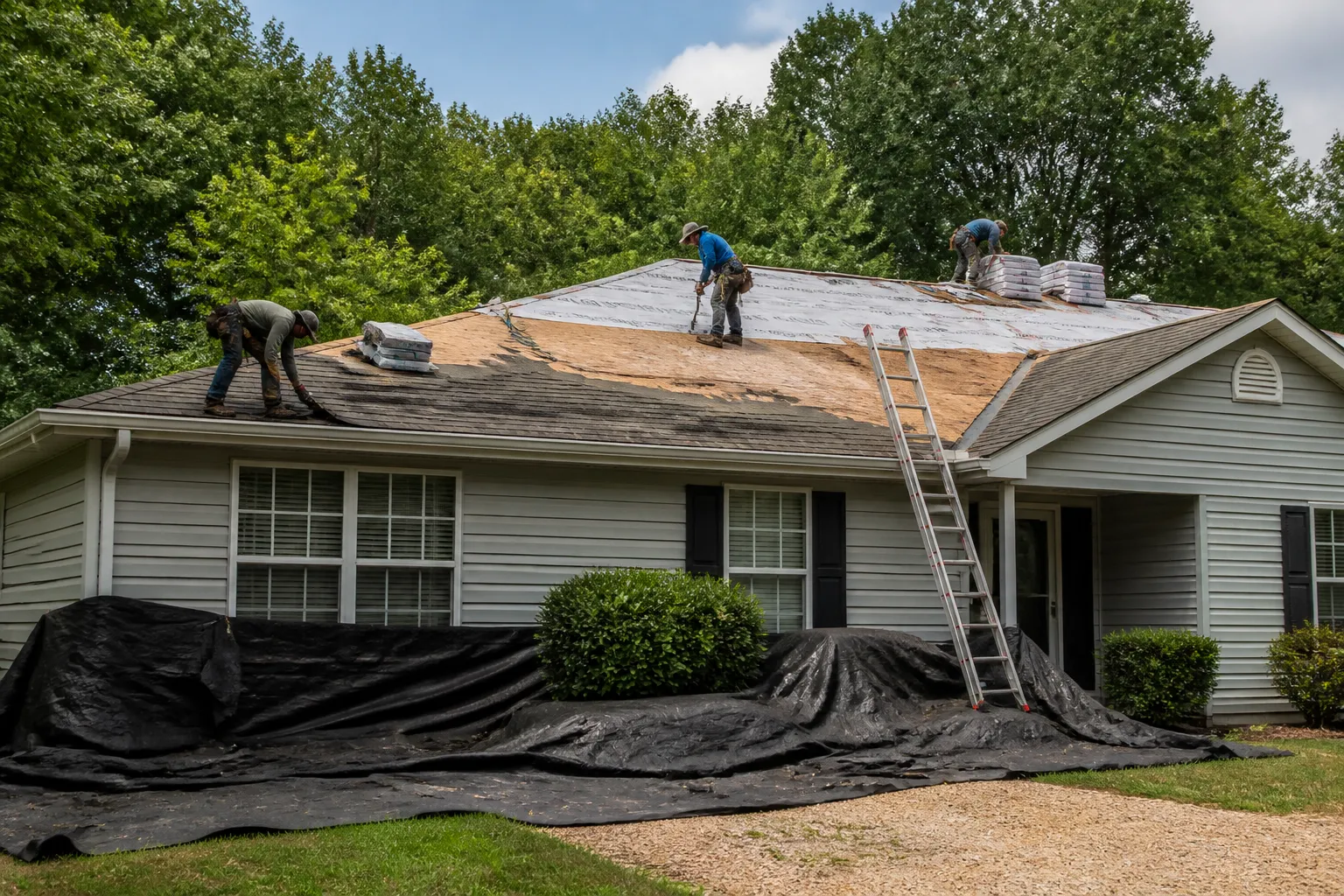
Understand roof condition, material options, tear-off, decking, ventilation, property protection, cleanup, and how to compare itemized replacement proposals.
Learn More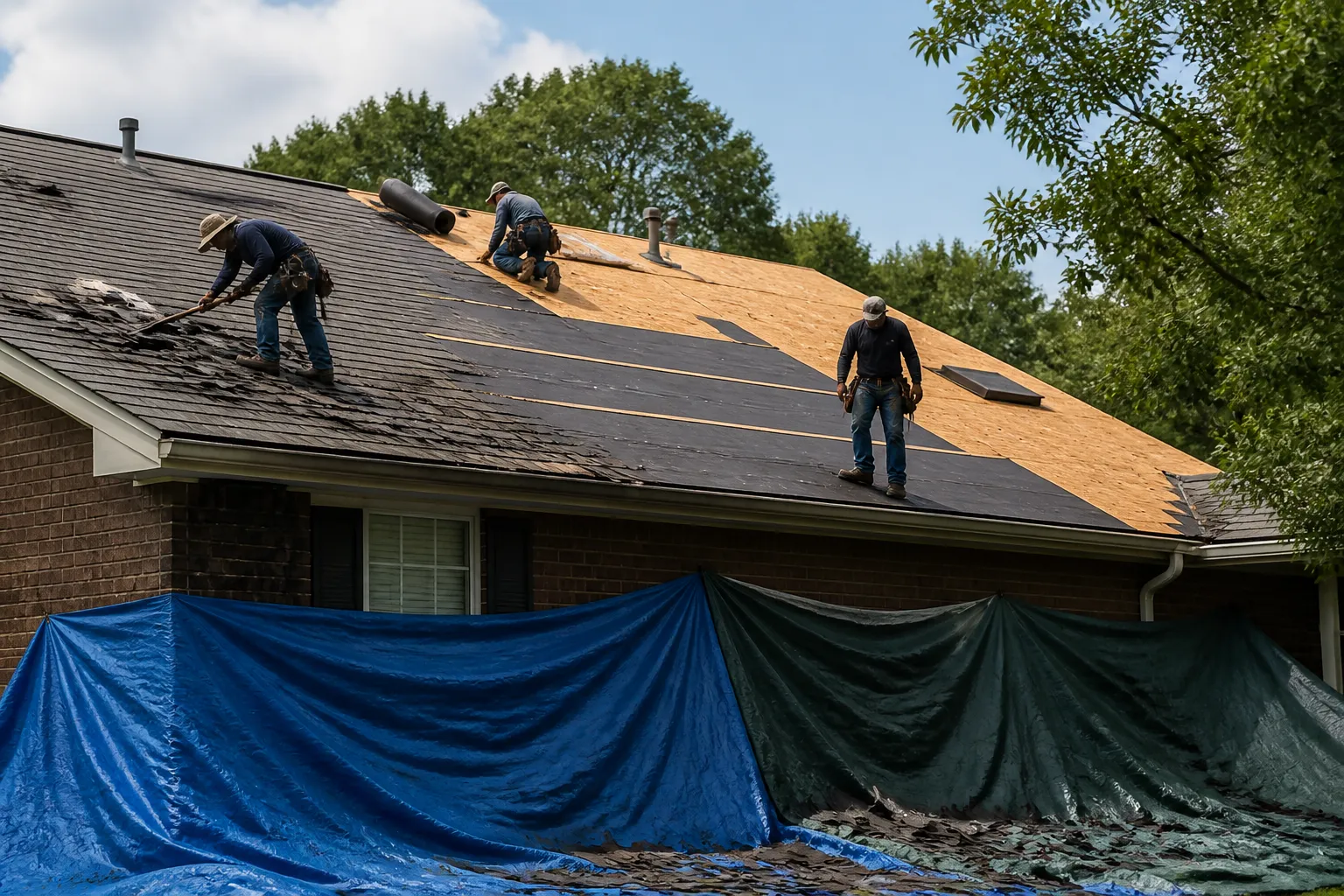
A practical guide to evaluating roof condition, selecting materials, planning tear-off and deck review, protecting the property, and comparing replacement proposals in Greenwood.
Learn More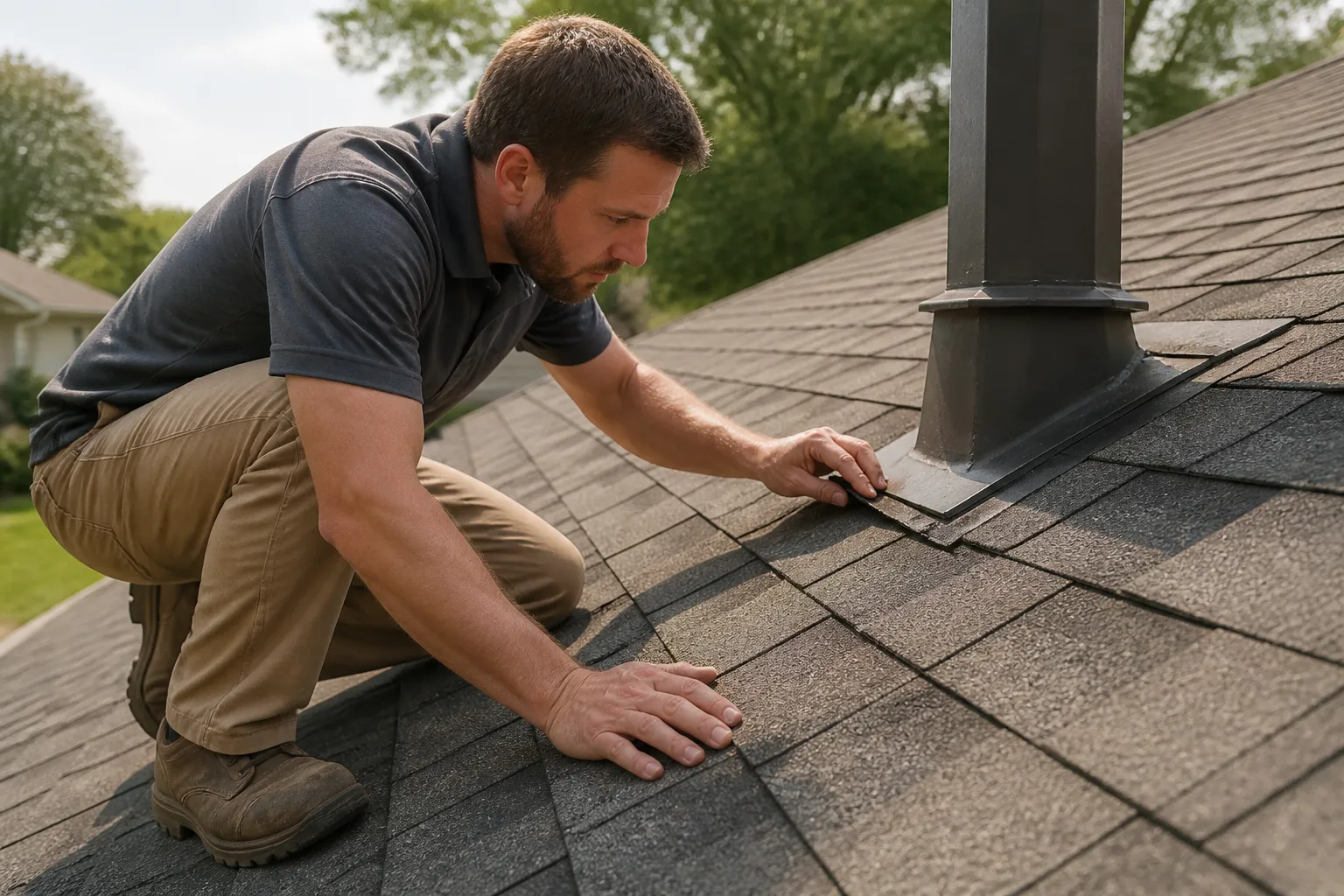
Practical guidance for diagnosing roof leaks, flashing and penetration problems, damaged shingles, recurring water intrusion, and repair-versus-replacement decisions in Greenwood.
Learn More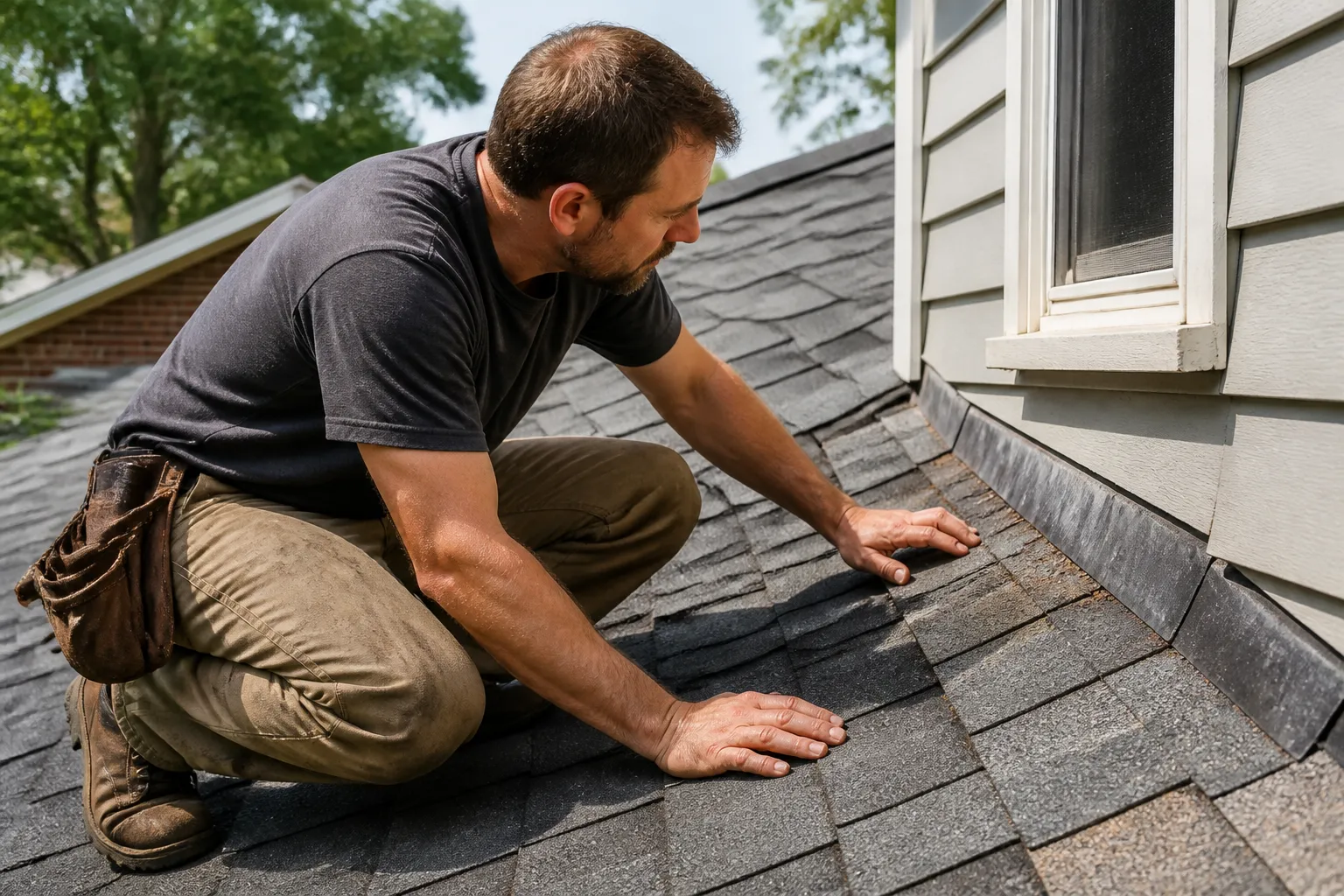
Clarksville roof repair guidance for leaks, damaged shingles, flashing, roof penetrations, and recurring water intrusion.
Learn More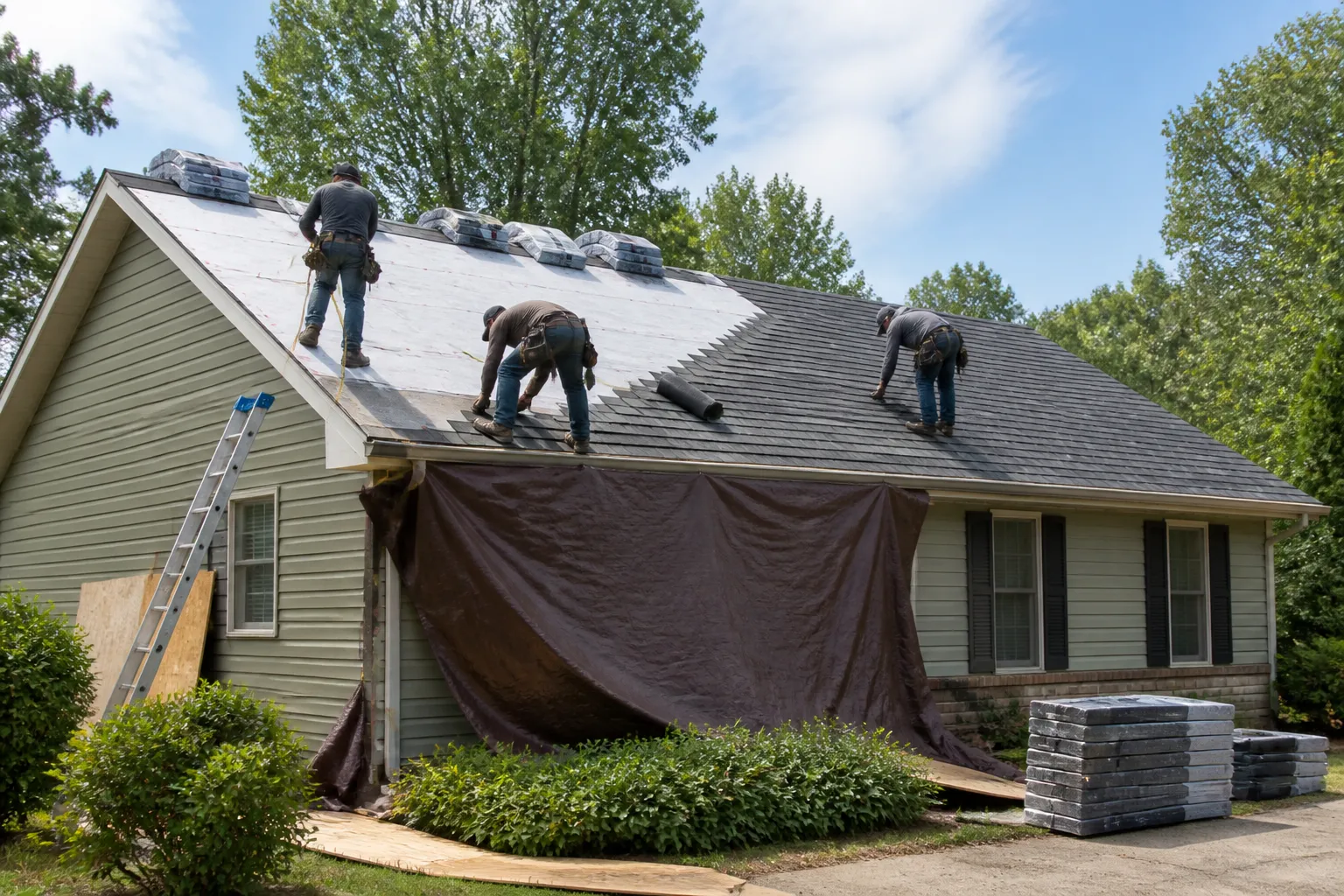
Clarksville roof replacement guidance covering roof condition, material choices, tear-off, decking, ventilation, property protection, and written proposals.
Learn More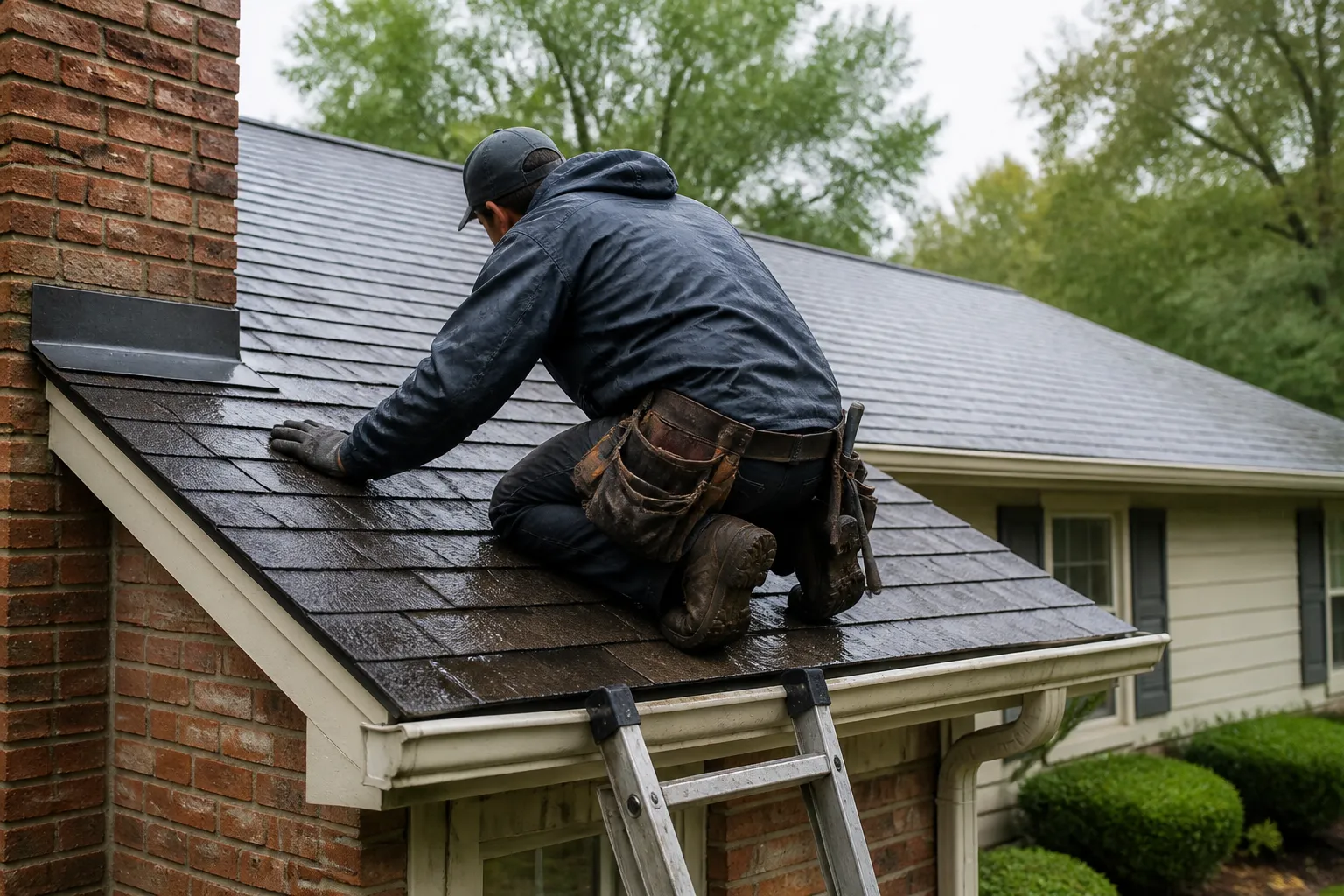
Roof leak diagnosis and targeted repairs for damaged shingles, flashing, and roof penetrations in Texarkana, Arkansas.
Learn More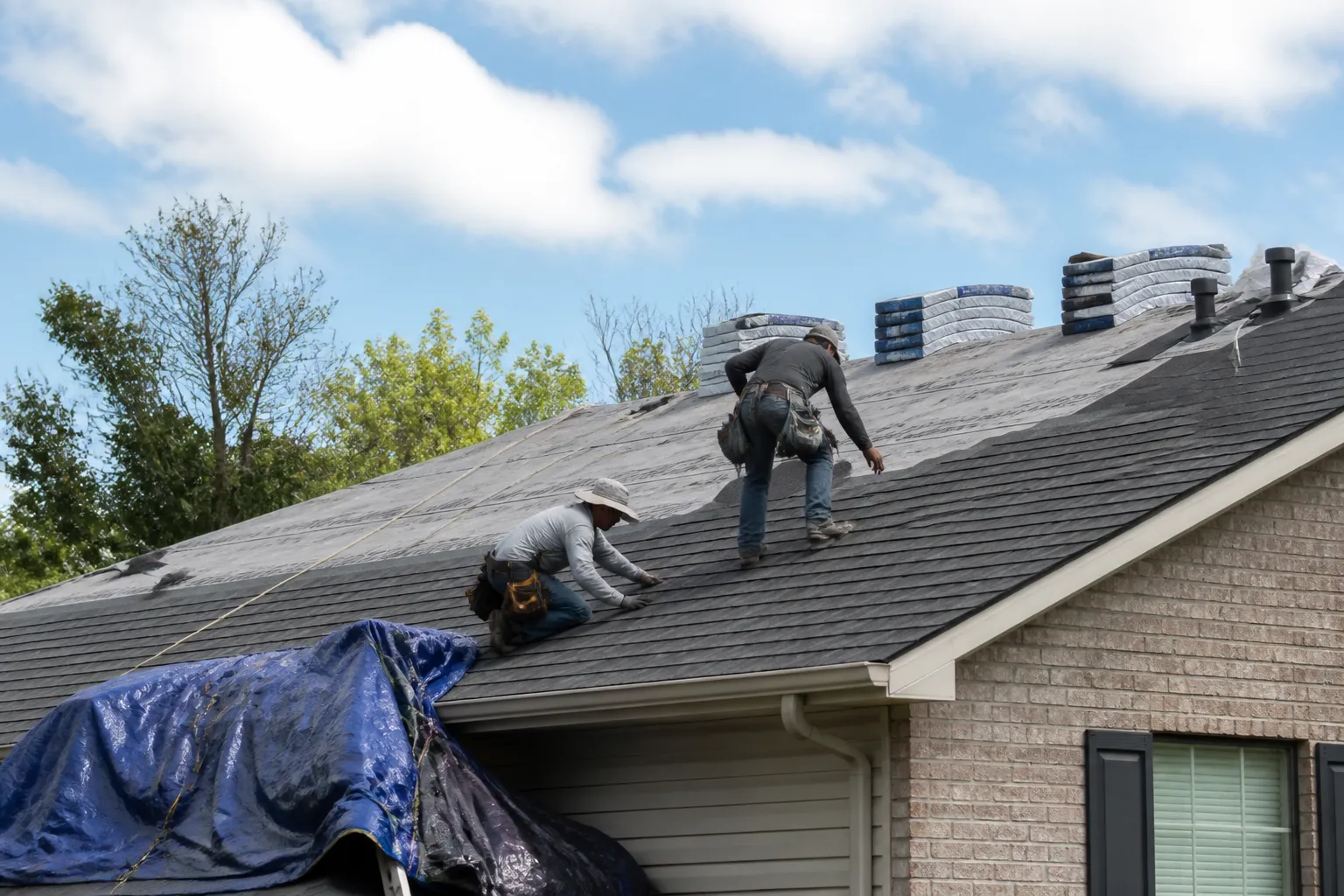
Roof replacement guidance for evaluating roof condition, materials, tear-off, ventilation, and written proposals in Texarkana, Arkansas.
Learn More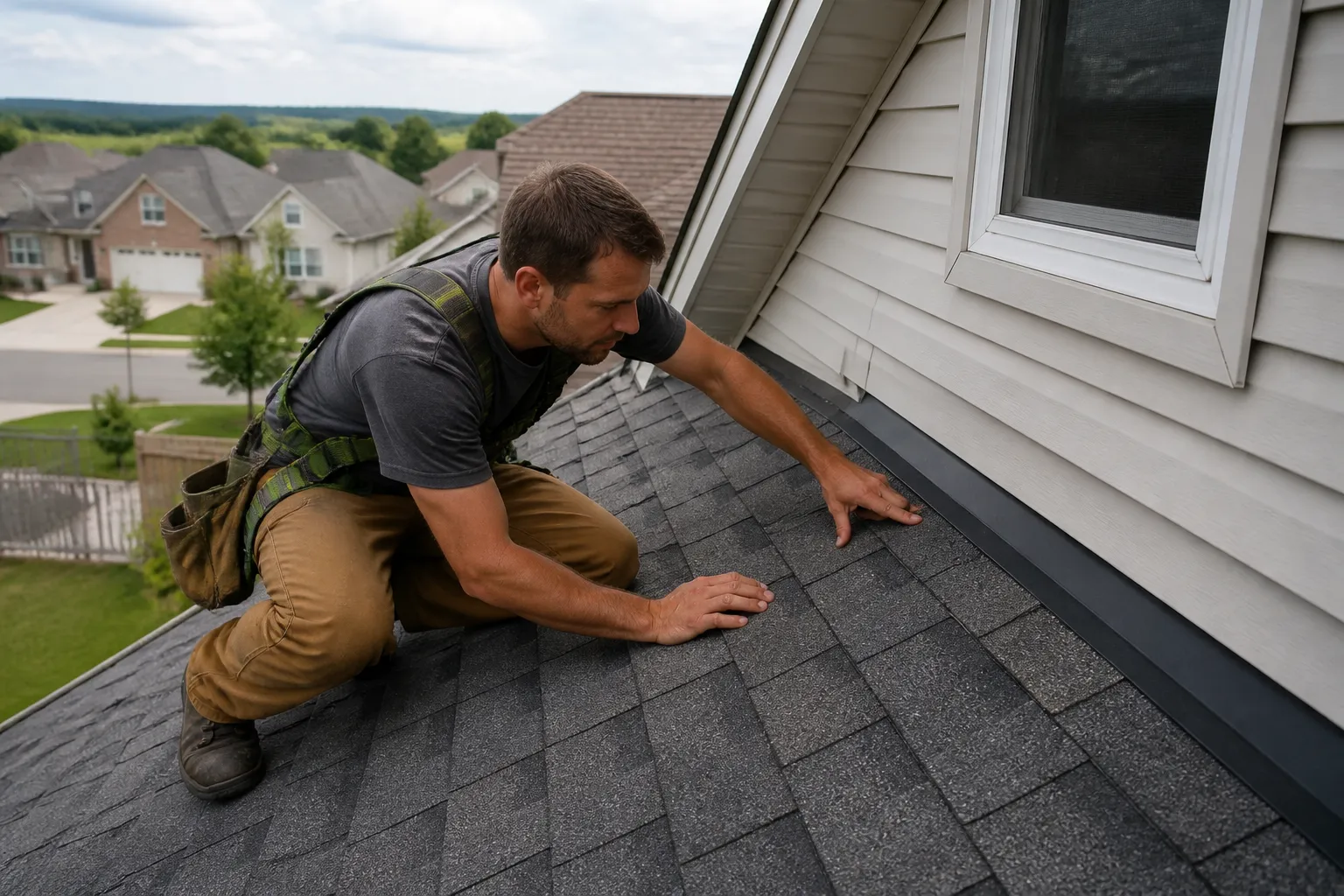
Get practical guidance on finding the source of a roof leak, repairing damaged shingles or flashing, and deciding when broader roof work merits comparison.
Learn More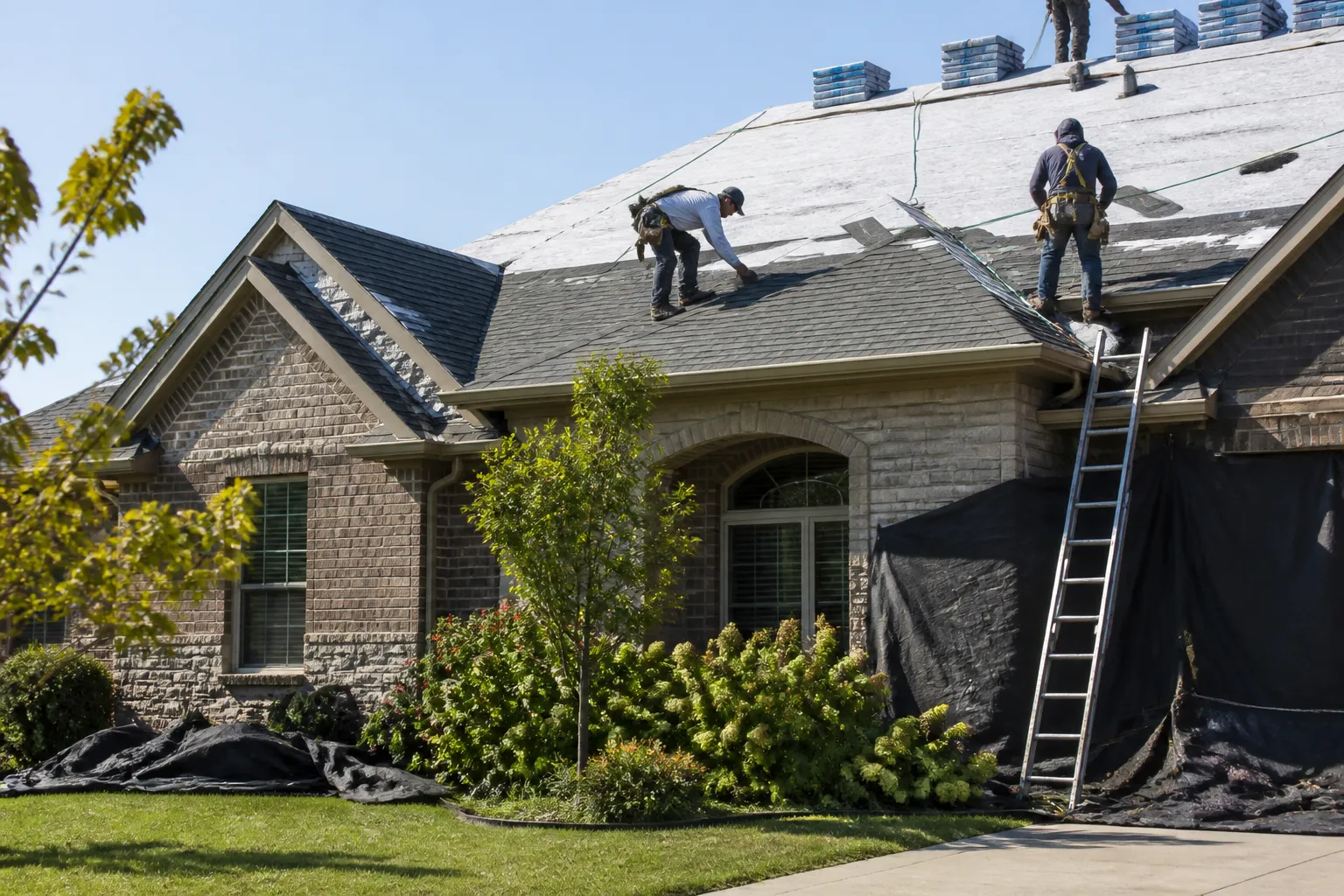
Compare roof replacement options, material systems, tear-off, decking, ventilation, site protection, cleanup, and itemized written proposals.
Learn More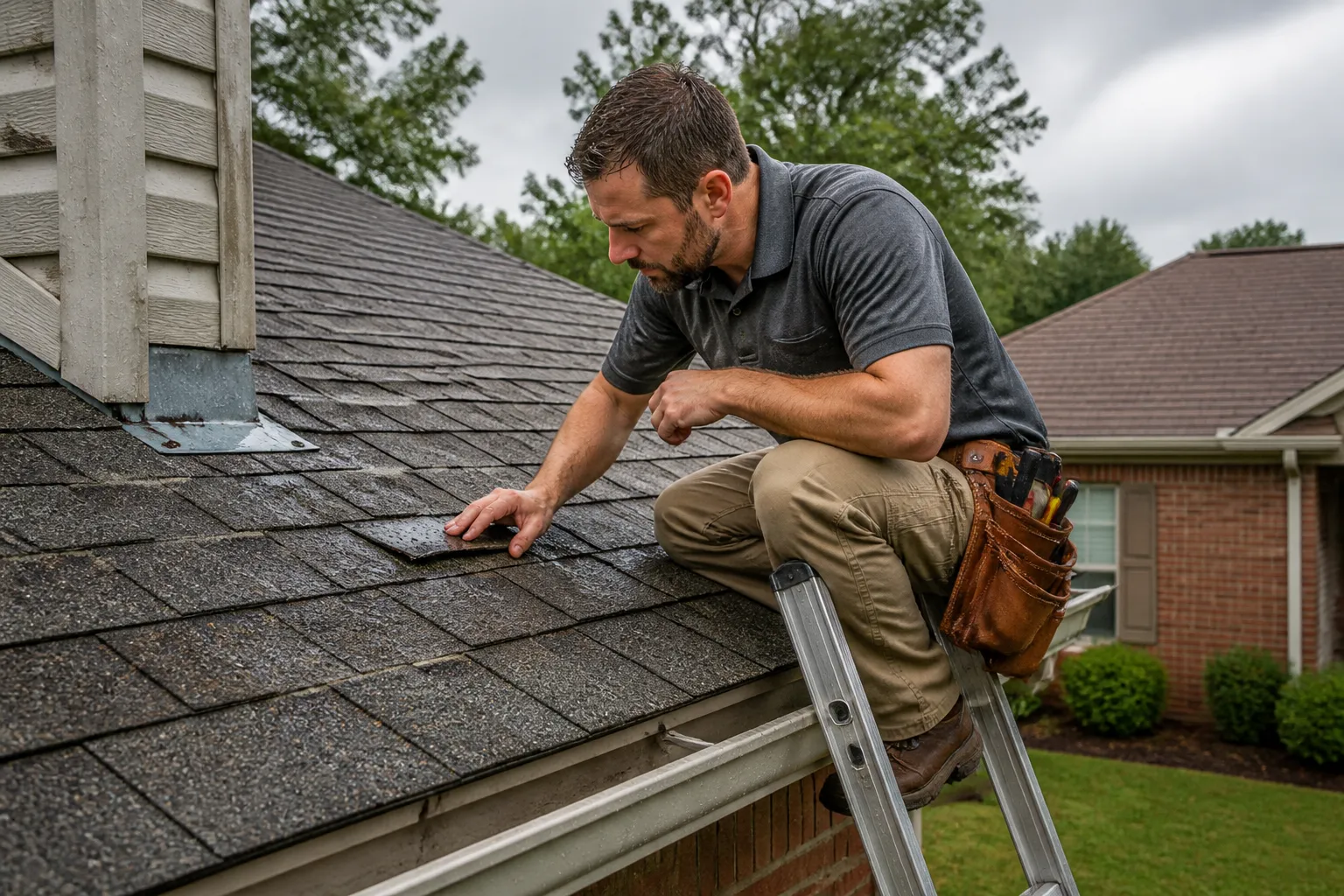
Guidance for tracing roof leaks, assessing damaged shingles, flashing, and penetrations, and comparing a focused repair with broader replacement needs in Jonesboro.
Learn More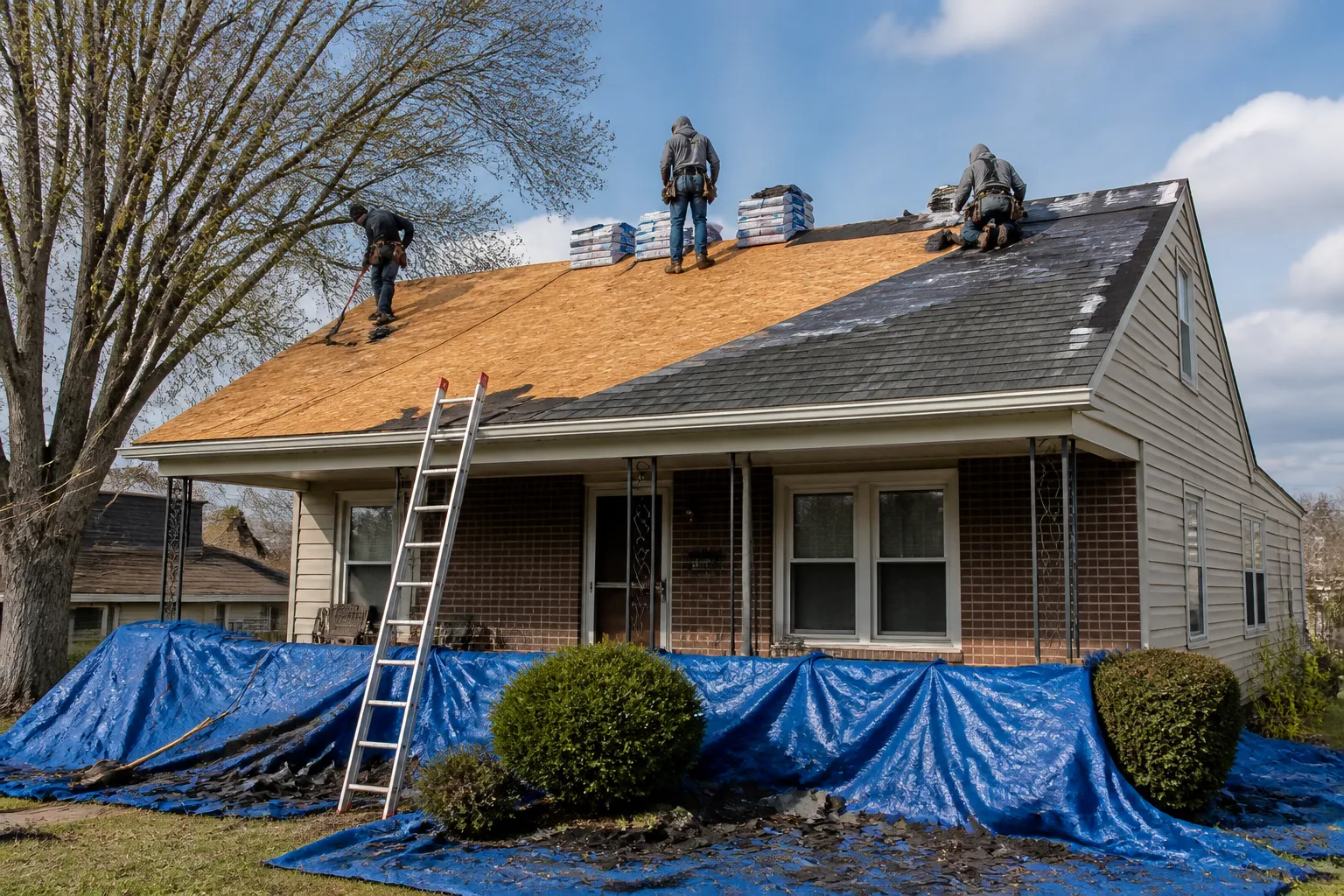
Review roof condition, material options, tear-off, decking, ventilation, property protection, and itemized proposal details for Jonesboro replacement projects.
Learn More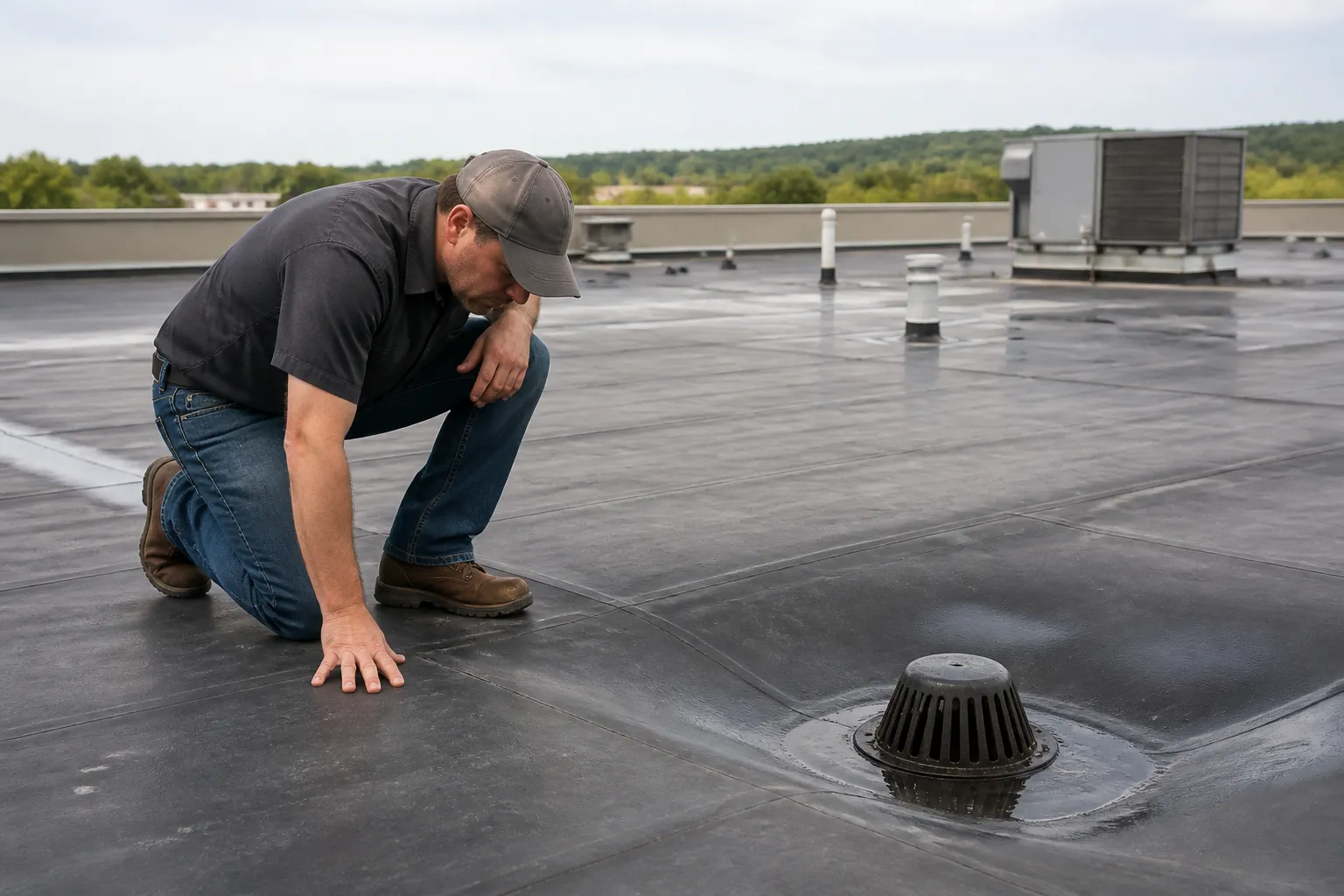
Commercial roof assessment, repair, replacement, drainage, membrane, metal, and project-planning guidance for Jonesboro properties.
Learn More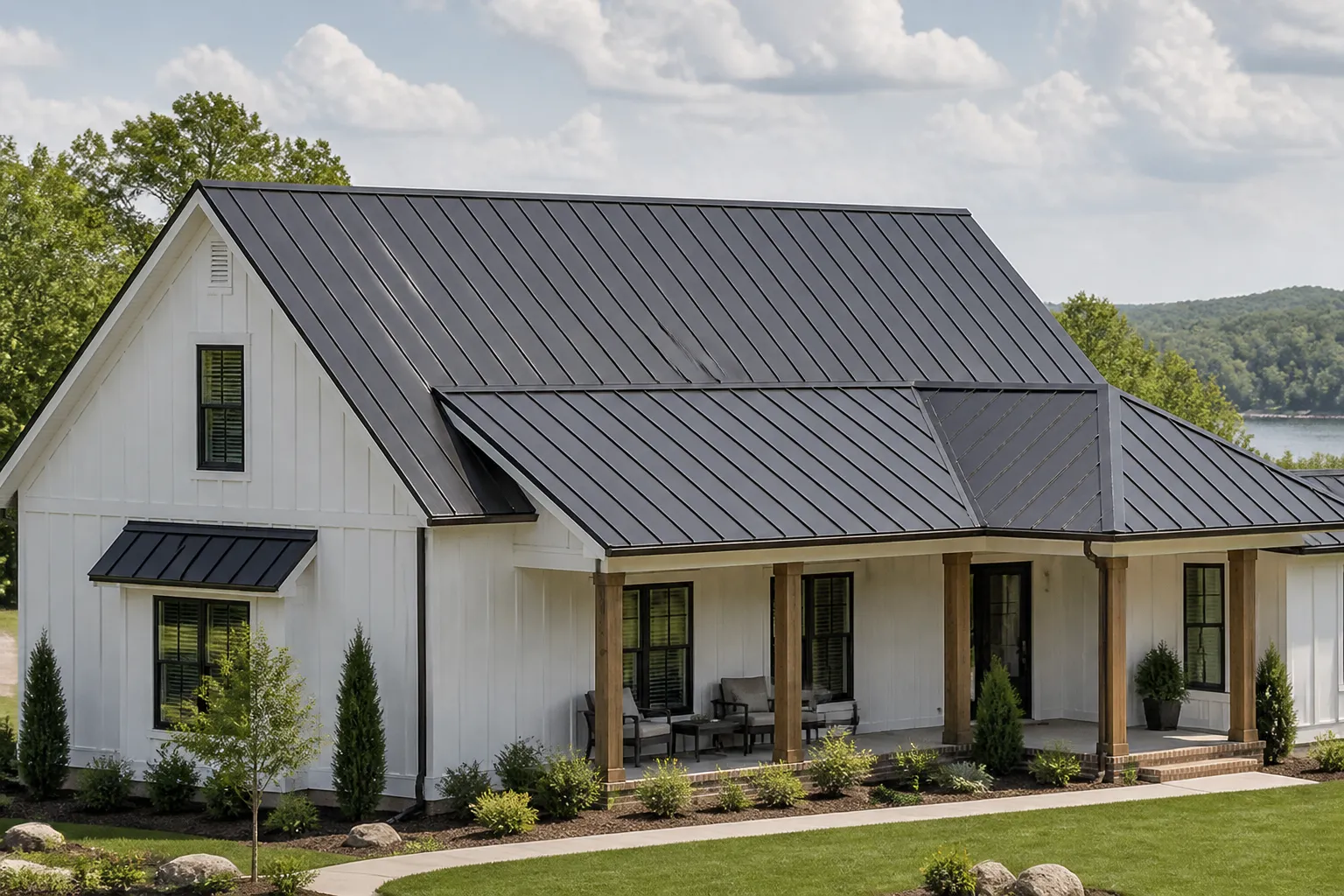
Compare standing-seam and exposed-fastener metal systems, underlayment, flashing, fastening, ventilation, and proposals for Jonesboro properties.
Learn More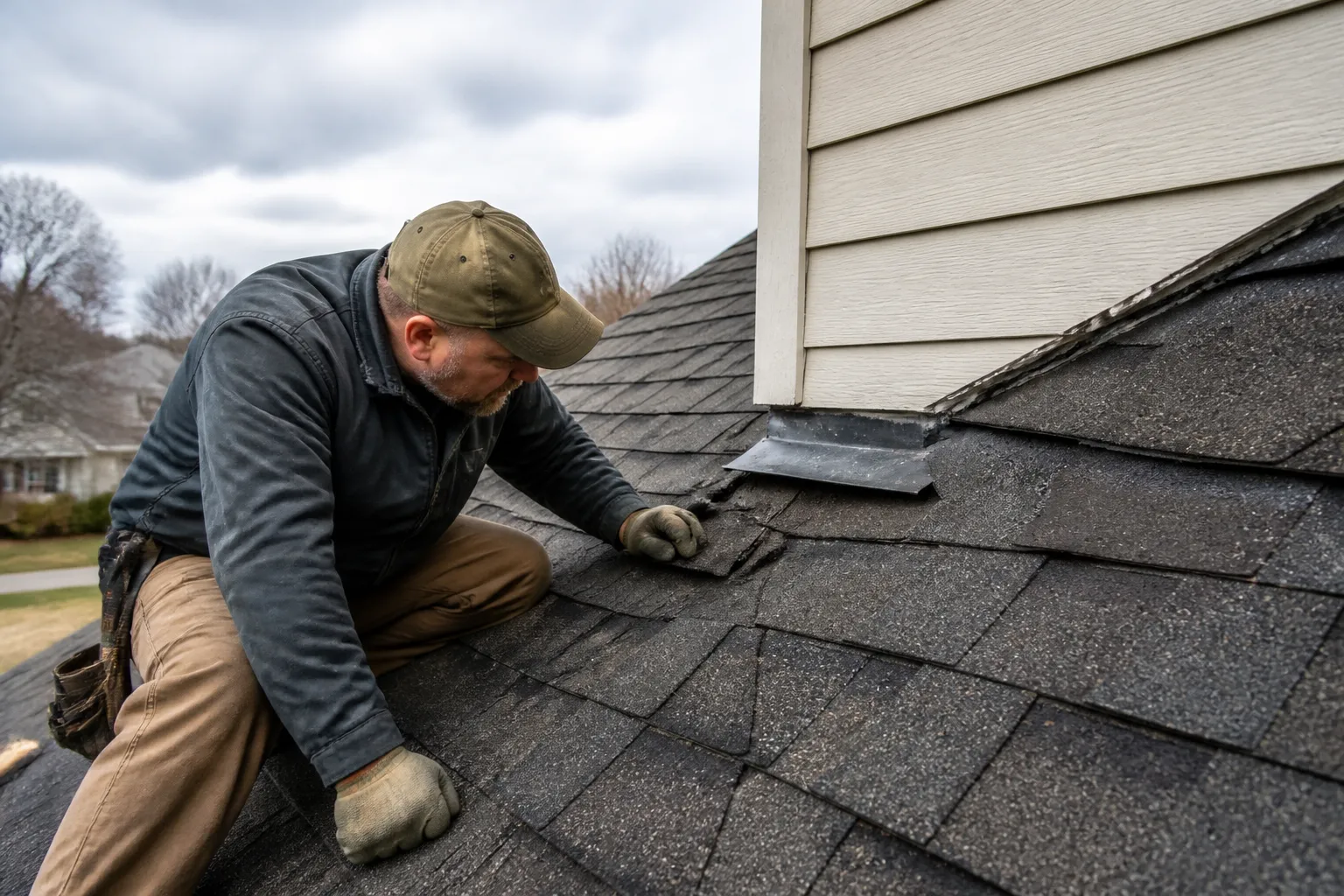
Guidance for tracing roof leaks, assessing shingles, flashing and penetrations, defining a repair scope, and comparing repair with replacement in Fort Smith.
Learn More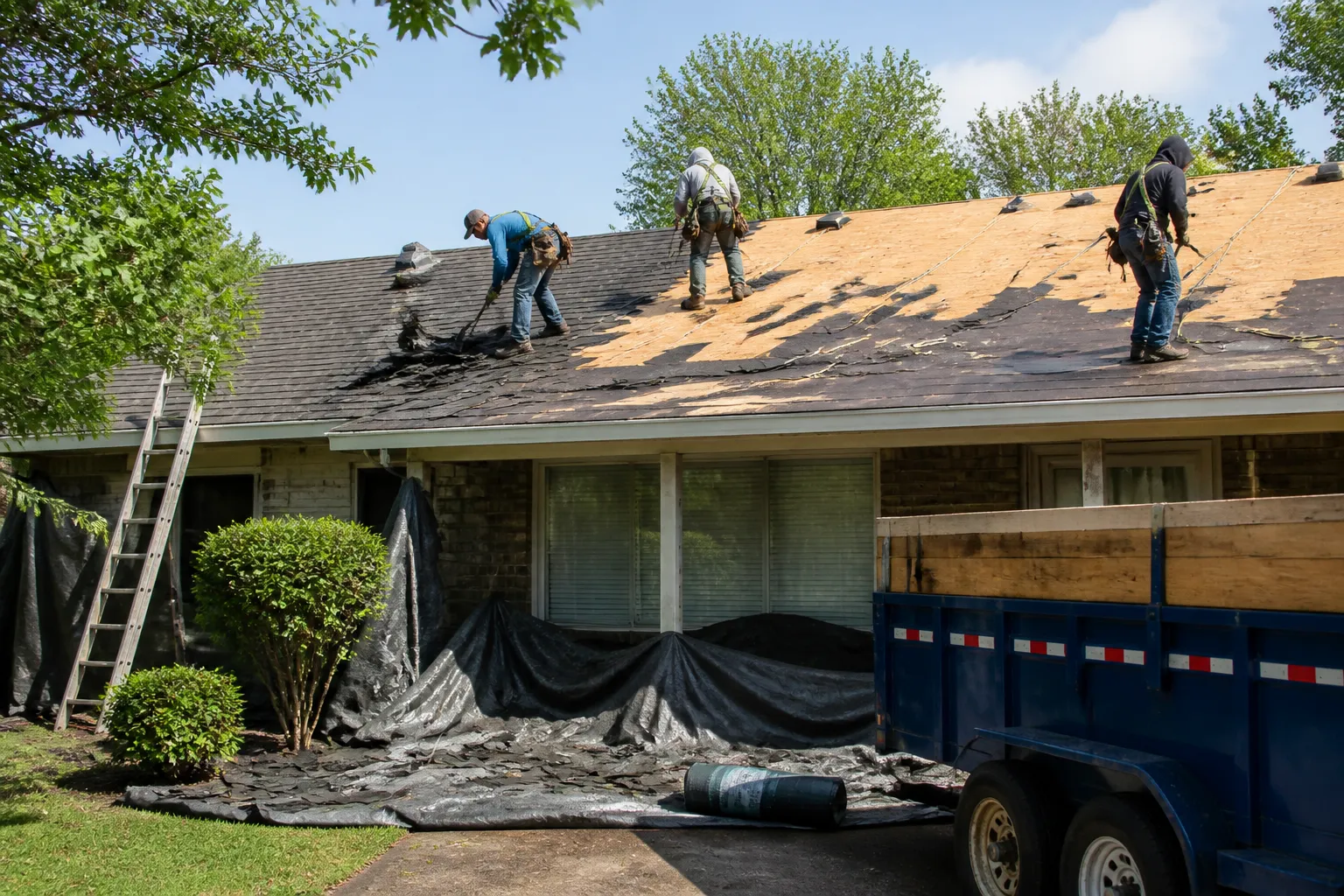
Review roof condition, material choices, tear-off, decking, ventilation, property protection, cleanup, and written-proposal comparisons for Fort Smith properties.
Learn More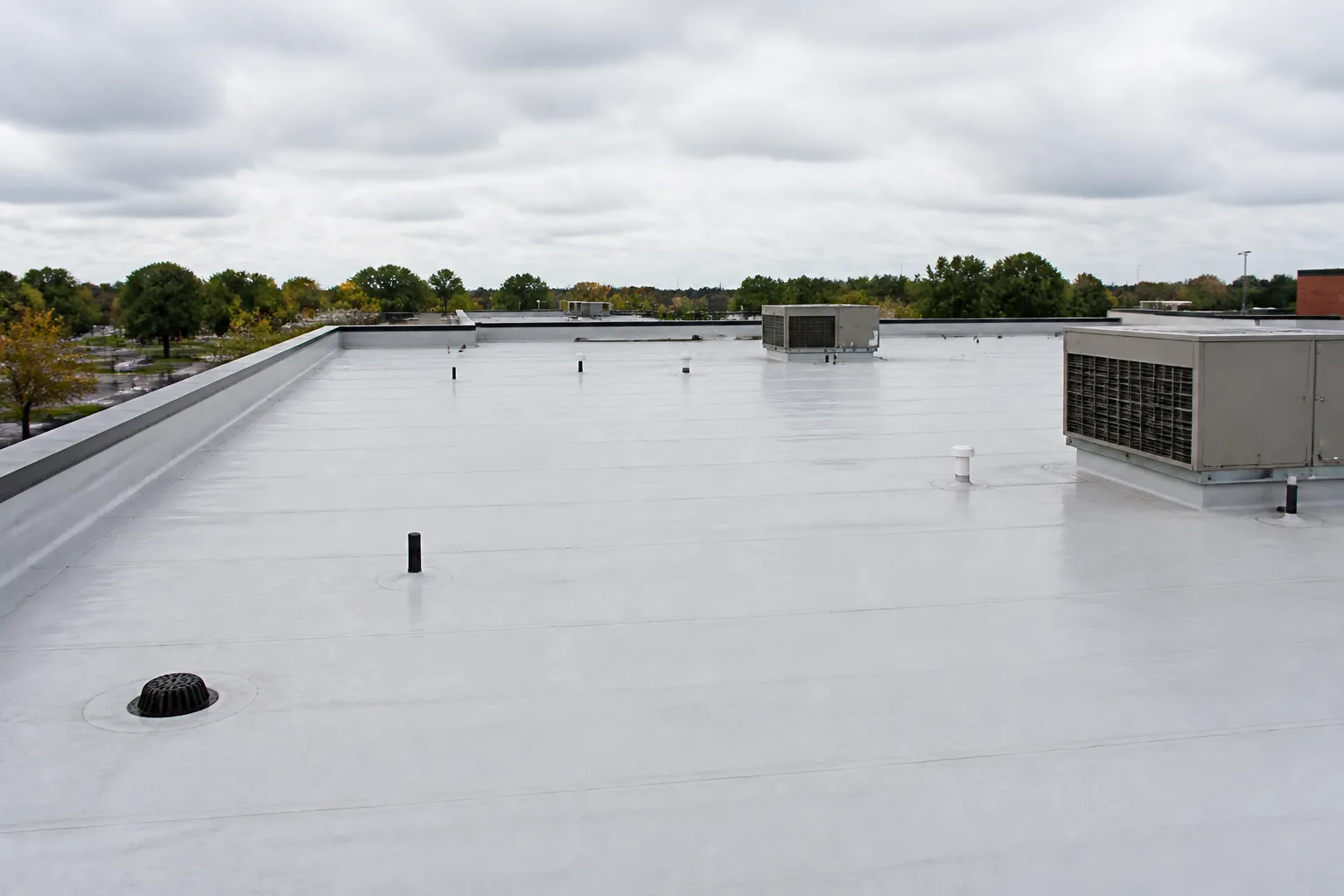
Commercial roof guidance for Fort Smith properties, covering assessment, leak diagnosis, drainage, penetrations, maintenance, system suitability, and project planning around occupied buildings.
Learn More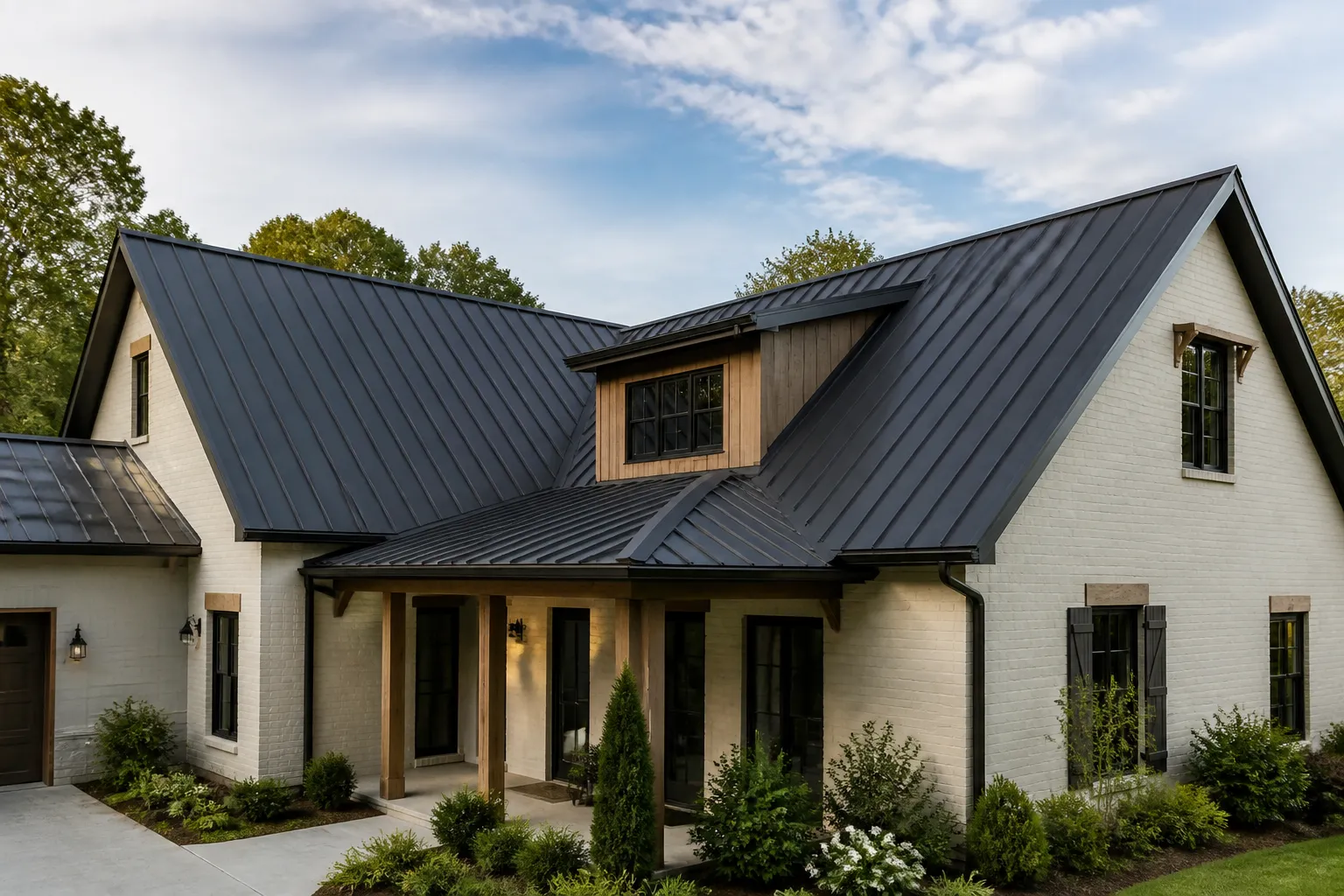
Metal roofing guidance for Fort Smith homes and suitable commercial properties, including panel systems, underlayment, flashing, fastening, ventilation, maintenance, and proposal comparisons.
Learn More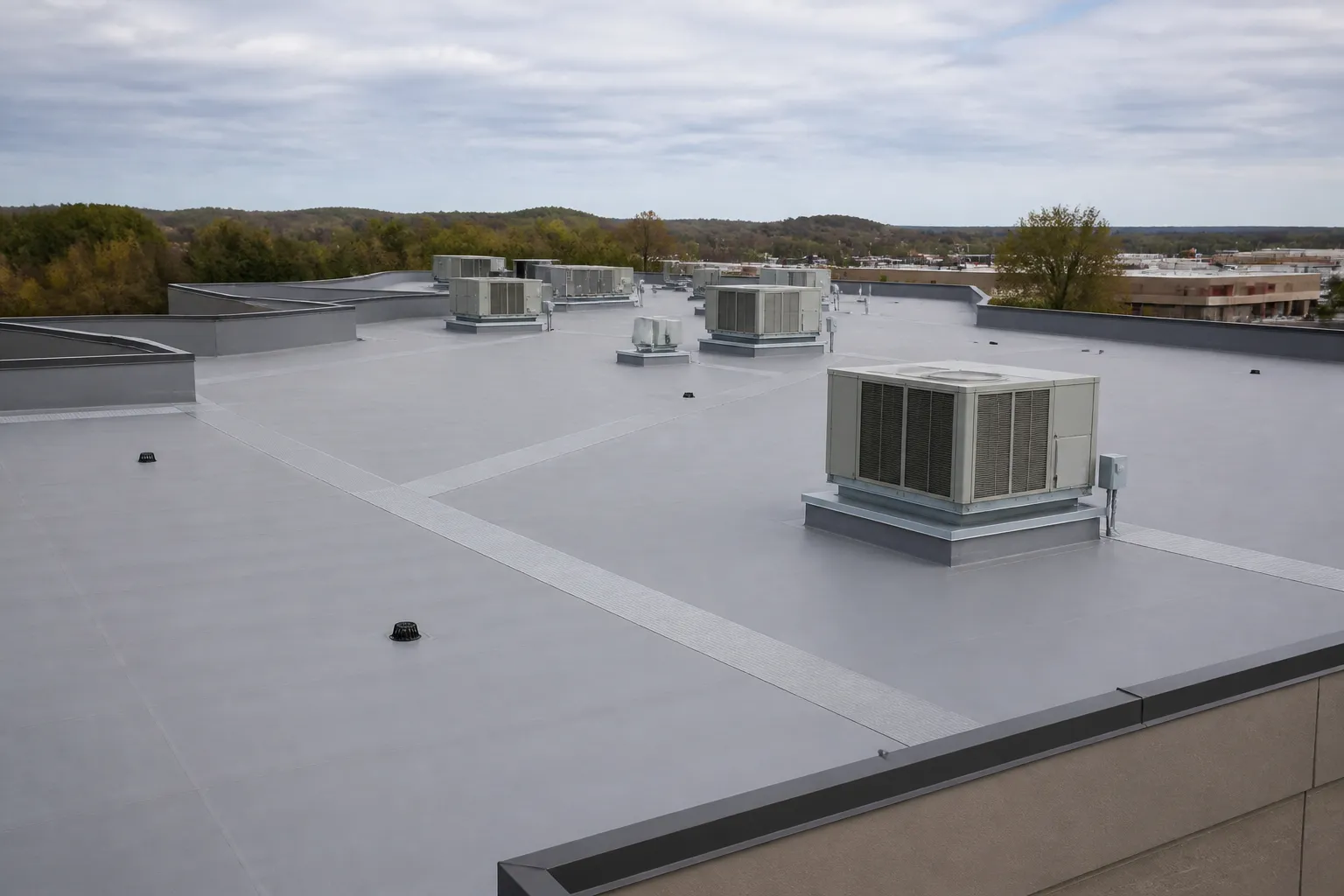
Guidance for assessing commercial roof leaks, drainage, penetrations, maintenance, repair, and replacement options for Bentonville properties.
Learn More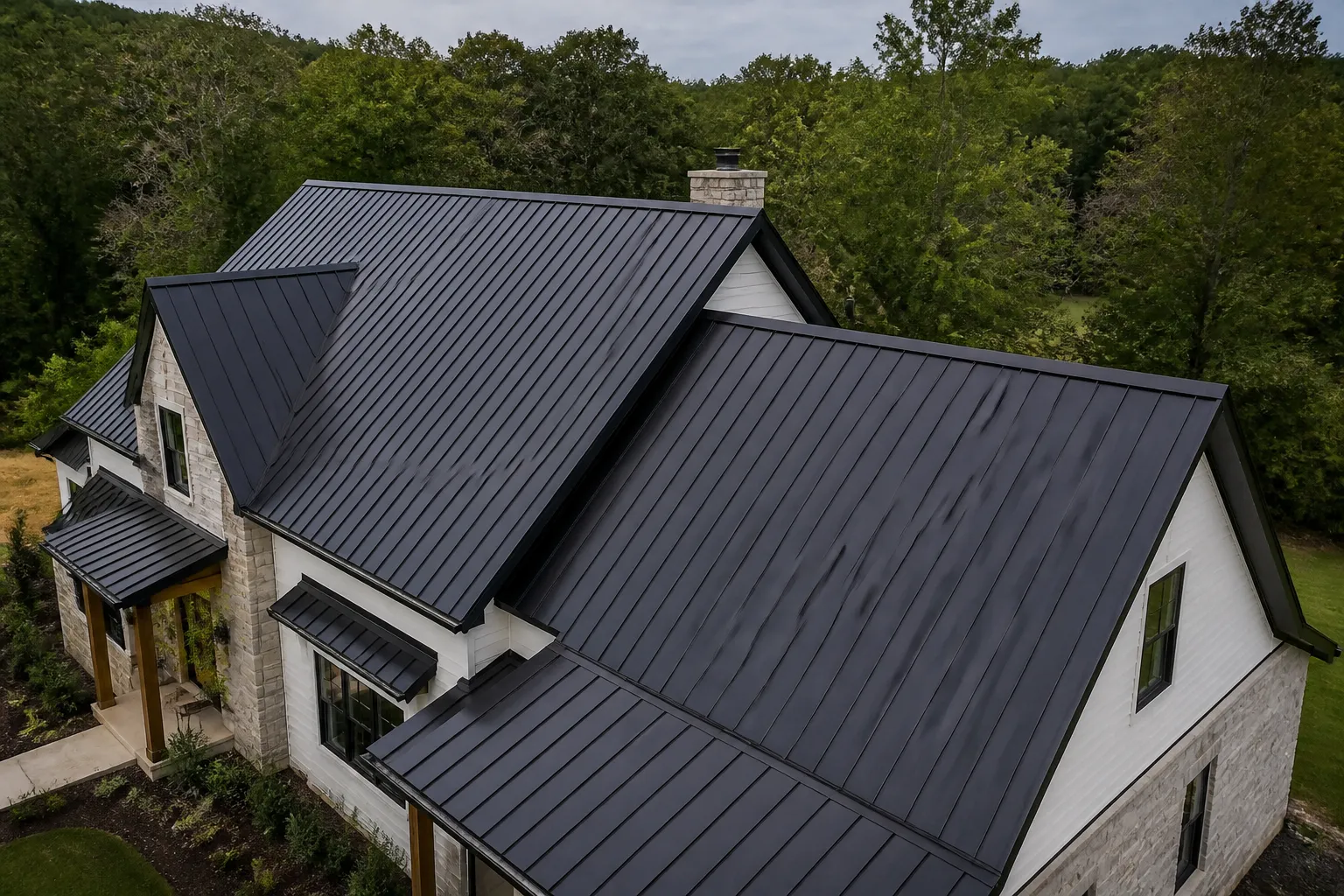
Compare standing-seam and exposed-fastener roof systems, underlayment, flashing, thermal movement, ventilation, maintenance, and written proposals in Bentonville.
Learn More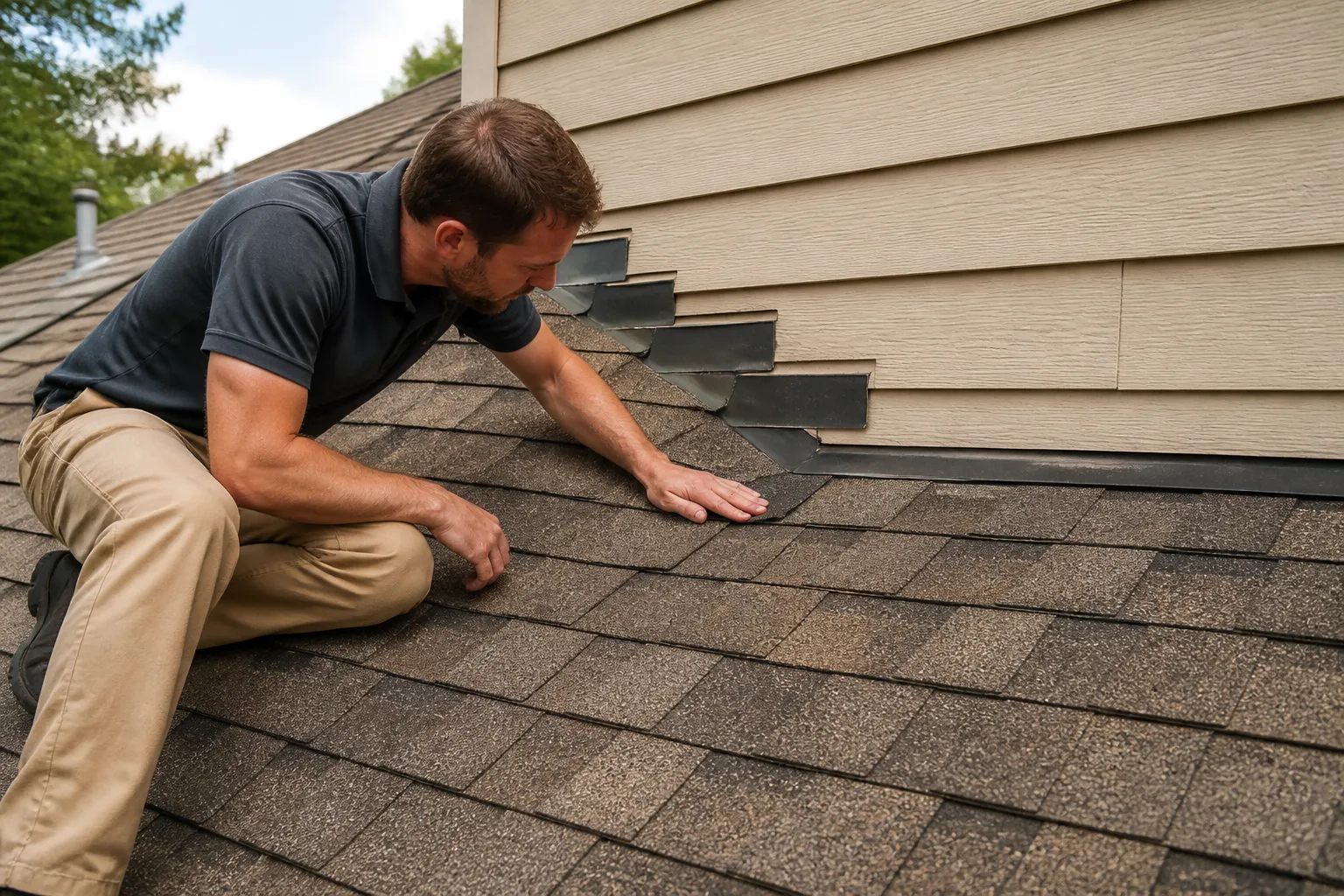
Roof repair guidance for Bentonville property owners dealing with leaks, damaged shingles, flashing concerns, roof penetrations, or recurring water intrusion.
Learn More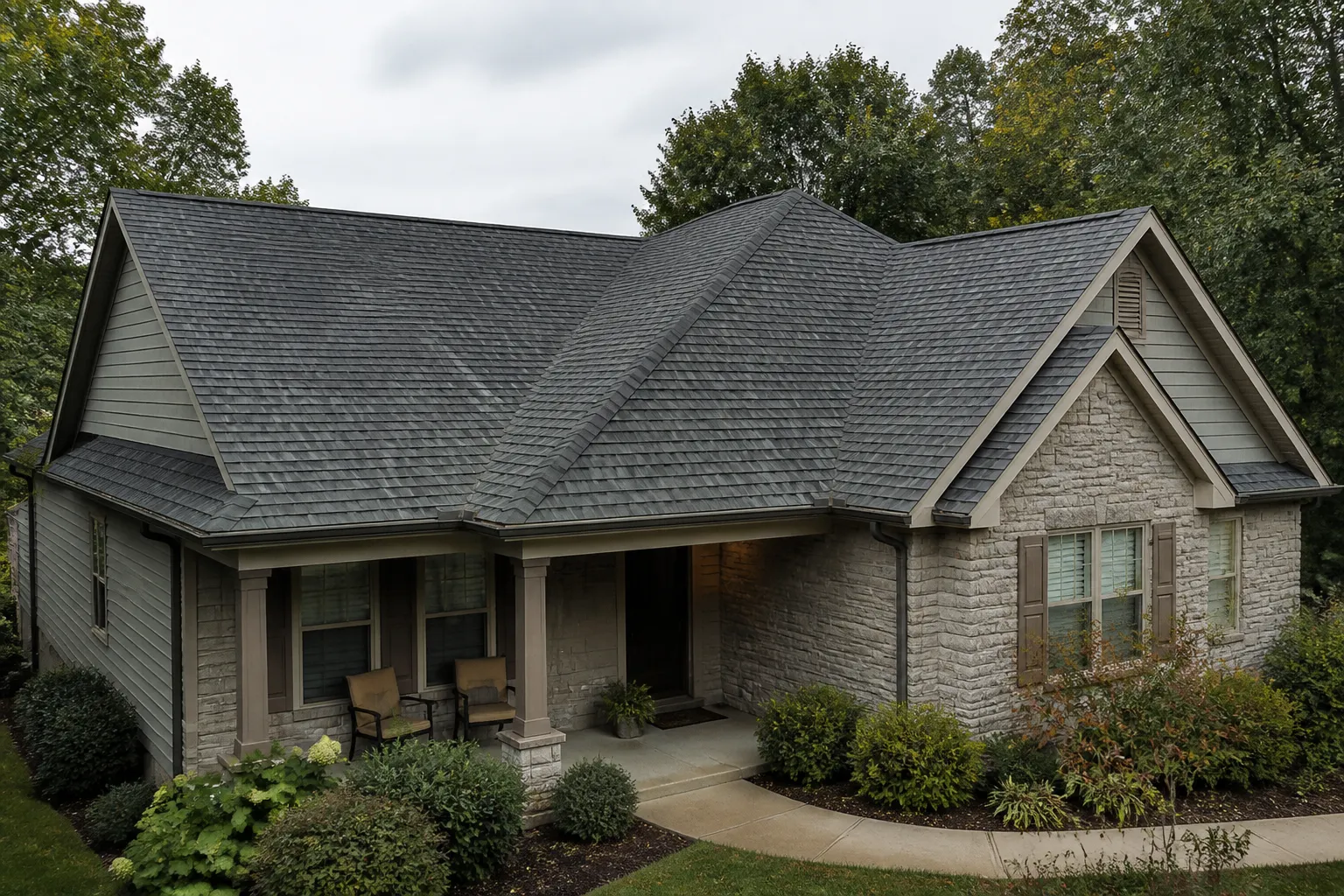
Roof replacement guidance for Bentonville property owners comparing roof condition, materials, tear-off, decking, ventilation, property protection, cleanup, and written proposals.
Learn More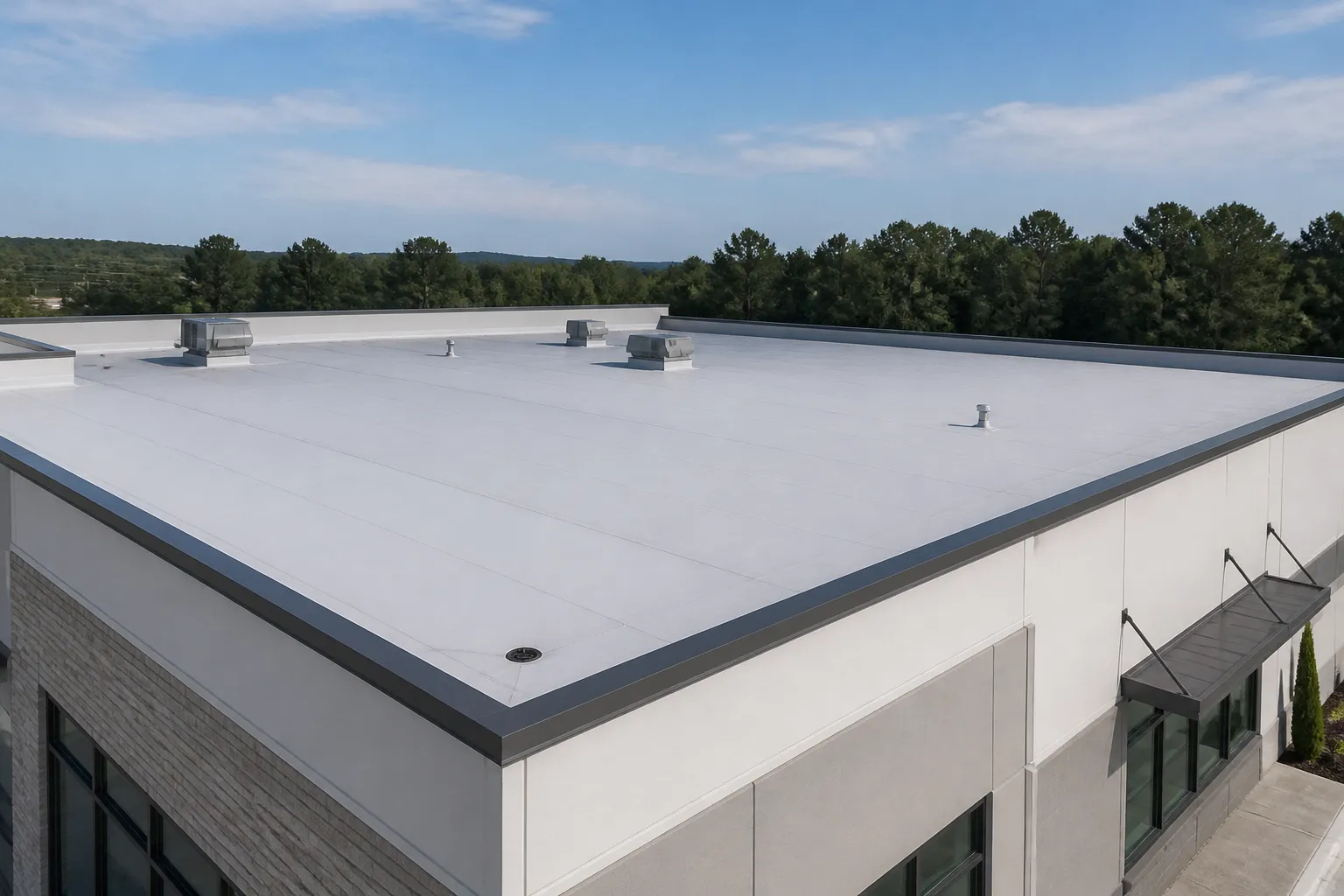
Roofing guidance for Conway commercial properties, including leak assessment, drainage, maintenance, repair, replacement, and planning around building operations.
Learn More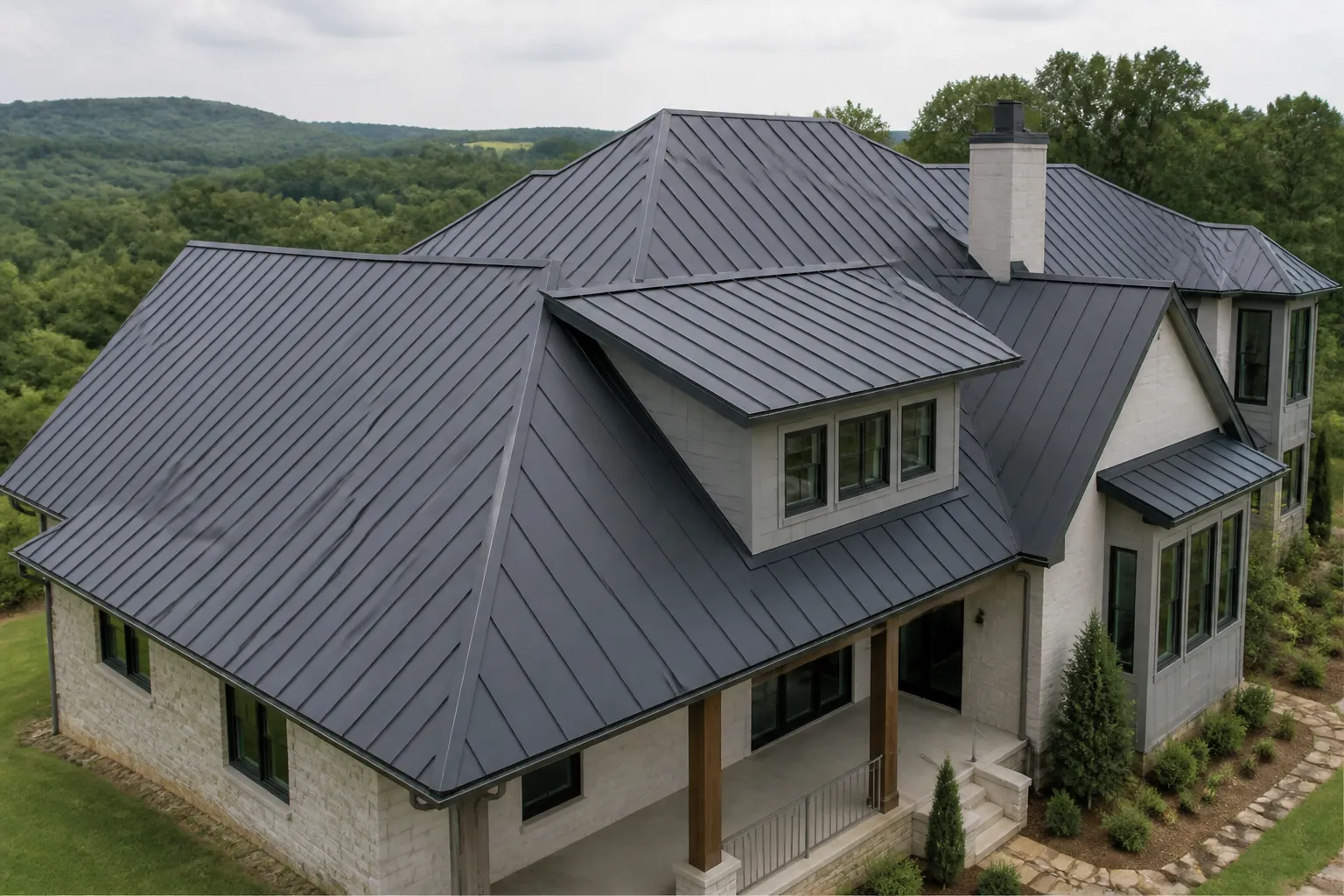
Compare standing-seam and exposed-fastener metal roof systems in Conway, including underlayment, flashing, fastening, ventilation, thermal movement, and written proposals.
Learn More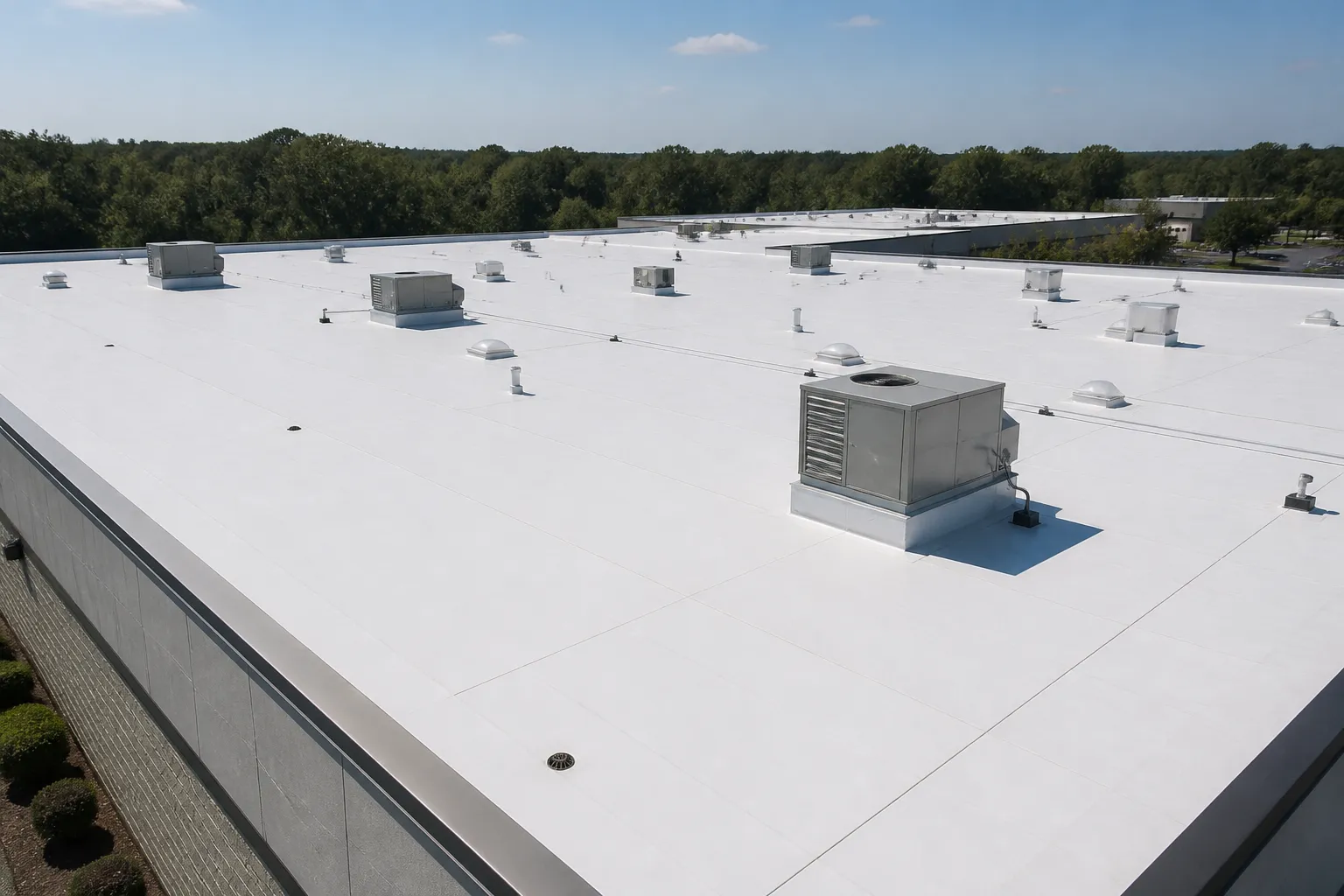
Commercial roofing guidance for Hot Springs property owners assessing leaks, drainage, penetrations, maintenance, and repair or replacement options for occupied buildings.
Learn More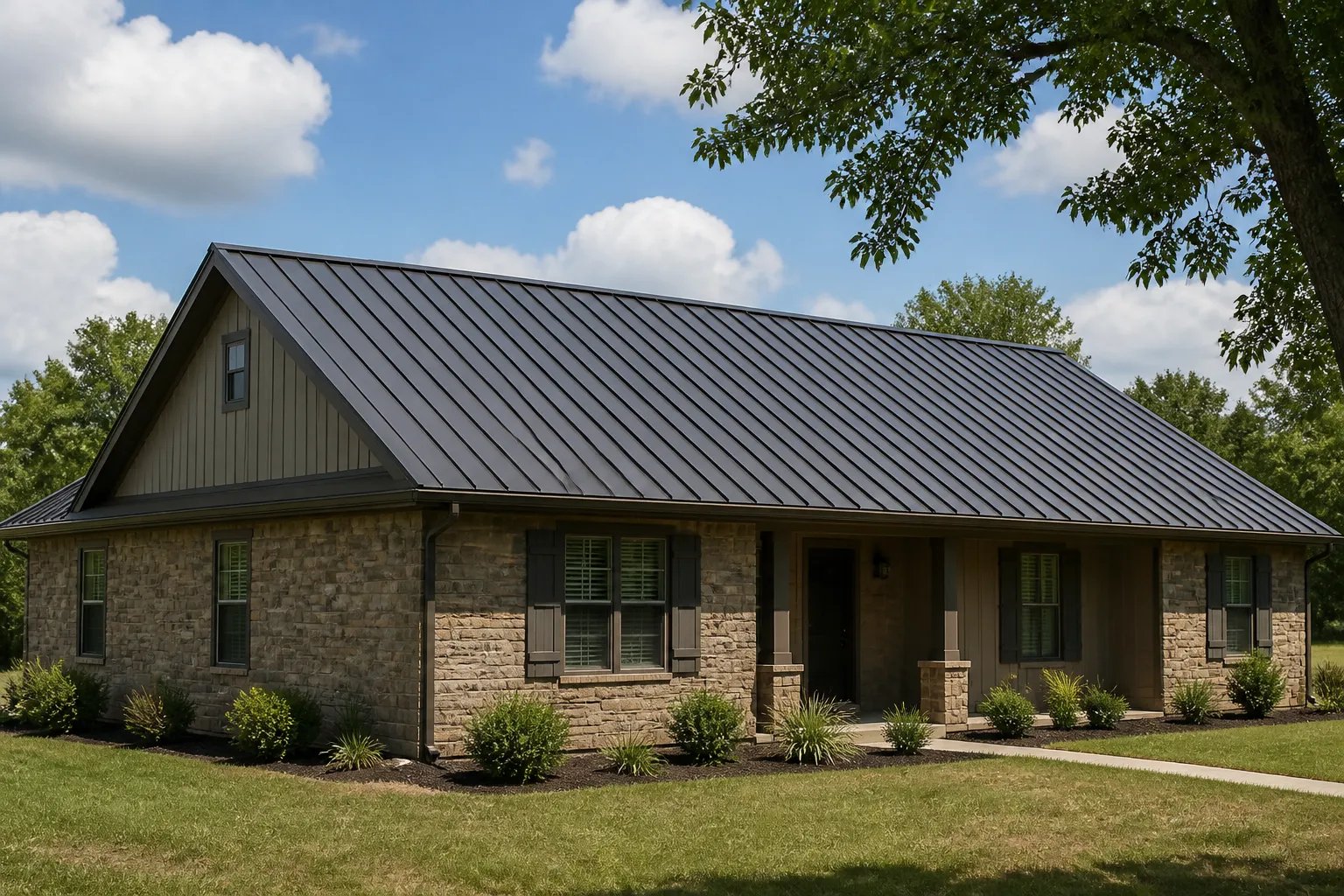
Metal roofing guidance for Hot Springs properties comparing standing-seam and exposed-fastener panels, underlayment, flashing, ventilation, and written scopes.
Learn More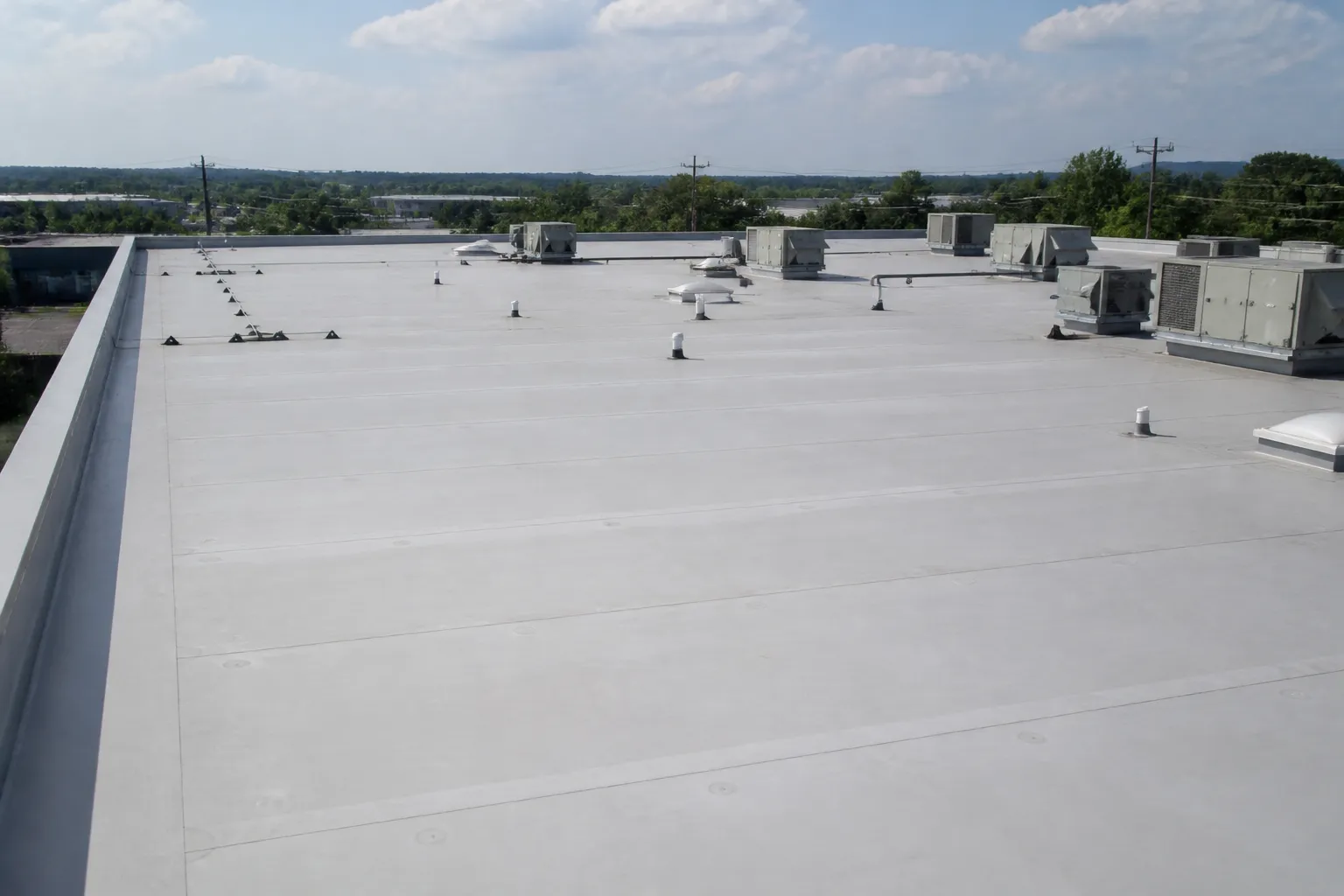
Review commercial roof leaks, drainage, penetrations, repair and replacement planning, and maintenance considerations for Pine Bluff properties.
Learn More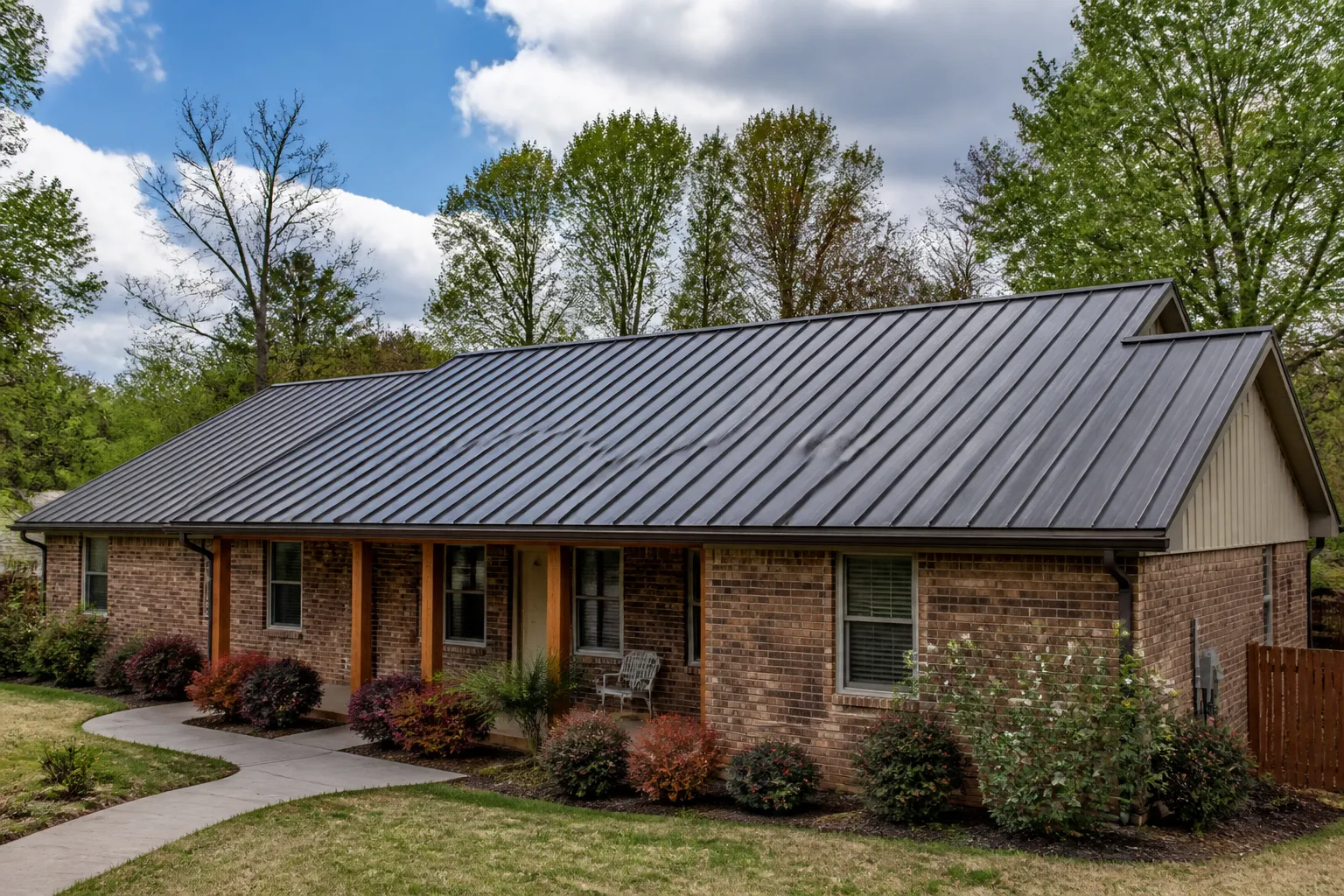
Compare metal roofing systems, installation details, ventilation, maintenance, and written proposal scopes for Pine Bluff homes and suitable commercial buildings.
Learn More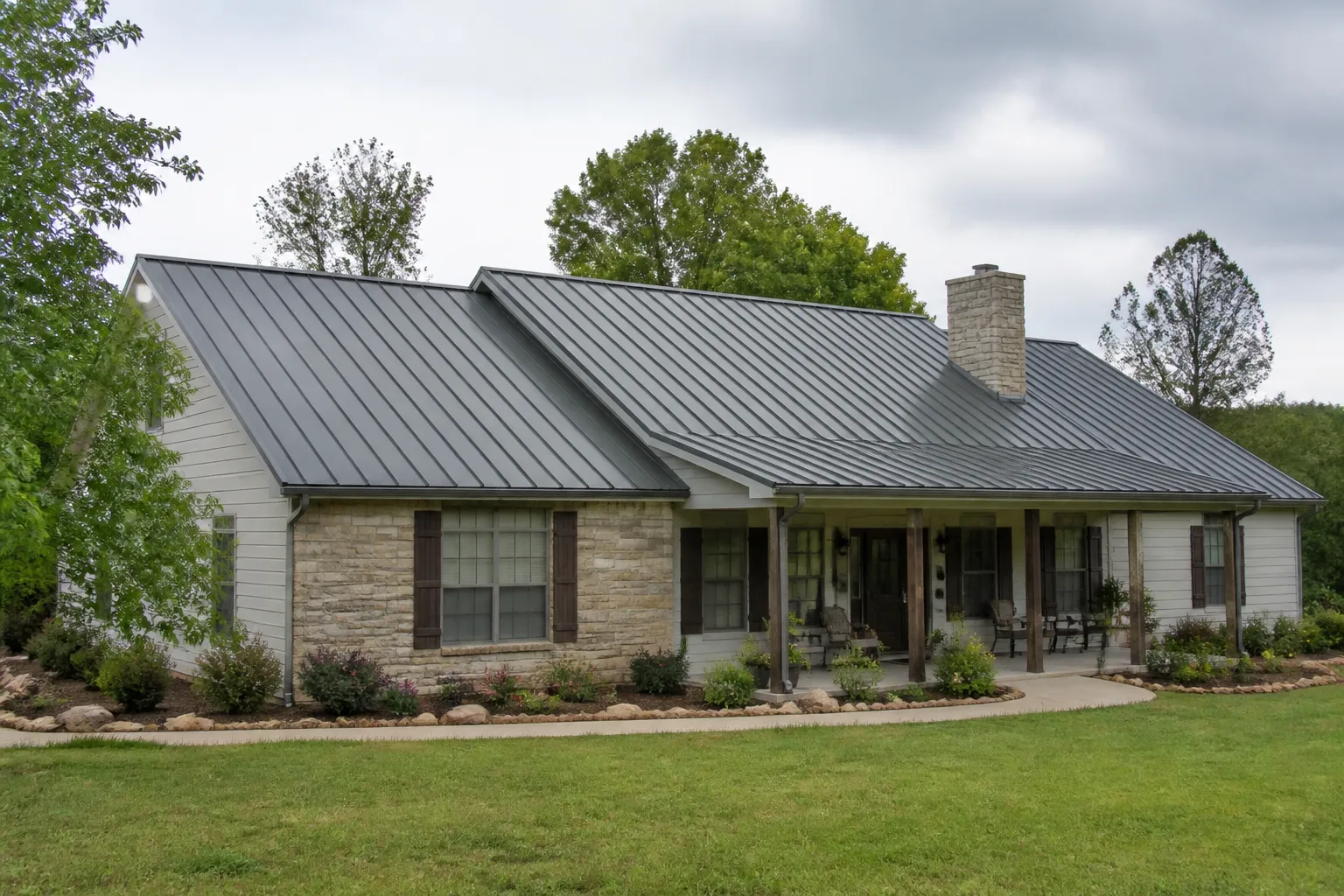
Compare standing-seam and exposed-fastener metal roofing, roof details, ventilation, maintenance, and written proposals in Russellville.
Learn More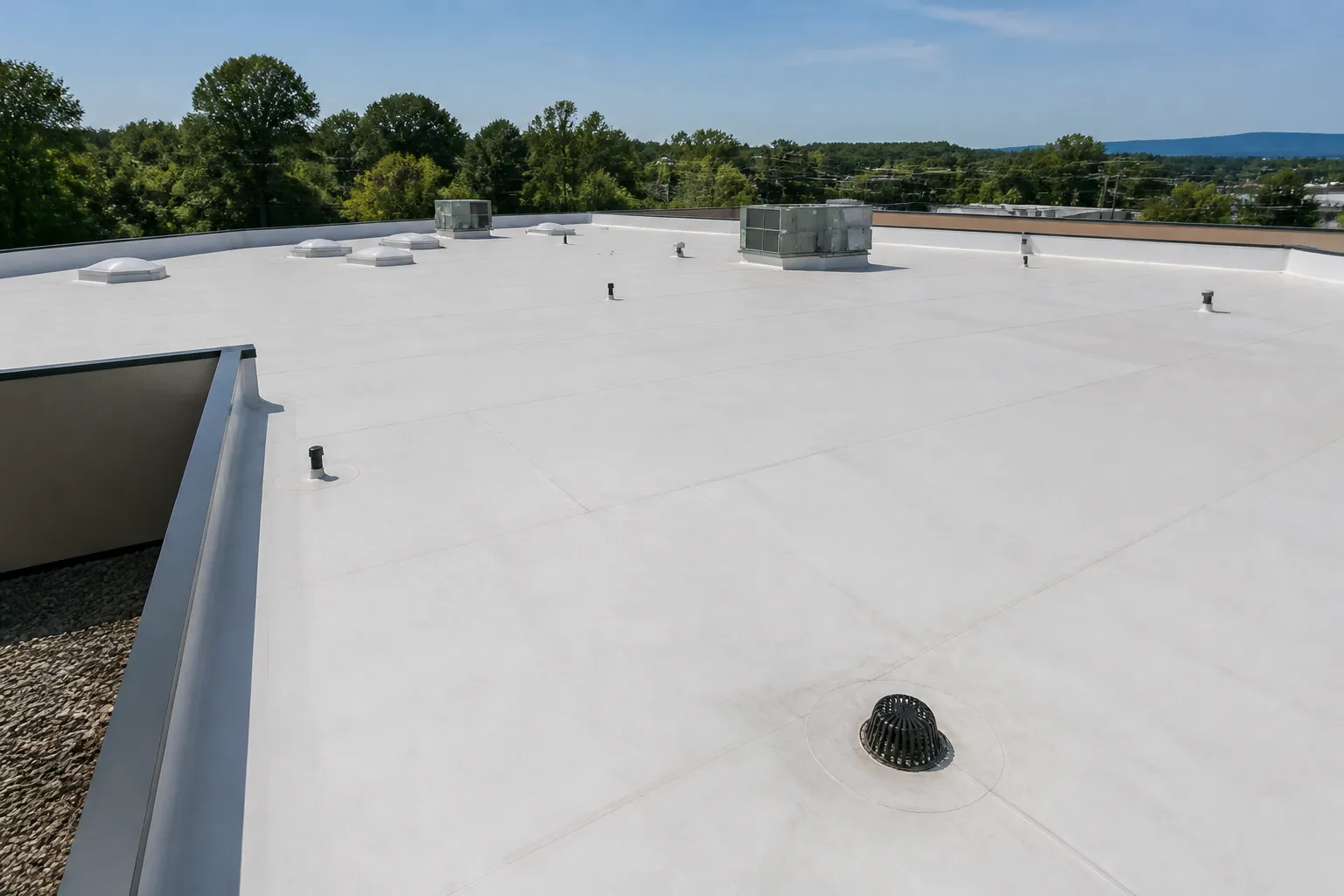
Review commercial roof leaks, drainage, penetrations, maintenance, repair, and replacement planning for Russellville properties.
Learn More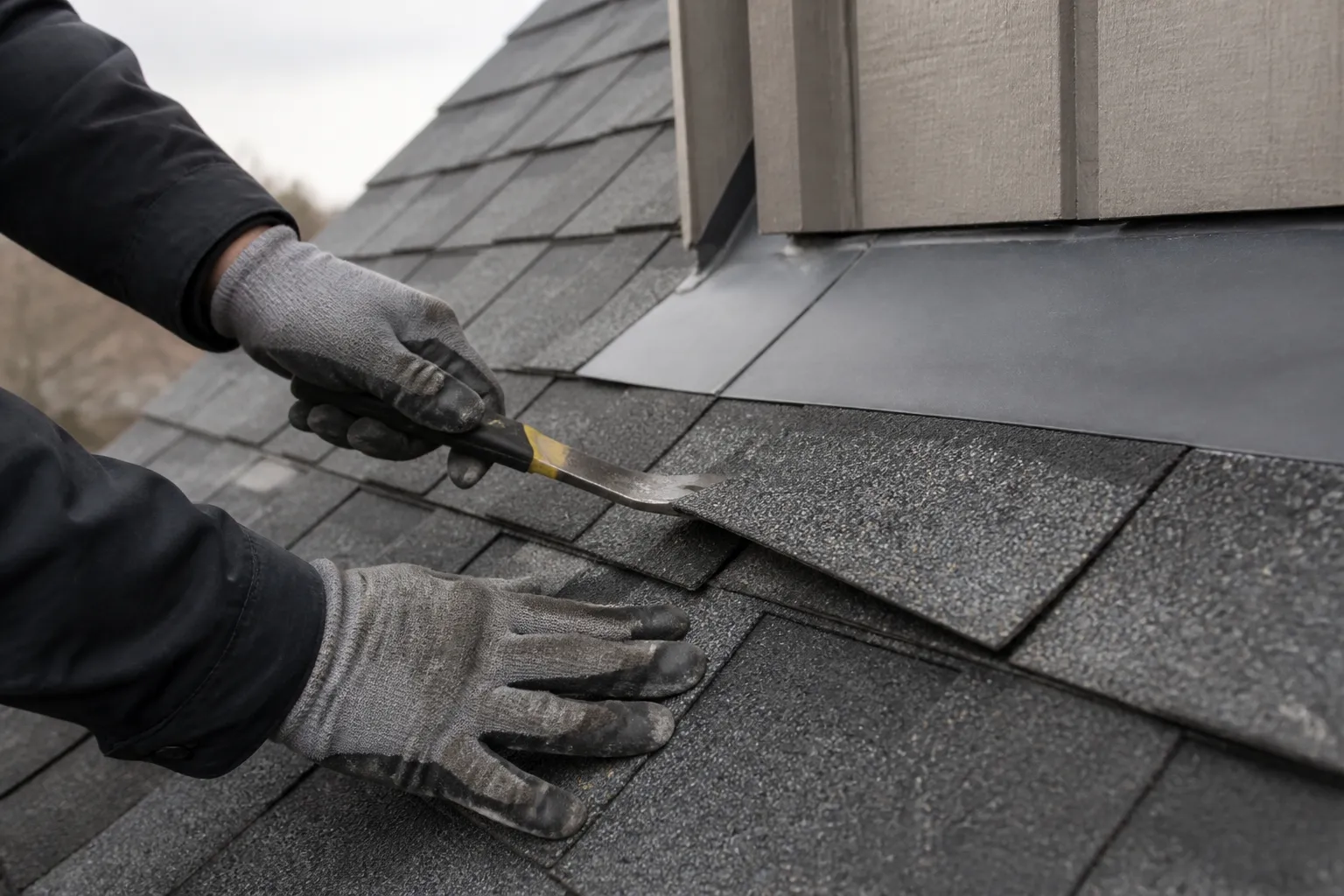
Rogers roof repair guidance for leaks, damaged shingles, flashing, penetrations, and recurring water intrusion, with practical ways to understand repair scope and when replacement may merit comparison.
Learn More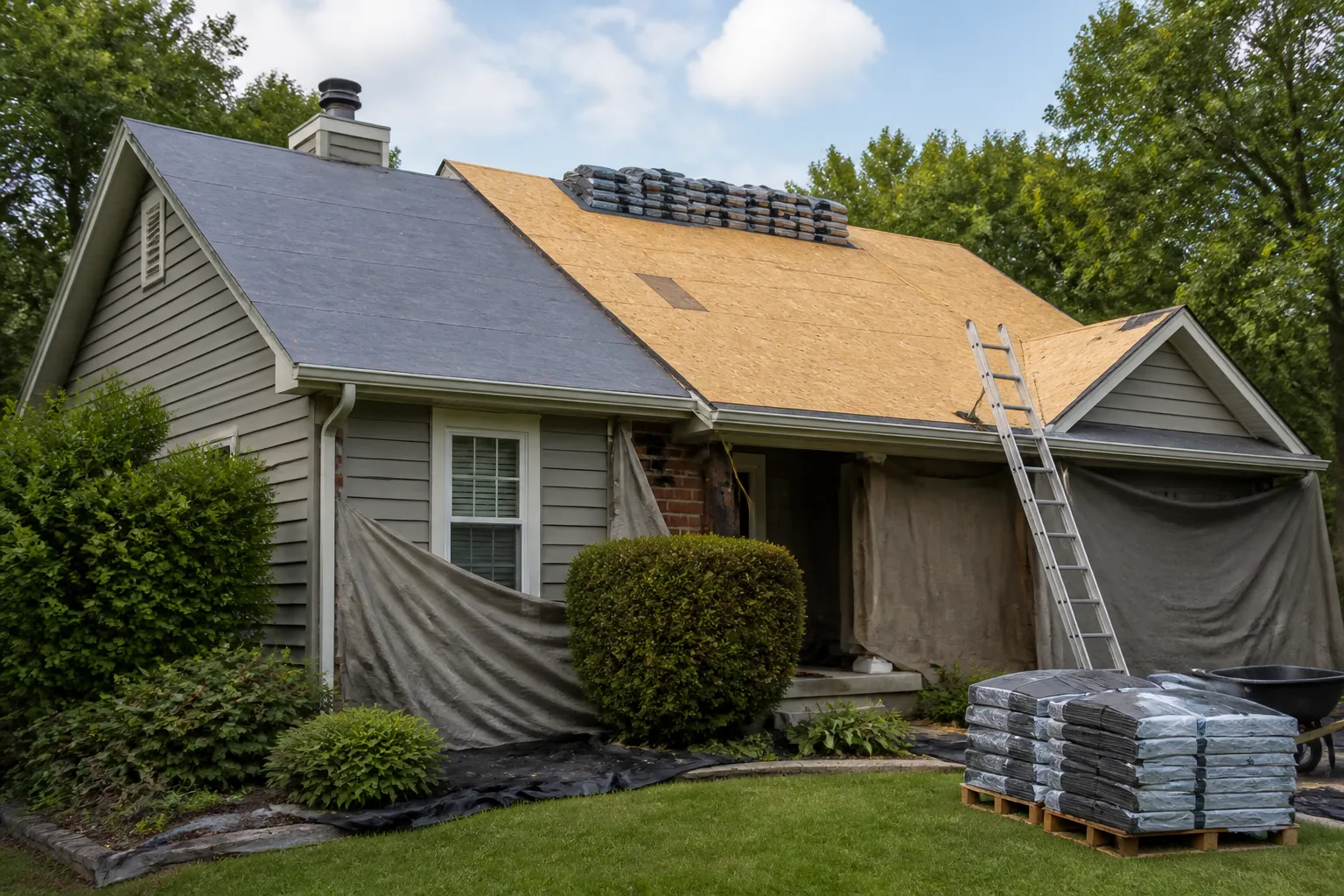
Compare roof replacement options in Rogers, including assessment, material choices, tear-off, decking, ventilation, property protection, cleanup, and itemized written scopes.
Learn More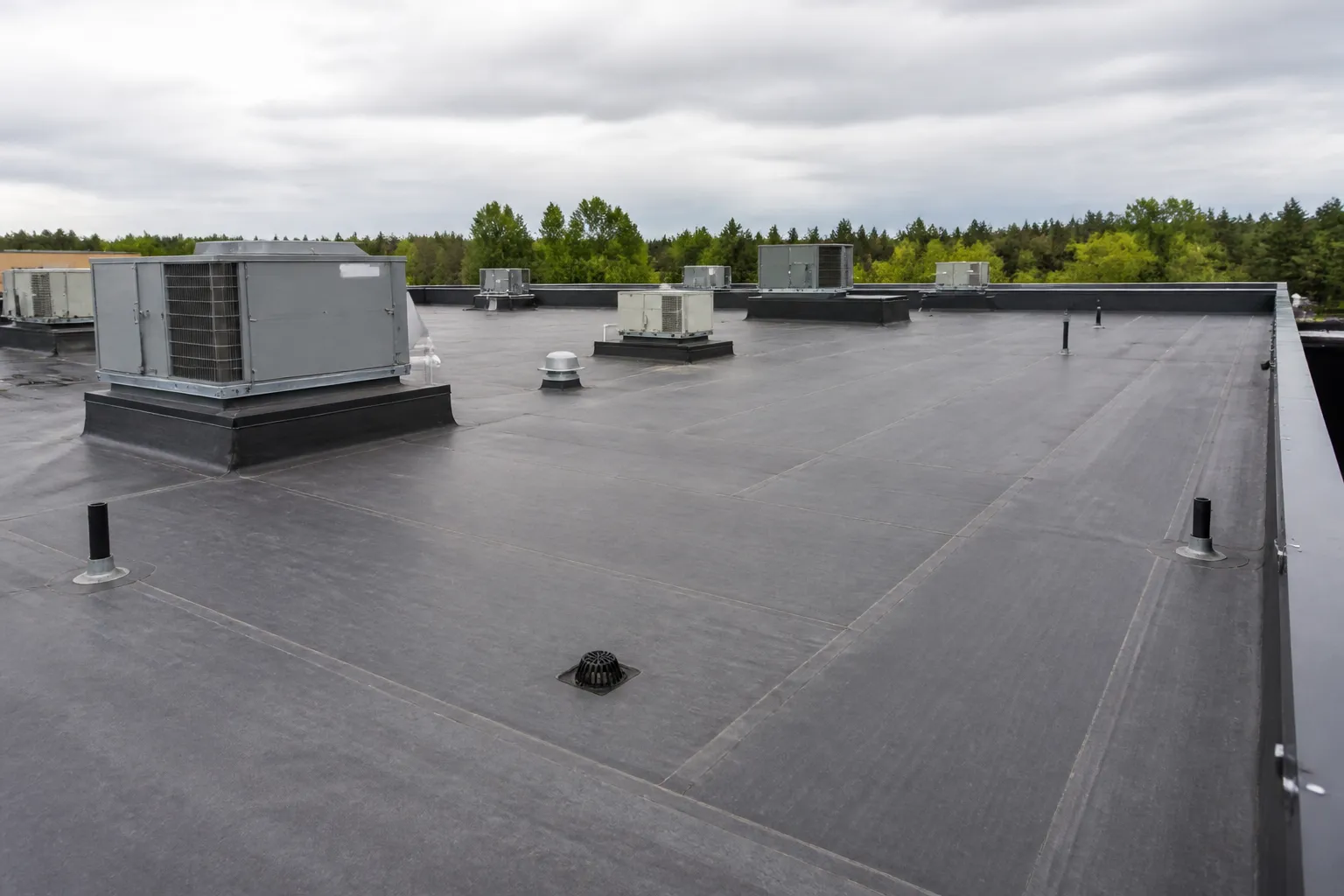
Commercial roof assessments in Rogers for leaks, drainage, penetrations, maintenance planning, repair-versus-replacement decisions, and work coordination at occupied buildings.
Learn More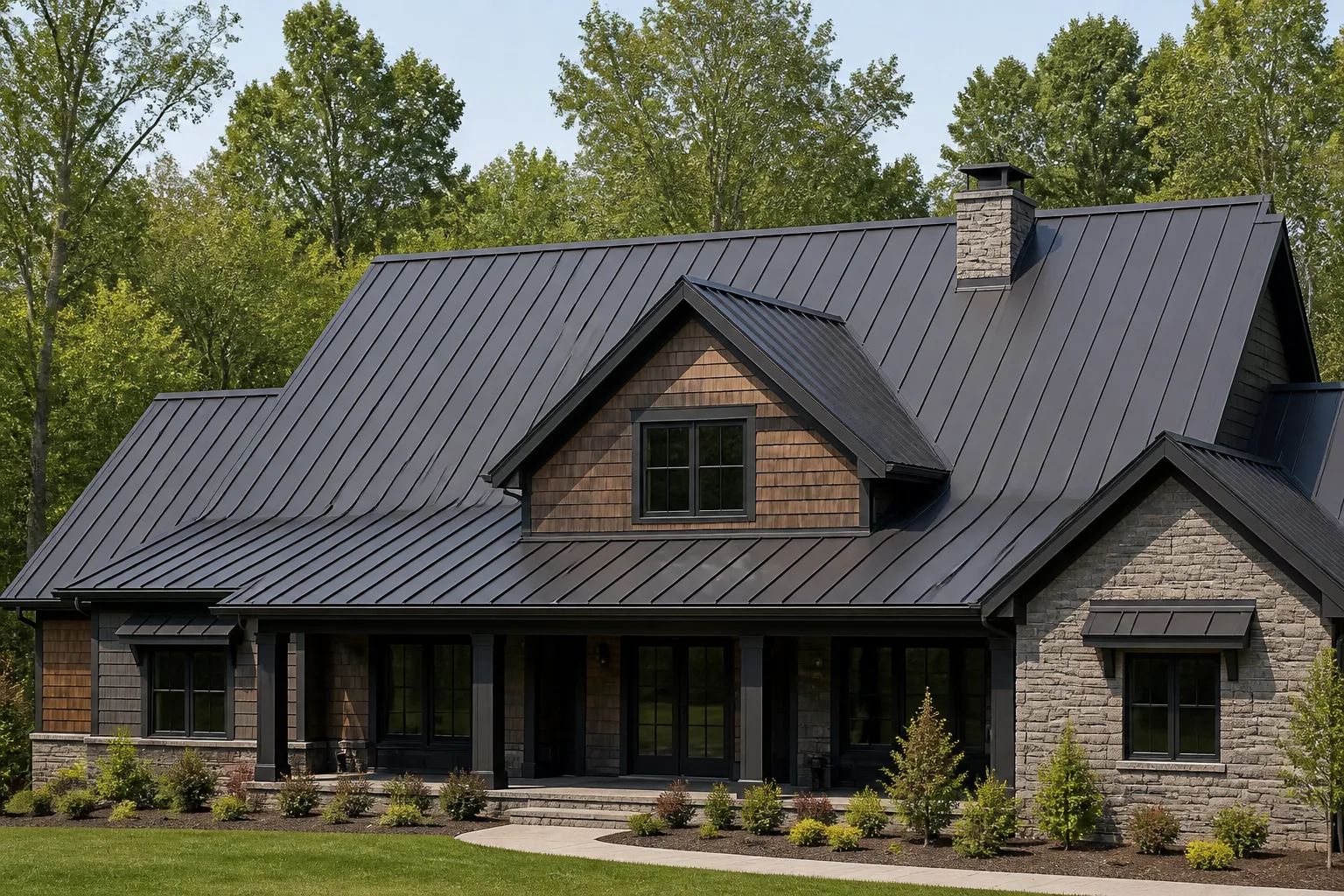
Rogers metal roofing guidance comparing standing-seam and exposed-fastener systems, underlayment, flashing, fastening, ventilation, thermal movement, and written proposals.
Learn More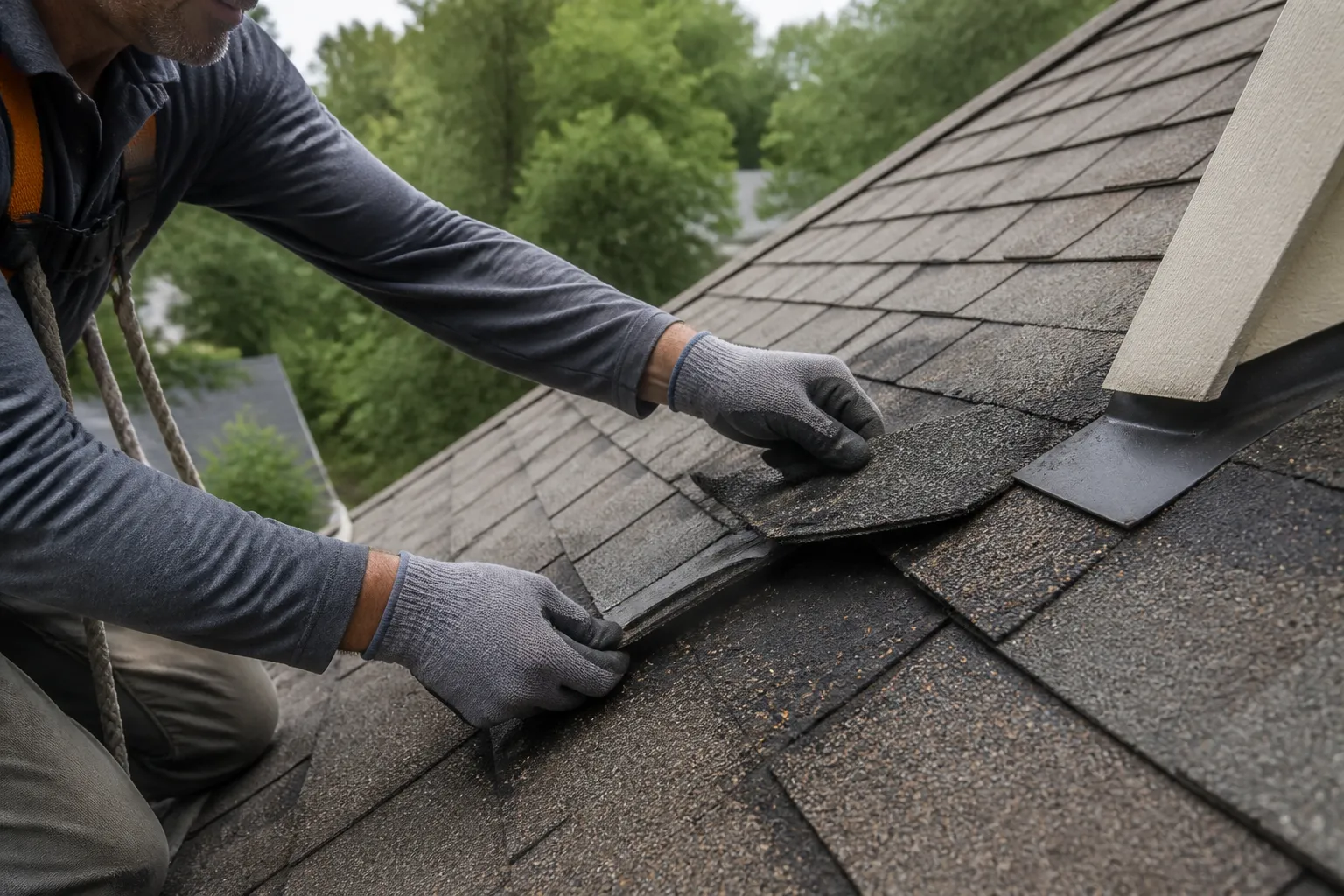
Practical roof repair guidance for Springdale homes and businesses, from tracing leaks and checking flashing to defining a focused repair scope.
Learn More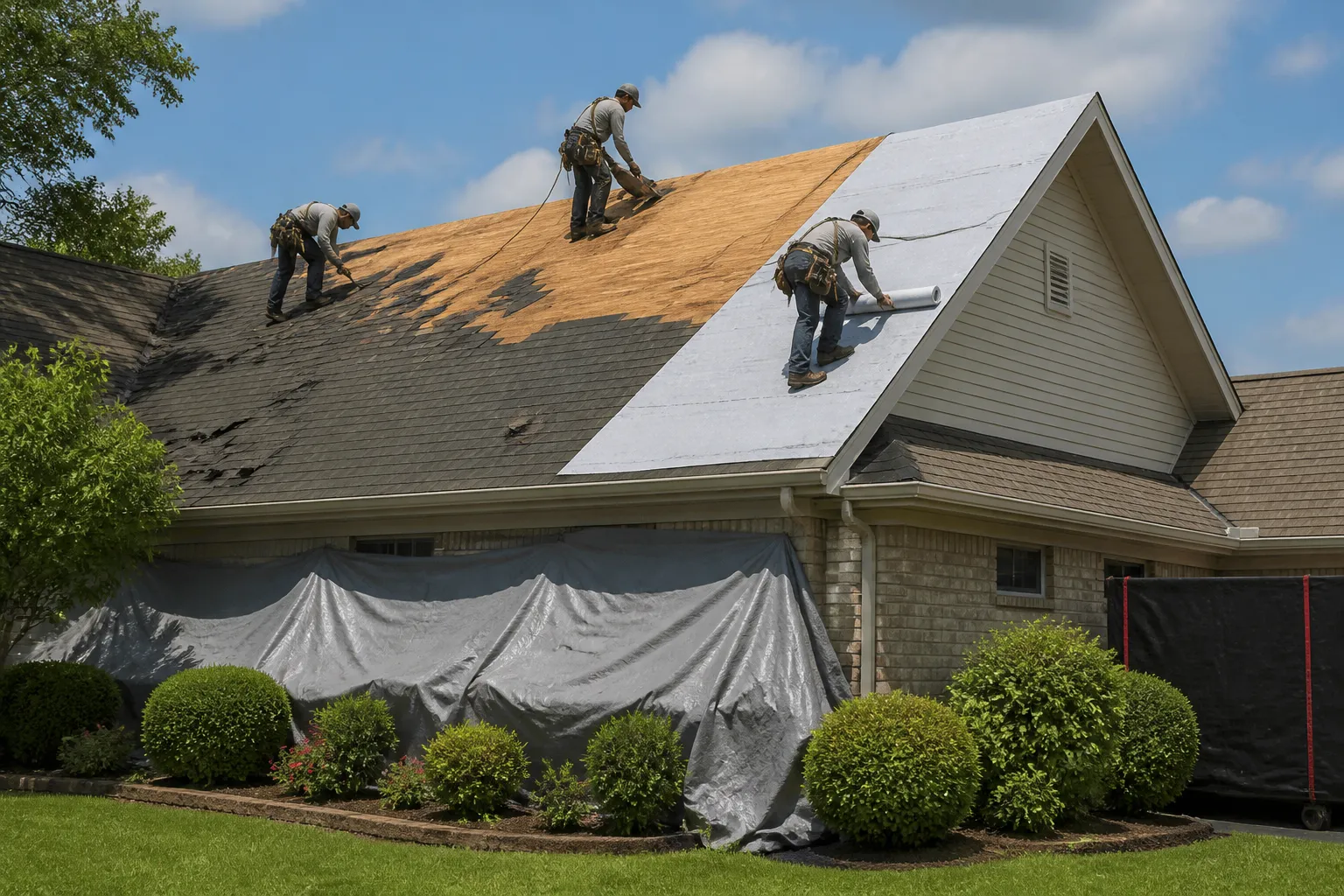
Springdale roof replacement guidance covering roof assessment, materials, tear-off, decking, ventilation, property protection, cleanup, and written proposals.
Learn More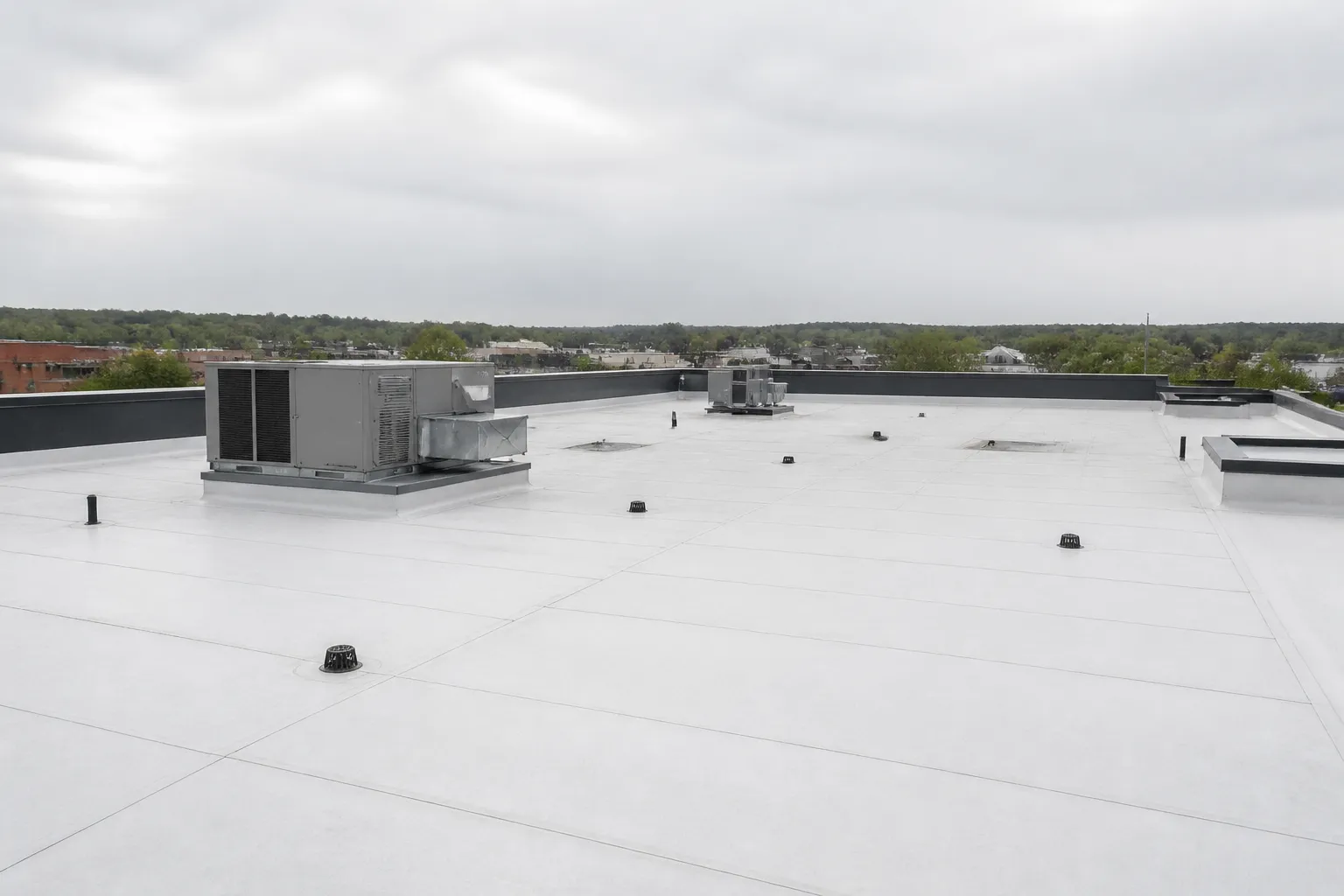
Commercial roof assessment and planning for leaks, drainage, penetrations, maintenance, repairs, and replacement decisions in Springdale.
Learn More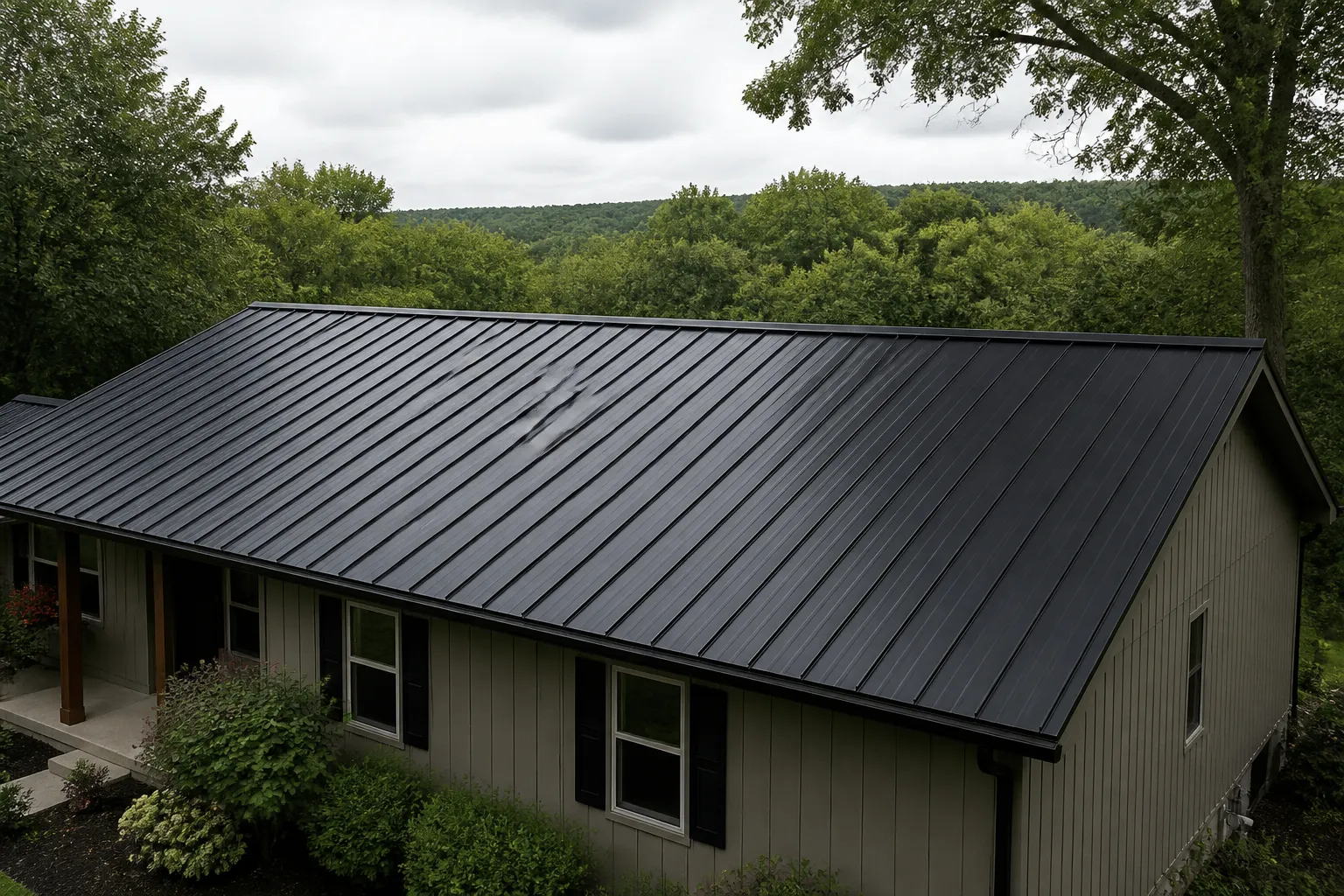
Springdale guidance for comparing standing-seam and exposed-fastener metal roofing, underlayment, flashing, fastening, ventilation, maintenance, and written proposals.
Learn More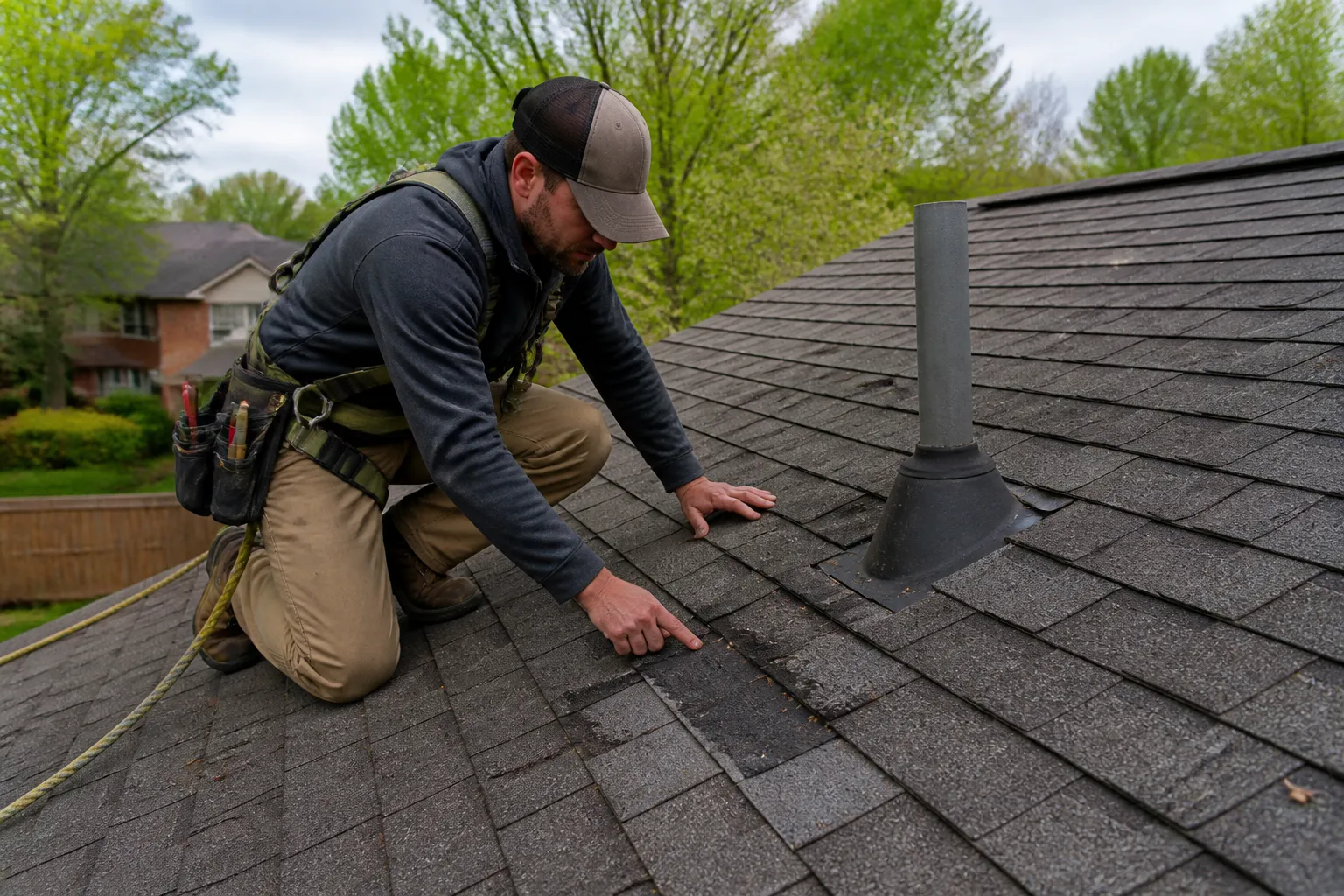
Local roof repair guidance for leaks, damaged shingles, flashing, roof penetrations, and recurring water intrusion in Fayetteville, Arkansas.
Learn More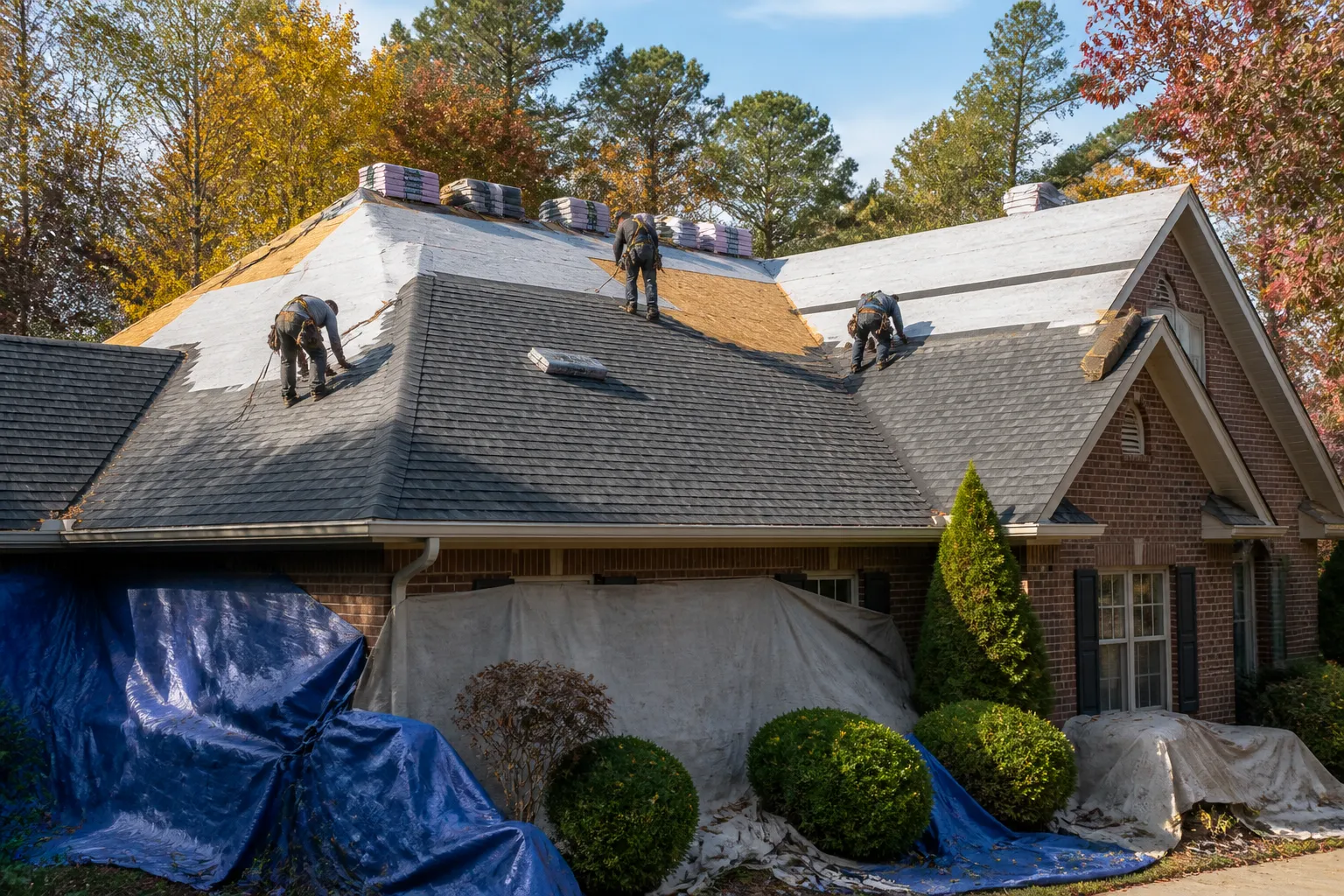
Roof replacement guidance for Fayetteville property owners comparing roof condition, materials, tear-off, decking, ventilation, protection, cleanup, and written proposals.
Learn More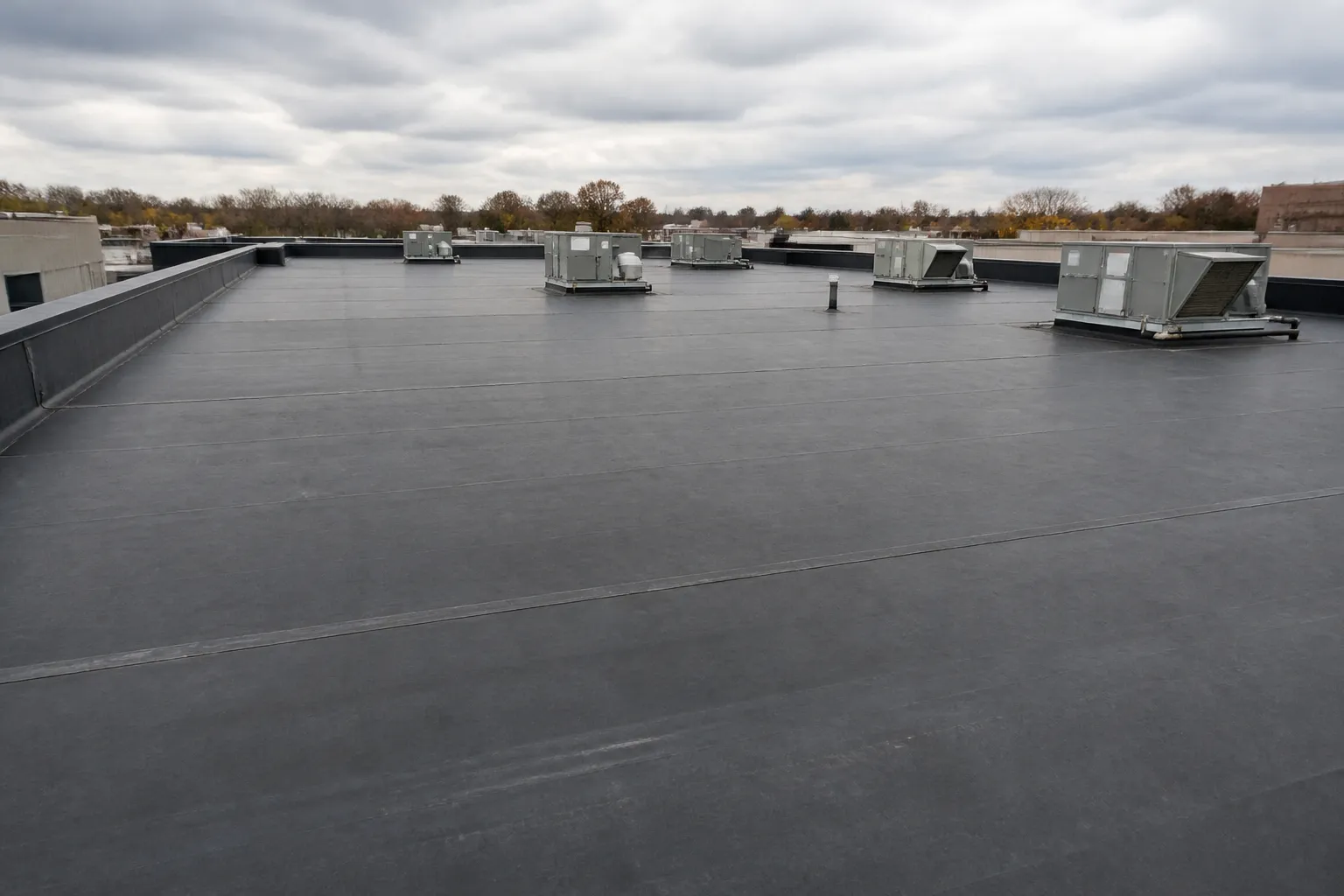
Commercial roof assessment and planning in Fayetteville for leaks, drainage concerns, penetrations, maintenance, and repair-versus-replacement decisions.
Learn More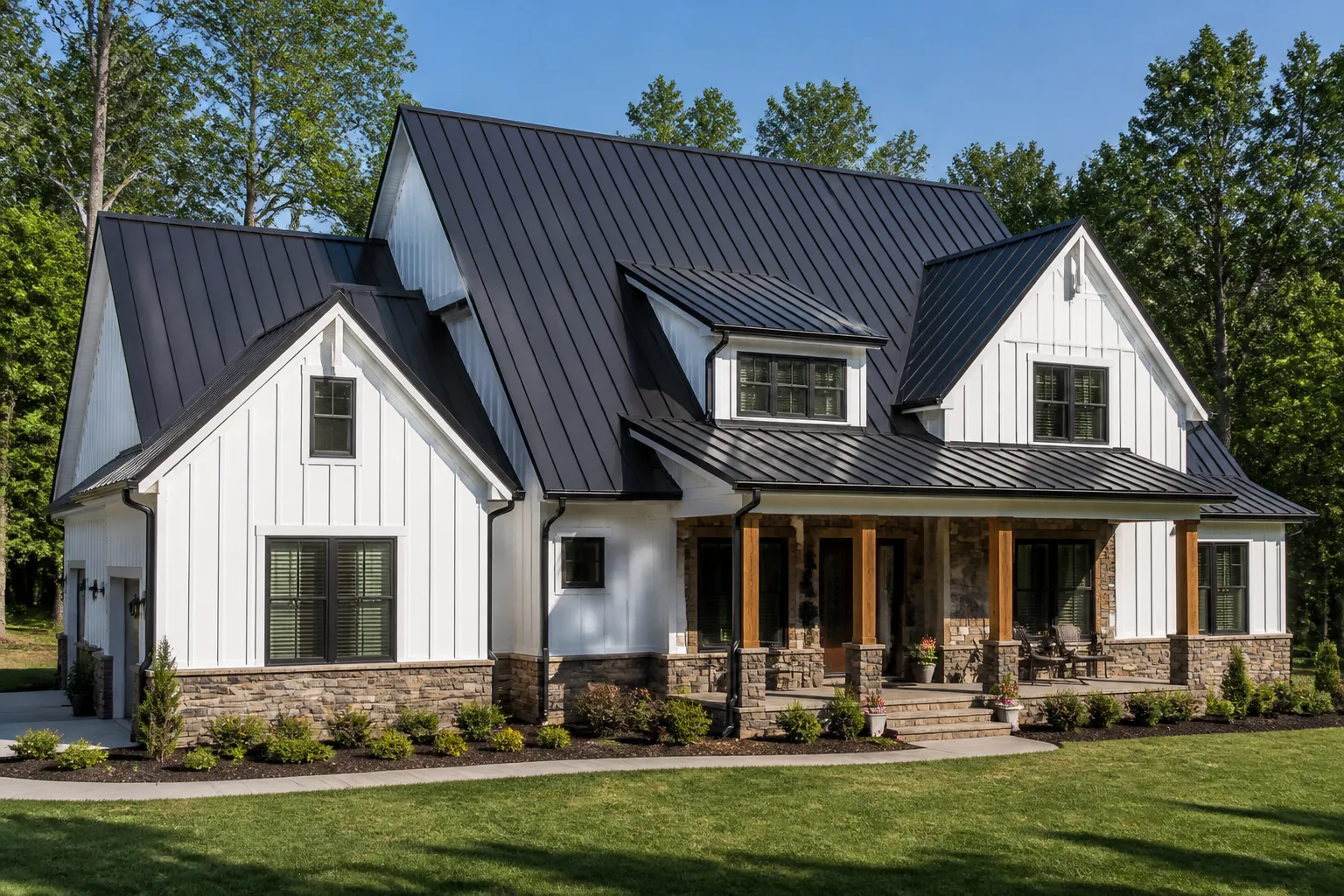
Fayetteville guidance for comparing standing-seam and exposed-fastener metal roofs, including underlayment, flashing, fastening, ventilation, thermal movement, maintenance, and written proposals.
Learn More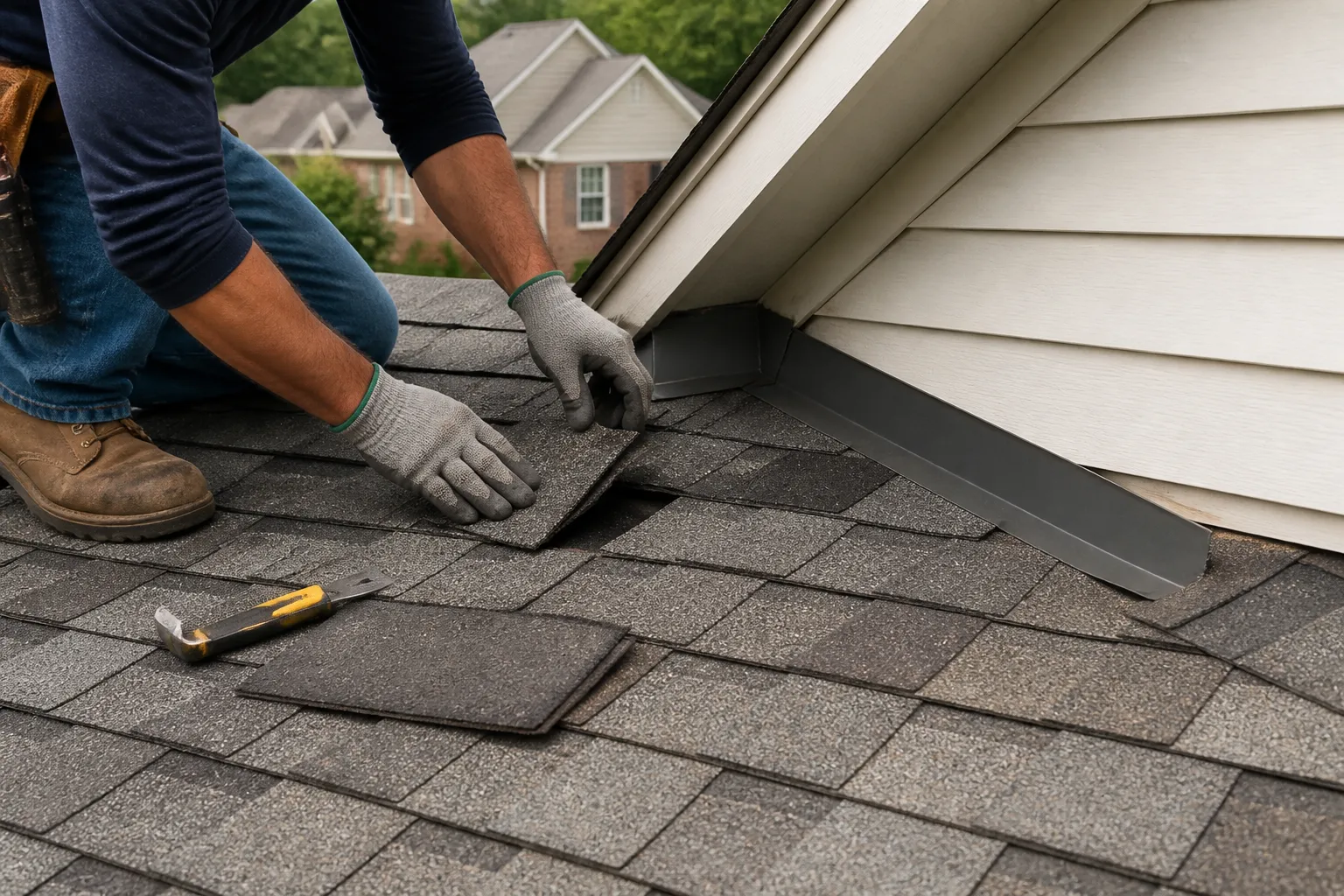
Practical roof repair guidance for Little Rock homes and commercial properties, including leak diagnosis, flashing, shingles, and recurring water intrusion.
Learn More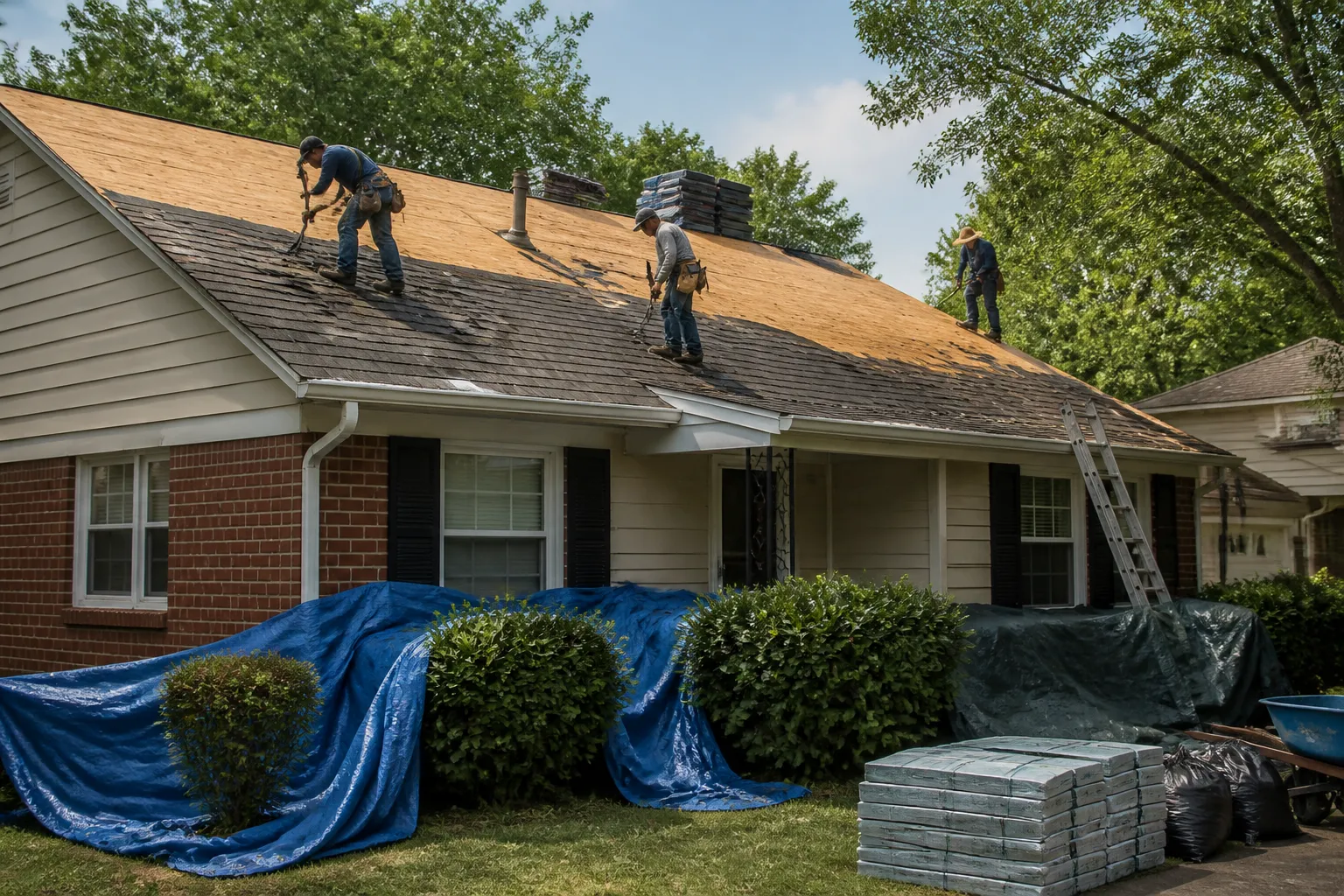
Compare roof replacement options for Little Rock properties, including condition assessment, materials, tear-off, decking, flashing, ventilation, and cleanup.
Learn More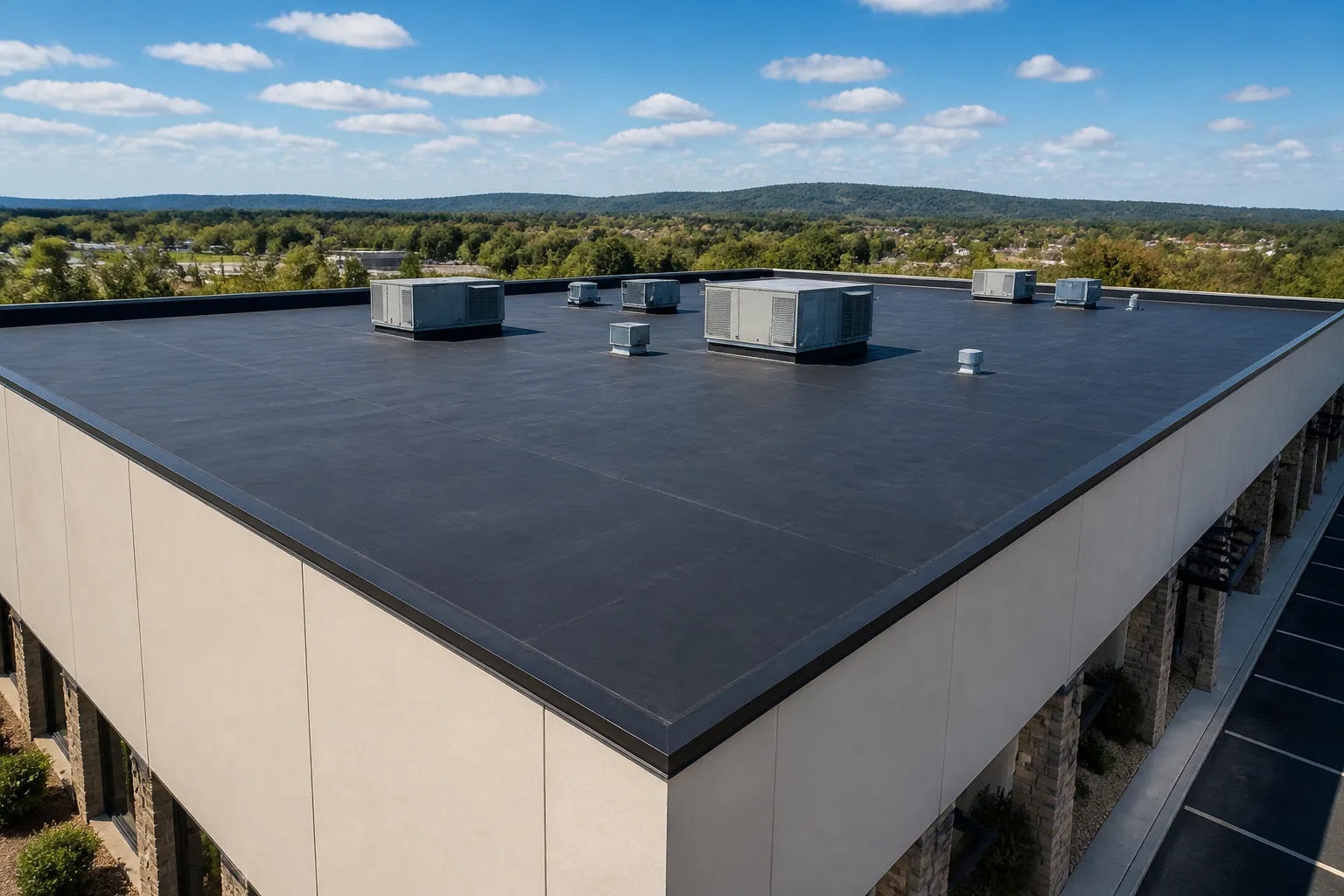
Assessment and planning for commercial roof leaks, drainage, penetrations, maintenance, repairs, and replacement options in Little Rock.
Learn More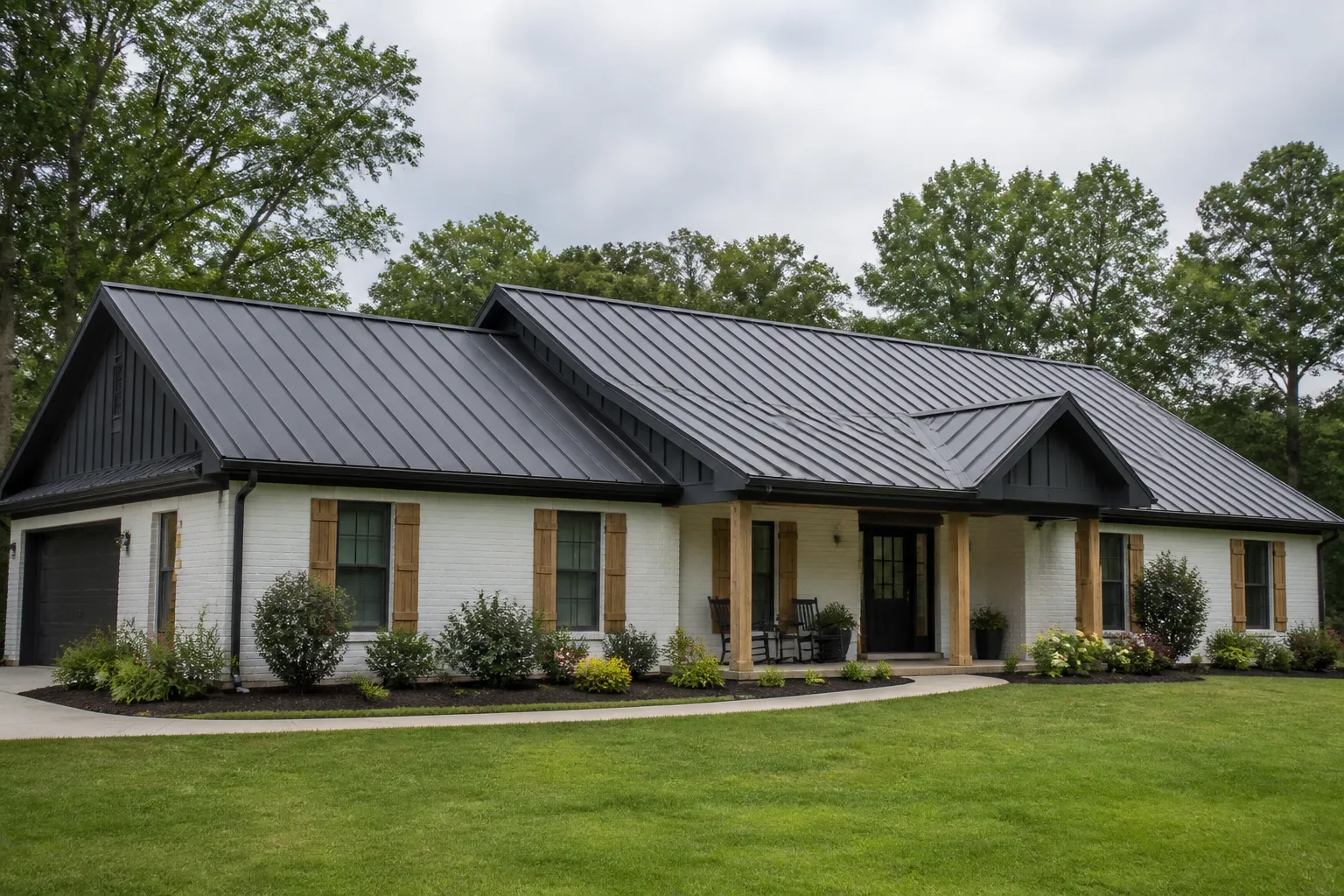
Compare standing-seam and exposed-fastener systems in Little Rock, including underlayment, flashing, fastening, ventilation, thermal movement, maintenance, and written proposals.
Learn More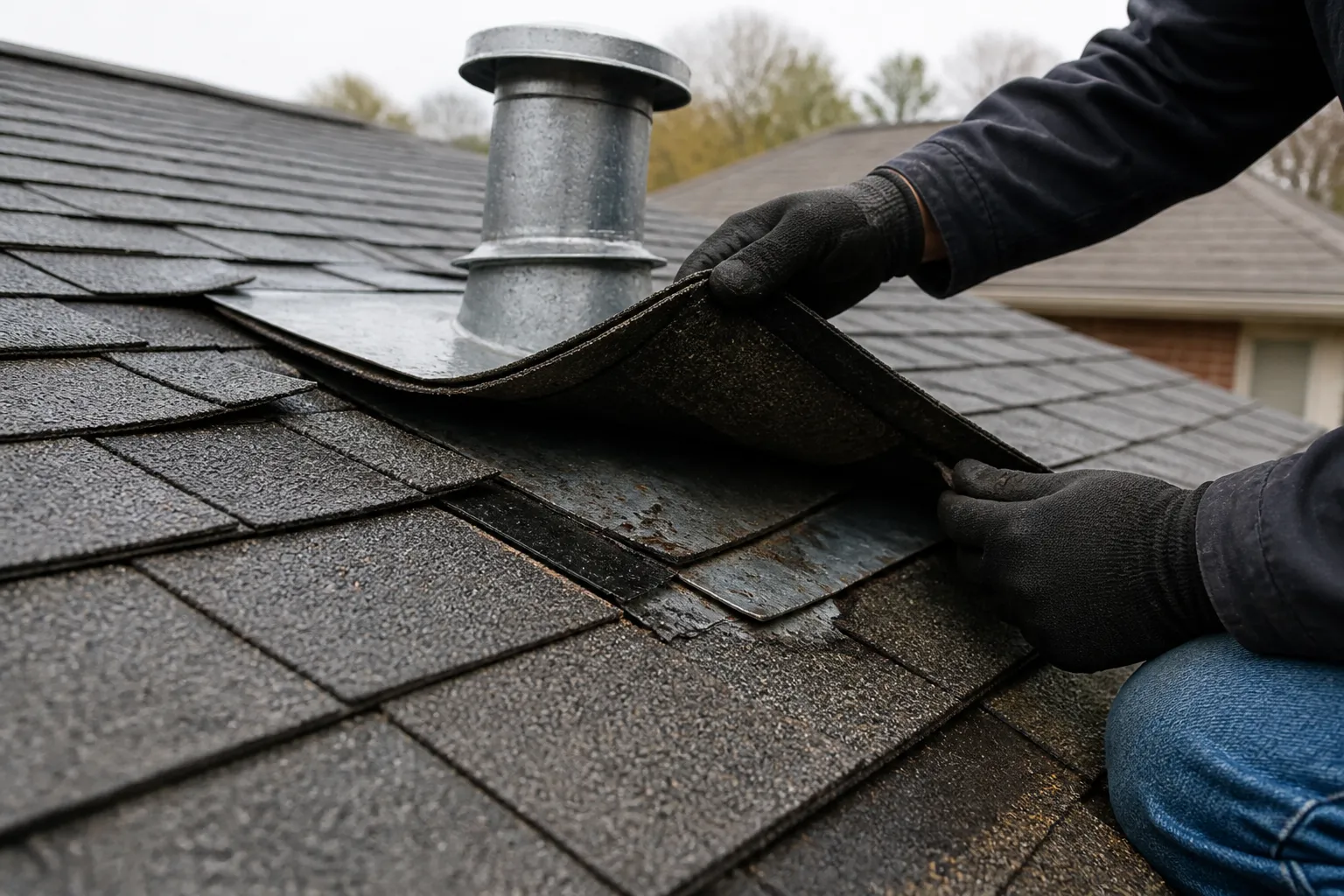
Guidance for diagnosing roof leaks, damaged shingles, flashing, penetrations, recurring water intrusion, and repair-versus-replacement decisions in North Little Rock.
Learn More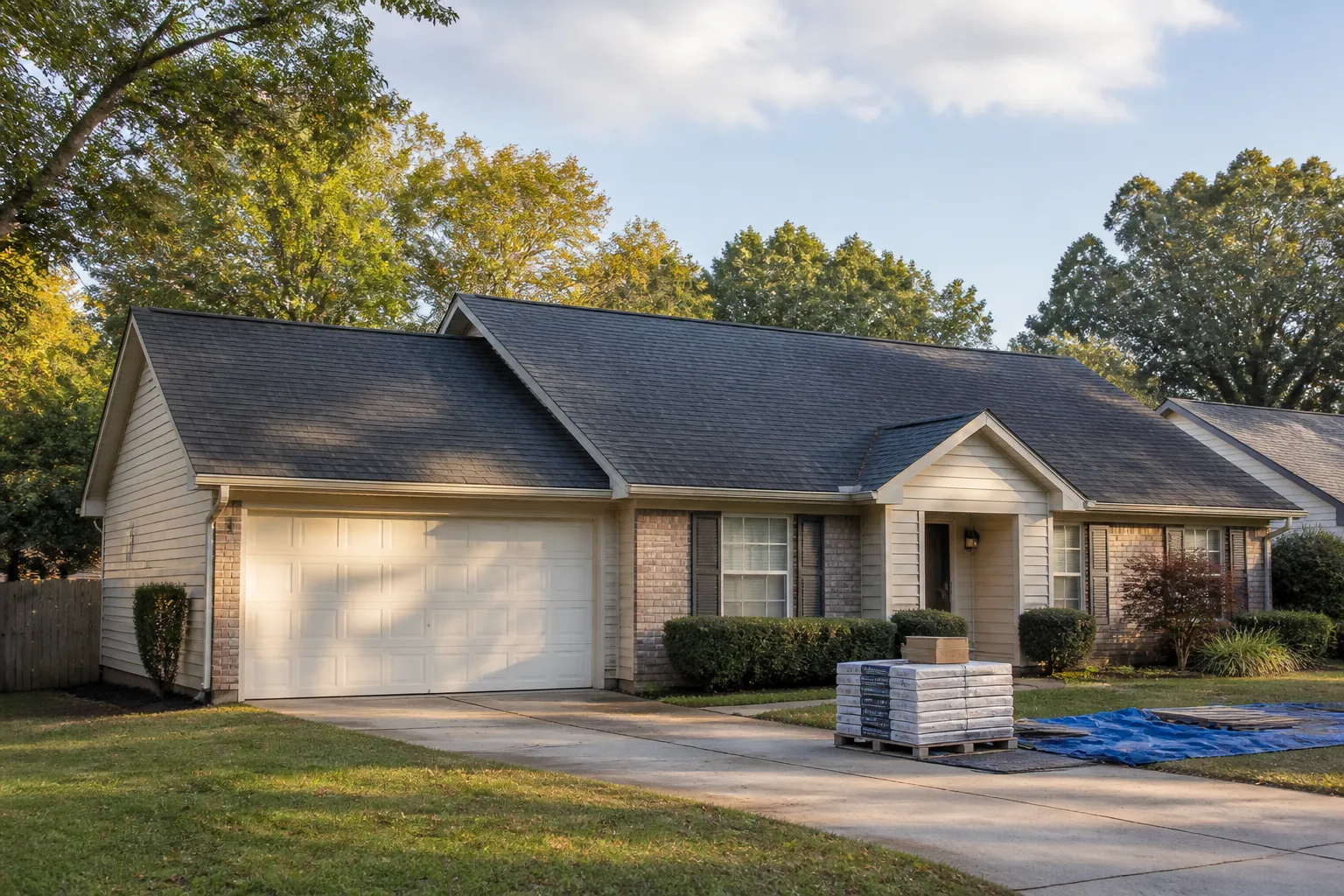
Learn how roof condition, materials, tear-off, decking, ventilation, site protection, cleanup, and itemized proposals shape a roof replacement in North Little Rock.
Learn More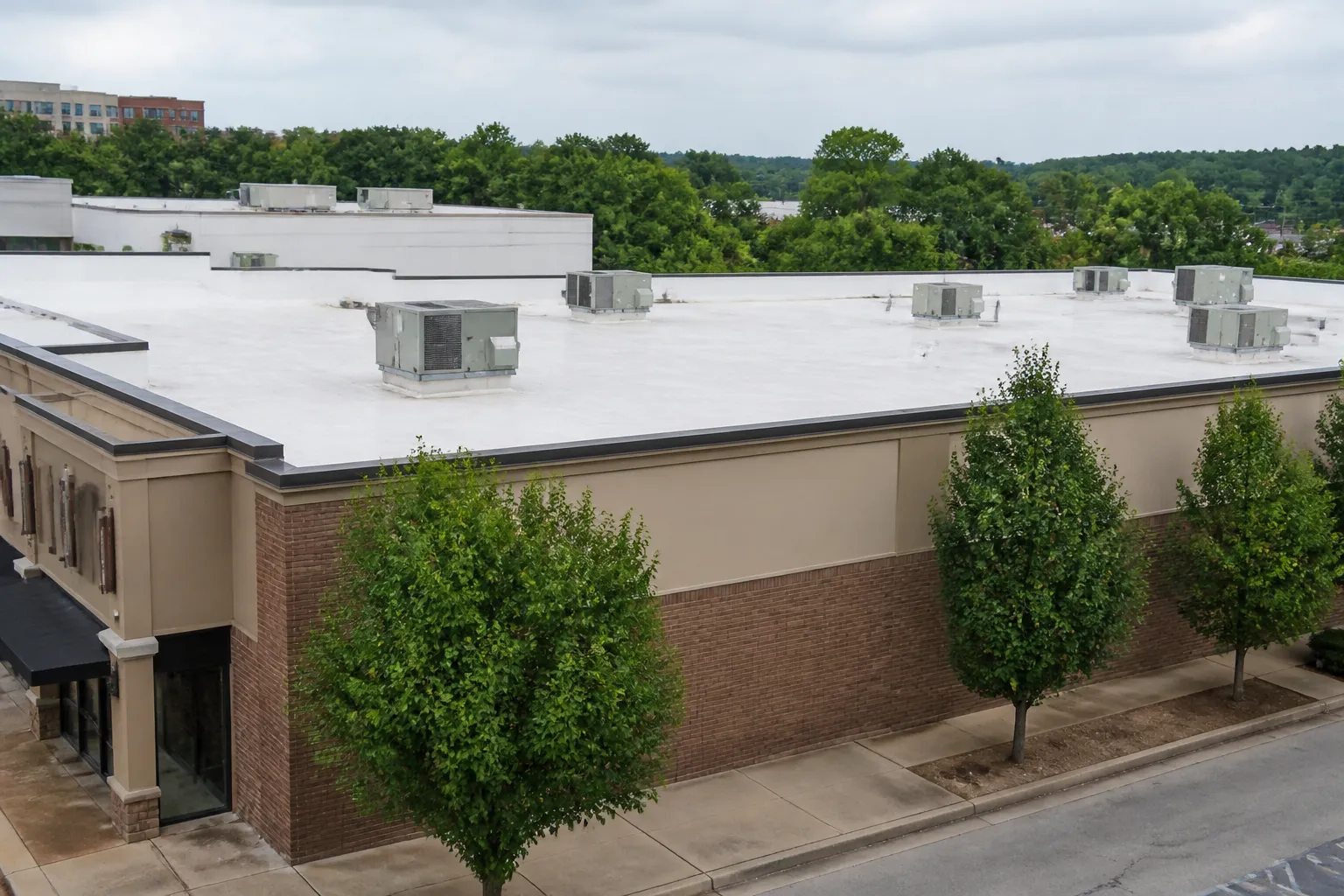
Assess leaks, drainage, penetrations, and roof-system options for occupied North Little Rock commercial properties. Compare repair, replacement, and maintenance scopes in writing.
Learn More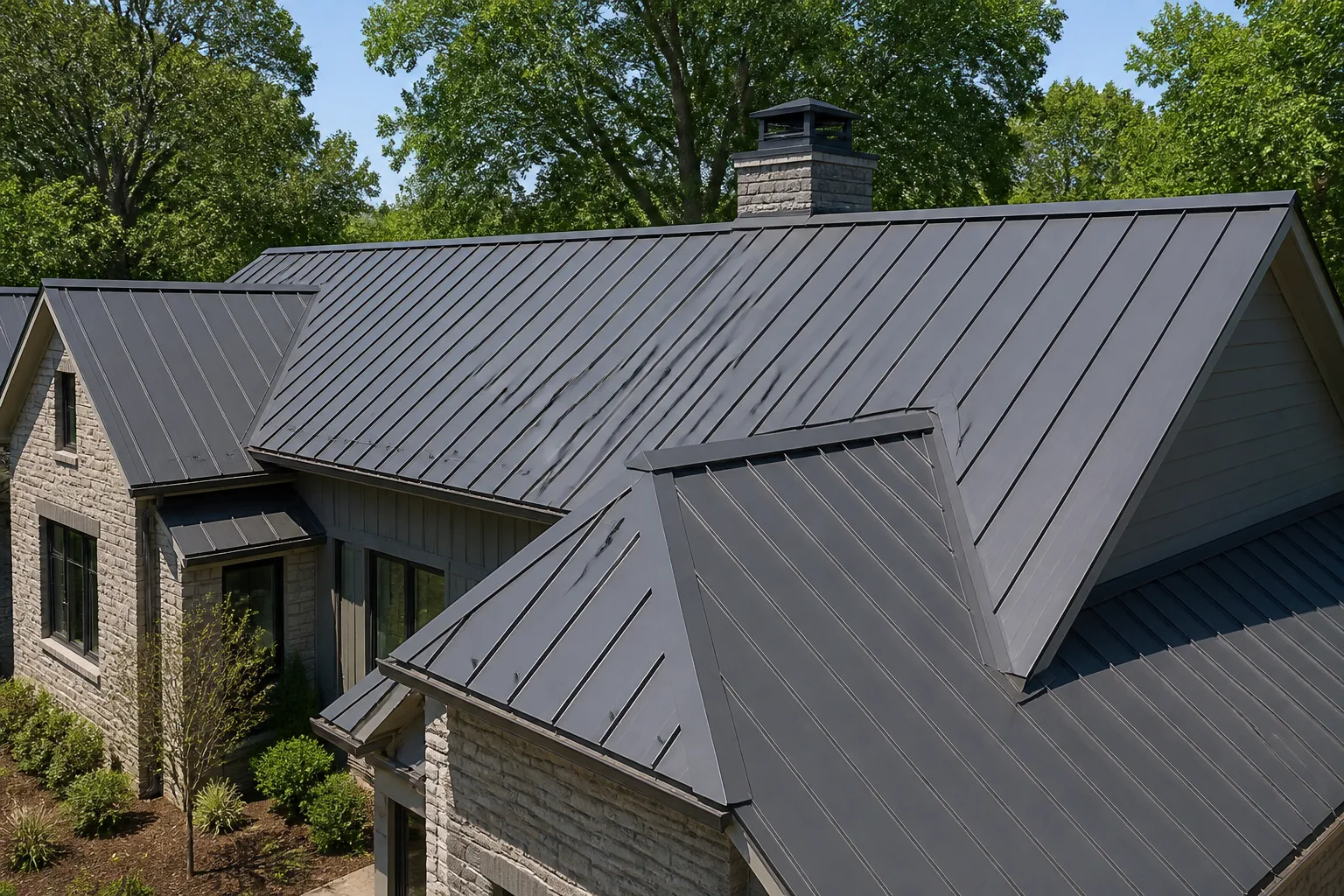
Compare standing-seam and exposed-fastener options, flashing, underlayment, attachment, and ventilation for North Little Rock homes and suitable commercial roofs.
Learn More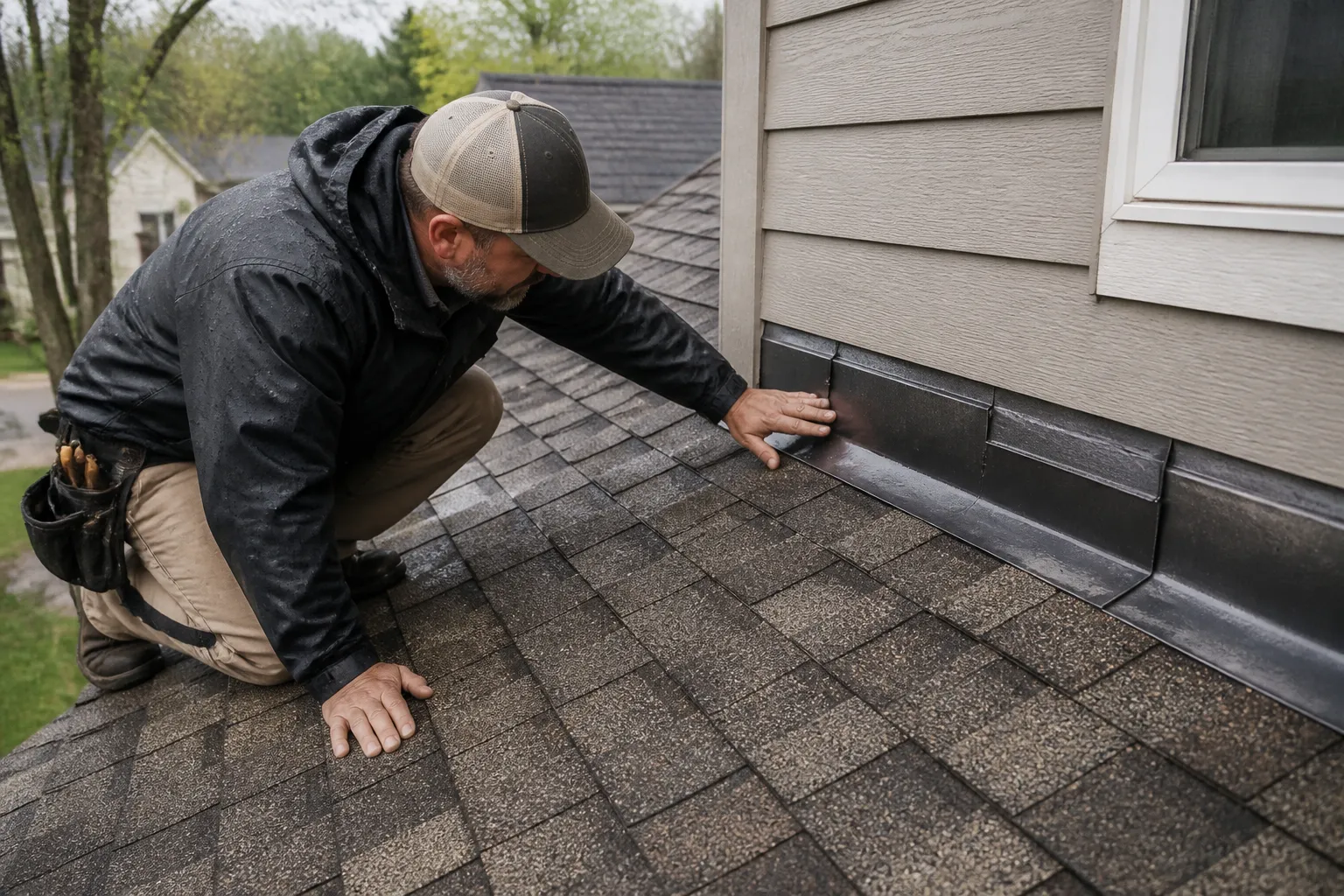
Leak diagnosis and repair guidance for West Memphis homes and buildings, including shingles, flashing, roof penetrations, recurring water intrusion, and storm-related damage.
Learn More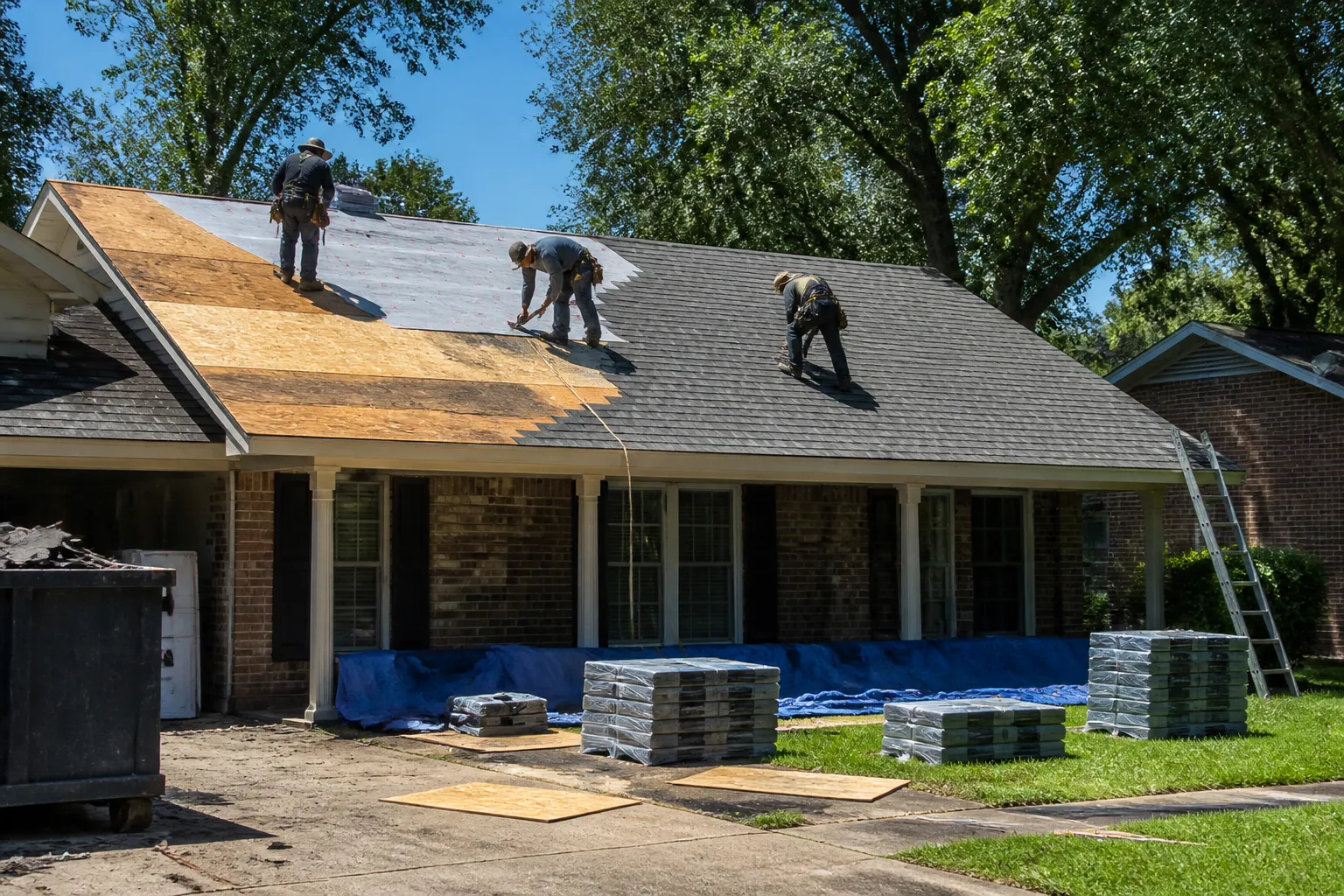
Roof replacement planning for West Memphis homes and buildings, with guidance on roof assessment, materials, tear-off, decking, ventilation, property protection, and written proposals.
Learn More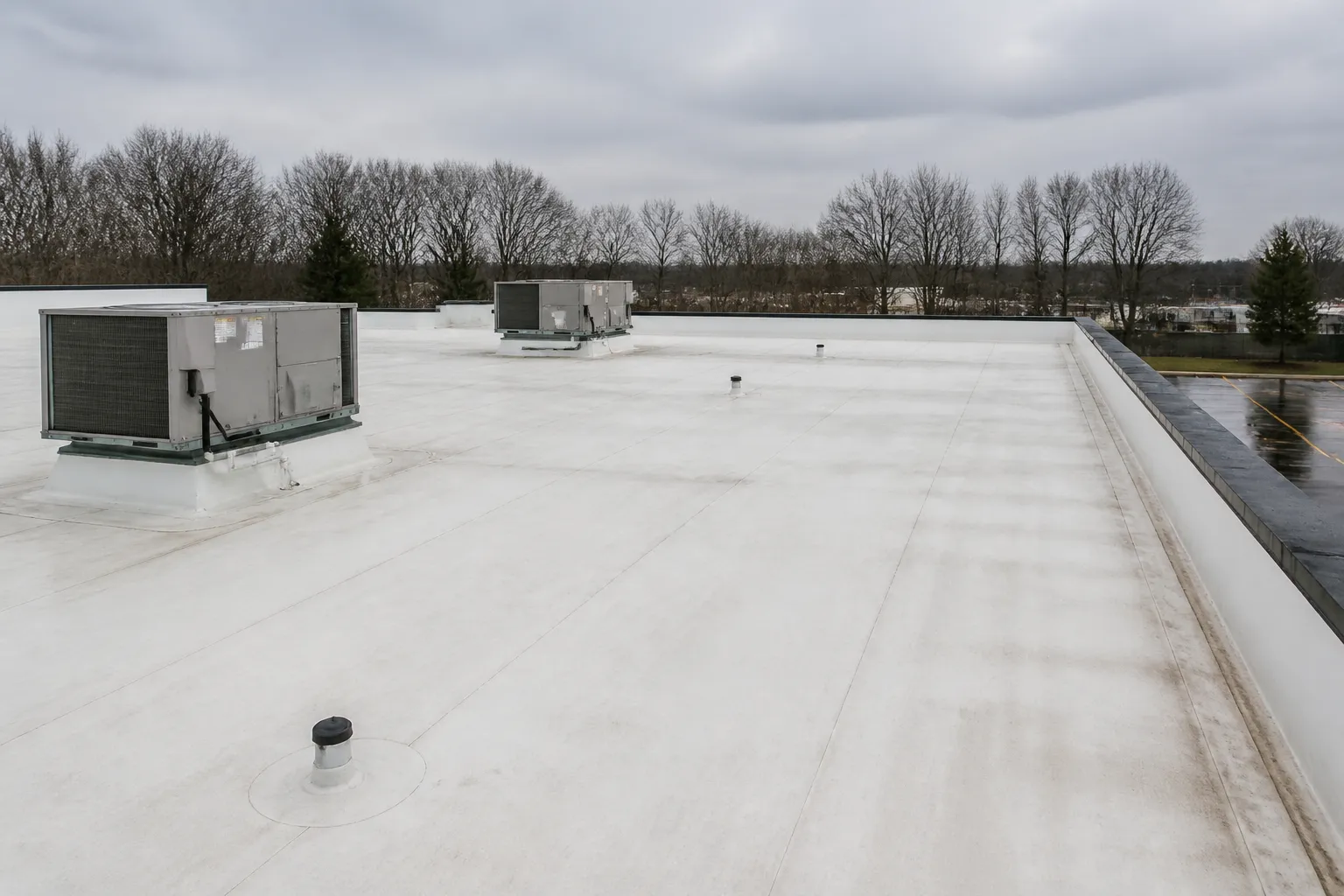
Practical guidance for commercial roof assessments, leaks, drainage, repair or replacement planning, and occupied-building coordination in West Memphis, Arkansas.
Learn More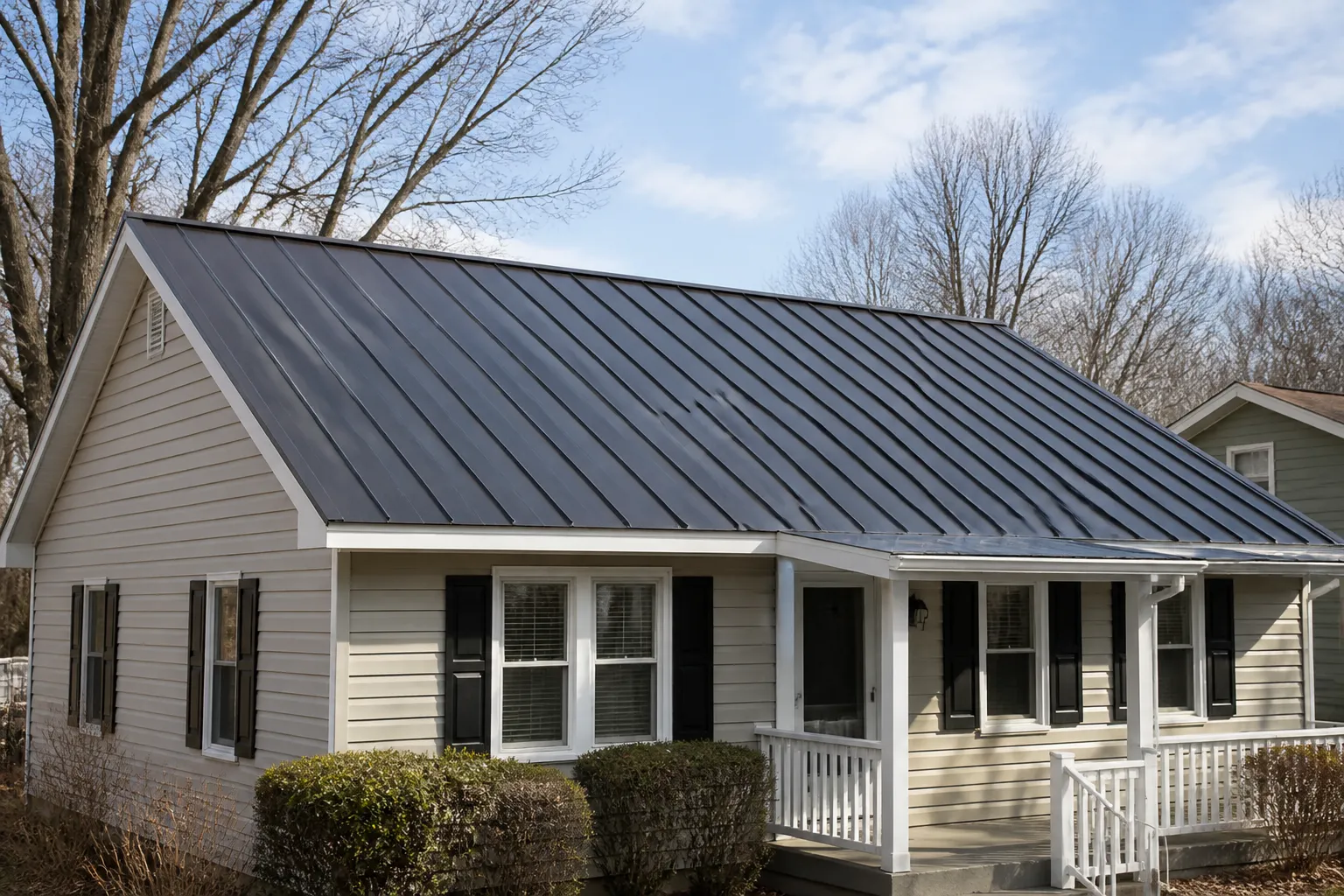
Compare metal roof systems, assembly details, maintenance considerations, and written proposals for West Memphis homes and appropriate commercial buildings.
Learn More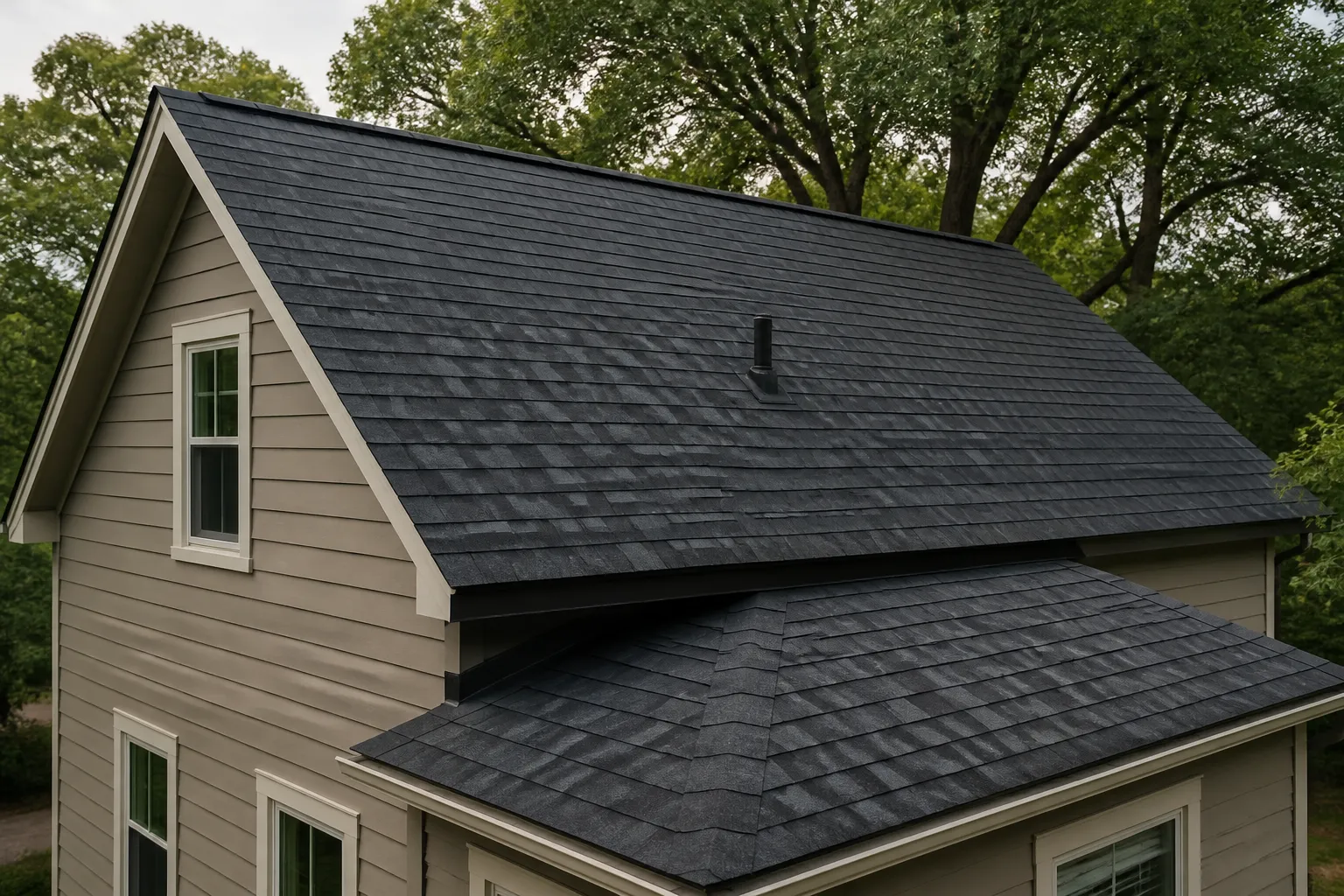
Homeowner guidance for choosing a roof service, comparing materials, understanding storm concerns, and preparing to request an estimate.
Learn More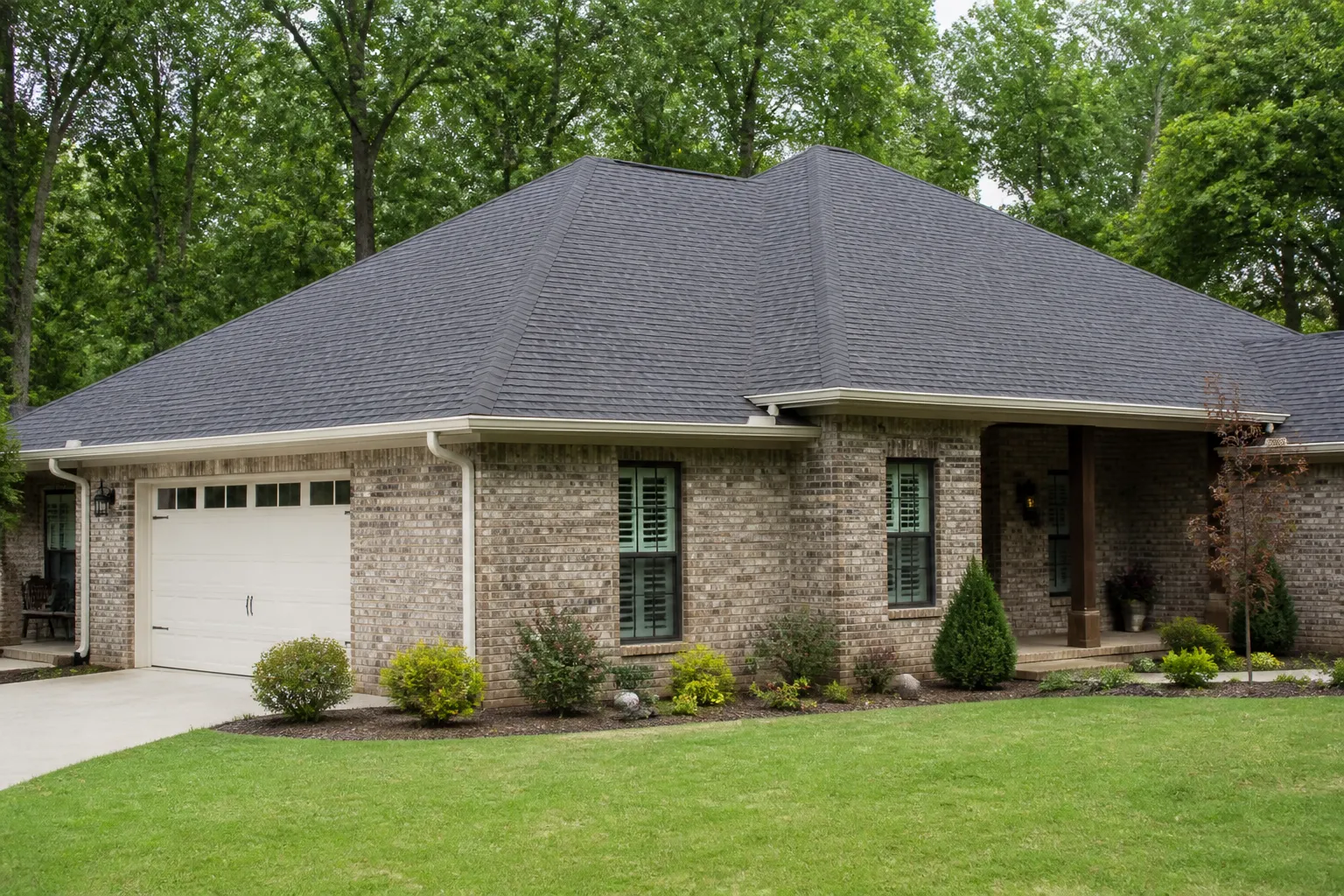
Guidance on asphalt shingle styles, roof-system suitability, repairs, maintenance, and comparing a written shingle-roof proposal.
Learn More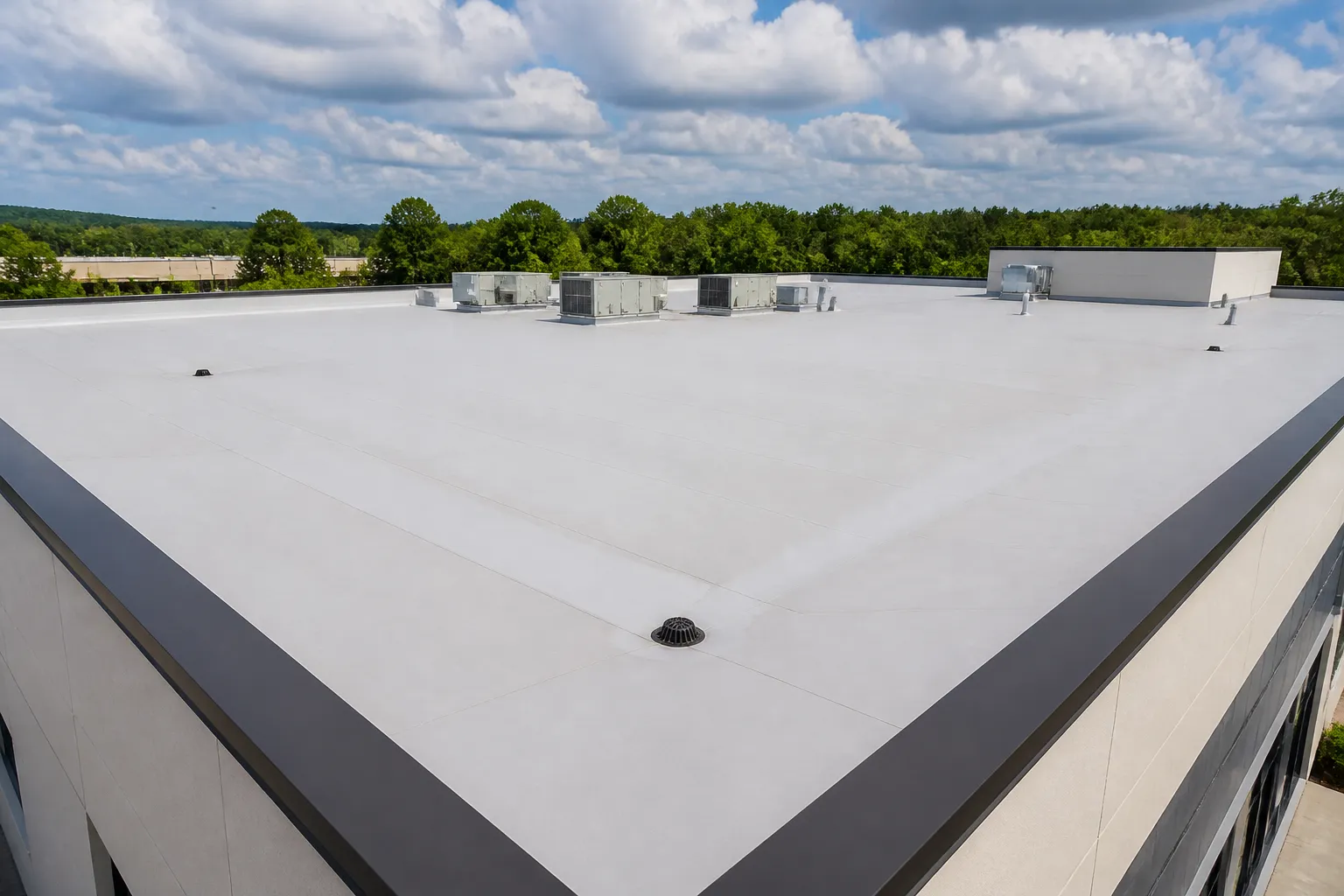
System-specific guidance for investigating, comparing, and planning repair or replacement for flat and low-slope roofs.
Learn More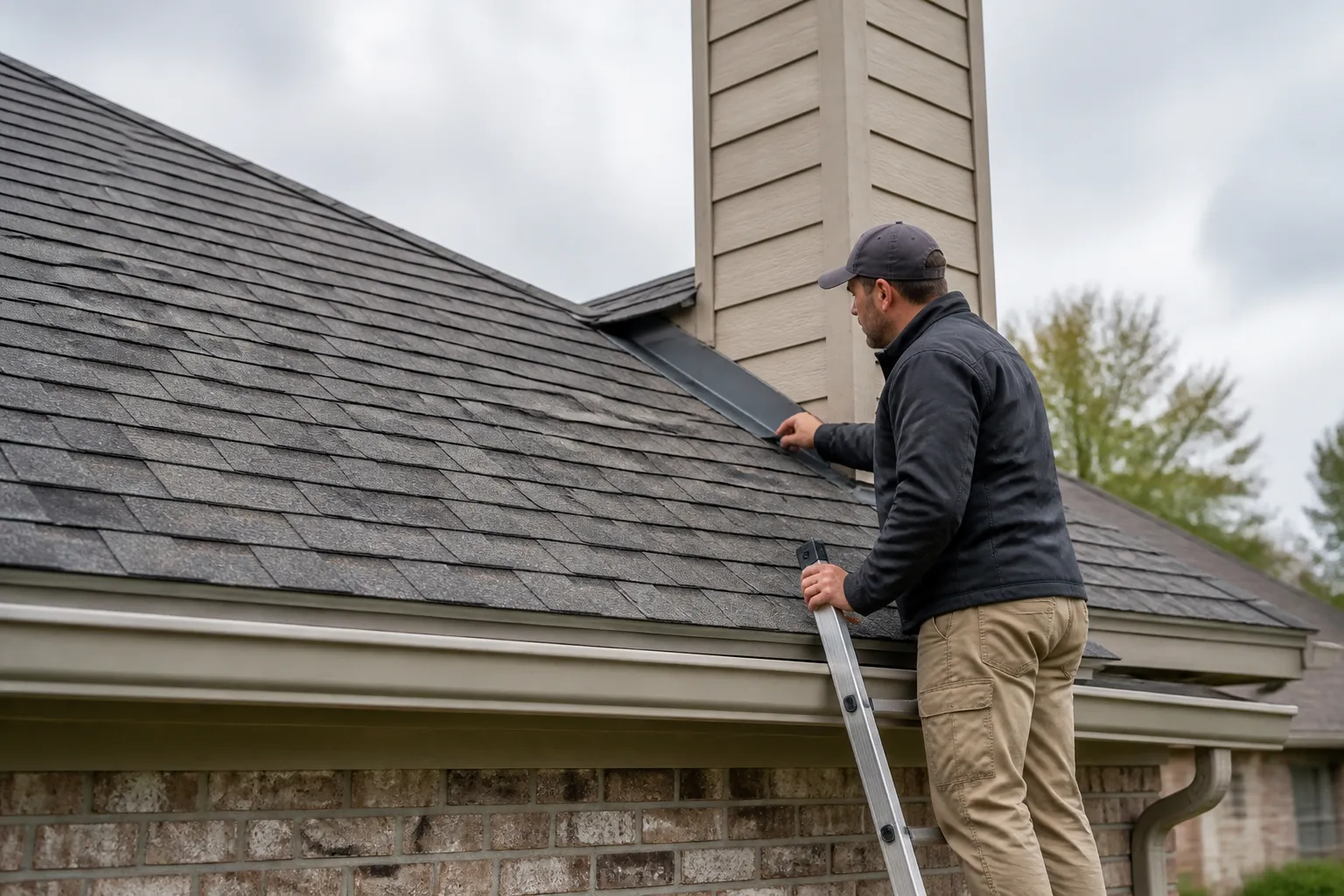
Roof leak and repair guidance for Marion property owners, including what to report, how repair scope is assessed, and when replacement may merit comparison.
Learn More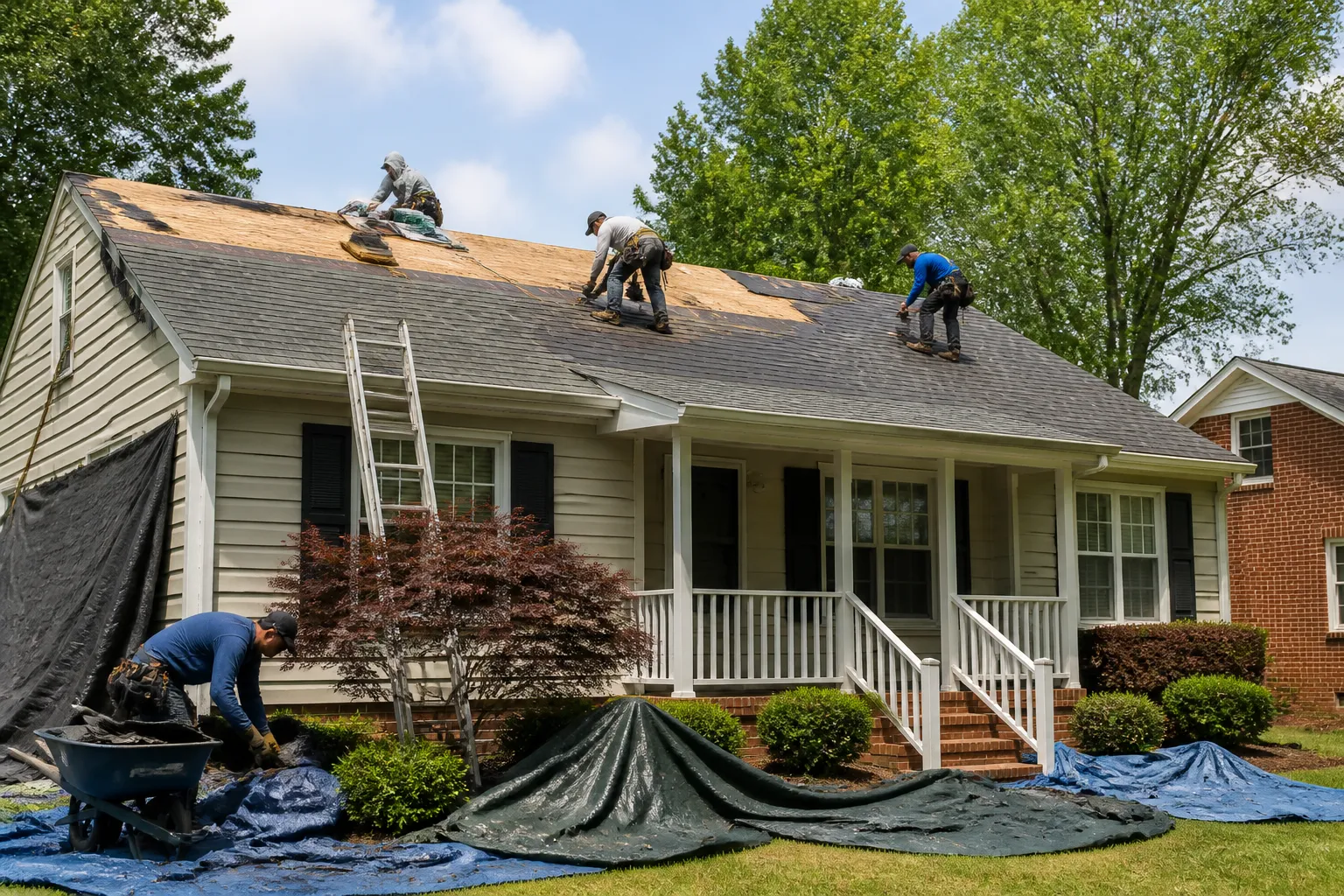
Roof replacement guidance for Marion property owners, covering roof assessment, material selection, tear-off, decking, ventilation, property protection, and written proposals.
Learn More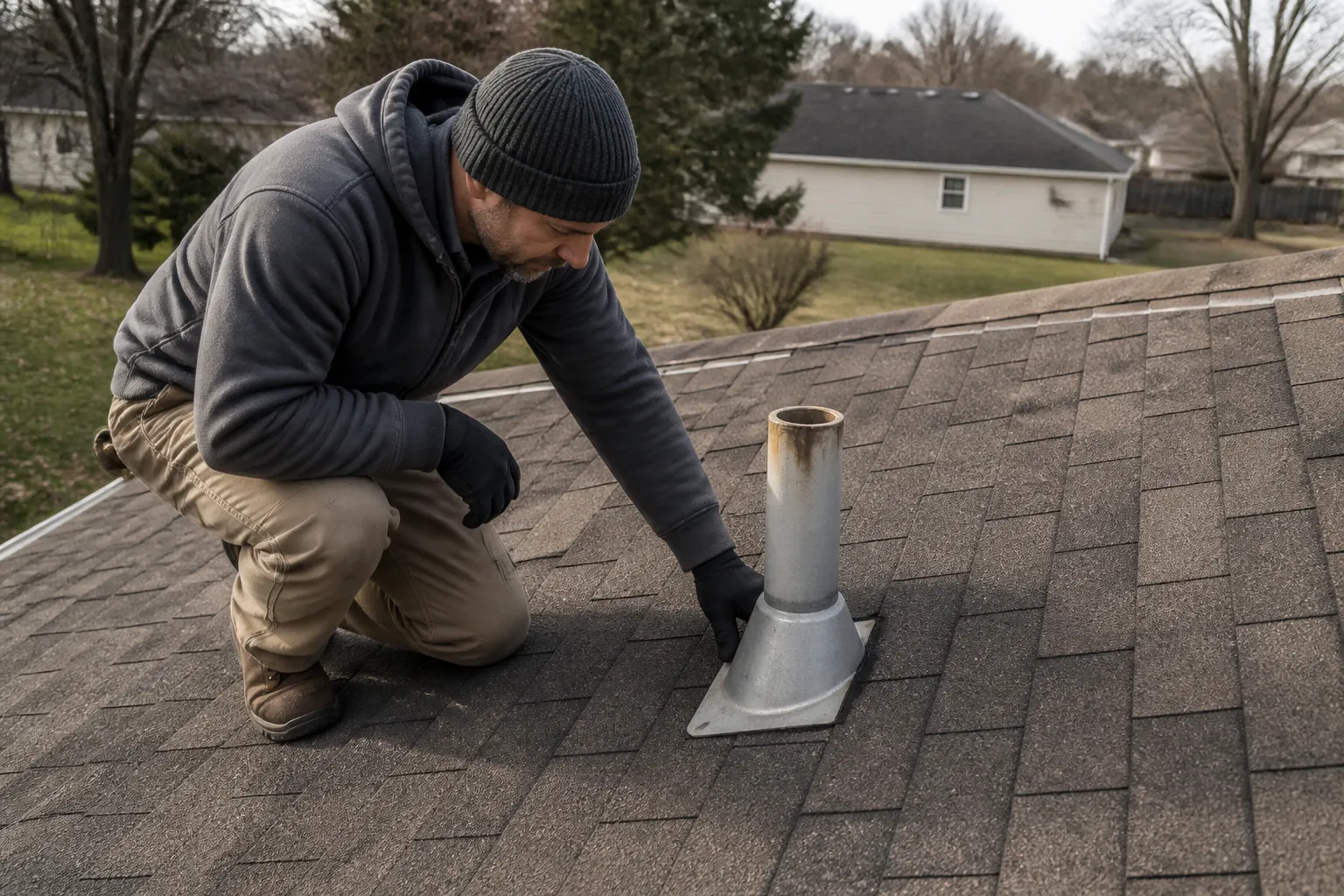
Roof leak and damage assessments in Blytheville, Arkansas, with clear repair scopes and practical repair-versus-replacement guidance.
Learn More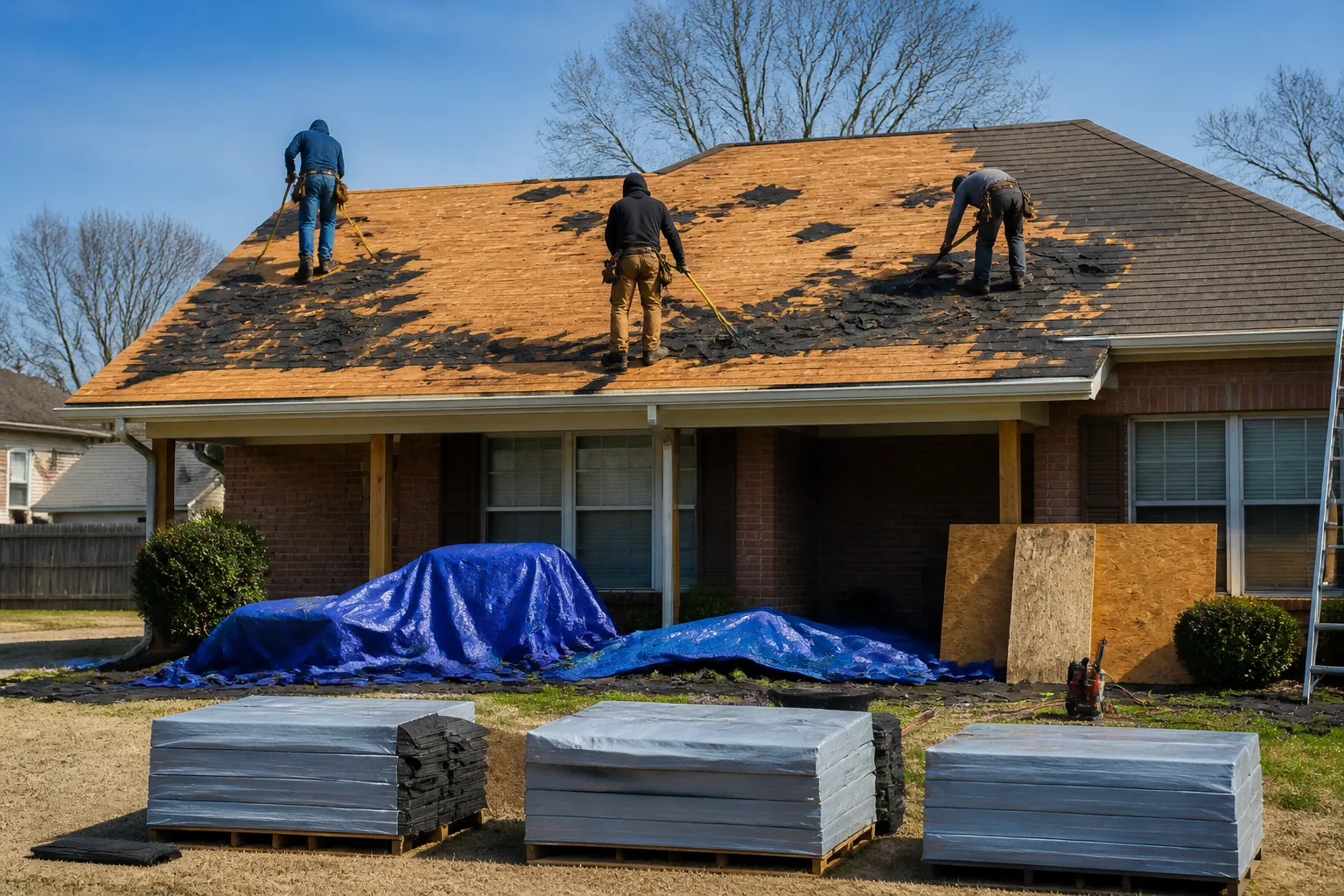
Roof replacement planning in Blytheville, Arkansas, from condition assessment and materials to tear-off, decking, ventilation, and written proposals.
Learn More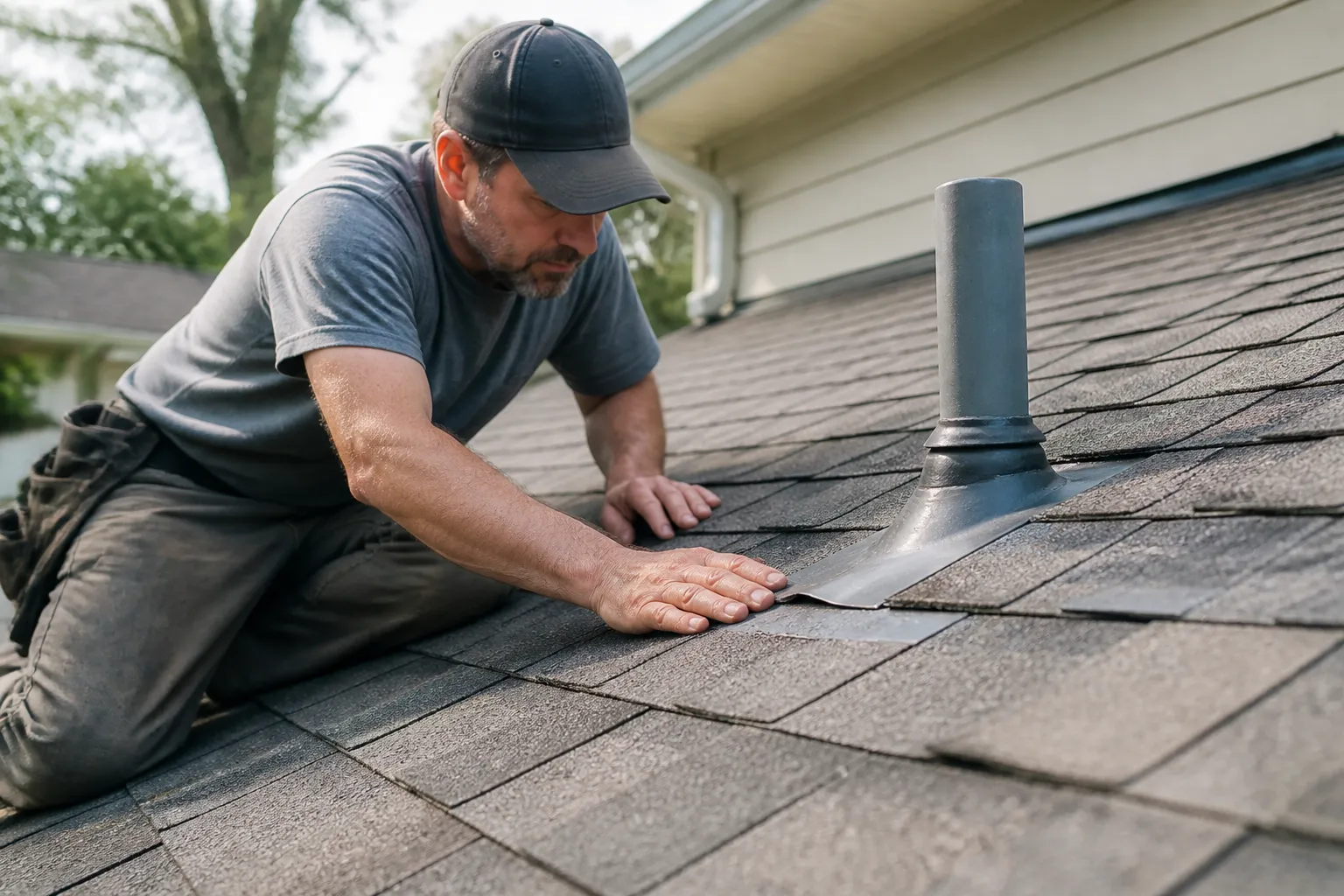
Guidance for Forrest City property owners comparing localized roof repairs, recurring leaks, repair scope, and replacement options.
Learn More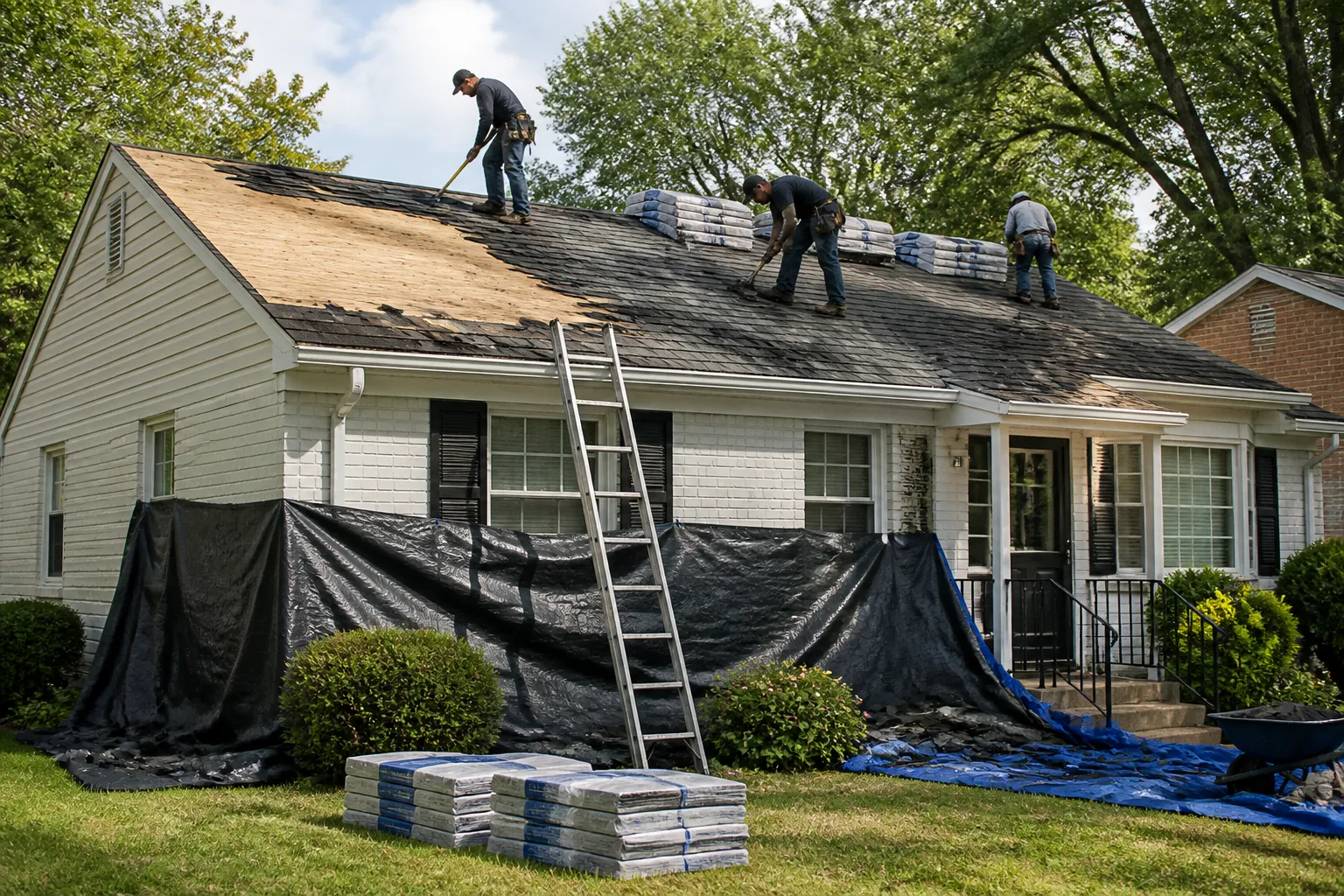
Plan a Forrest City roof replacement by reviewing roof condition, materials, removal, decking, ventilation, property protection, cleanup, and itemized proposals.
Learn More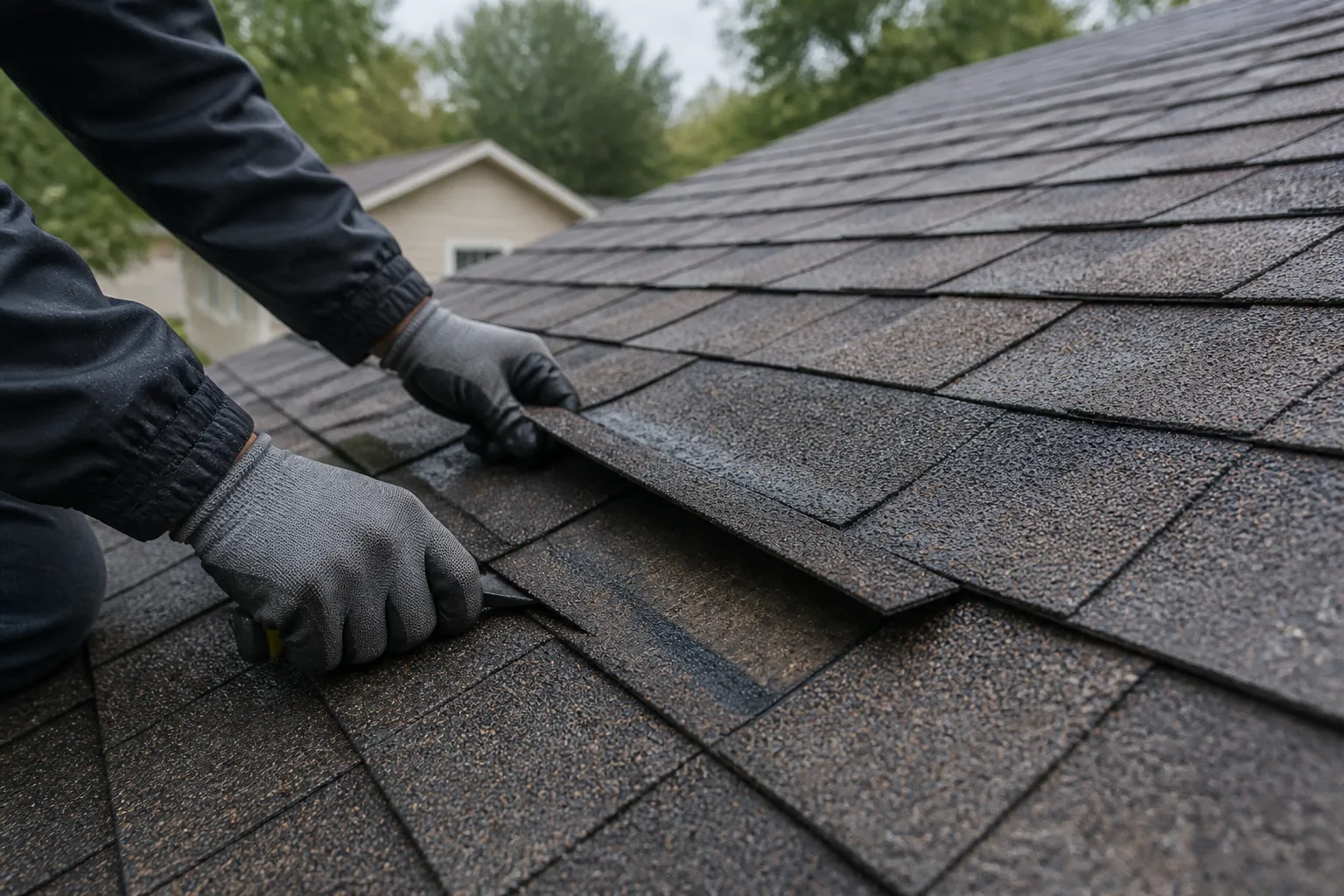
Roof leak and shingle repair guidance for Newport, Arkansas, including source assessment, repair scope, and when to compare replacement.
Learn More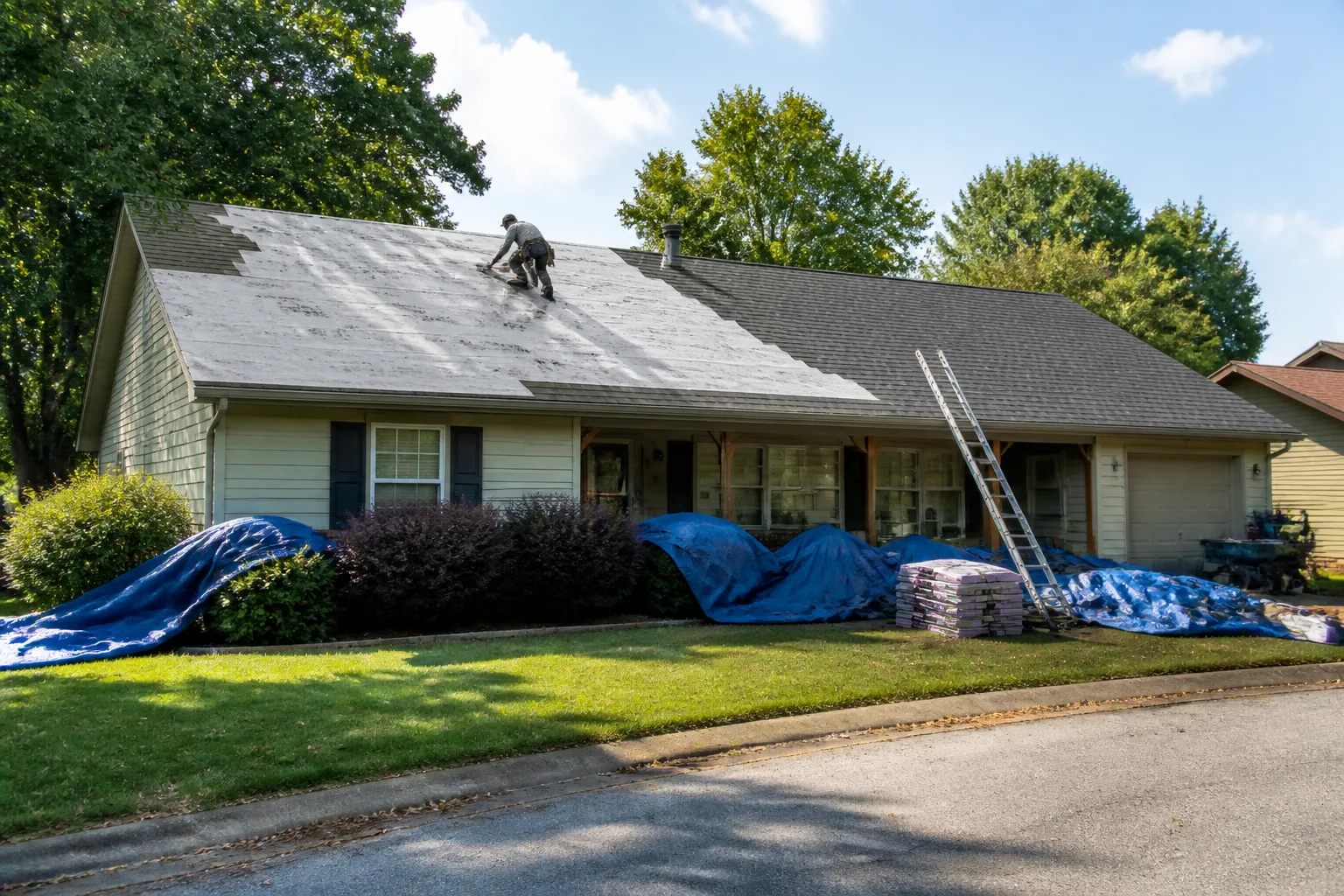
Roof replacement guidance for Newport, Arkansas, covering condition assessment, material choices, tear-off, decking, ventilation, property protection, and written scopes.
Learn More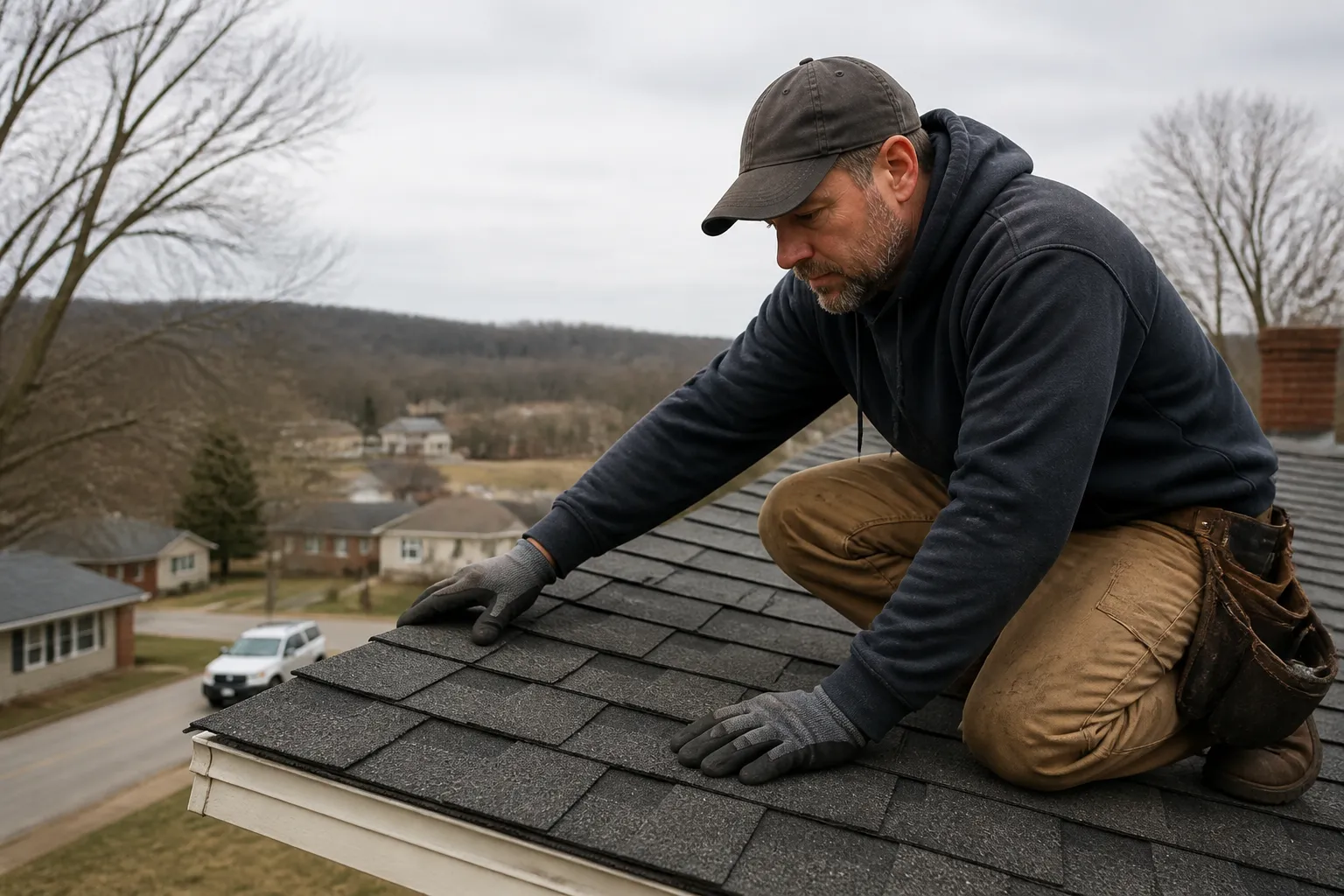
Roof repair guidance for leaks, localized damage, and recurring concerns at homes and buildings in Pocahontas, Arkansas.
Learn More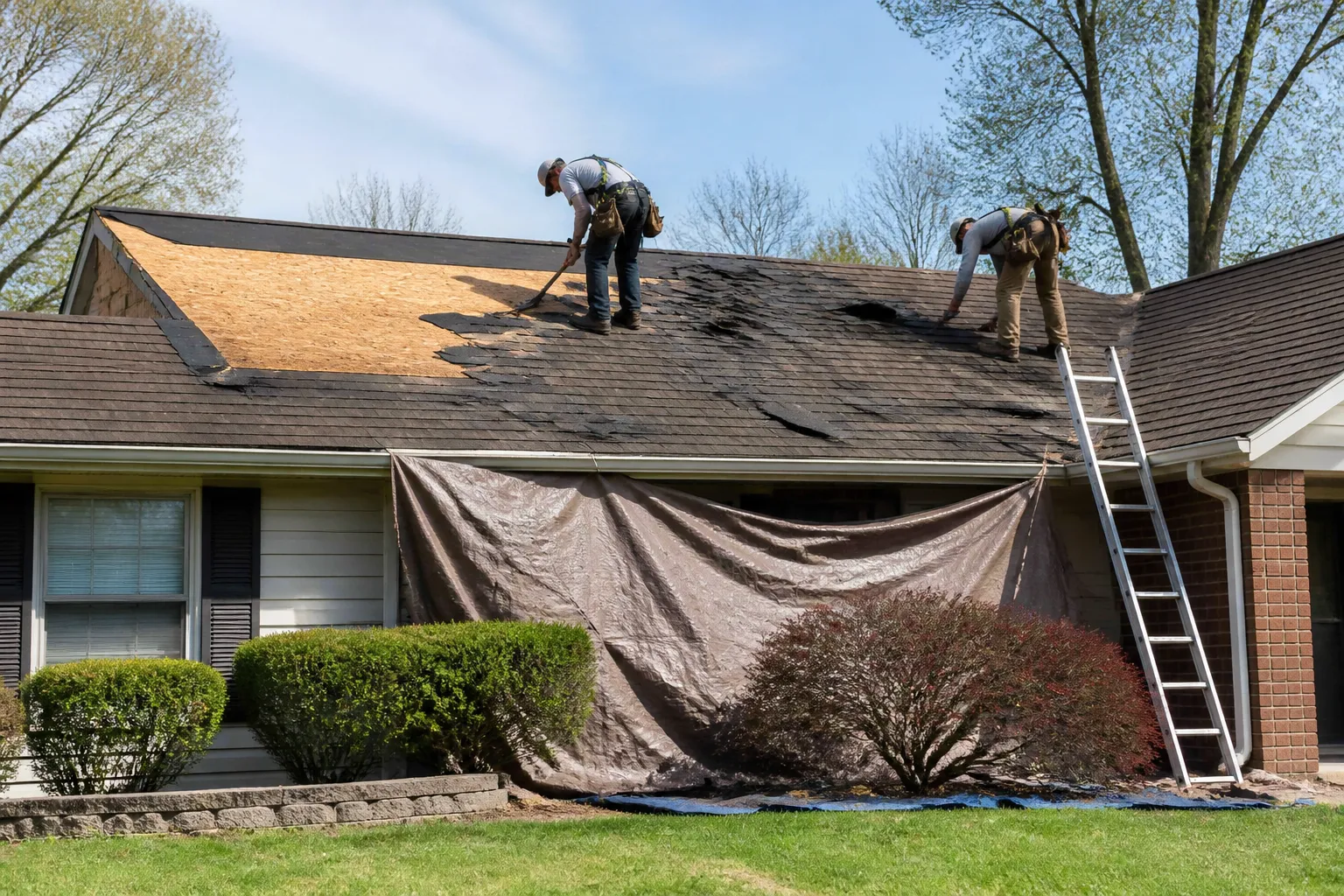
Roof replacement guidance for Pocahontas homes and businesses, including assessment, materials, tear-off, decking, and proposal comparison.
Learn More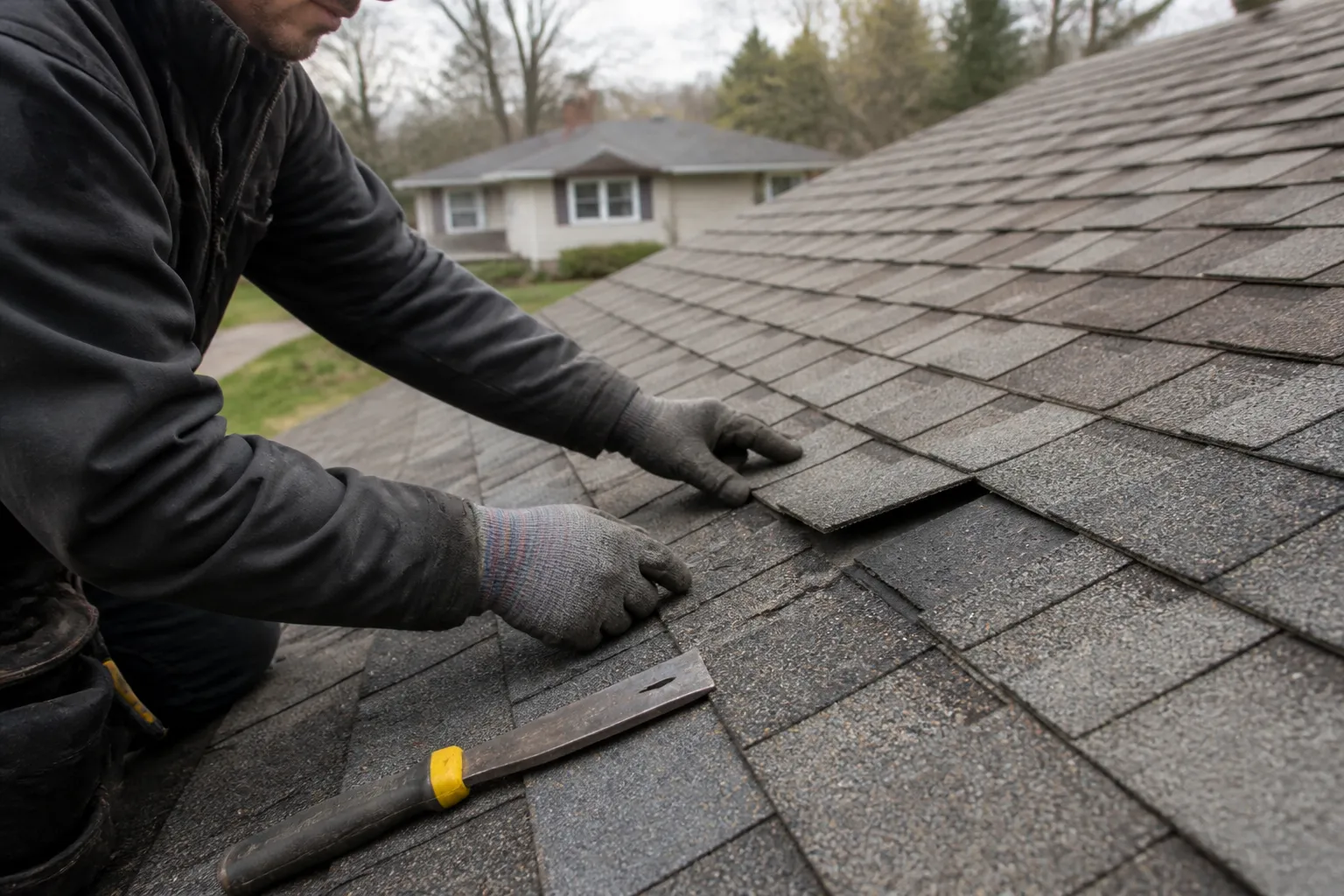
Repair guidance for leaks, localized roof damage, and recurring concerns at homes and businesses in Walnut Ridge, Arkansas.
Learn More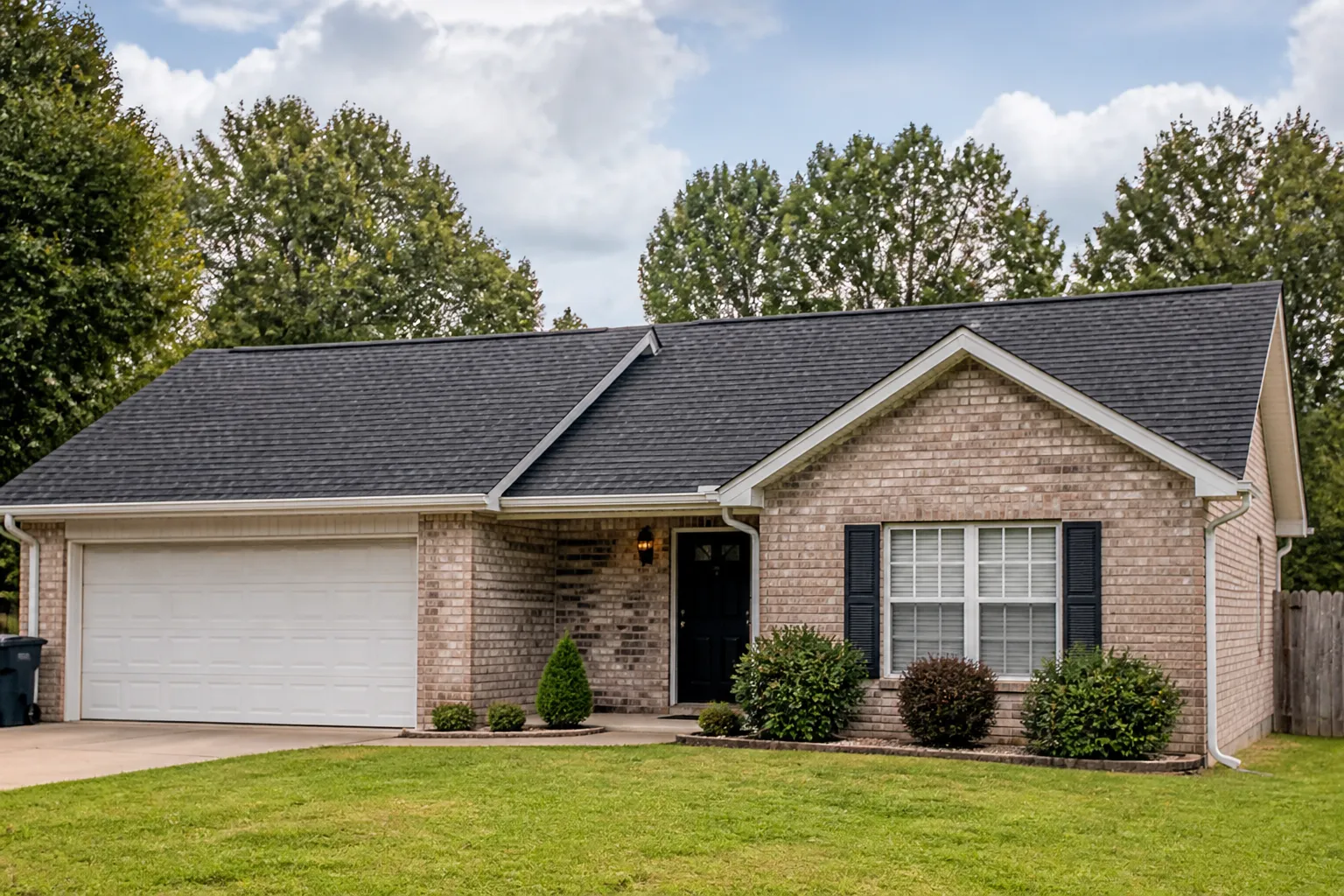
Replacement planning for property owners comparing roof condition, materials, removal, decking, and written project scopes in Walnut Ridge, Arkansas.
Learn More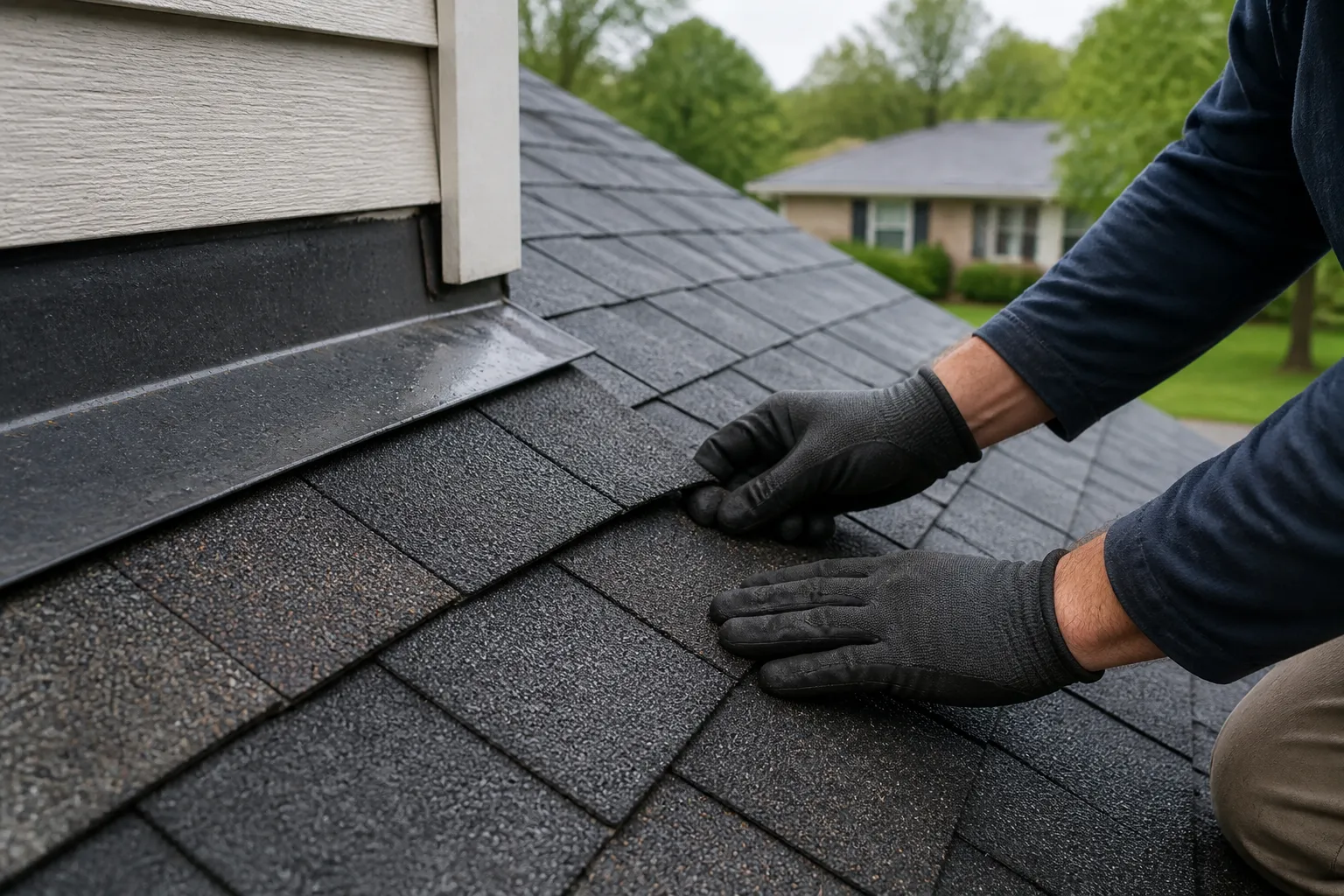
Practical roof repair guidance for Alma, Arkansas, including leak assessment, localized damage, recurring concerns, and written scope comparisons.
Learn More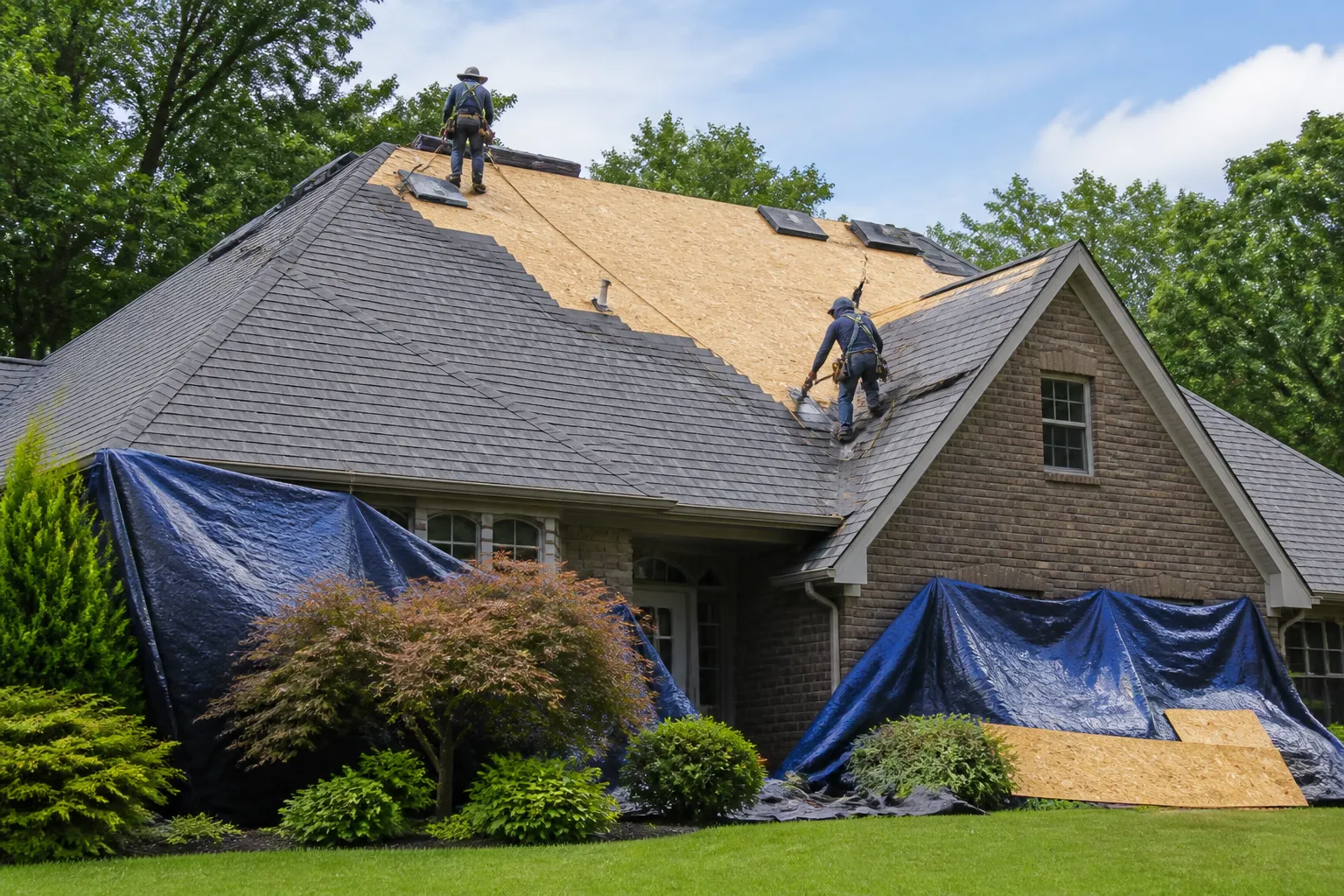
Compare roof replacement in Alma, Arkansas, including condition assessment, shingles and metal, tear-off, decking, ventilation, property protection, and itemized proposals.
Learn More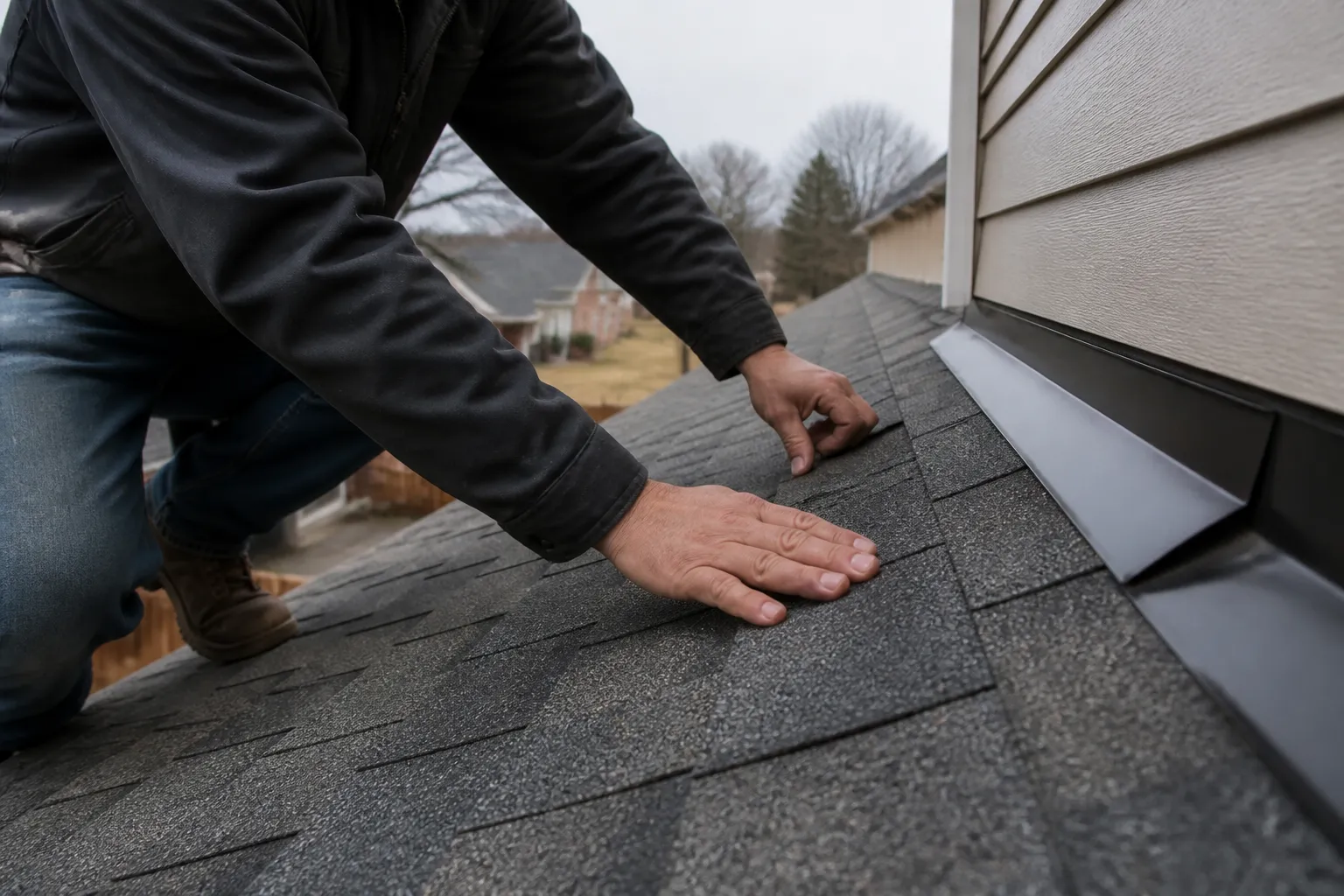
Roof leak and localized roof repair guidance for Morrilton, Arkansas properties, including how to document symptoms safely and compare written scopes.
Learn More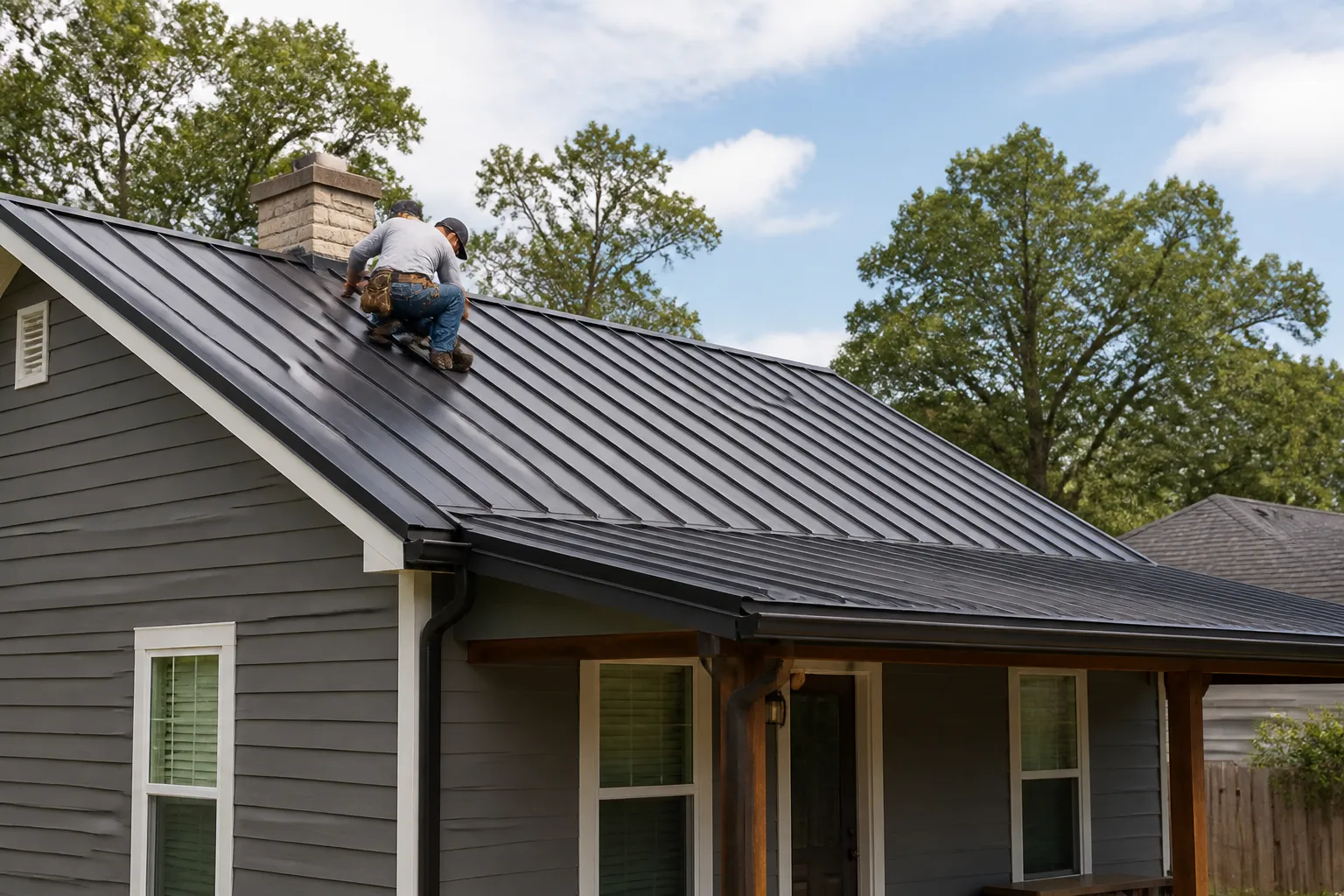
Roof replacement planning in Morrilton, Arkansas, with guidance on assessment, material choices, tear-off, decking, ventilation, property protection, and itemized estimates.
Learn More
Roof leak and localized damage assessment for Mena, Arkansas properties, with clear repair scope and repair-versus-replacement considerations.
Learn More
Roof condition and replacement planning for Mena, Arkansas properties, including materials, decking, ventilation, protection, and itemized scope comparisons.
Learn More
Assessment and repair options for roof leaks and localized damage at homes and businesses in Wynne, Arkansas.
Learn More
Roof condition assessments, material comparisons, and itemized replacement planning for homes and businesses in Wynne, Arkansas.
Learn More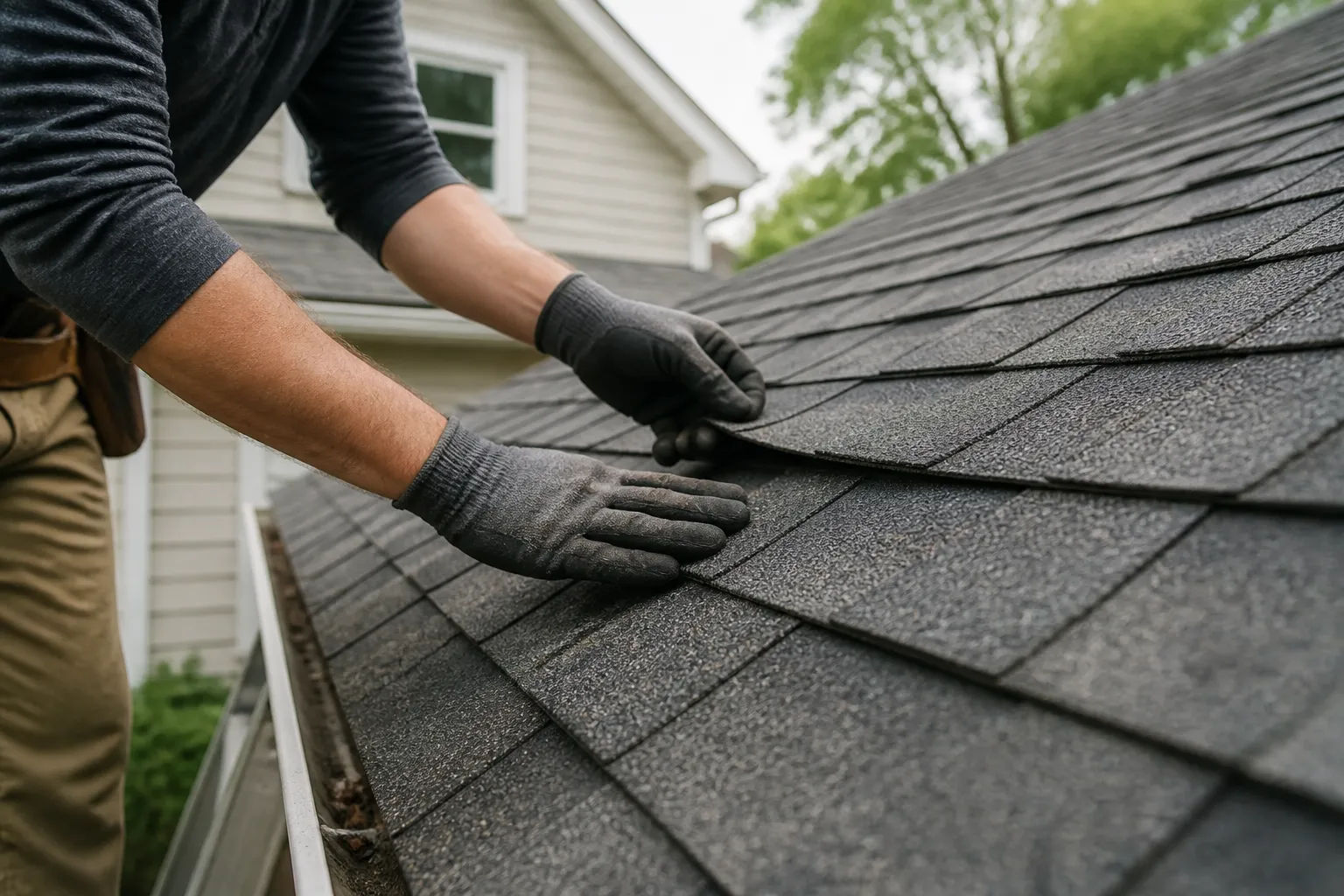
Understand roof repair options in Trumann, Arkansas, from locating a reported leak to comparing a defined repair scope with broader roof work.
Learn More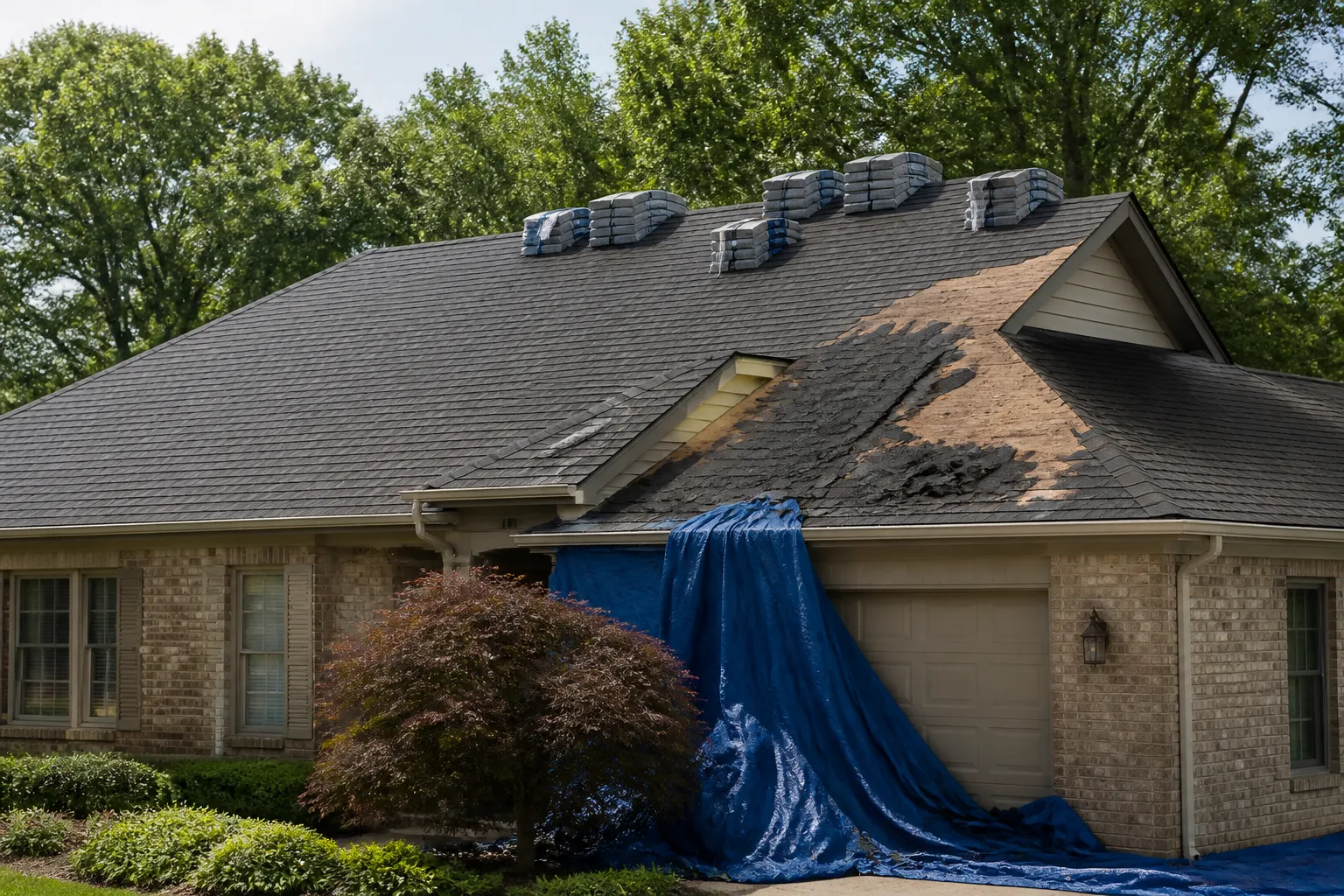
Review roof condition, material systems, tear-off and decking assumptions, ventilation, protection, and itemized proposals for replacement in Trumann.
Learn More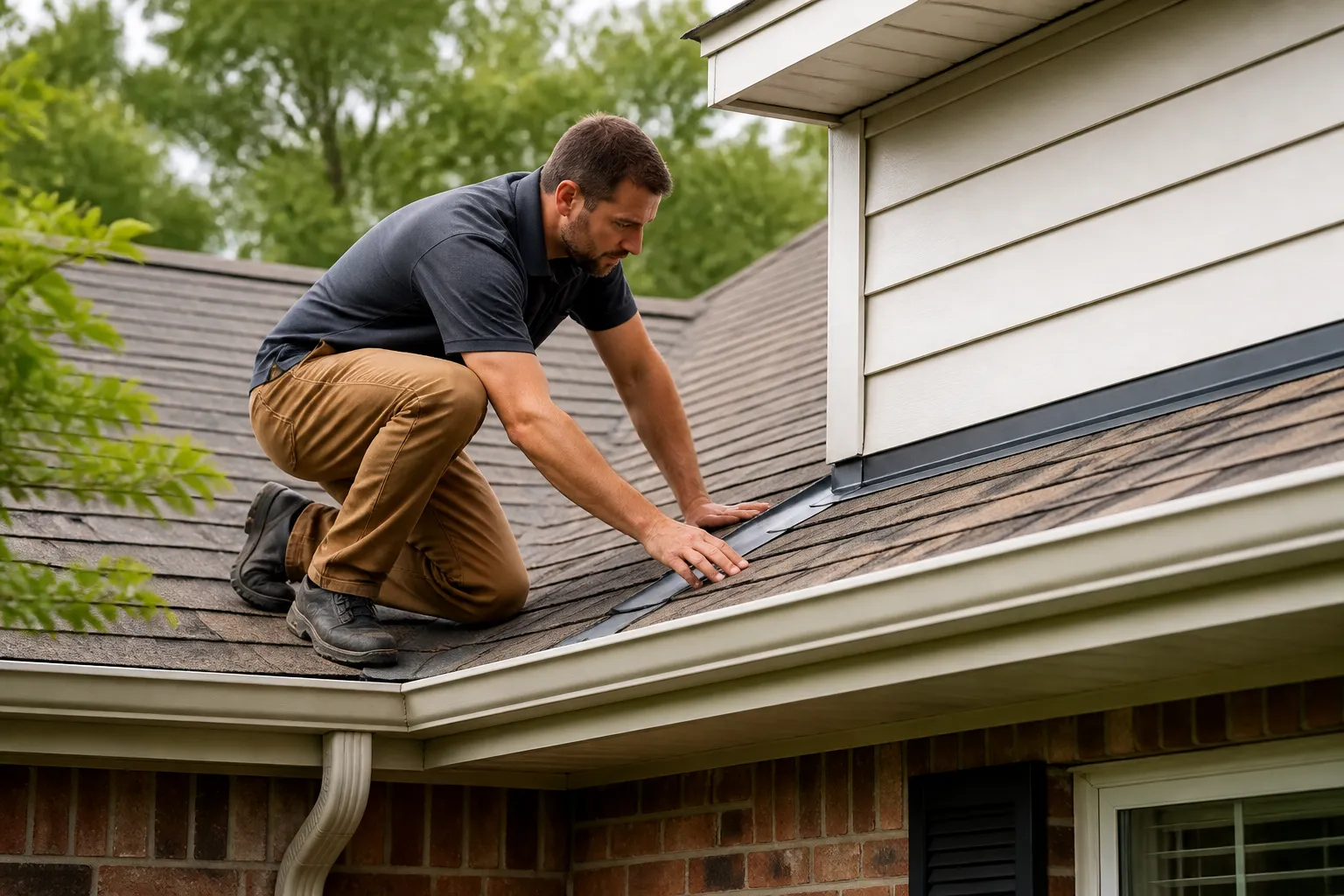
Understand roof leak assessment, localized repair scopes, recurring concerns, and when replacement may be worth comparing for an Osceola, Arkansas property.
Learn More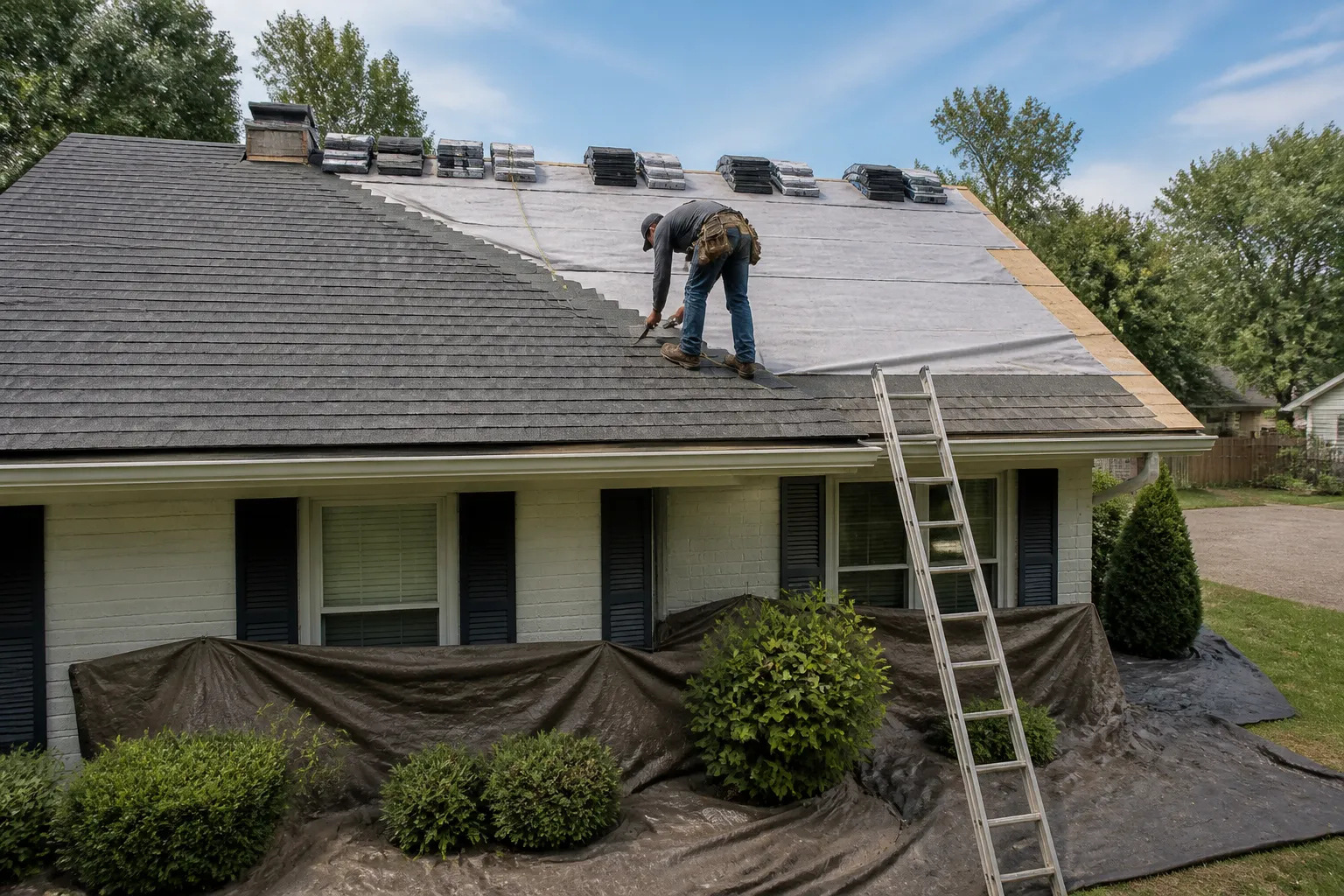
Review roof condition, material choices, removal and decking, property protection, and written replacement proposals for an Osceola, Arkansas property.
Learn More
Roof leak and damage guidance for Pea Ridge, Arkansas, including what to report, how a repair scope is assessed, and when to compare replacement.
Learn More
Compare roof replacement in Pea Ridge, Arkansas, with repair by reviewing roof conditions, material systems, tear-off, decking, ventilation, and itemized proposal scopes.
Learn More
Roof repair guidance for Farmington, Arkansas, including leak reporting, source assessment, localized repairs, recurring leaks, and when to compare replacement.
Learn More
Roof replacement guidance for Farmington, Arkansas, covering condition assessment, shingles and metal, tear-off, decking, ventilation, protection, cleanup, and proposals.
Learn More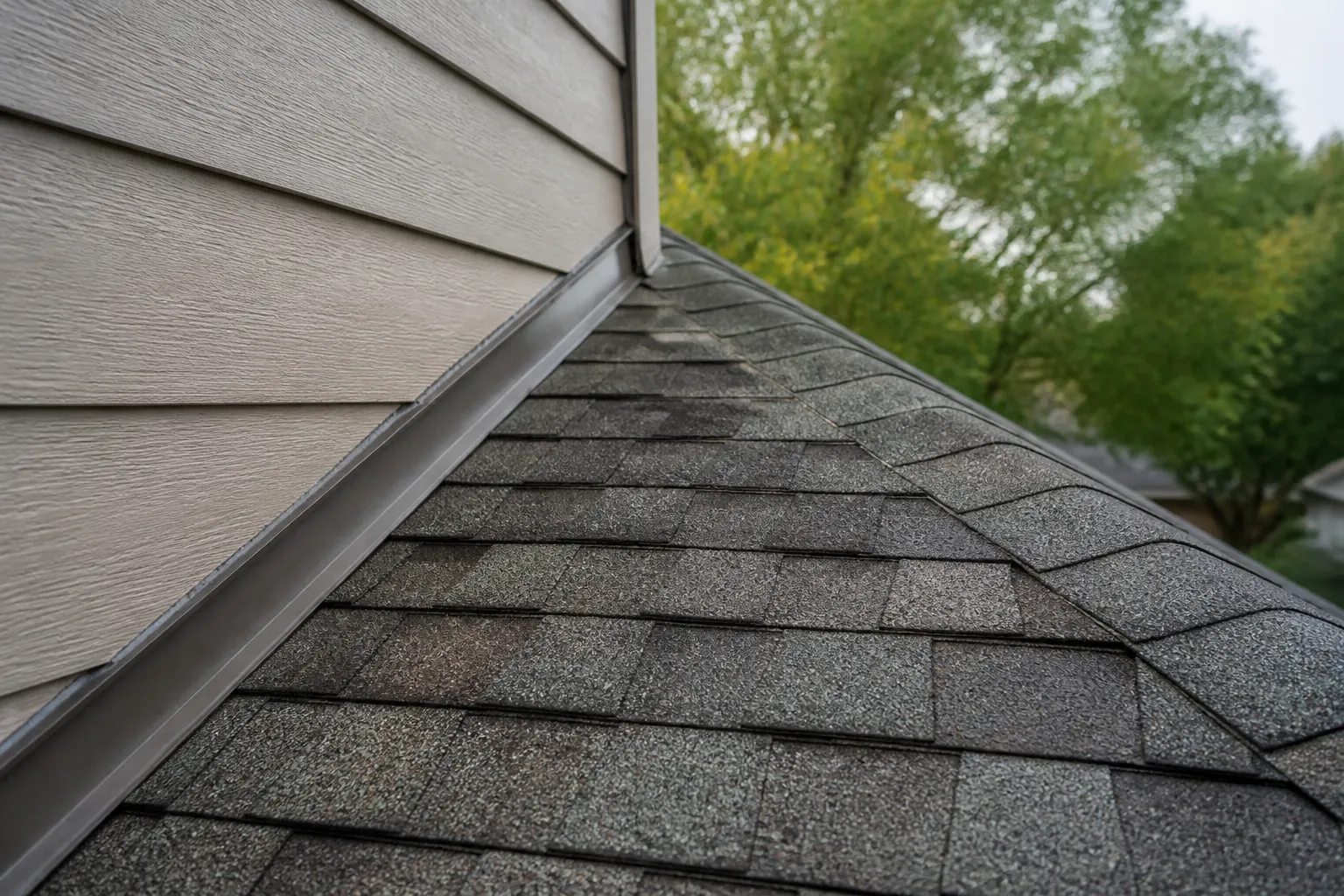
Assess a localized leak, damaged shingle, flashing concern, or recurring water mark in Lowell, Arkansas. Compare repair scope with broader work based on the roof’s observed condition.
Learn More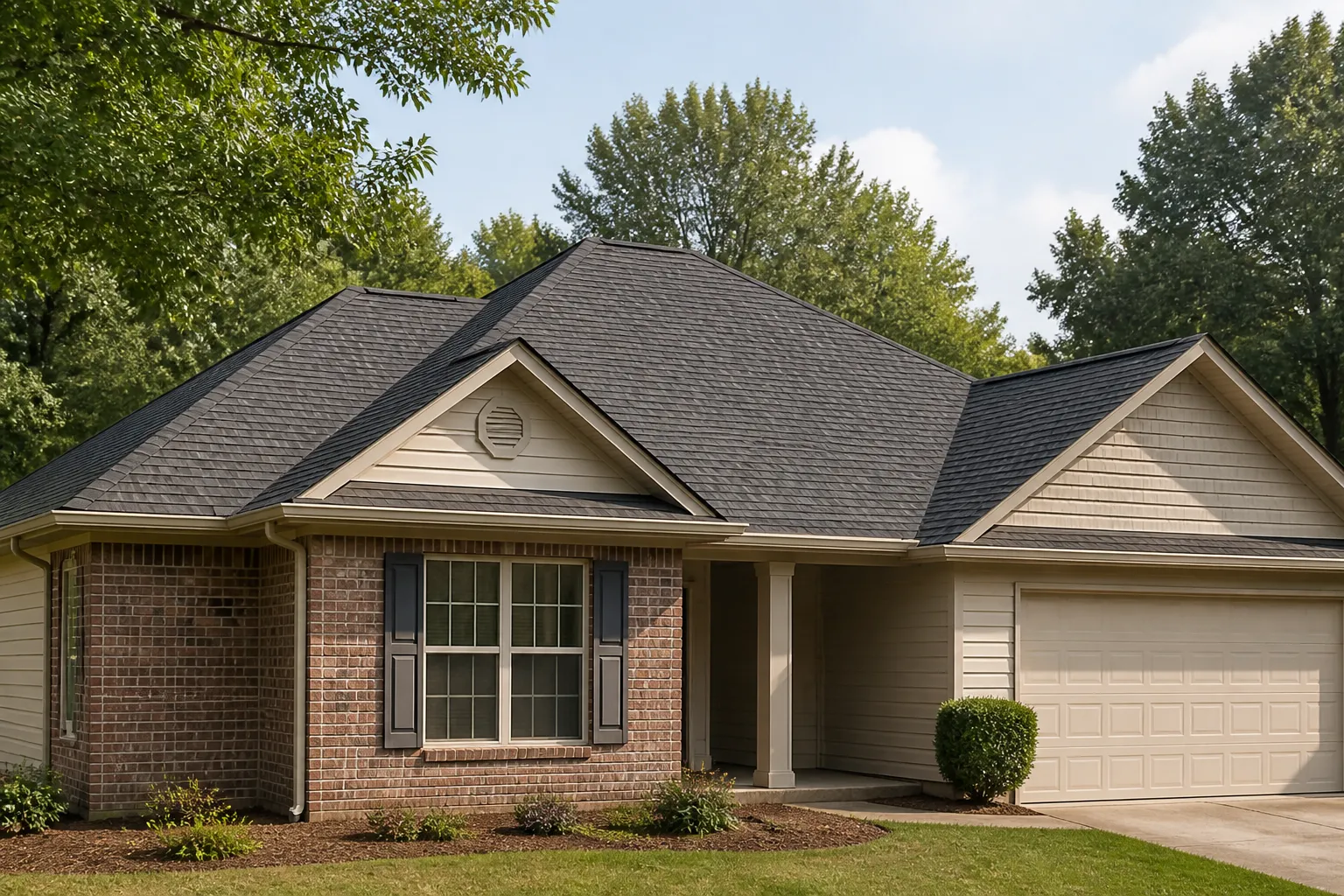
Compare roof replacement options for Lowell properties, including material choices, tear-off, decking review, ventilation, protection, cleanup, and itemized written scopes.
Learn More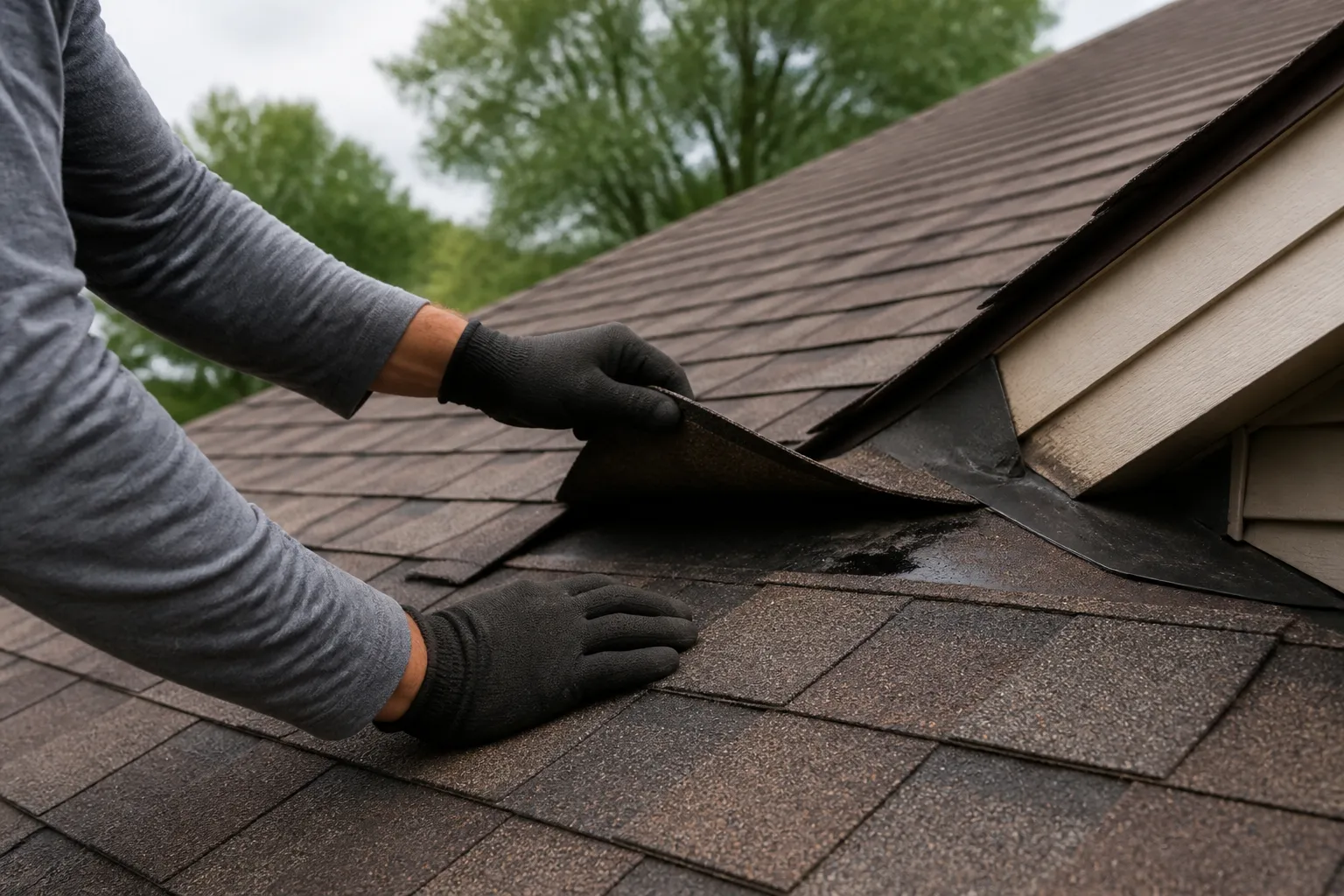
Practical guidance for assessing roof leaks, localized damage, recurring problems, and repair options in Heber Springs, Arkansas.
Learn More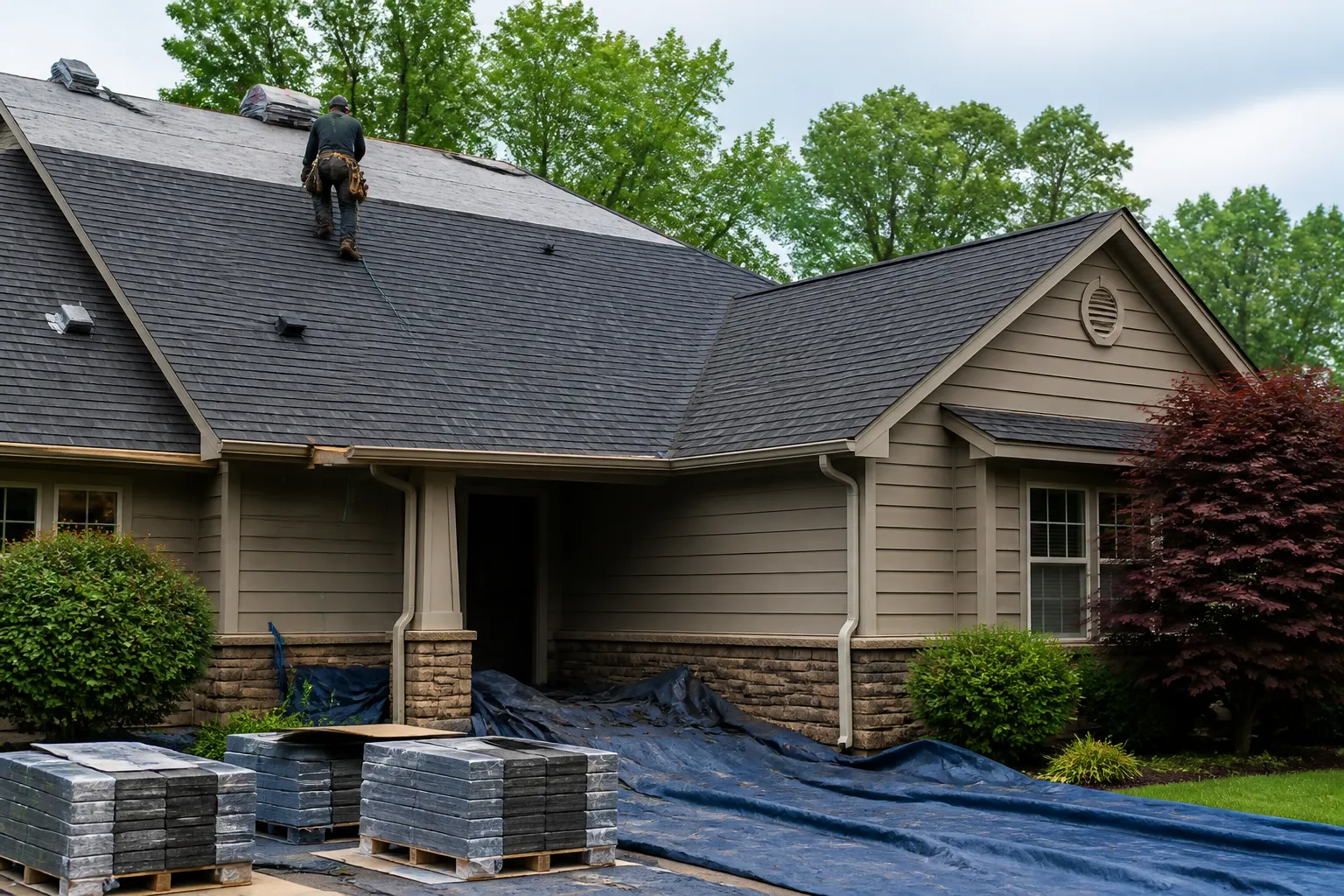
Guidance for assessing roof condition, comparing roofing materials, and reviewing a detailed replacement proposal in Heber Springs, Arkansas.
Learn More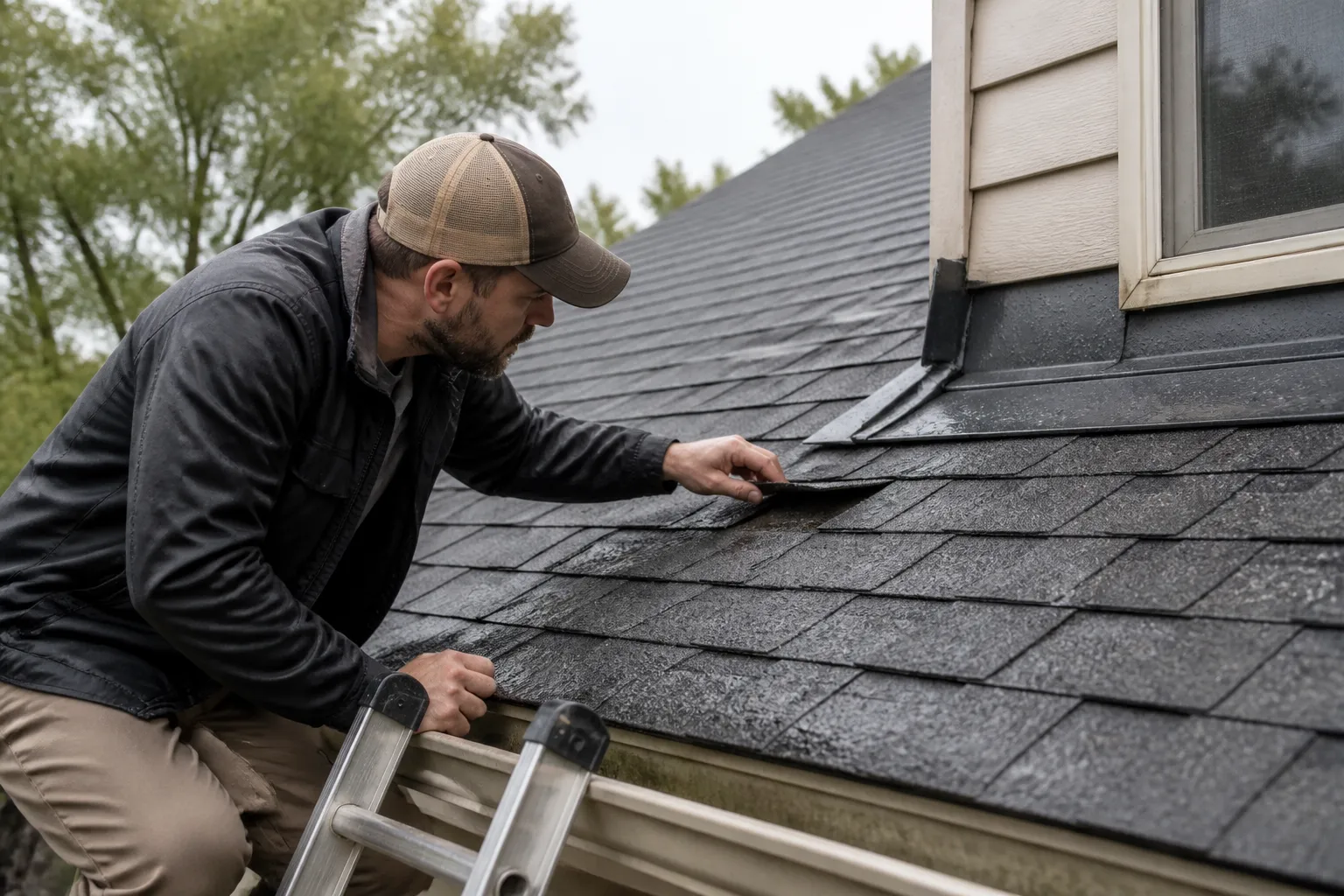
Investigate leaks, localized roof damage, and recurring symptoms in Greenbrier, Arkansas, with a clearly defined repair scope.
Learn More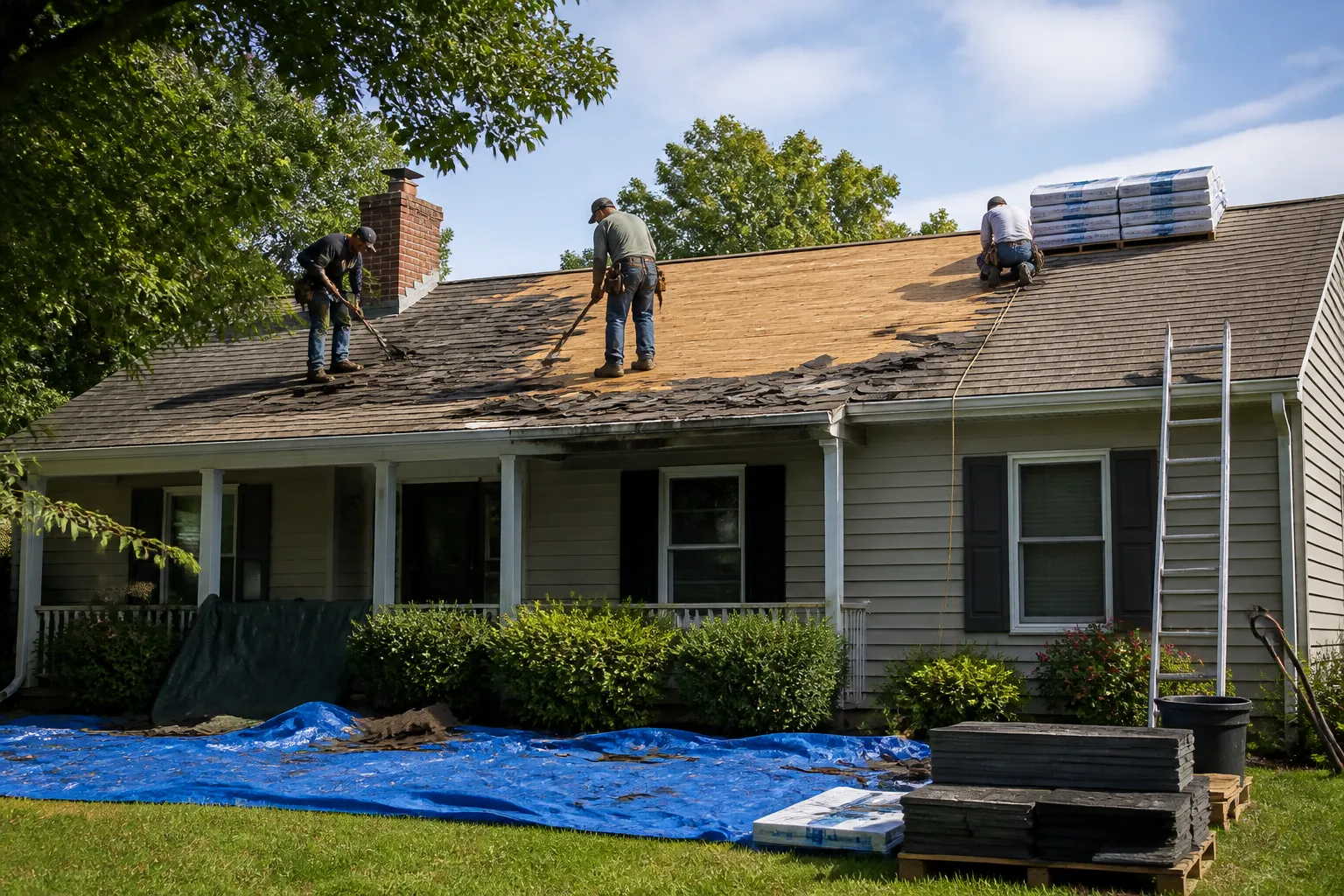
Compare roof condition, material systems, replacement steps, and itemized proposals for Greenbrier, Arkansas, properties.
Learn More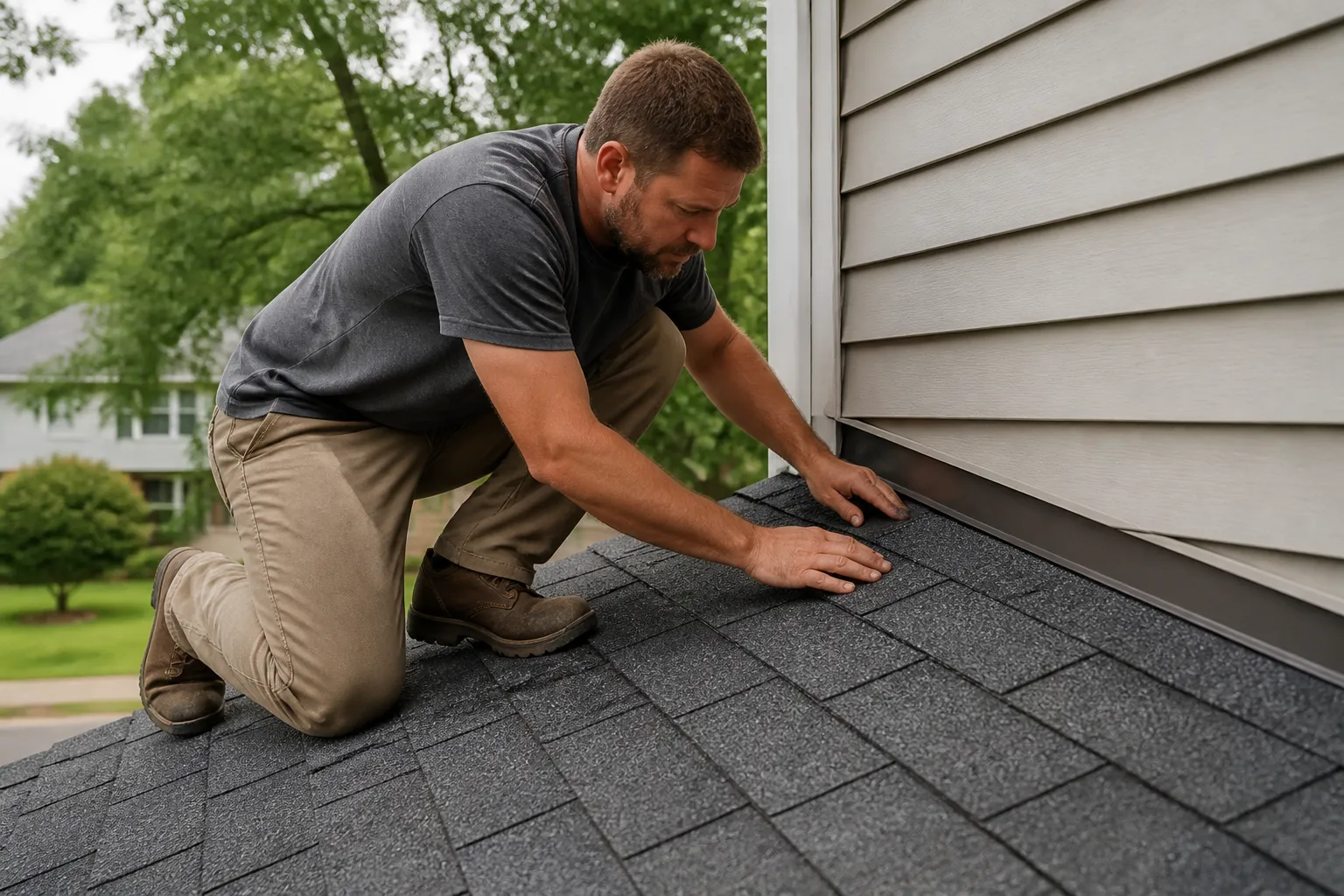
Get practical guidance on roof leaks, localized damage, recurring symptoms, and clearly defined repair scopes in Dardanelle, Arkansas.
Learn More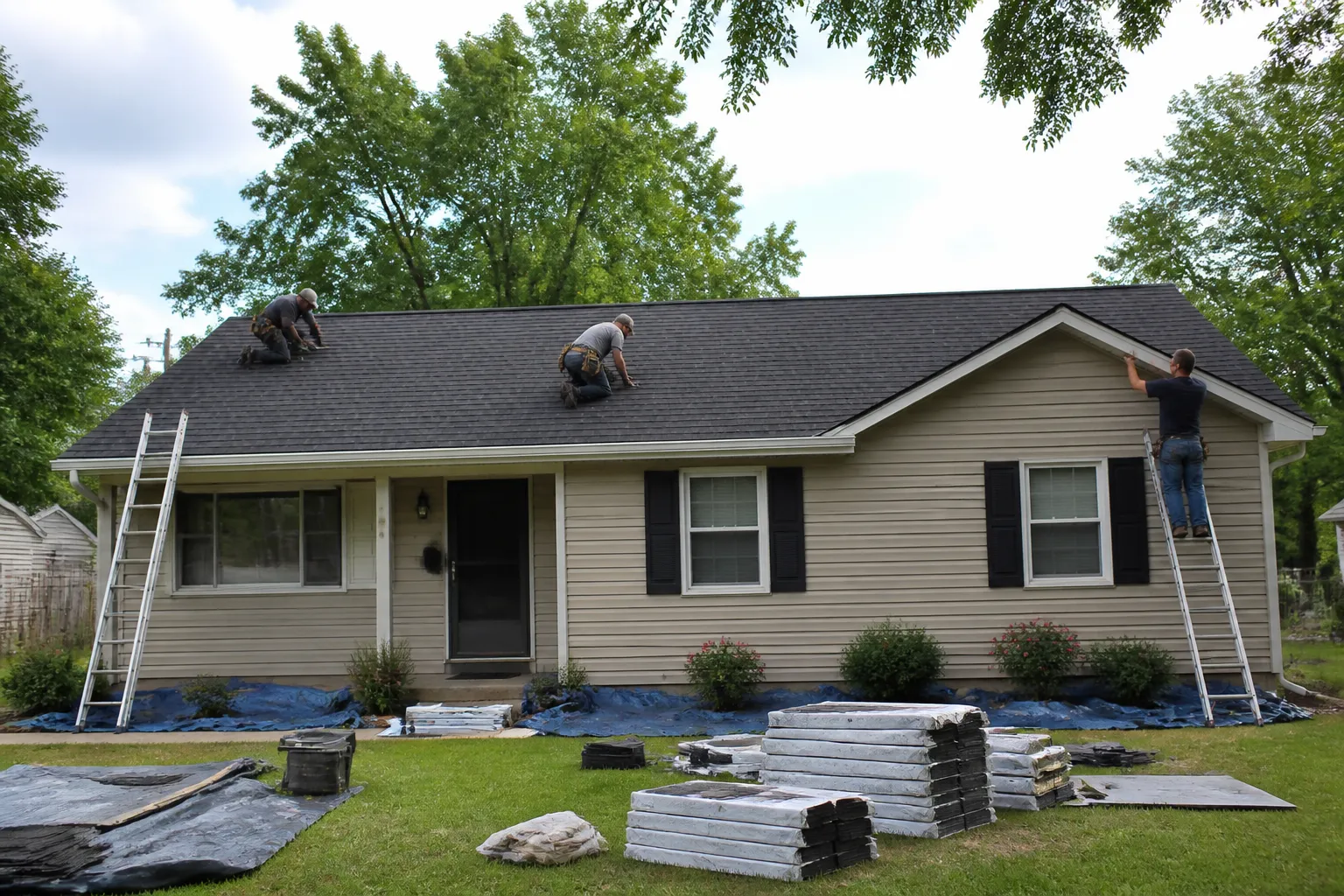
Compare roof condition, material choices, tear-off, decking, ventilation, property protection, and itemized replacement proposals in Dardanelle, Arkansas.
Learn More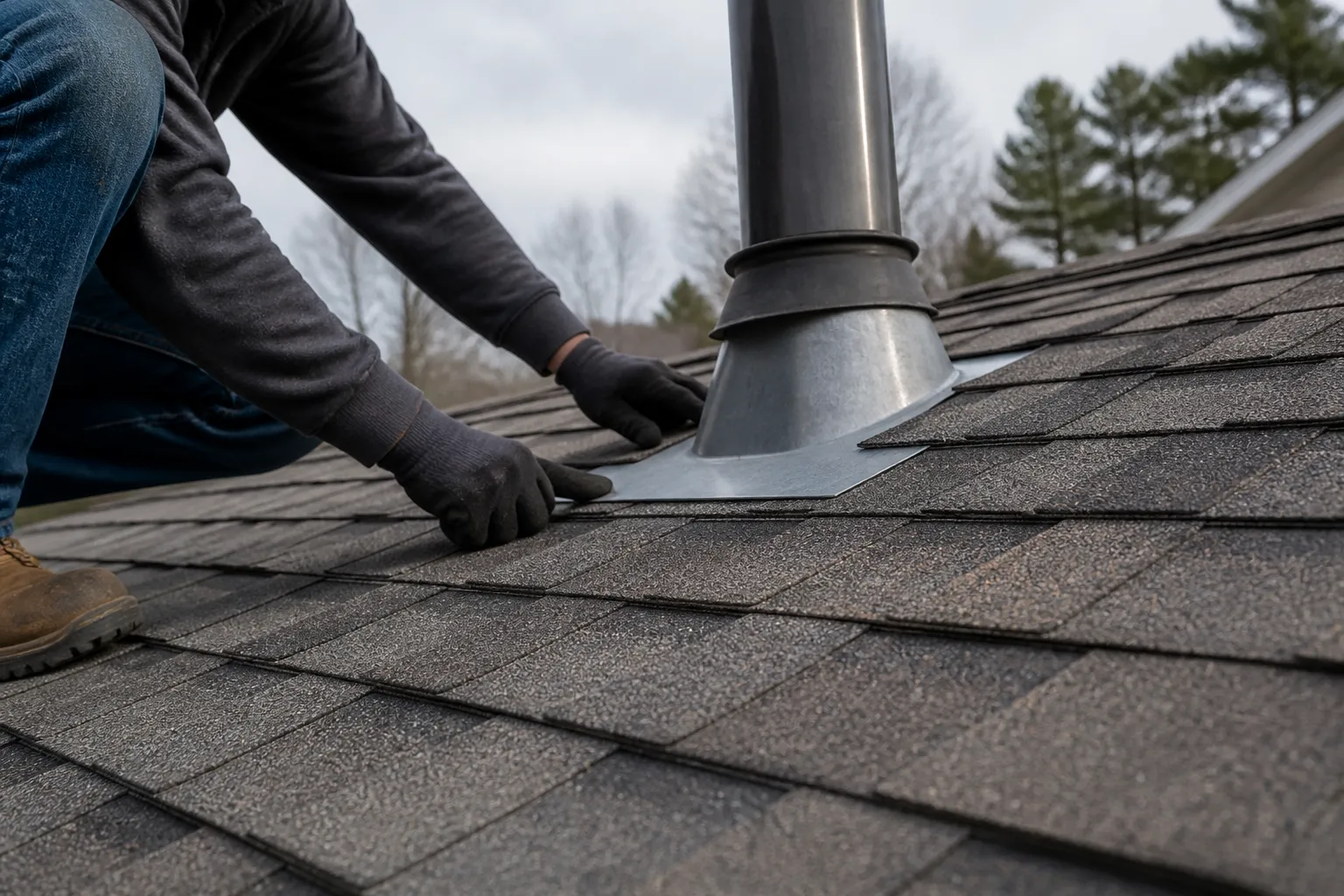
Roof leak and localized damage guidance for homeowners and property owners in Warren, Arkansas.
Learn More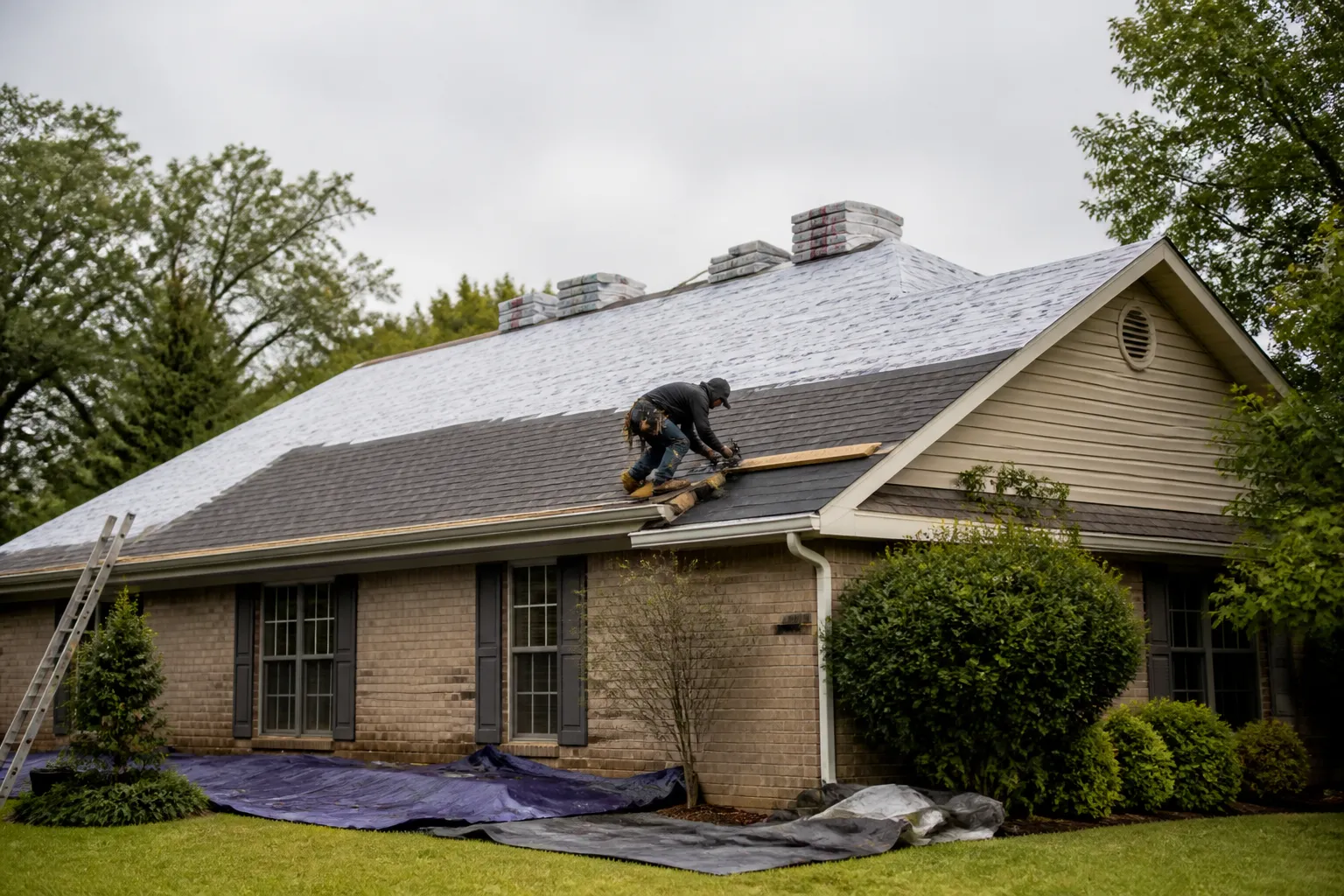
Roof replacement guidance for Warren, Arkansas, covering assessment, materials, tear-off, decking, ventilation, protection, cleanup, and written proposals.
Learn More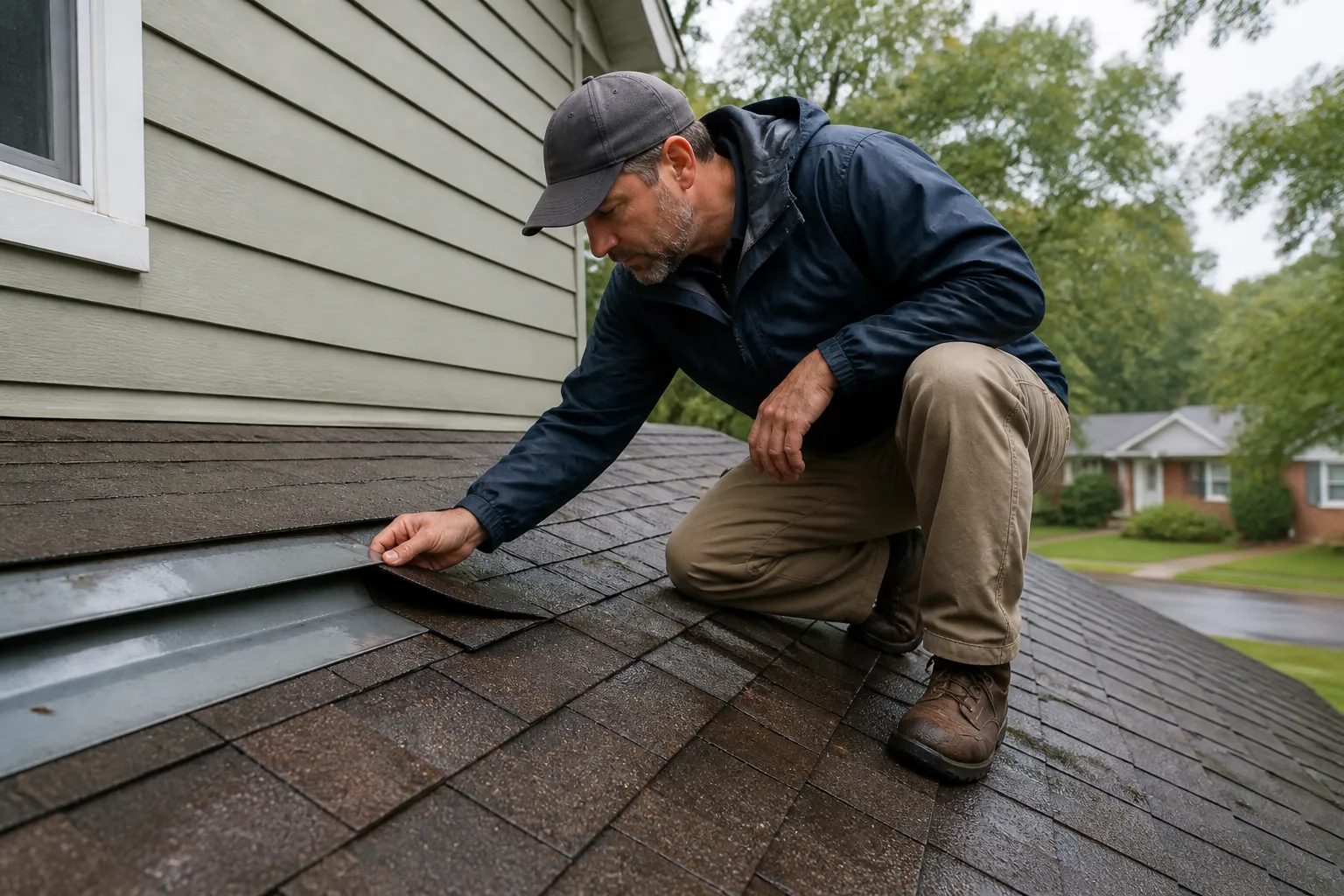
Roof repair guidance for Crossett homeowners and property managers, including leak assessment, repair scope, recurring damage, and when to compare replacement.
Learn More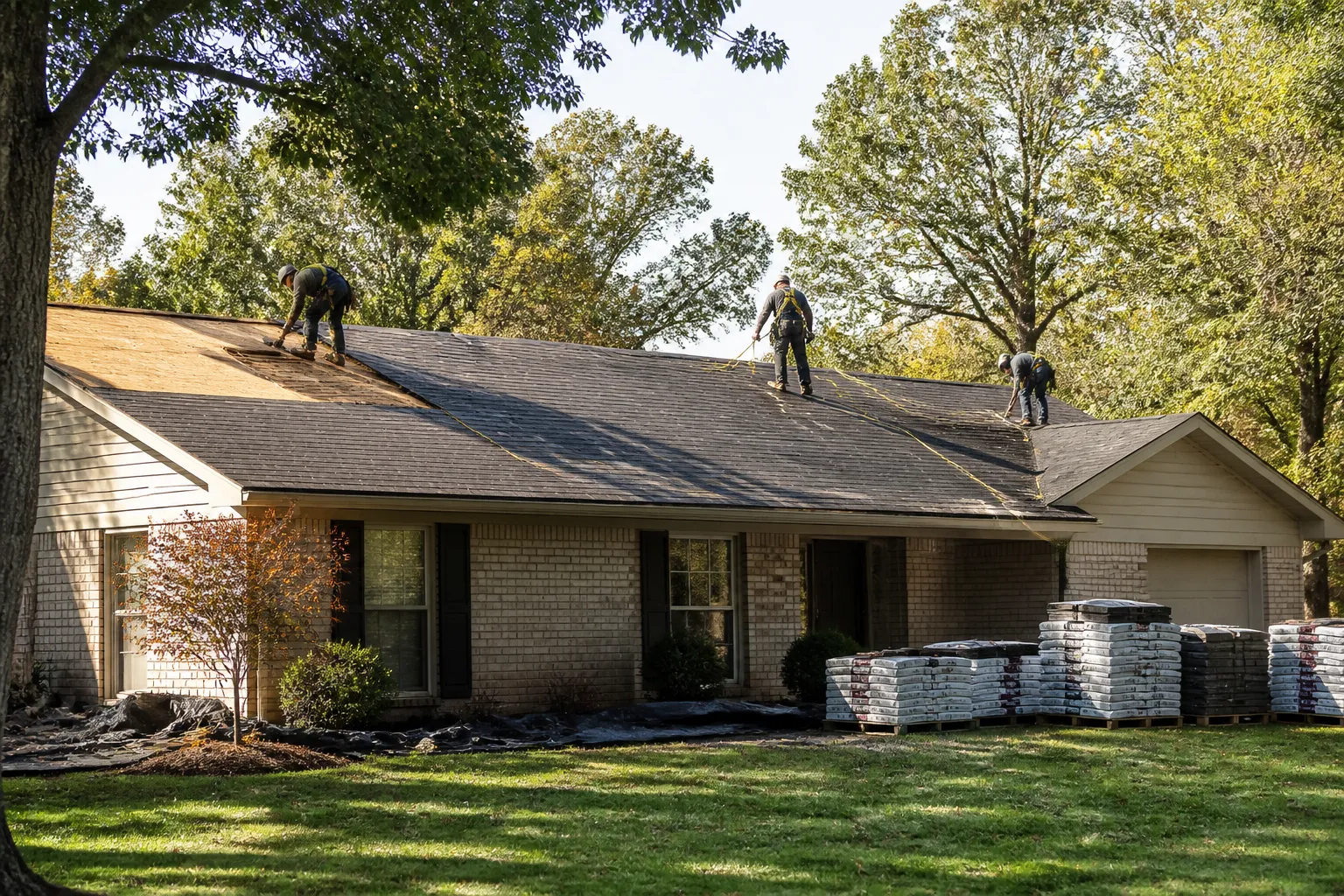
Roof replacement planning in Crossett, including condition assessment, roofing material options, tear-off, decking, ventilation, property protection, and proposal comparisons.
Learn More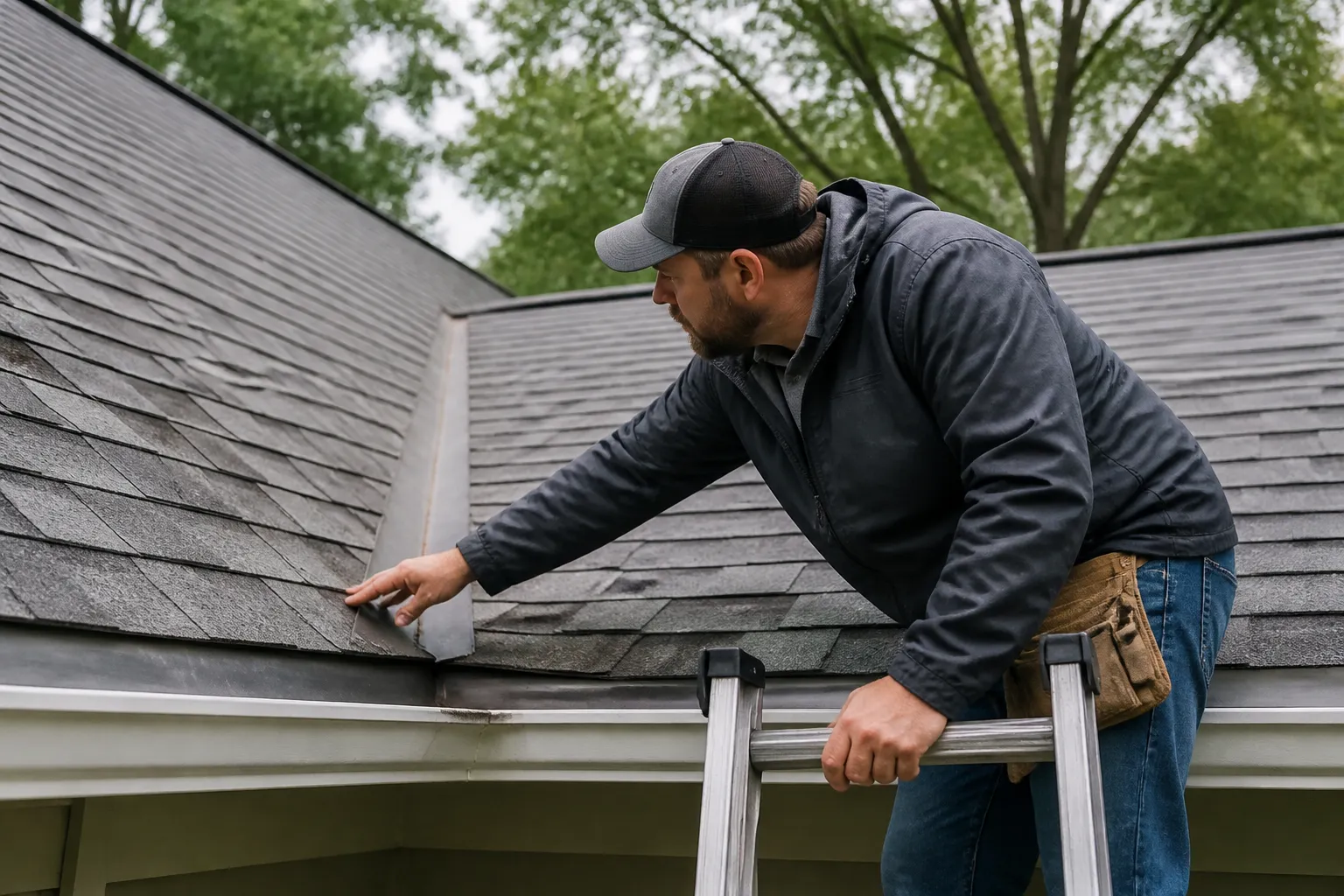
Roof repair guidance for De Queen property owners, including leak assessment, localized damage, recurring leaks, written repair scopes, and when to compare replacement.
Learn More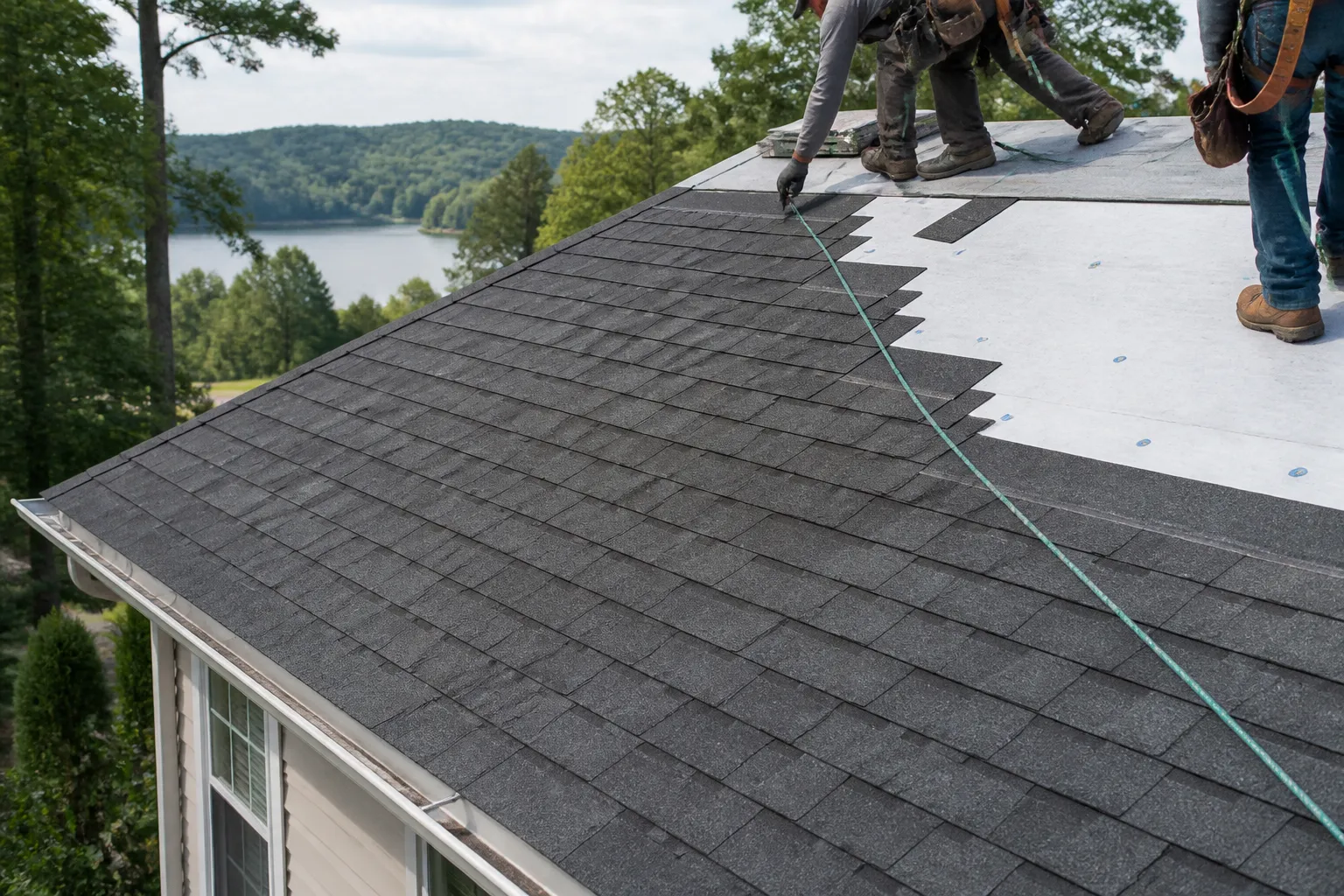
Roof replacement planning in De Queen, including condition assessment, material comparisons, tear-off, decking, ventilation, property protection, cleanup, and written proposals.
Learn MoreTell us where the property is and what your roof needs.
Roofing Estimate
Share the property ZIP code and the roofing service you need. The form uses the existing inquiry system.