Arkansas Roofing Guidance
Metal Roofing in Paragould, AR
Explore metal roofing in Paragould, AR, including standing seam and exposed-fastener systems, repair, condensation, maintenance, and written estimates.
Arkansas Roofing Guidance
Explore metal roofing in Paragould, AR, including standing seam and exposed-fastener systems, repair, condensation, maintenance, and written estimates.
For your Paragould property, compare the proposed panel system, fastening, flashing, ventilation, and repair options against the building and project goals.
A useful starting point is the roof’s current condition and the goal of the project. A localized problem may call for assessment of a repair, while broad wear or repeated trouble may make replacement worth comparing. For area-wide roofing guidance, see Roofing in Paragould. Metal work may also be compared with Paragould roof repair, Paragould roof replacement, and Paragould commercial roofing, depending on the property.
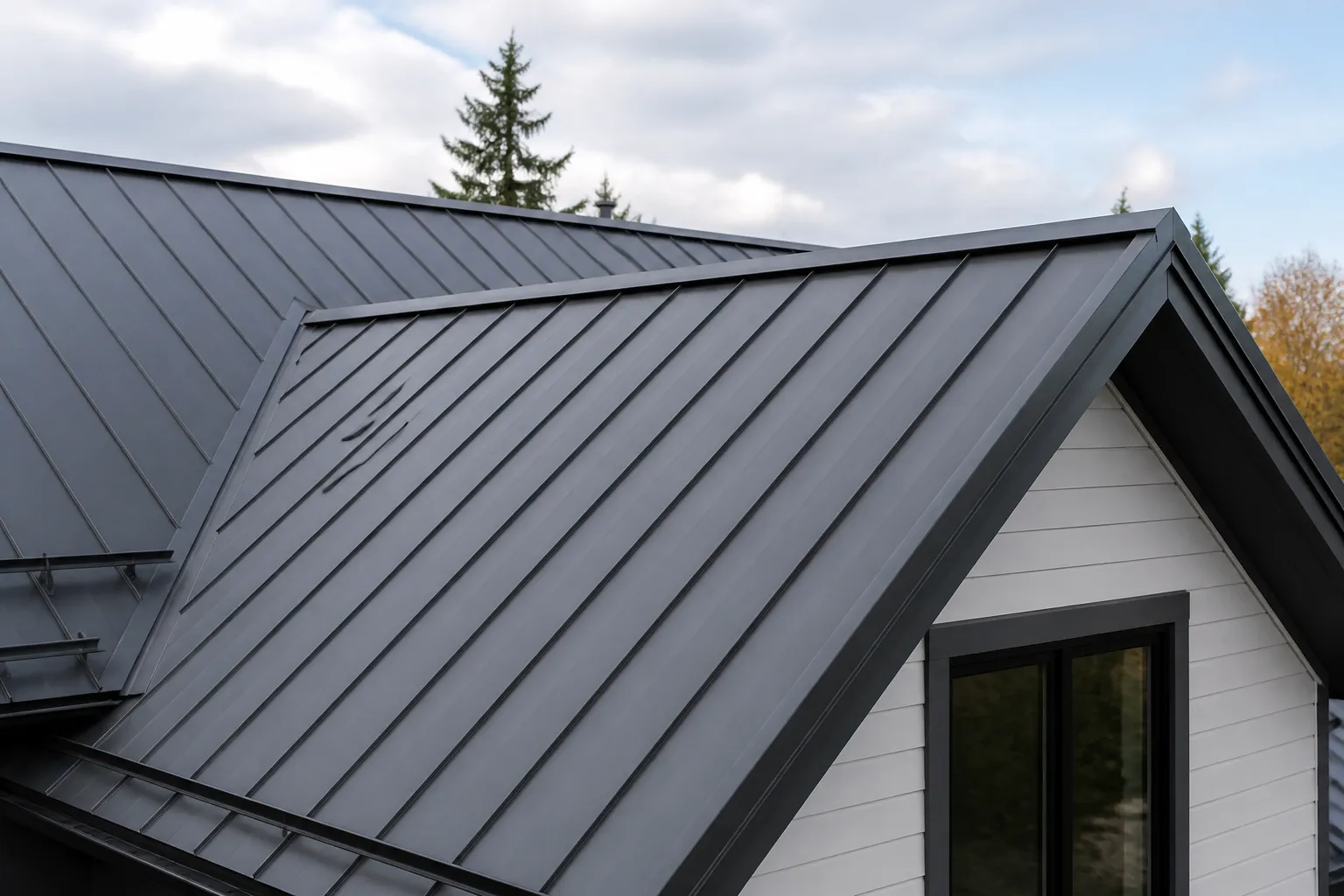
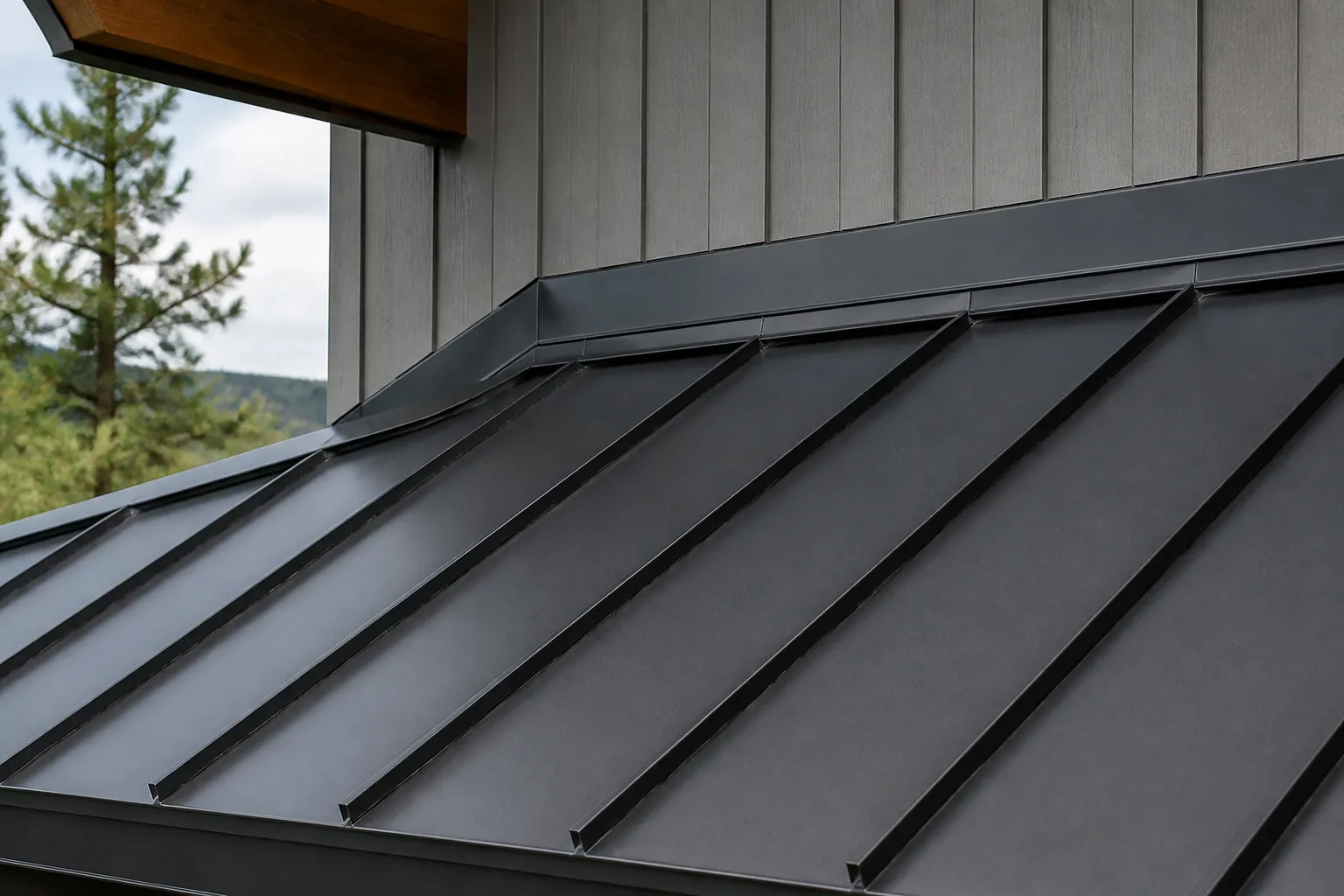
Standing-seam systems join panels at raised seams, with panel-field fasteners generally concealed by the system. Exposed-fastener panels use visible fasteners and washers through the panel surface. The two approaches differ in appearance, panel layout, fastening, and maintenance considerations. Neither label by itself shows whether a system suits a particular roof.
Ask which specific panel profile and attachment method the estimate proposes. The scope should explain how panel ends, ridges, eaves, valleys, roof edges, and transitions will be finished. Roof slope, supporting surface, existing layers, and details around penetrations can affect system selection and installation planning. Compare proposals that describe the actual materials and components rather than simply stating “metal roofing.”
For a Paragould roof, possible leak areas include flashing, penetrations, seams, or fasteners, depending on the system; these signs alone do not confirm a source. Standing-seam and exposed-fastener roofs require attention to different seam and attachment details. Panel movement, corrosion, earlier repair materials, and compatibility with the existing assembly can change the repair scope. Sealant alone may not resolve the underlying detail or condition. Before calling, gather the address, any available information about the roof system and previous repairs, when and where moisture appeared, and photos taken safely from indoors or ground level. Do not climb onto the roof or attempt a repair. A contractor’s assessment can establish whether a repair is suitable for that roof.
Replacement deserves consideration when problems are widespread, repeated repairs have not addressed the cause, or the existing system has deterioration across multiple sections. The decision should be based on a review of the roof, not the material name or age alone. Compare the condition, the proposed scope, and the practical limits of a repair. Read about metal roofing versus asphalt shingles to compare common material questions.
Flashing directs water around joints and openings, including chimneys, vents, roof-to-wall transitions, and other penetrations. Ask how the estimate addresses existing flashing and how new metal will connect to adjacent materials. These transition details can be as important to the scope as the panels themselves.
Ventilation and moisture conditions also matter. A metal covering does not by itself prevent condensation. Insulation, air movement, indoor moisture, and the roof assembly can all affect where condensation forms. Ask whether the estimate includes ventilation changes or other moisture-management work, and have any recommended changes described clearly rather than assumed.
Metal roofing is not maintenance-free. Periodic attention may include checking visible fasteners, seams, flashing, sealant, debris, and drainage, with the specific needs depending on the selected system and the property. Ask what maintenance information applies to the proposed panel and how concerns should be reported. Do not assume a guaranteed lifespan or insurance savings from a material choice.
A written estimate should identify:
Ask how any concealed damage or additional work will be documented and explained, and how approval will be obtained before the scope changes. For a local assessment, describe whether the project involves a repair or a new roof, what concerns are visible, and any previous work. Use the estimate form below to share the details.
Standing-seam panels connect at raised seams and generally conceal panel-field fasteners. Exposed-fastener systems use visible fasteners and washers. Compare the specific profiles, attachment details, and scope proposed for the building.
That depends on the source and extent of the problem and the condition of the surrounding roof. Ask what components are affected, what the repair is intended to correct, and what limitations remain after the work.
Yes. Condensation depends on the roof assembly, insulation, ventilation, air movement, and indoor moisture. Ask whether those conditions should be considered when evaluating the proposed system.
Look for the panel and fastening system, preparation, removal if applicable, underlayment, decking review, flashing, ventilation, penetrations, cleanup, exclusions, and the process for documenting and approving additional work.
What To Expect
Share your ZIP code, the service you are considering, and what you have noticed about the roof.
Discuss the observed condition, repair or replacement options, and proposed scope with the independent roofer, subject to local availability.
Review materials, work details, cleanup, exclusions, and any additional repairs before deciding how to proceed.
A Few Common Questions
Tell us where the property is and what your roof needs.
Roofing Estimate
Share the property ZIP code and the roofing service you need. The form uses the existing inquiry system.