Arkansas Roofing Guidance
Roof Repair in Hope, AR
Learn what a Hope, AR roof repair assessment may cover, from leak diagnosis and shingles to flashing, pipe boots, prior repairs, and repair limits.
Arkansas Roofing Guidance
Learn what a Hope, AR roof repair assessment may cover, from leak diagnosis and shingles to flashing, pipe boots, prior repairs, and repair limits.
A leak that comes back after every rain needs more than another patch. For your Hope home or business, start with an assessment that traces the source, checks the surrounding roofing, and explains what a lasting repair would involve.
When calling, describe the room or area affected, when the leak appears and whether it follows rain, what visible changes you have noticed, and any earlier repairs. A ceiling stain is useful information, but it may not be directly below the roof opening.
A useful repair assessment starts with the symptoms and the surrounding roof, not just the most visible spot. Share changes you have noticed and whether a problem returns after rain or after earlier work.
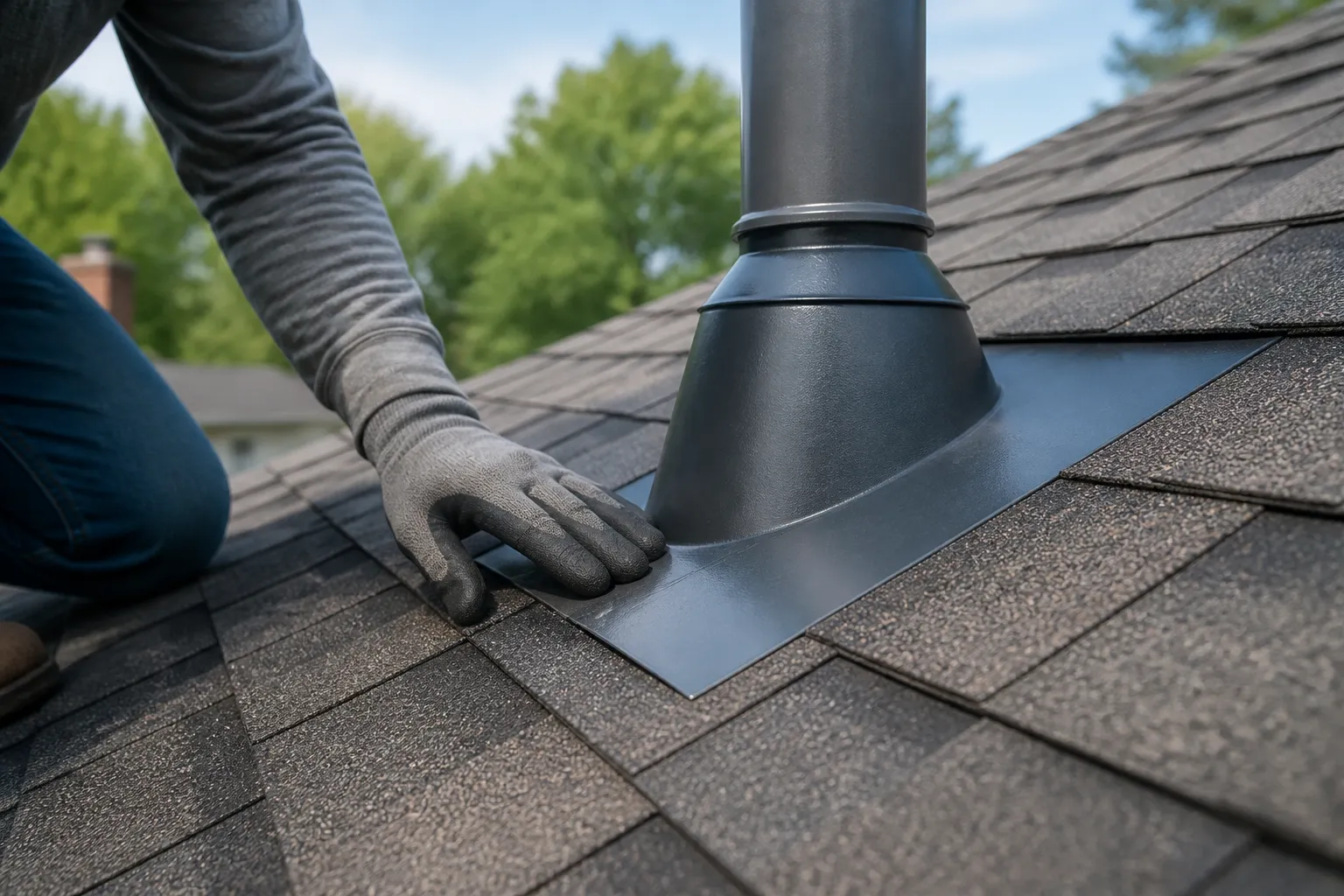
Water can travel beneath roofing or along decking and framing before a ceiling stain appears, so the stain alone does not locate the opening. Flashing, roof penetrations such as plumbing vents, damaged shingles, and valleys are possible entry points, not diagnoses based on symptoms alone. An assessment compares the reported signs with roof conditions and, when appropriate and safe, interior or attic observations. Identifying the source first helps the contractor explain which repair fits the observed condition instead of treating only the visible symptom.
If useful, take photos from a safe indoor position or from ground level; do not climb onto the roof or get beneath loose materials for a closer view. A contractor may review the reported location, relevant flashing, shingles, pipe boots, valleys, or edges, with the inspection approach depending on the property and safe access.
A focused repair can make sense when the concern is localized and surrounding roofing remains serviceable. The contractor should explain what the repair is intended to address and any limits that follow from the roof’s observed condition. A repair cannot correct unrelated wear elsewhere, and concealed conditions may become clearer only during work.
If leaks recur in different areas, damage spans a broader section, or the surrounding materials are substantially worn, ask whether replacement should also be evaluated. Age alone or one ceiling stain does not determine the answer. Compare the condition found, the proposed repair scope, and the roof areas each option would address. The Hope roof replacement page explains what to discuss if broader work may be appropriate.
Do not climb onto the roof to inspect it or attempt a repair. Do not touch wet electrical fixtures, enter an area with a sagging ceiling, or move through an unsafe attic. Keep people away from concerning areas and mention any immediate safety issue when requesting help.
Ask for a written estimate that identifies the area assessed, the repair being proposed, the materials or components involved, and any exclusions or assumptions. If flashing, shingles, or a pipe boot are included, the scope should make clear what will be addressed. Ask how the contractor will document and discuss additional concealed damage before any change to the agreed work.
Review the estimate before authorizing work and ask for unfamiliar terms to be explained. Independent contractors provide estimates and perform the roofing work. All Arkansas Roofing helps property owners get connected, but the contractor determines and carries out the project scope.
For general information about roofing help in Hope, visit the Hope hub. For service details beyond Hope, see regional roof repair. When you are ready, contact us with the property ZIP code, symptoms, and any safe documentation.
No. Water may travel before it becomes visible indoors, so the stain is a clue rather than a map of the entry point.
No. Do not climb onto the roof; only take photos from a safe indoor position or from the ground.
That may be possible when the concern is limited and surrounding materials remain suitable, but an assessment is needed. Ask the contractor to explain the condition and limits of the proposed repair.
Share what was done, when it was completed, and how the symptoms changed. The contractor can reassess the area and explain whether the same source, a nearby detail, or broader roof conditions may be involved.
What To Expect
Share your ZIP code, the service you are considering, and what you have noticed about the roof.
Discuss the observed condition, repair or replacement options, and proposed scope with the independent roofer, subject to local availability.
Review materials, work details, cleanup, exclusions, and any additional repairs before deciding how to proceed.
A Few Common Questions
Tell us where the property is and what your roof needs.
Roofing Estimate
Share the property ZIP code and the roofing service you need. The form uses the existing inquiry system.