Arkansas Roofing Guidance
Commercial Roofing in Hot Springs, AR
Commercial roofing guidance for Hot Springs property owners assessing leaks, drainage, penetrations, maintenance, and repair or replacement options for occupied buildings.
Arkansas Roofing Guidance
Commercial roofing guidance for Hot Springs property owners assessing leaks, drainage, penetrations, maintenance, and repair or replacement options for occupied buildings.
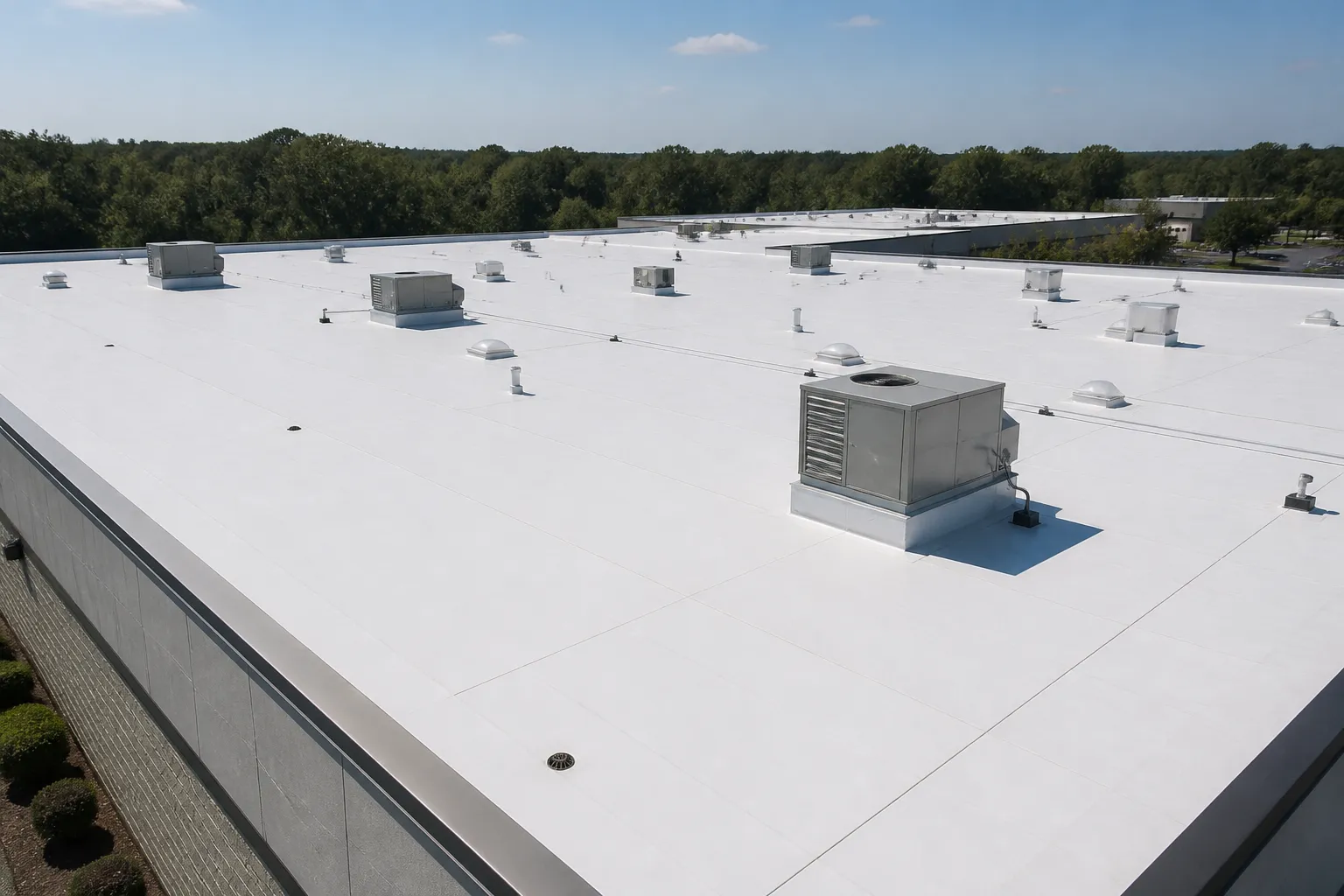
A leak in a business property can affect work areas, tenants, stored materials, and equipment. A dark ceiling mark, recurring drip, or water around a rooftop unit is a reason to assess the roof system and trace how water could be entering. The visible symptom may not sit directly beneath the opening, so the useful first step is a roof assessment that considers the affected interior area along with seams, edges, drains, flashing, and penetrations.
Commercial properties in Hot Springs differ in roof access, layout, use, and operating schedules. All Arkansas Roofing connects property owners with independent roofing contractors; contractors provide estimates and perform the work. For area-wide guidance, see the Hot Springs roofing hub.
Pass along details already available about the building and concern. Do not climb onto or measure the roof; share the site’s access procedures so the assessment can be arranged appropriately.
For an occupied property, also identify who can authorize access and which areas must remain in use. A written proposal should clarify the work zone and sequence, protection and debris handling, and how concealed conditions or additional work would be documented before approval.
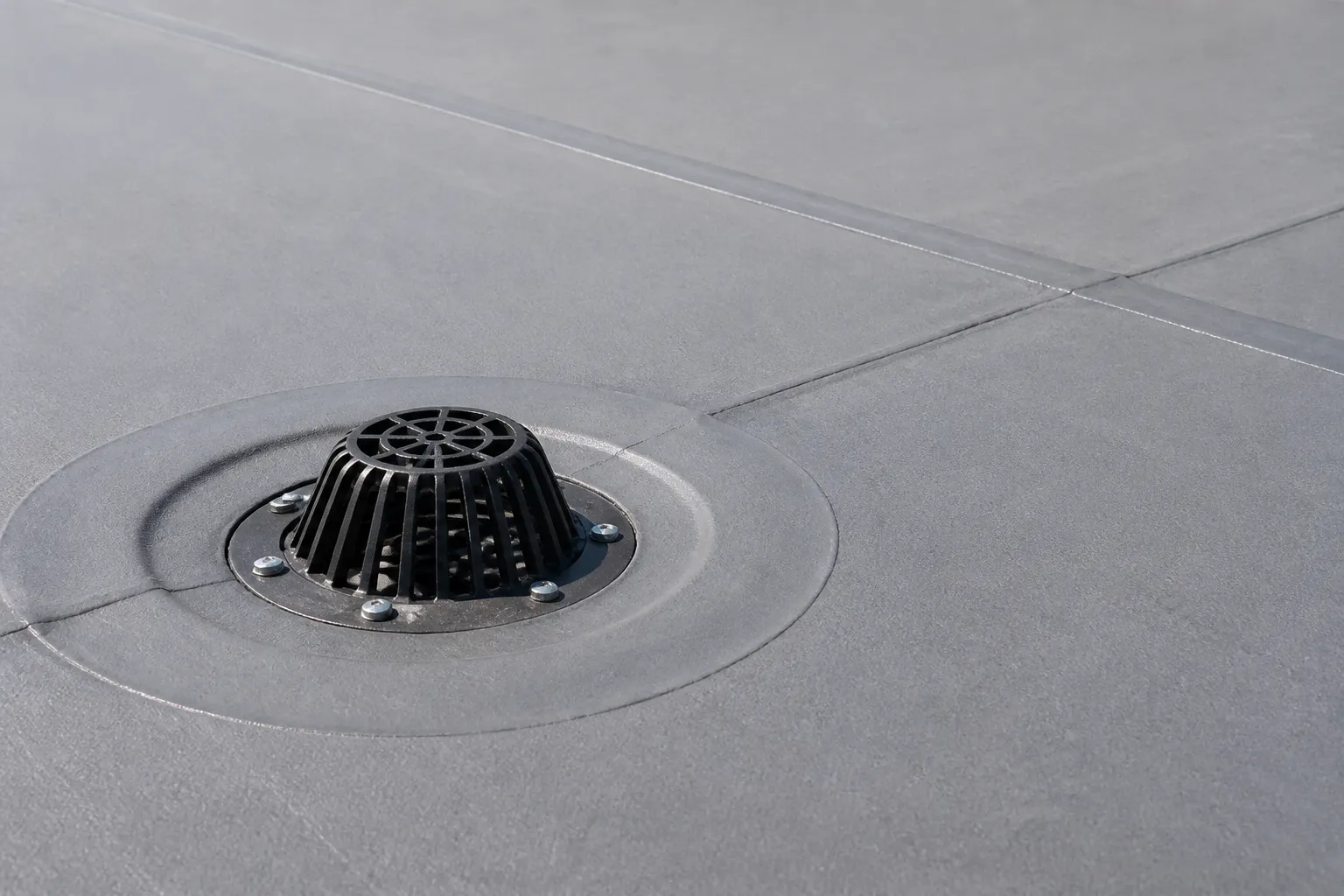
Drainage affects how water moves off a low-slope roof. Drains, scuppers, gutters, downspouts, slopes, and roof edges should be considered as part of the overall roof condition. Ask whether the estimate addresses a blocked or damaged drain, a problem at the drain connection, or a broader condition affecting water flow. Areas where water remains after rainfall should be documented and evaluated in the context of the roof design rather than treated as proof of a single cause.
Penetrations and transitions interrupt the roof surface and need suitable flashing details. Rooftop equipment, curbs, vents, and pipe supports may require different approaches depending on the assembly. If equipment was recently added or serviced, share that history so the assessment can include the surrounding roof detail.
Maintenance can help document visible conditions, debris, drainage components, seams, and flashing that may need attention. It is not a guarantee against future leaks. The useful scope is specific about what will be checked, what work is included, and what conditions would require separate authorization.
A targeted repair may fit a limited leak or localized detail when the surrounding assembly remains serviceable. Replacement may deserve comparison when deterioration is extensive, leak patterns recur in multiple areas, or the existing assembly has broader problems. A recurring leak does not automatically mean the whole roof must be replaced. Ask for the observed condition, repair limits, and reasons a larger scope is or is not being considered. The statewide commercial roofing page offers broader system guidance.
Suitable systems depend on slope, the existing assembly, building use, and project requirements. Low-slope roofs may use membrane systems, while metal roofing may be considered for certain roof designs and applications. Neither category is automatically available or suitable for every property. Ask which system is being proposed, what conditions support that choice, and how the estimate handles seams, edges, penetrations, drainage, and transitions.
Coatings also require a careful assessment. They are not a universal fix for leaks, failing materials, or poor drainage. The existing roof, substrate condition, compatibility, preparation, and project requirements need to be evaluated before a coating is considered. Compare the proposed scope and limitations in writing. For a closer look at metal roofing considerations, see Metal Roofing in Hot Springs, AR.
Note the affected rooms, when water appears, prior repairs or equipment work, and any safe interior photos. Available roof records and site access rules may also help.
It may be possible if the source is limited and the surrounding assembly remains serviceable. Ask the proposal to identify the area, correction, and repair limits.
No. Suitability depends on the existing assembly, surface condition, compatibility, drainage, preparation, and project requirements. Review the findings and limitations before comparing options.
Share access rules, operating hours, occupied and sensitive areas, equipment, and the site contact. The proposed work sequence should reflect the building’s actual use and agreed scope.
The guide What Should a Roofing Estimate Include? offers questions for comparing written scopes. For residential repair and replacement information in the city, see Roof Repair in Hot Springs and Roof Replacement in Hot Springs.
What To Expect
Share your ZIP code, the service you are considering, and what you have noticed about the roof.
Discuss the observed condition, repair or replacement options, and proposed scope with the independent roofer, subject to local availability.
Review materials, work details, cleanup, exclusions, and any additional repairs before deciding how to proceed.
A Few Common Questions
Tell us where the property is and what your roof needs.
Roofing Estimate
Share the property ZIP code and the roofing service you need. The form uses the existing inquiry system.