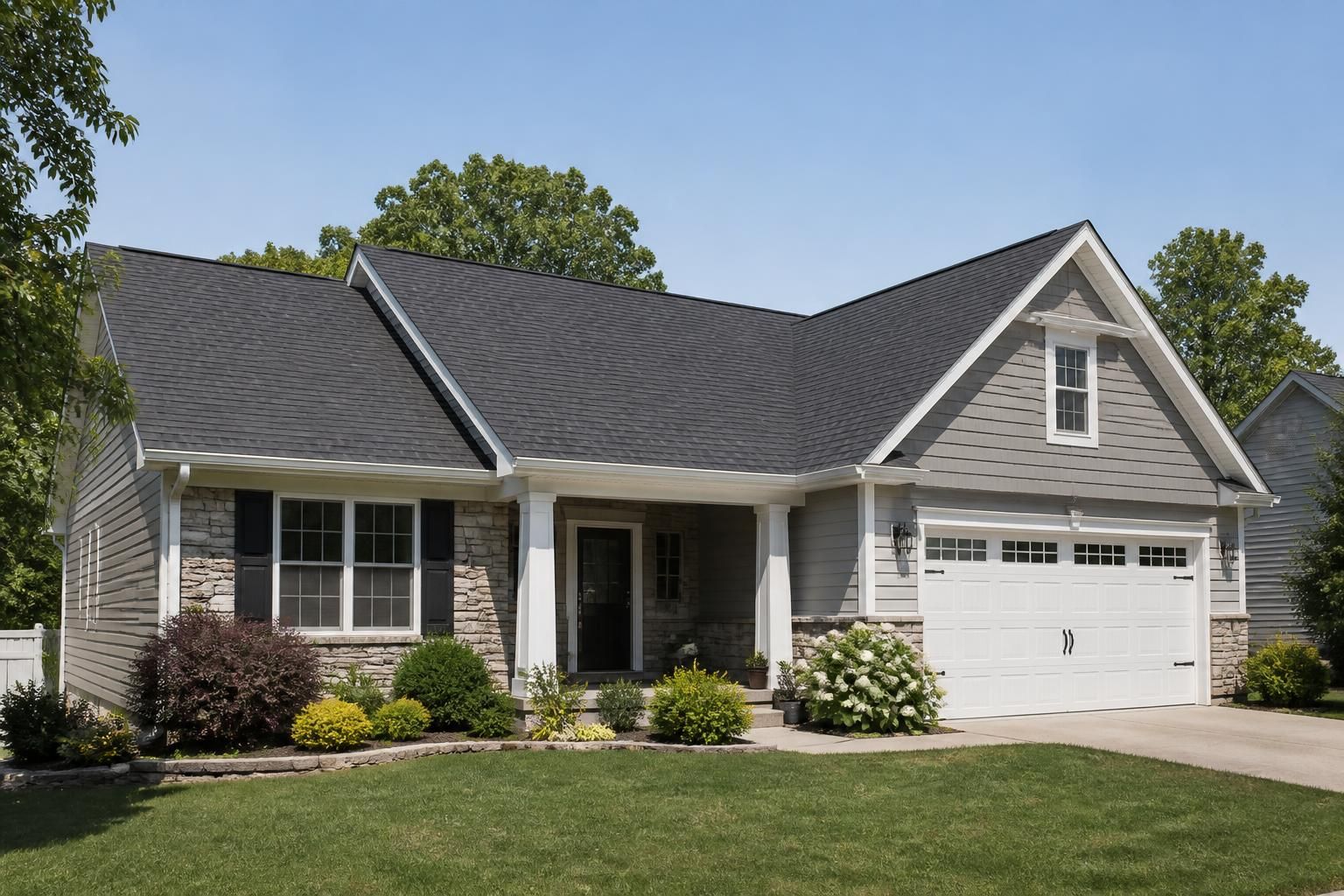
A roofing estimate is easier to evaluate when it describes the same property, roof areas, materials, and work assumptions as the other proposals you are considering. A total alone does not show whether removal, flashing, decking, ventilation, cleanup, or additional work is included. Use the written scope to understand what is proposed, what could change, and what needs clarification before approving work.
Identify the property and project
Check that the estimate names the correct property, the customer or decision-maker, and the date or proposal version. It should say whether the work concerns a full roof, a specific slope, an addition, a garage, or another structure. If several roof areas or buildings are involved, ask that each be described so the intended scope is clear. Confirm whether the proposal is for repair, partial replacement, or full replacement, and whether it assumes removal of existing material or installation over it.
It is useful to have the roof concern, site conditions, and agreed conversations reflected in the proposal. If the estimate uses terms you do not recognize, request a plain-language explanation rather than assuming that two proposals describe the same work.
Check materials and product specifications
“Shingles,” “underlayment,” or “metal roof” may be too general for a careful comparison. Look for the proposed product or system, material type, relevant model or product line, color or finish selection where applicable, and any accessories that are part of the system. For underlayment, flashing, fasteners, and ventilation components, ask what products are included and how they relate to the roof covering. Product-specific installation instructions matter; the Asphalt Roofing Manufacturers Association overview describes asphalt shingles as part of a system that includes components such as underlayment, flashing, and ventilation.
Do not compare estimates by a product label alone. Ask whether the listed products match the selected system and whether substitutions are possible. If a substitute is allowed, clarify how it will be identified and approved before installation.
Removal, disposal, and property protection
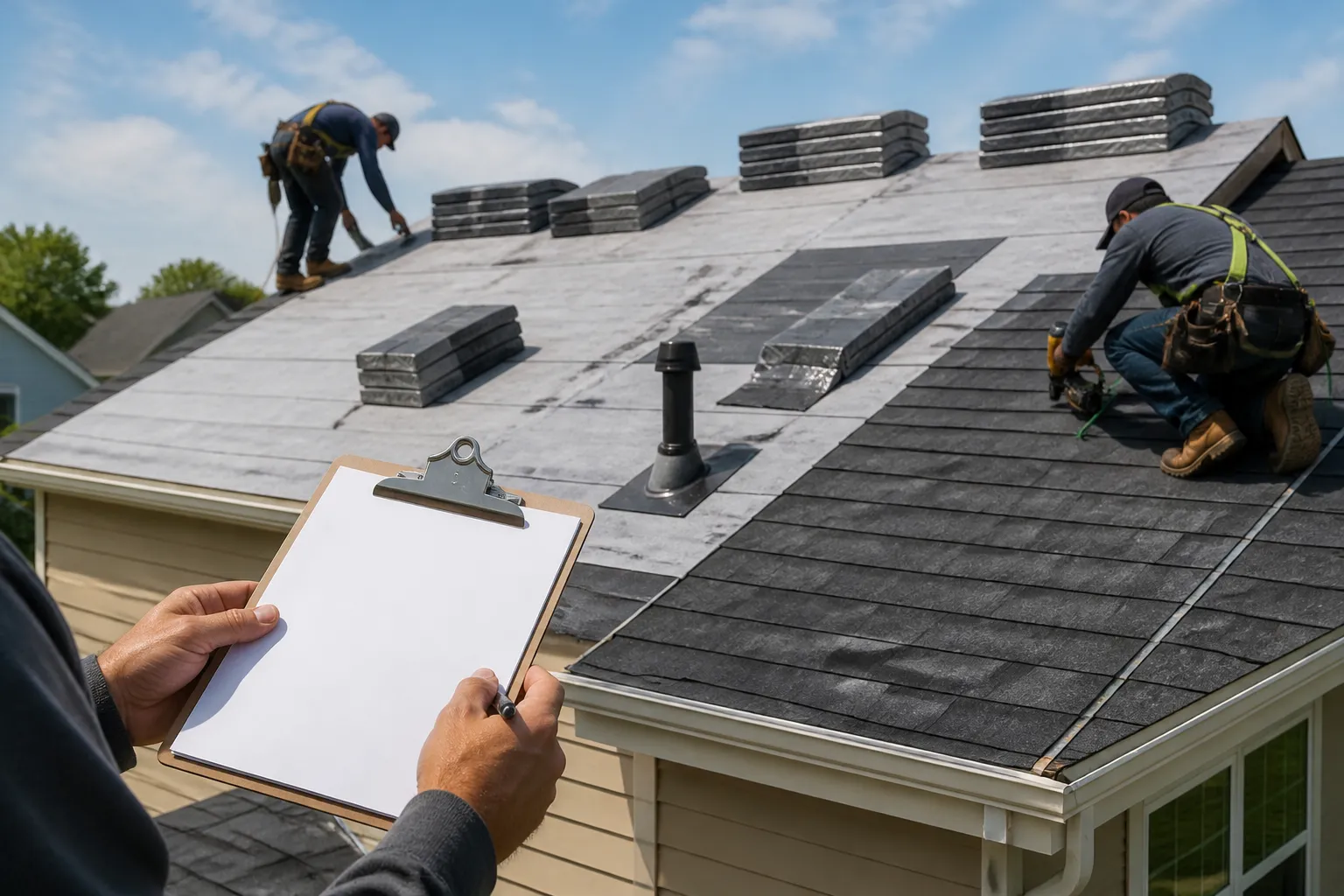
For replacement work, determine whether existing roofing will be removed, how many layers are assumed, and how removed materials will be handled. Ask whether disposal is included and how the property and nearby areas will be protected during work. The proposal should explain cleanup expectations, including how loose debris and nails will be collected, and identify any access or protection assumptions that may affect the project.
If an estimate assumes leaving an existing layer in place, ask how the roof deck will be evaluated and what that means for the selected system. The proposals should state their assumptions clearly so the totals are not compared as if they cover identical work.
Understand decking allowances and extra work
The condition of the roof deck may not be fully visible until existing materials are removed. A written estimate can state an allowance or unit price for replacing additional decking, identify what the allowance covers, and explain how quantities are measured. Ask whether labor, materials, and removal of damaged sections are included in that rate. Clarify whether the price applies to a sheet, a measured area, or another defined unit.
Ask how concealed conditions will be documented and communicated. A clear change-order process should describe how the condition, added work, price, and schedule impact will be explained, and how approval will be obtained before that additional work proceeds. Avoid relying on a vague statement such as “repairs as needed” without a method for describing and approving the scope.
Review flashing, penetrations, ventilation, and underlayment
Look for language describing flashing at roof edges, walls, valleys, chimneys, skylights, and other transitions that exist at the property. Check that pipe boots and other roof penetrations are addressed, whether they are being replaced, reused, or excluded. The estimate should explain the underlayment and ventilation components included or identify where the scope assumes existing components will remain.
Not every roof has the same details, so the estimate should reflect the actual property rather than a generic list. Ask how the proposed system will connect at transitions and penetrations, and what happens if inspection during tear-off reveals a condition that changes that detail. For asphalt shingle work, manufacturer instructions for the selected product provide system-specific installation information; the NRCA consumer resources also recommend reviewing proposal details such as materials, flashing, ventilation, timing, payment, and warranty coverage.
Scheduling, payment, exclusions, and warranties
Ask for an estimated start window and project duration, what factors could affect the schedule, and how changes will be communicated. Payment terms should state the amounts or milestones, due dates, and accepted payment methods. This guide does not give legal advice; review the written terms and seek qualified advice if you have questions about your obligations.
Read exclusions carefully. A proposal may exclude interior repairs, gutters, satellite equipment, landscaping, permit-related items, or other work. Ask which items are included, excluded, or dependent on conditions discovered during the project. Do not assume an item is covered simply because it is customary on another job.
Material and workmanship warranties are different things. A product manufacturer may offer coverage subject to its own written terms, eligible products, installation conditions, and claim process. A contractor’s workmanship coverage, if offered, is governed by separate terms. Request the documents, identify who provides each coverage, what is covered or excluded, and how to make a claim. Do not rely on a verbal summary or assume one warranty replaces the other.
Roofing estimate review checklist
- Property address, building, roof areas, proposal date, and scope type.
- Material product names or specifications, color or finish, and substitution terms.
- Removal assumptions, disposal, access, and protection of the property.
- Underlayment, flashing, penetrations, ventilation, and roof-edge details.
- Decking allowance or unit price, measurement method, and added-work approval steps.
- Cleanup expectations, estimated schedule, payment terms, exclusions, and change orders.
- Separate written material and workmanship warranty terms, if applicable.
- Contact information and a process for questions or revisions to the written scope.
Hypothetical example: compare scope before totals
Imagine two proposals for the same home. Proposal A lists a roof covering, tear-off, disposal, and cleanup, but says decking repairs are extra without a unit price or approval process. Proposal B lists the proposed covering and underlayment, identifies flashing and pipe boots, includes a defined decking allowance with a unit price for additional work, and explains how added work will be documented and approved. Neither proposal is automatically better from that description alone. Ask Proposal A to clarify the missing terms and ask Proposal B to confirm the assumptions match the property. Then compare the total costs alongside materials, exclusions, schedule, and written warranty documents. This is a hypothetical illustration, not a quote or market-price comparison.
Related roofing guides and services
Return to Roofing Resources or read Roof Repair or Replacement? How to Compare Your Options. For Arkansas service information, see Roof Repair and Roof Replacement.