Arkansas Roofing Guidance
Roof Repair in Mountain Home, AR
Explore roof repair considerations in Mountain Home, AR, including leaks, shingles, flashing, pipe boots, recurring problems, and repair versus replacement.
Arkansas Roofing Guidance
Explore roof repair considerations in Mountain Home, AR, including leaks, shingles, flashing, pipe boots, recurring problems, and repair versus replacement.
A roof leak may show up inside long before its source is obvious. For roof repair in Mountain Home, a useful assessment should explain where water is entering, what materials are damaged, and whether a targeted repair will address the cause.
Describe where moisture appears, when it happens, and whether the same area has been patched before. These details can help focus an assessment without requiring unsafe roof access. A written estimate should identify the proposed repair, related components, and any limits to the work.
A ceiling mark is a clue, not a map: water may travel along framing or other surfaces before a stain appears. When calling All Arkansas Roofing, report the room or location, when the leak first appeared or returns, and visible changes such as a spreading mark, dampness, or dripping. Flashing, roof penetrations, damaged shingles, and valleys are possible entry points, but symptoms alone cannot confirm which is involved.
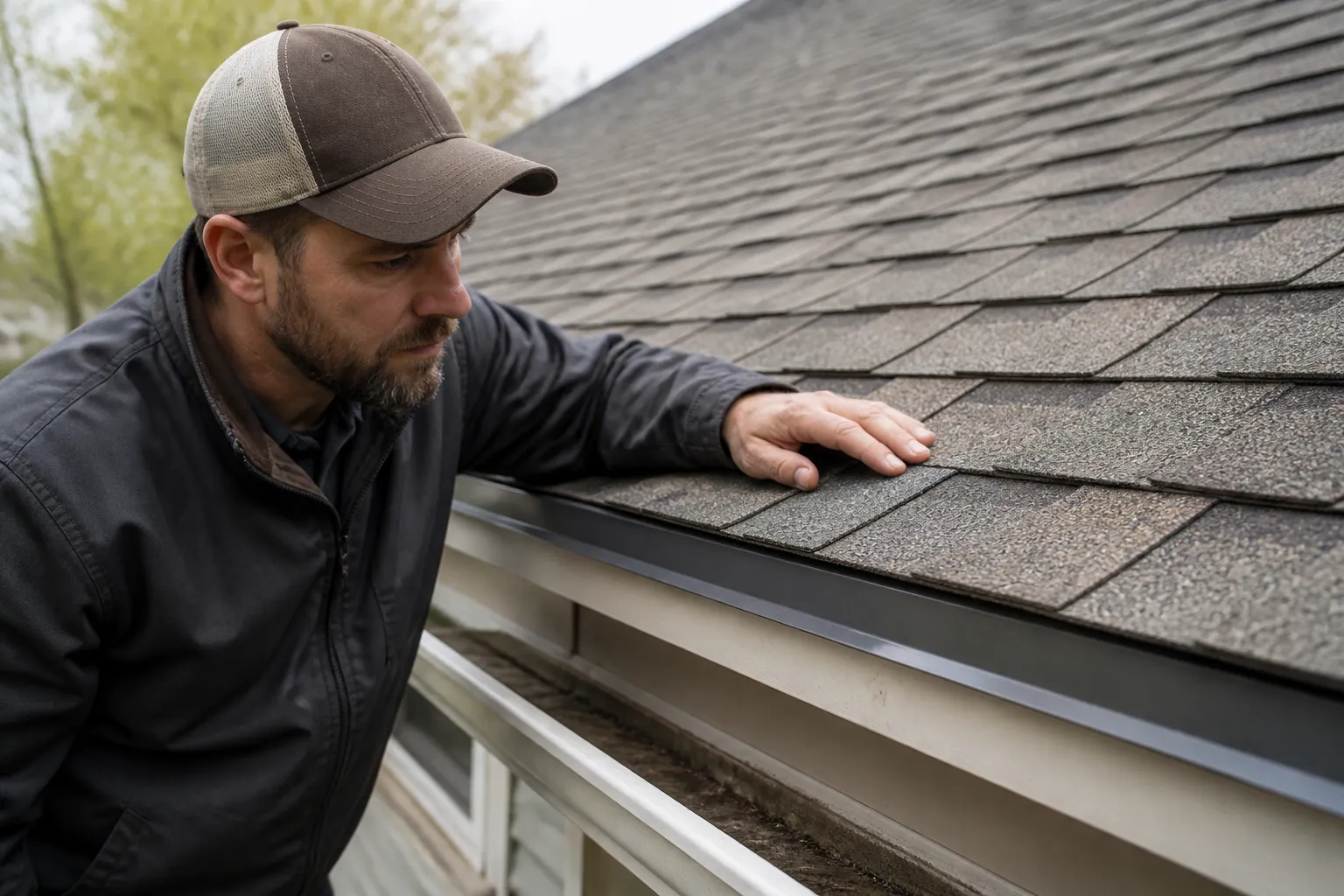
Before selecting a repair, ask how the suspected water path was traced and which observations support the conclusion. The assessment may check whether flashing, a penetration such as a pipe boot, shingles, or a valley transition is actually affected. Clarify what the scope will correct, what it will not cover, and whether another inspection is needed if the leak is intermittent or access is limited.
If water returns after an earlier patch, share when the work occurred, what area it covered if known, and whether the leak changed afterward. A repeat leak can mean the original entry point was missed, another component is involved, or nearby materials have also deteriorated. More sealant over an old patch is not automatically a lasting solution.
Ask for an explanation of how the suspected source was identified and which materials the proposed repair will address. The scope should note whether nearby shingles, flashing, pipe boots, underlayment, or decking are included or excluded. If inspection reveals a separate problem, request a clear description before deciding whether to add work.
A targeted repair may be reasonable when the damage is limited, the source can be identified, and the surrounding roof remains in serviceable condition. Examples can include replacing a small number of damaged shingles, correcting a flashing detail, or addressing a worn pipe boot. A qualified assessment considers the roof as a system, not only the smallest visible symptom.
Repair has limits. It may not resolve widespread wear, multiple unrelated leak sources, or deterioration across several roof sections. If a roof has repeated failures or extensive material damage, compare repair with replacement and ask what each option would leave in place. The roof’s observed condition, prior repair history, and scope of work matter more than a single symptom in making that comparison.
Gather useful information without climbing a ladder or walking on the roof. From a safe indoor position, note the room and approximate location of a stain, when it first appeared, and whether it changes after rain. If the area is safe to approach, take clear photos of the ceiling or wall from a dry spot. A ground-level photo of visible exterior damage can also help describe the concern.
Do not touch wet electrical fixtures, enter a space with a sagging ceiling, or move through an unsafe area to take pictures. Keep people away from hazards and mention them when requesting help. Include dates with photos if the condition changes, and share details of any previous patch or repair.
Before approving work, check that the estimate identifies the affected roof area, the materials and components to be repaired, and the intended result. Ask whether flashing, pipe boots, nearby shingles, and any related decking are part of the scope. The estimate should also explain exclusions, cleanup, and how concealed damage or additional work will be documented and approved.
A written scope lets you compare like with like. If the recommendation is replacement instead of repair, ask what conditions support that conclusion and whether a limited repair remains a practical option. Read the roof repair versus replacement guide and review roof replacement in Mountain Home for related considerations. For broader repair information, see Roof Repair in Arkansas or the Mountain Home roofing hub.
No. Treat it as a clue, then have the suspected water path checked before deciding on work.
Share when it was done, the area covered if known, and whether the leak stopped or returned. Ask how the proposed work addresses the cause and whether other nearby components are included.
Replacement may be worth comparing when wear or damage is widespread, leaks recur across areas, or prior repairs have not addressed continuing problems. Ask for the observed conditions and a written comparison of the scopes.
Take photos indoors from a dry, safe spot or outdoors from ground level. Avoid roof access, wet electrical fixtures, and unsafe ceilings.
Share the symptoms, any prior repair history, and safe photos when requesting an estimate. A clear assessment and written scope can help you understand whether a targeted repair fits the roof’s condition or whether another option deserves consideration.
What To Expect
Share your ZIP code, the service you are considering, and what you have noticed about the roof.
Discuss the observed condition, repair or replacement options, and proposed scope with the independent roofer, subject to local availability.
Review materials, work details, cleanup, exclusions, and any additional repairs before deciding how to proceed.
A Few Common Questions
Tell us where the property is and what your roof needs.
Roofing Estimate
Share the property ZIP code and the roofing service you need. The form uses the existing inquiry system.