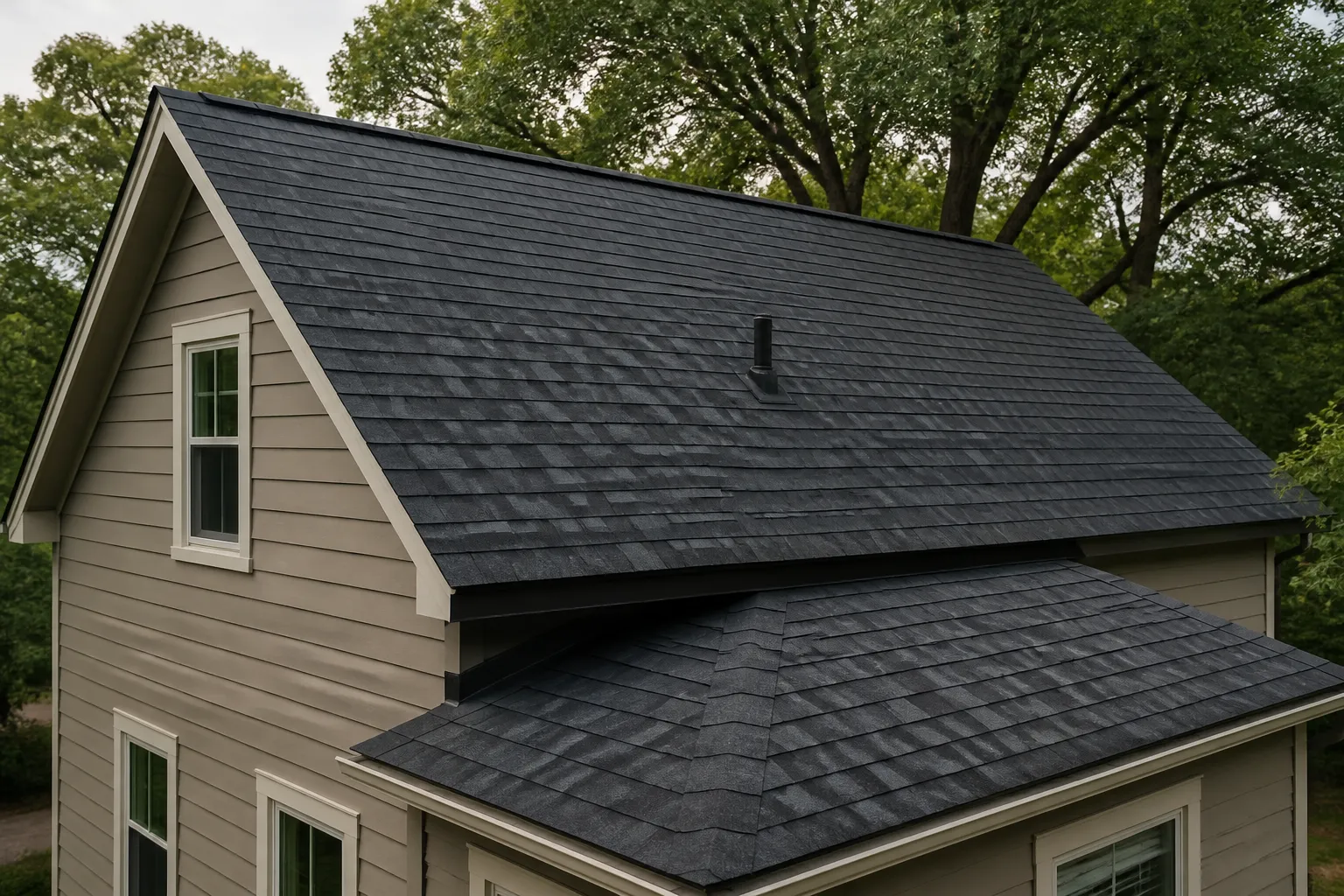
Arkansas Roofing Guidance
Residential Roofing Services in Arkansas
Explore residential roofing guidance for Arkansas homeowners, from repair and replacement to shingles, metal systems, storm concerns, and estimate preparation.
Arkansas Roofing Guidance
Explore residential roofing guidance for Arkansas homeowners, from repair and replacement to shingles, metal systems, storm concerns, and estimate preparation.
A roof decision often starts with a small clue: a ceiling mark, a shingle out of place, or wear that is easier to see from the ground than to interpret. This overview helps Arkansas homeowners sort the concern, compare common residential roofing options, and prepare useful details before requesting an estimate.
All Arkansas Roofing connects homeowners with independent roofing professionals, who provide estimates and perform any agreed work. The right next step depends on the roof’s observed condition and the property’s needs, not a guess based on one symptom.
Repair and replacement address different scopes. A repair may be worth discussing when the concern is localized and the surrounding roofing materials remain in serviceable condition. Replacement may enter the conversation when wear or damage spans broader areas, similar problems recur, or the roof has several conditions that a limited repair would not address.
Visible symptoms alone do not settle the decision. A ceiling stain can be distant from the roof opening, and a few missing shingles do not automatically mean the entire roof needs replacement. Ask for the observed condition, the areas each option would address, and the reason a proposed scope fits. The roof repair-versus-replacement guide offers additional questions for comparing the paths.
Asphalt shingles are a familiar residential covering available in varied styles and colors. They may suit homeowners looking for a conventional shingle appearance and a roof system that fits the existing roof design. Metal roofing uses formed panels or other metal assemblies and can offer a different appearance and system profile. Suitability depends on roof shape, existing structure, details at edges and penetrations, and the installation approach.
When comparing materials, look beyond the product name. Consider the home’s design, how details such as valleys and roof transitions will be handled, upkeep expectations, and how the written scope describes underlayment, flashing, ventilation, and cleanup. Neither material is automatically right for every property. Read the comparison of metal roofing and asphalt shingles to review practical differences before discussing options.
Water marks, damp areas, lifted or missing shingles, loose-looking flashing, and debris impact are useful observations to share. A visible stain may change after rain, while some roof concerns are easier to notice only after wind, hail, or other severe weather. These signs can help describe what happened, but they do not confirm the cause or the extent of roof damage.
Do not climb onto the roof to investigate. From a safe place, note where an interior stain appears, when it was noticed, and whether it changes. Photos taken safely from indoors or from the ground can help document visible conditions. Keep away from unstable ceilings, wet electrical fixtures, or other unsafe areas and mention those concerns when requesting help.
A few specific details can make a first conversation clearer. Gather what you know without attempting an unsafe inspection:
It is fine to be unsure which service applies. Describe the concern and keep the service selection open for discussion rather than choosing a scope before the roof is assessed. The roofing estimate checklist can help organize questions. For local information, browse the Arkansas service areas directory.
No. A stain identifies a place where moisture became visible, not the full condition of the roof. The source and surrounding materials need to be assessed before comparing a focused repair with broader work.
Both may be options for some homes, but the roof design, structure, and installation details matter. Compare how each proposed system fits the property and what its written scope includes.
From a safe location, note the date, visible changes, interior marks, and any areas where debris or impact is apparent. Photos from indoors or from the ground may help describe the concern; do not access the roof to take them.
Share the symptoms and ask for the condition and scope behind each option. You can request an estimate without deciding in advance that one particular service is necessary.
What To Expect
Share your ZIP code, the service you are considering, and what you have noticed about the roof.
Discuss the observed condition, repair or replacement options, and proposed scope with the independent roofer, subject to local availability.
Review materials, work details, cleanup, exclusions, and any additional repairs before deciding how to proceed.
A Few Common Questions
Tell us where the property is and what your roof needs.
Roofing Estimate
Share the property ZIP code and the roofing service you need. The form uses the existing inquiry system.