Arkansas Roofing Guidance
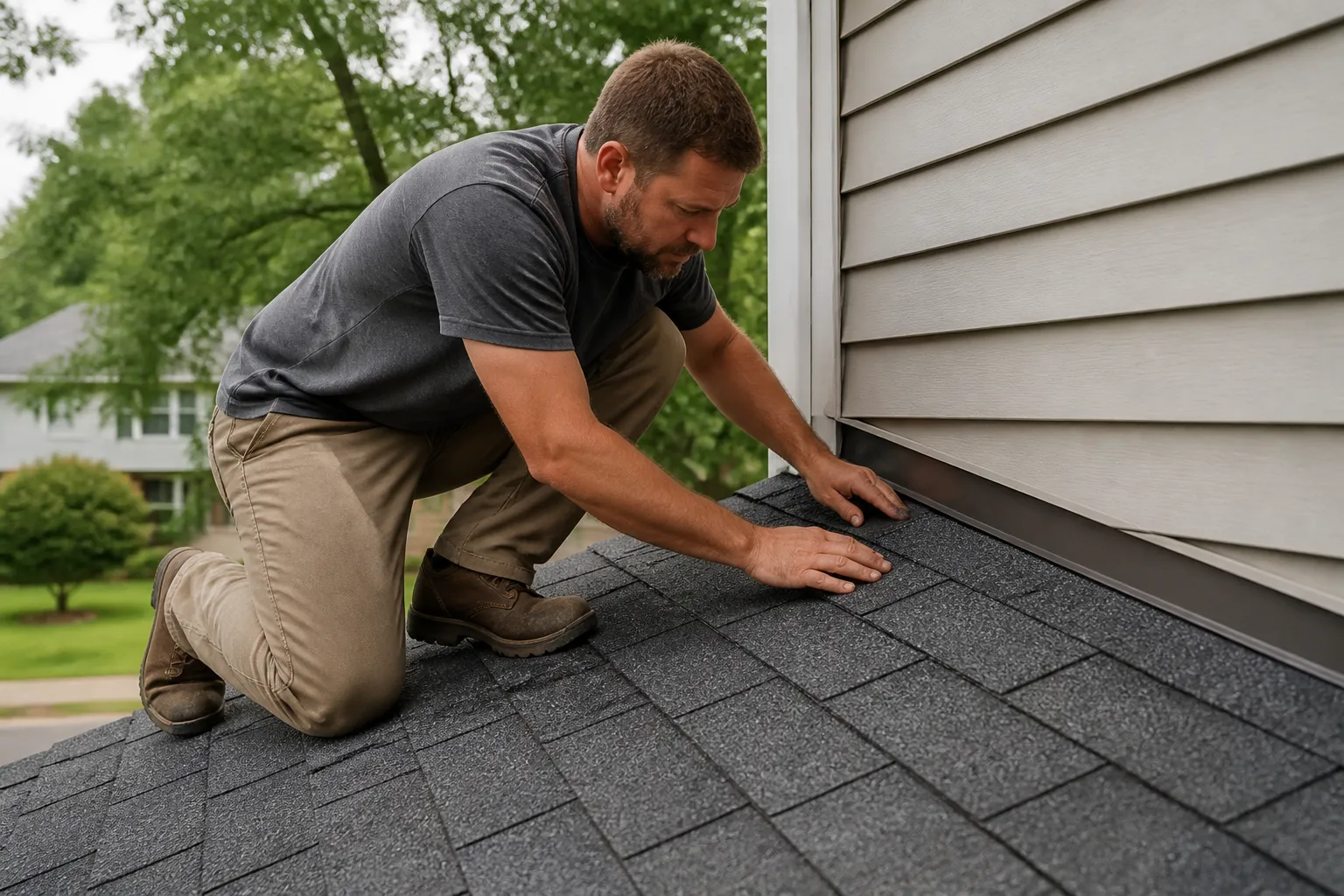
Roof Repair in Dardanelle, AR
Learn what to report about roof leaks, how repair scopes are assessed, and when to compare roof replacement in Dardanelle, Arkansas.
Arkansas Roofing Guidance
Learn what to report about roof leaks, how repair scopes are assessed, and when to compare roof replacement in Dardanelle, Arkansas.
A ceiling stain or damp area can point to a roof concern, but it does not reveal the entry point or the full extent of damage. For a Dardanelle, Arkansas property, note where the symptom appears and when it changes, then request an assessment that explains the conditions observed and the proposed repair.
All Arkansas Roofing helps property owners compare roofing options and understand written scopes. Share whether the concern is new or recurring, what rooms or roof sections seem involved, and any visible damage that can be seen safely from indoors or the ground.
Water may travel along roof decking, framing, insulation, or other surfaces before appearing inside. A ceiling mark is not necessarily directly below the opening. Possible entry points include flashing joints, roof penetrations, valleys, roof edges, fasteners, or damaged covering, but symptoms alone cannot identify the source. The roof and relevant transitions need assessment before a repair is selected.
When calling, describe the room and exact area where water appears, when it began, whether it returns after rain, and whether more than one interior location is affected. Mention prior roof work or any changes in the stain. Photos from indoors or ground level can document a ceiling mark, visible dripping, or exterior damage if they can be taken safely. Do not climb onto a roof or ladder, enter an unsafe attic, or approach wet electrical fixtures to get a picture.
Finding the source matters because treating only the interior mark or the nearest visible roof detail may leave the water path active. Ask what was inspected, which findings support the suspected source, and what uncertainty remains. If the entry point cannot be confirmed, the explanation should distinguish observed facts from possibilities rather than presenting a guess as a diagnosis.
A localized repair may be appropriate when damage is limited and nearby roofing materials remain serviceable. The written scope should identify the roof area, materials to remove and install, preparation, and how the new work connects with the existing roof. It should also clarify whether related flashing, underlayment, edge details, or penetrations are included.
Visible damage can extend beyond the surface. Ask whether the assessment considered nearby roof intersections and any concealed layers that may be affected. If removal reveals hidden deterioration, the scope should explain how that condition will be documented and how additional work will be approved before it proceeds.
A leak that returns in the same room may have a different source from the one previously addressed, or an earlier repair may have covered only part of the water path. Compare the timing and location of current symptoms with earlier observations. A stain can remain after moisture stops, so its appearance alone does not establish whether a roof is still leaking.
Request an explanation connecting the roof findings to the recommended work. Useful scope details include repair boundaries, materials, flashing or related components, cleanup, exclusions, and how the repaired area will meet existing roofing. Avoid accepting a vague “patch” description without knowing which area and roof details it covers.
Repair can be reasonable when the affected area is limited and the surrounding roof remains in workable condition. Compare replacement when wear or damage extends across several roof sections, similar leaks recur, or multiple components need attention. The answer should come from the roof’s condition and the limits of each proposed scope, not a ceiling stain or age by itself.
Ask for both options when the assessment supports a meaningful comparison. Each proposal should identify the roof areas included, work to be completed, and conditions that may change the scope. The roof repair versus replacement guide can help organize questions. For broader residential needs, see residential roofing services.
Share the property location in Dardanelle, the type of roof concern, when it began, and whether it has happened before. Note interior locations, visible exterior changes, and whether earlier work was performed. If photos are available, use only images taken from a safe indoor position or the ground. Do not attempt a roof inspection yourself.
When comparing written estimates, check that they describe the same area and distinguish included work from exclusions. Ask how concealed conditions are handled, what materials and adjacent details are included, and how approval works if the assessment changes after opening a roof section. A clear scope gives you a practical basis for comparing options without assuming all proposals cover the same work.
Not reliably. Water can travel along roof and building materials before becoming visible. Report the location and timing, then ask for the roof and related details to be assessed.
Use indoor or ground-level photos only when the location is safe. Avoid ladders, roof access, unsafe attic areas, and wet electrical fixtures.
It should identify the affected roof area, preparation, materials, included flashing or related details, repair limits, exclusions, cleanup, and how concealed conditions will be handled.
Compare both when damage is widespread, multiple areas need attention, leaks recur, or a localized repair would leave substantial deterioration unresolved. Ask what observed conditions support each option.
For local service-area information, visit roofing guidance for Dardanelle. See statewide Roof Repair in Arkansas, the roof leak after a storm guide, and the companion Dardanelle roof replacement page.
What To Expect
Share your ZIP code, the service you are considering, and what you have noticed about the roof.
Discuss the observed condition, repair or replacement options, and proposed scope with the independent roofer, subject to local availability.
Review materials, work details, cleanup, exclusions, and any additional repairs before deciding how to proceed.
A Few Common Questions
Tell us where the property is and what your roof needs.
Roofing Estimate
Share the property ZIP code and the roofing service you need. The form uses the existing inquiry system.