Arkansas Roofing Guidance
Roof Repair in Malvern, AR
Explore roof repair in Malvern, AR, including leak investigation, shingles, flashing, pipe boots, repair limits, and safe steps before requesting an estimate.
Arkansas Roofing Guidance
Explore roof repair in Malvern, AR, including leak investigation, shingles, flashing, pipe boots, repair limits, and safe steps before requesting an estimate.
A roof repair should address why the problem started, not just cover the visible damage. For your Malvern property, ask what caused the leak or material failure, what the repair includes, and whether surrounding areas need attention.
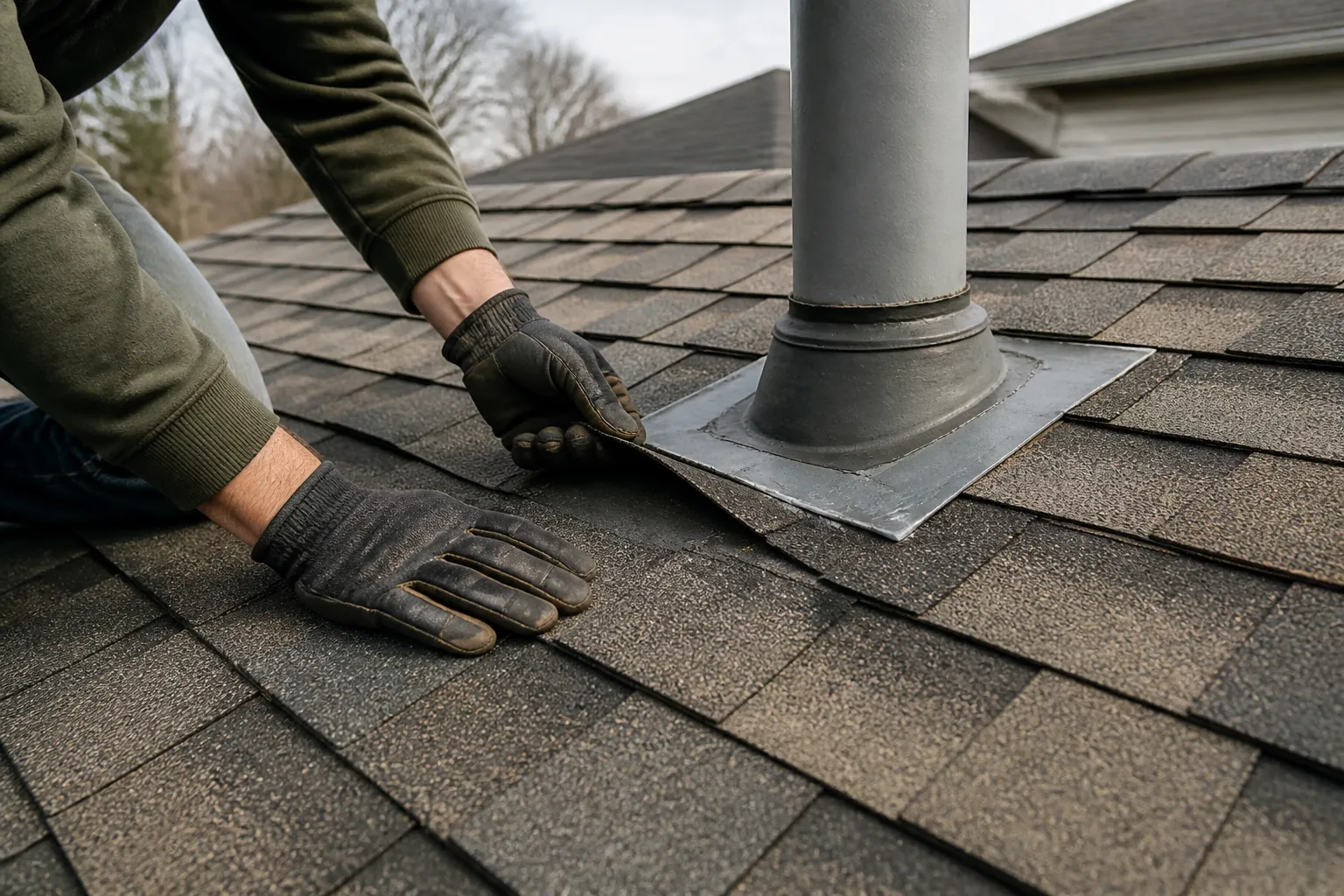
A ceiling stain or drip is a clue, but water can travel before it becomes visible indoors. All Arkansas Roofing helps property owners get started by connecting them with independent roofing contractors who assess the roof, provide estimates, and perform the work. The image on this page is illustrative and does not depict a completed Malvern project.
Water may move along framing or other surfaces before a ceiling stain appears, so the indoor mark may not be directly below the roof entry point. Note which room is affected, when you first noticed it, whether it changes after rain, and any visible changes such as a growing stain or damp material. Those details help describe the concern, but do not identify the source by themselves.
Flashing, roof penetrations, damaged shingles, and valleys are possible water entry points, not diagnoses based on a stain or drip alone. An assessment should connect the observed roof conditions with the indoor symptoms, explain what supports the suspected source, and identify any uncertainty. Finding the source matters before choosing a repair because a fix aimed only at the visible symptom may leave the underlying entry point unaddressed.
Repair scope depends on the roof system and what inspection reveals. Damaged, loose, cracked, or missing shingles may be part of a localized repair, but nearby materials should also be considered. Flashing at roof edges, walls, valleys, and other transitions can be a source of water entry if it is loose, damaged, or incorrectly integrated.
Pipe boots seal around plumbing vent pipes and can split, loosen, or deteriorate. Ask whether the boot itself needs attention and whether the adjacent roofing material is also affected. If there is an earlier patch, explain when it was made and what has changed. The contractor can consider whether it failed, whether moisture may have reached nearby materials, and whether a new repair would address the underlying issue instead of simply covering the old patch.
A focused repair can be appropriate when the problem is limited and surrounding materials remain serviceable. A repair may be less conclusive when the roof has recurring leaks, widespread wear, damage in several locations, or a series of patches that have not resolved the concern. Those signs do not automatically mean replacement is required. They are reasons to request an assessment of the roof as a whole.
If replacement is raised, ask the contractor to explain the observed conditions and compare the proposed repair with replacement. What would each option address? Which areas would remain unchanged after a repair? What findings support the recommendation? A clear scope helps you evaluate the choice without relying on a single symptom or assumption about the roof's age.
When calling, describe the affected room or roof area if known, when the problem occurs, and what visible changes you have noticed. Take photos of an indoor stain or other effects from a stable, dry location, and photograph exterior concerns only from the ground if they are safely visible. Do not climb onto the roof or use a ladder to get a closer view. Notes and photos can help explain the concern, but they do not replace an on-site assessment.
Avoid touching wet electrical fixtures, wiring, or equipment. Keep people away from a sagging ceiling or other unsafe area and seek appropriate help for immediate safety concerns.
Before agreeing to work, ask the contractor to describe the cause being addressed, the materials and repair method, the location, and any related components included. Clarify what is excluded, how the work area will be prepared, and how debris will be handled. If inspection reveals a different condition or additional work, ask how it will be documented and brought to you for review before it is authorized.
All Arkansas Roofing does not perform roofing work. Independent contractors assess the property, explain their recommendations, and handle any agreed repair. To explore broader regional repair information, see Roof Repair in Arkansas. For a local overview, visit roofing in Malvern. If the assessment suggests broader work, compare the Malvern roof replacement page.
Not necessarily. Water can travel before appearing indoors, so the stain alone does not identify the entry point.
Sometimes. It depends on the extent of the damage and the condition of surrounding materials. An assessment can explain whether a limited repair is practical and what it would leave unchanged.
Yes. Tell the contractor when it was applied, if known, and whether the leak returned or changed. The patch and surrounding area may need review to understand whether the original cause was addressed.
Photograph visible effects indoors or from the ground, and avoid roof access or unsafe areas.
What To Expect
Share your ZIP code, the service you are considering, and what you have noticed about the roof.
Discuss the observed condition, repair or replacement options, and proposed scope with the independent roofer, subject to local availability.
Review materials, work details, cleanup, exclusions, and any additional repairs before deciding how to proceed.
A Few Common Questions
Tell us where the property is and what your roof needs.
Roofing Estimate
Share the property ZIP code and the roofing service you need. The form uses the existing inquiry system.