Arkansas Roofing Guidance
Roof Repair in Cabot, AR
Explore roof repair in Cabot, AR, including leak diagnosis, shingles, flashing, pipe boots, recurring patches, safe documentation, and repair-versus-replacement questions.
Arkansas Roofing Guidance
Explore roof repair in Cabot, AR, including leak diagnosis, shingles, flashing, pipe boots, recurring patches, safe documentation, and repair-versus-replacement questions.
A leak can appear far from the opening that lets water in, and a loose shingle does not automatically mean the whole roof has failed. Roof repair in Cabot starts with tracing the symptom to its likely source, checking nearby materials, and describing what a focused repair can reasonably address.
Before approving work, ask which roof components were inspected, what evidence supports the proposed fix, and whether surrounding materials remain serviceable. For a broader look at the area’s roofing options, visit the Cabot roofing hub.
Water may travel along roof decking or framing before a ceiling stain appears, so the mark is a clue rather than a pinpoint. Flashing, roof penetrations such as pipe boots, damaged shingles, and valleys are possible entry points, but symptoms alone do not diagnose any of them. The source should be checked before choosing a repair so the work addresses the water’s path, not just the indoor mark.
When calling All Arkansas Roofing, describe where the water shows, when it started or returns, and any visible changes to the ceiling or roof edge. Safe photos from indoors or ground level can document what you see; do not climb onto the roof to investigate. These observations help focus an assessment but do not replace it.
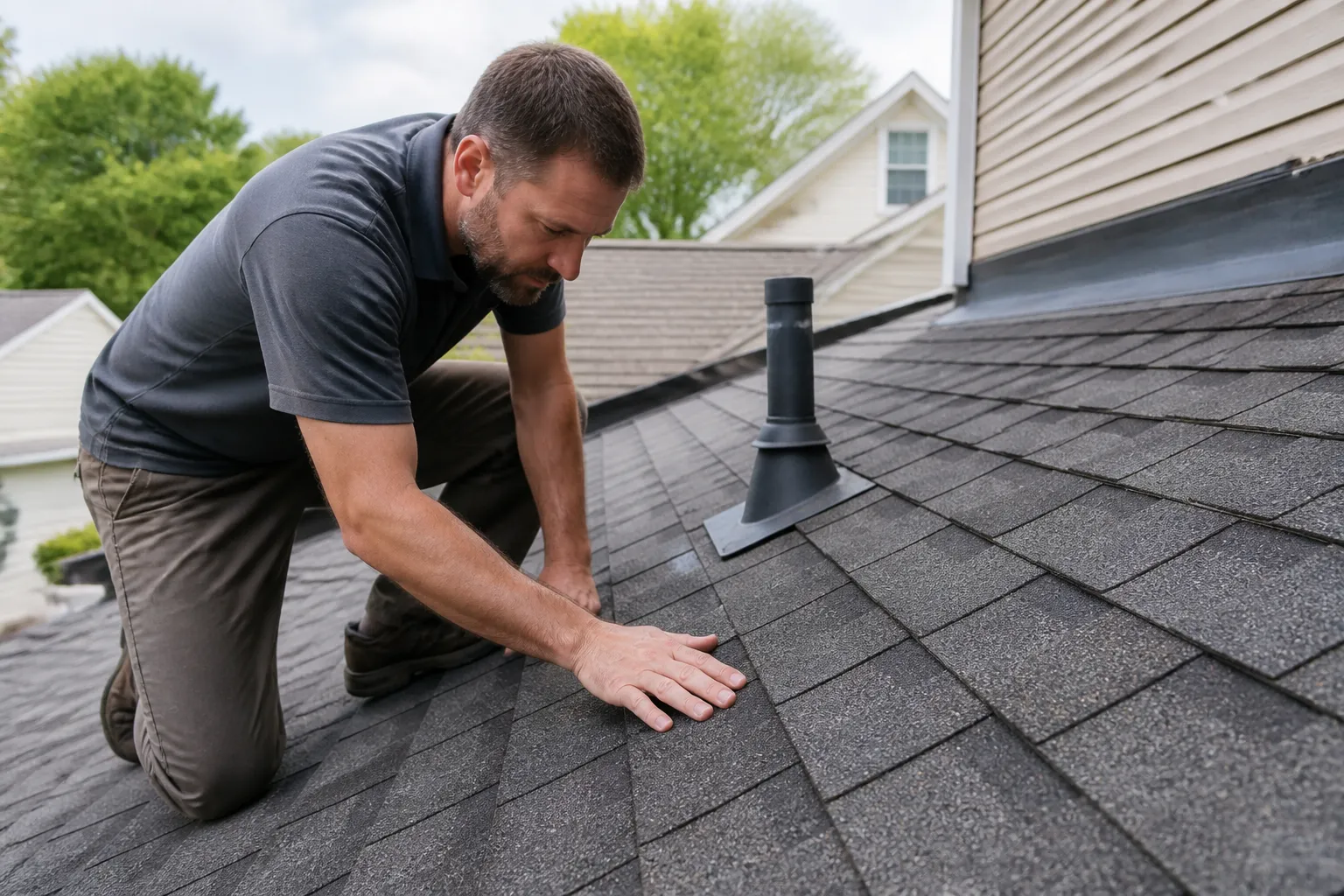
Common repair concerns include missing, cracked, lifted, or displaced shingles; flashing that is loose or damaged; and worn pipe boots around plumbing vents. These components meet the roof surface in different ways, so a useful estimate should name the area and material involved rather than simply say “patch roof.”
Matching materials and making a repair that integrates with the existing roof can depend on the roof’s condition and available components. The written scope should explain any limitations rather than imply that a small repair renews all surrounding materials.
If the same area leaks again, ask what the earlier repair addressed and what new evidence explains the recurrence. The source may not have been fully identified, nearby flashing or shingles may also be worn, or water may be entering at another point. Adding another patch without explaining the cause can make it harder to understand the roof’s overall condition.
A focused repair may still be practical when damage is localized and the adjacent roof remains serviceable. Replacement may be appropriate to compare when deterioration is widespread, several areas keep failing, or repair work cannot reasonably address the roof system as a whole. A recommendation should describe observed conditions and the tradeoffs between the repair scope and broader replacement, not rely on a stain or a single damaged shingle alone. The roof repair versus replacement guide offers questions for weighing those options.
Take photos of ceiling stains or drips from a safe, dry position indoors. Include a wider view to show the room and a closer view of the mark. If it is safe to do so, place a container beneath a drip without standing under sagging material.
Do not climb onto a wet roof or enter an attic with unsafe footing. Keep clear of sagging ceilings and wet electrical fixtures; do not touch switches or equipment affected by moisture. For storm-related concerns, read what to do after a roof leak.
Look for the suspected source, affected roof area, materials involved, steps included, and limits of the proposed work. Ask whether flashing, nearby shingles, or a pipe boot are included, and how concealed damage would be reported if found. Compare scopes that address the same area and ask for an explanation where one leaves out a component the other includes.
For a property-specific discussion, review Arkansas roof repair information and the related Cabot roof replacement page. To request an estimate, use the form at the estimate section.
No. The stain is a clue; an assessment should explain the suspected entry point from roof observations.
Ask whether the pipe boot, nearby shingles, and the surrounding roof penetration were inspected. The estimate should identify which part is being repaired and whether adjacent materials affect the scope.
The original entry point may not have been fully addressed, nearby materials may also be worn, or water may be coming from a different area. Ask what the new assessment found and how the proposed work differs from earlier patches.
Consider comparing both when damage is widespread, failures recur in several places, or the remaining roof materials are in poor condition. A written explanation of the observed roof condition can clarify which option addresses the problem more completely.
For local context, visit roofing information for Cabot, or use the estimate form to describe the concern.
What To Expect
Share your ZIP code, the service you are considering, and what you have noticed about the roof.
Discuss the observed condition, repair or replacement options, and proposed scope with the independent roofer, subject to local availability.
Review materials, work details, cleanup, exclusions, and any additional repairs before deciding how to proceed.
A Few Common Questions
Tell us where the property is and what your roof needs.
Roofing Estimate
Share the property ZIP code and the roofing service you need. The form uses the existing inquiry system.