Arkansas Roofing Guidance
Roof Repair in Blytheville, AR
Learn how roof leak assessments, localized repairs, and repair-versus-replacement decisions are approached for homes and buildings in Blytheville, Arkansas.
Arkansas Roofing Guidance
Learn how roof leak assessments, localized repairs, and repair-versus-replacement decisions are approached for homes and buildings in Blytheville, Arkansas.
When a ceiling mark, damp insulation, or water after rain appears at a Blytheville, Arkansas property, record its location and timing. These symptoms do not establish where water entered, so have the roof assessed before selecting a repair.
All Arkansas Roofing connects property owners with independent roofing contractors for assessments and estimates. The contractor can review the roof condition, explain the proposed work, and identify whether a limited repair is appropriate or broader options should be considered. For general local information, see the Blytheville roofing hub.
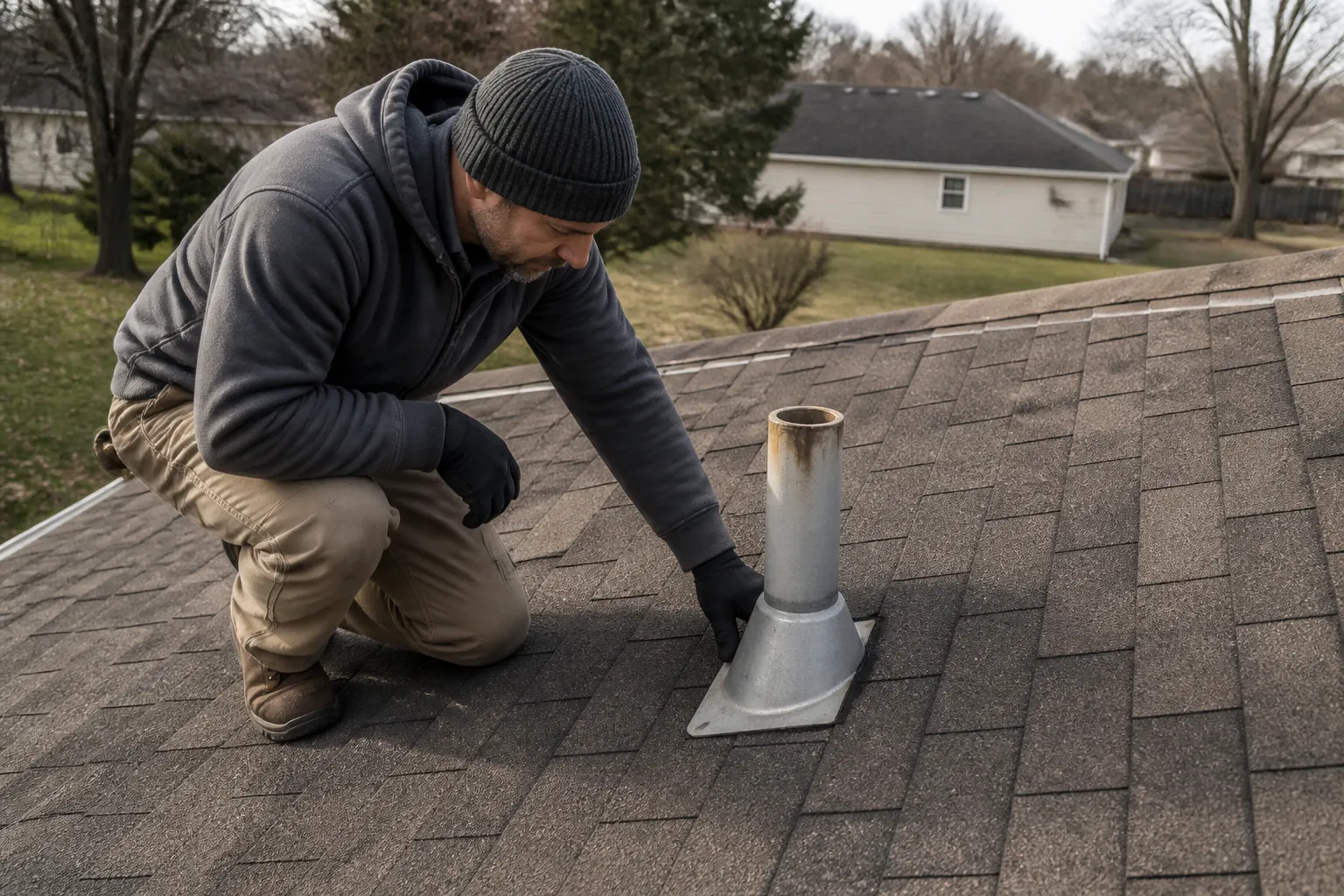
Water can move beneath roof coverings or along decking, framing, and other surfaces before becoming visible indoors. A stain on a ceiling or wall may therefore appear some distance from the entry point. Potential areas to assess can include flashing, roof penetrations such as vents or plumbing boots, valleys, panel seams, fasteners, and transitions to walls or chimneys, depending on the roof system. These are possibilities to inspect, not a diagnosis based on a symptom.
When requesting an assessment, share the room or interior area affected, when the mark or drip first appeared, whether it changes with rainfall or wind, whether the concern has returned, and any prior repairs you know about. If safe, take photos from indoors or from ground level showing the affected area and wider context. Do not climb a ladder, walk on the roof, or move into an unsafe attic to gather evidence.
Finding the source matters because a stain, damp spot, or drip is only where water became noticeable. A repair directed only at that visible point may leave the roof opening or water path unresolved. A useful assessment relates interior observations to the roof details that could be involved, then explains the limits of what can be confirmed and the repair area proposed.
A focused repair may be worth considering when an assessment identifies a limited area of damage and the surrounding roof remains serviceable. Depending on the covering, the work might involve replacing affected shingles or panels, correcting flashing, addressing a penetration detail, or securing or replacing compatible fasteners. The appropriate method depends on the actual system and observed condition; not every roof or damaged component can be repaired practically.
Ask the written scope to identify the roof area, components, materials, and work included. It should also distinguish what is outside the repair boundary. If hidden deterioration or incompatible materials are discovered during work, request an explanation and written approval of any change before it is added to the scope.
A leak that returns can mean the earlier work did not address the source, water is reaching the same interior area from a different route, or more than one roof detail needs attention. Recurrence alone does not establish which explanation is correct. Share the dates and locations of prior repairs, what was done if known, and whether the symptom changed afterward.
Replacement may deserve comparison when wear or damage is widespread, several areas are involved, or recurring repairs no longer address the overall roof condition. A contractor should explain the observed reasons for each option and compare the repair boundary with any broader replacement proposal. A ceiling mark by itself is not enough to decide that the whole roof must be replaced. Read the roof repair versus replacement guide for a practical comparison framework.
Asphalt shingles, metal panels, and low-slope roof coverings shed water through different details. On a metal roof, standing-seam and exposed-fastener assemblies have different attachment and seam configurations; an assessment should account for the installed system rather than assume all metal roofs are alike. On a shingle roof, the condition of courses, valleys, edges, flashing, and penetrations may shape the review.
Share the material if known, the building age if available, prior patches or coatings, and any records or photographs from earlier work. These details can help the contractor consider movement, corrosion, material compatibility, and previous repair methods without treating any one clue as proof of a cause.
Before calling, gather the property address, a short description of the concern, when it began, whether it is recurring, and any prior repair information. Indoor or ground-level photos can help document visible conditions when taken safely. Note whether the property is occupied, whether the issue affects a particular room or business operation, and any access instructions relevant to an assessment.
For a Blytheville property, the City’s current FAQ says a renovation permit is required when a new roof is applied and a building permit is required when a roofline is changed. Confirm how the City’s current instructions apply to the exact address and proposed scope before work is scheduled. See the City of Blytheville permit FAQ or contact Building Inspections and Permits. Permit determination is separate from diagnosing or defining a repair.
Not necessarily. Water may travel along roof and building materials before appearing indoors. The roof and possible water path need assessment; a symptom alone cannot identify the entry point.
Take photos from indoors or from a safe ground-level position, showing the affected area and surrounding context if possible. Do not climb or walk on the roof or enter an unsafe space to take pictures.
It depends on the roof condition and what the earlier repair addressed. Share prior work details and ask for an assessment that identifies the proposed repair area and any unresolved conditions.
Compare replacement when an assessment finds broad wear, damage across multiple areas, or a repair plan that would leave significant concerns unaddressed. Ask for the reasons, limitations, and scopes in writing.
For statewide information about roof repair, review the service overview. If a broader scope is being considered, compare it with roof replacement in Blytheville and request that each proposal explain the condition observed, included work, exclusions, and next steps.
What To Expect
Share your ZIP code, the service you are considering, and what you have noticed about the roof.
Discuss the observed condition, repair or replacement options, and proposed scope with the independent roofer, subject to local availability.
Review materials, work details, cleanup, exclusions, and any additional repairs before deciding how to proceed.
A Few Common Questions
Tell us where the property is and what your roof needs.
Roofing Estimate
Share the property ZIP code and the roofing service you need. The form uses the existing inquiry system.