Arkansas Roofing Guidance
Roof Repair in Lowell, AR
Learn how roof leak assessment, localized repairs, recurring water concerns, and written scope comparisons can help Lowell, Arkansas property owners plan roof repair.
Arkansas Roofing Guidance
Learn how roof leak assessment, localized repairs, recurring water concerns, and written scope comparisons can help Lowell, Arkansas property owners plan roof repair.
A ceiling stain, damp attic area, or water appearing near a wall can point to a roof concern, but the visible spot does not show where water entered. In Lowell, Arkansas, note when the symptom appears, which rooms are affected, and whether it has happened before. Avoid climbing onto the roof to look for the cause.
All Arkansas Roofing connects property owners with independent roofing contractors. A clear report of the building, timing, and safely observed changes can help frame an assessment. The roof itself needs to be checked before anyone can define a repair scope.
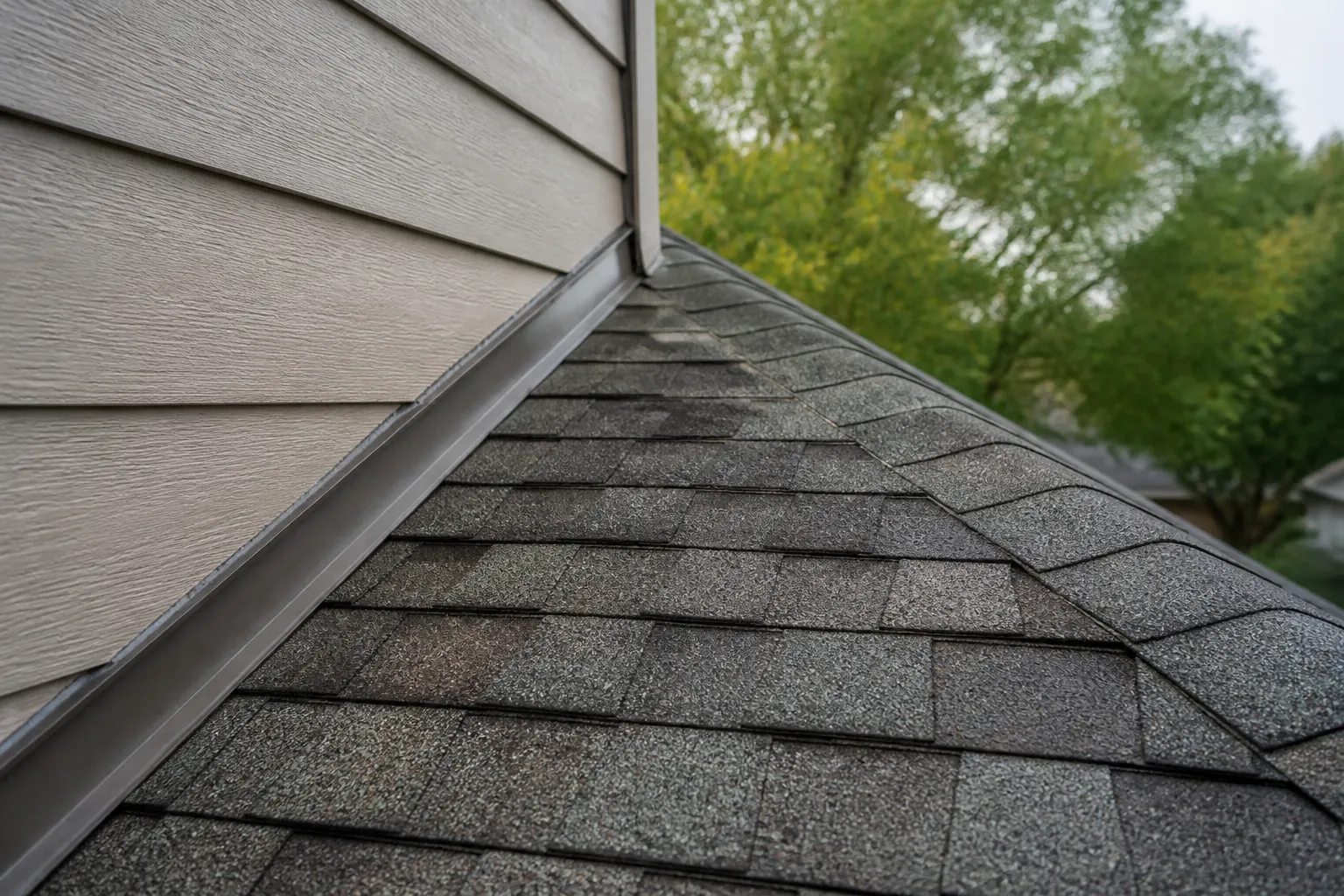
Water can move along roof decking, framing, insulation, or other surfaces before it becomes visible indoors. A stain may appear below, beside, or some distance from the roof opening. Flashing at a wall or chimney, a vent or pipe penetration, a valley, roof edges, and shingles are possible entry areas, but a symptom alone cannot identify the source. The roof assembly and likely water path need to be evaluated together.
Finding the source matters because treating only the interior mark or nearest roof feature may leave the actual opening untouched. An assessment should explain what was observed, which details could be related, and what supports the proposed repair. If conditions limit inspection, ask what remains uncertain.
When calling about a leak, share the Lowell address, when water was first noticed, whether it appears during or after rain, and whether it has happened before. Identify the room or ceiling area without assuming it is directly below the entry point. Mention prior repairs and any changes since that work.
Photos document visible conditions, not the hidden cause. Do not walk on the roof or use a ladder to get closer. For another checklist after severe weather, see what to do when a roof leaks after a storm.
A focused repair may be considered when an assessment finds a limited failure and the surrounding roof remains serviceable. The written scope should name the affected section and components involved, which may include shingles, underlayment, flashing, a pipe boot, a valley, or a roof-to-wall transition. A ceiling stain alone cannot define the work.
If access reveals concealed damage, ask how a scope change will be documented and approved. Compare included work with listed exclusions.
A recurring leak calls for comparing current findings with the prior repair, not simply repeating the same patch. Share any earlier estimate, invoice, photos, or notes. Ask whether the same roof section is involved, whether water could be entering at a nearby transition, and what differs in the proposed approach.
Keep people clear of unsafe ceilings or wet electrical areas. Protect belongings only when it is safe.
Repair and replacement answer different scope questions. Repair may remain practical when one area is affected and nearby materials are usable. Compare a broader assessment when damage spans multiple sections, material wear is widespread, or separate repairs have not resolved recurring problems. None of these signs alone proves replacement is necessary.
Ask for the observed conditions behind each option and which areas each scope addresses. The roof repair or replacement guide can help organize that comparison. If broader work is being considered, see the Lowell roof replacement page.
Compare proposals for the same roof area and repair goal. Check the work location, materials, flashing or transition details, removal and disposal, cleanup, exclusions, and approach to hidden conditions. A brief description may not show whether two proposals include the same work.
The roofing estimate checklist offers prompts for comparing scopes. Share the address and symptoms through the estimate request form, and review local options on the Lowell service-area page or statewide roof repair overview.
No. Water may travel along framing or decking before it becomes visible, so the indoor mark may not be directly below the opening. The roof and possible water path need assessment.
Take indoor photos from a safe location and exterior photos from ground level only if the roof detail is visible without climbing. Note when the images were taken and when the leak appeared.
Provide the property address, timing and location of the water, whether it happened before, prior repair details, and visible conditions. Mention unsafe ceiling or electrical concerns.
Ask for both scopes when an assessment identifies broad wear, multiple affected areas, or repeat problems. Compare the findings and work included rather than deciding from one symptom alone.
What To Expect
Share your ZIP code, the service you are considering, and what you have noticed about the roof.
Discuss the observed condition, repair or replacement options, and proposed scope with the independent roofer, subject to local availability.
Review materials, work details, cleanup, exclusions, and any additional repairs before deciding how to proceed.
A Few Common Questions
Tell us where the property is and what your roof needs.
Roofing Estimate
Share the property ZIP code and the roofing service you need. The form uses the existing inquiry system.