Arkansas Roofing Guidance
Roof Repair in Bryant, AR
Learn about roof repair in Bryant, AR, including leak diagnosis, shingles, flashing, pipe boots, recurring patches, and safe documentation.
Arkansas Roofing Guidance
Learn about roof repair in Bryant, AR, including leak diagnosis, shingles, flashing, pipe boots, recurring patches, and safe documentation.
A repair assessment should distinguish a limited defect from a wider pattern of wear. A visible mark, loose shingle, or damp attic area can be a reason to look further, but does not by itself establish the source or define the repair needed.
For broader local information, visit the Bryant roofing hub, or compare the Arkansas roof repair overview.
Water does not always show up directly beneath its entry point. It can move along roof decking, framing, or other surfaces before a ceiling stain appears. Flashing, roof penetrations, damaged shingles, and valleys are all possible entry areas, but a stain or drip alone cannot identify which, if any, is involved. Finding the source first helps determine whether a focused repair fits the condition or misses a related roof detail.
When contacting All Arkansas Roofing, report the room or roof location, when the issue occurs or returns, and any visible changes indoors or outside. Photos from a safe indoor position or from ground level can help show those changes; do not climb a ladder or roof to take them. This history can guide an assessment, while the roof inspection is what helps connect the symptoms with a likely source.
Cracked, displaced, lifted, or missing shingles may expose portions of the roof assembly. A repair assessment should also consider nearby shingles and underlayers so the proposed work addresses the affected area rather than only the most visible spot.
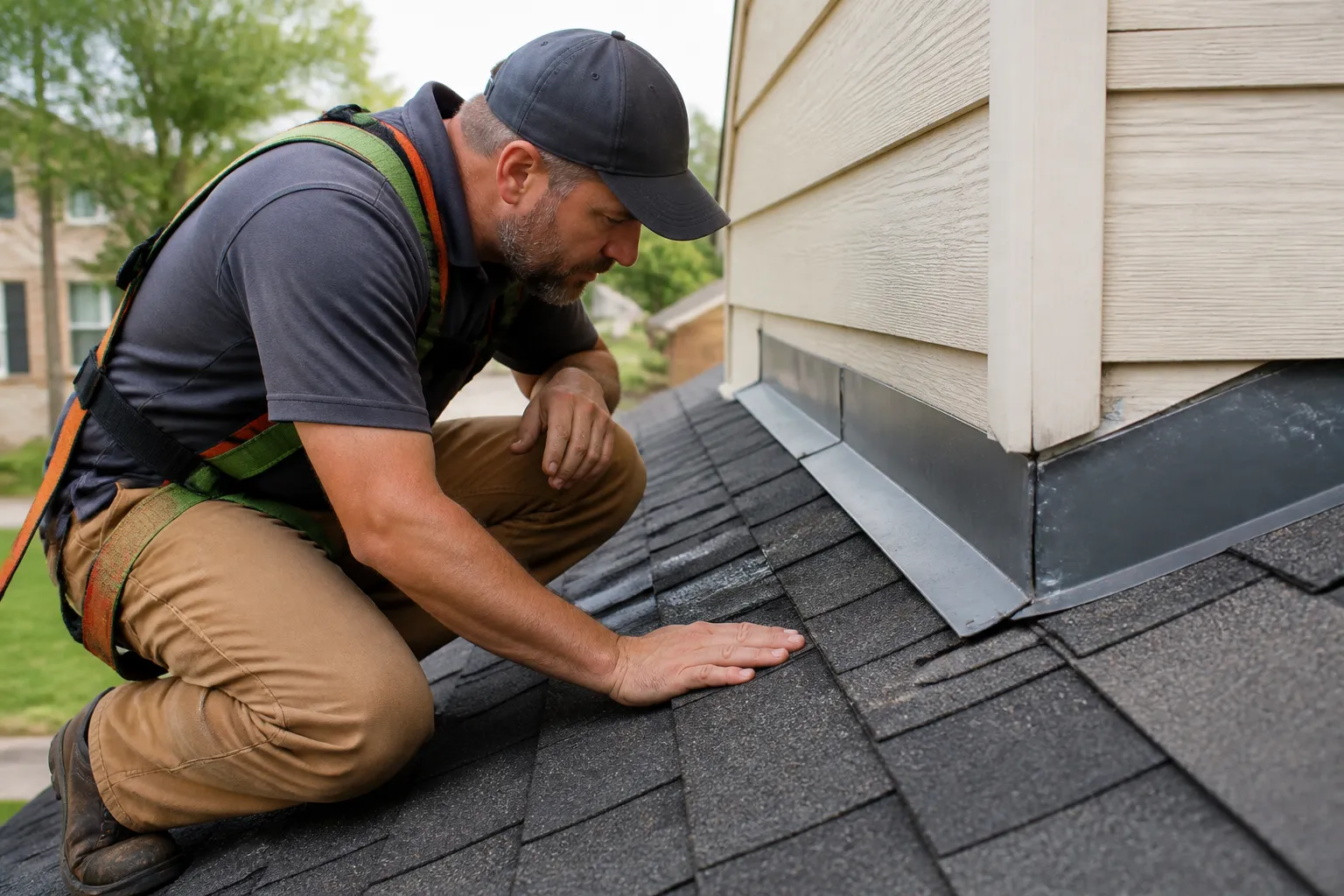
Flashing protects transitions where roofing meets walls, roof intersections, chimneys, and other features. Loose, bent, corroded, or poorly joined flashing can allow water past a seam. Pipe boots seal around plumbing vent pipes; a split collar, deteriorated seal, or separated edge may need attention. Ask which component appears affected, how the repair will tie into surrounding material, and whether adjacent areas show similar wear.
A repair can be reasonable when the damage is limited and the surrounding roof remains serviceable. Repeated patches, several leak locations, or broad wear call for a wider conversation. Ask why the earlier repair did not hold, what condition is visible now, and which parts of the roof the proposed work will and will not address.
Sometimes a repair can reduce a specific problem while leaving other aging or damaged areas unchanged. A written estimate should describe that limitation plainly. If the roof has widespread deterioration or repeated failures, compare the repair scope with a replacement assessment before authorizing work. Review the separate Bryant roof replacement page for considerations involved in that option.
Keep to stable, dry indoor areas or safe ground-level vantage points when documenting a concern. Do not climb onto the roof or a ladder to look for a leak. Stay clear of sagging ceilings and wet electrical fixtures, and do not touch water-affected lights, outlets, or equipment. If any area appears unsafe, leave it undisturbed and mention that concern when calling.
Read the proposed scope before approving it. It should identify the roof area, the component or suspected source, the repair steps, and any materials or related work included. Ask whether the estimate excludes adjacent deterioration or concealed conditions, and how a change in scope would be explained and approved. If multiple estimates are available, compare the same areas and tasks rather than relying on a short label such as “leak repair.”
For additional questions about evaluating proposals, use the roofing estimate checklist. To discuss the concern or request an estimate, use the estimate form.
No. Water can move before it appears indoors, so the stain alone does not pinpoint the entry.
Sometimes. The decision depends on how extensive the damage is and the condition of nearby roofing. An assessment should explain whether the work is localized or whether broader deterioration changes the options.
The source may not have been fully addressed, water may be entering at a nearby component, or the surrounding roof may have additional wear. Ask what was checked and what the proposed repair can reasonably resolve.
Use only safe indoor or ground-level views. Do not approach unstable ceilings or wet electrical fixtures, and do not climb onto the roof to investigate.
What To Expect
Share your ZIP code, the service you are considering, and what you have noticed about the roof.
Discuss the observed condition, repair or replacement options, and proposed scope with the independent roofer, subject to local availability.
Review materials, work details, cleanup, exclusions, and any additional repairs before deciding how to proceed.
A Few Common Questions
Tell us where the property is and what your roof needs.
Roofing Estimate
Share the property ZIP code and the roofing service you need. The form uses the existing inquiry system.